Адреса:
7, Стецьківська вул., місто Суми, Сумська область, 40491, Україна
Адреса:
7, Стецьківська вул., місто Суми, Сумська область, 40491, Україна
Ideas shaping Ukraine’s future
Ideas shaping Ukraine’s future
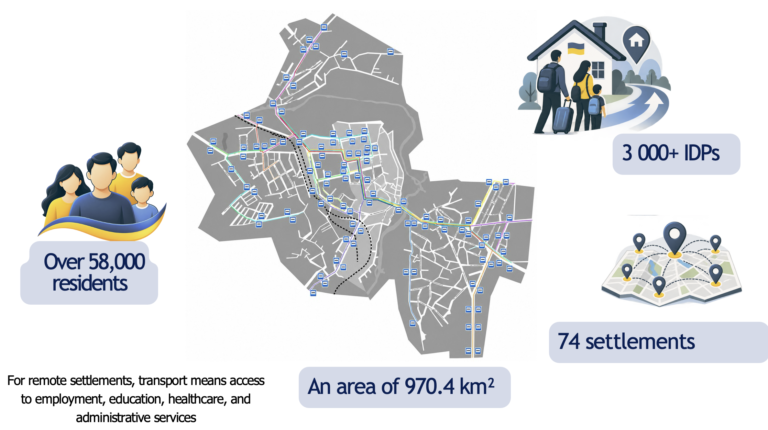
Romny city hromada serves as a strategic rear-area hub of Sumy oblast. The resilience of the territory under martial law directly depends on the ability of local self-government bodies to ensure the uninterrupted functioning of 74 settlements, create conditions for the integration of more than 3,000 internally displaced persons, and guarantee equal access to essential services for the civilian population.
The integration of internally displaced persons and support for local residents require synergistic and comprehensive solutions. Currently, with the support of the Swiss Confederation through the State Secretariat for Economic Affairs (SECO), jointly with the Sumy Regional State Administration and DM BAU LLC, the municipality is successfully implementing a large-scale pilot project to construct modular housing for internally displaced persons (IDPs).
The development of accessible, inclusive, and high-quality municipal mobility logically complements these efforts. The new transport system is being created not for a single category of residents, but as a tool for uniting the entire community by providing reliable connections between residents of modular settlements and remote villages and workplaces, educational institutions, healthcare facilities, and administrative services. The project fully complies with the national barrier-free policy and regards transport as an essential social service.
Municipality covers an area of 970.4 sq. km and is characterized by a widely dispersed population. The considerable distance from remote villages to the community’s administrative center makes transport connections critically important for sustaining everyday life.
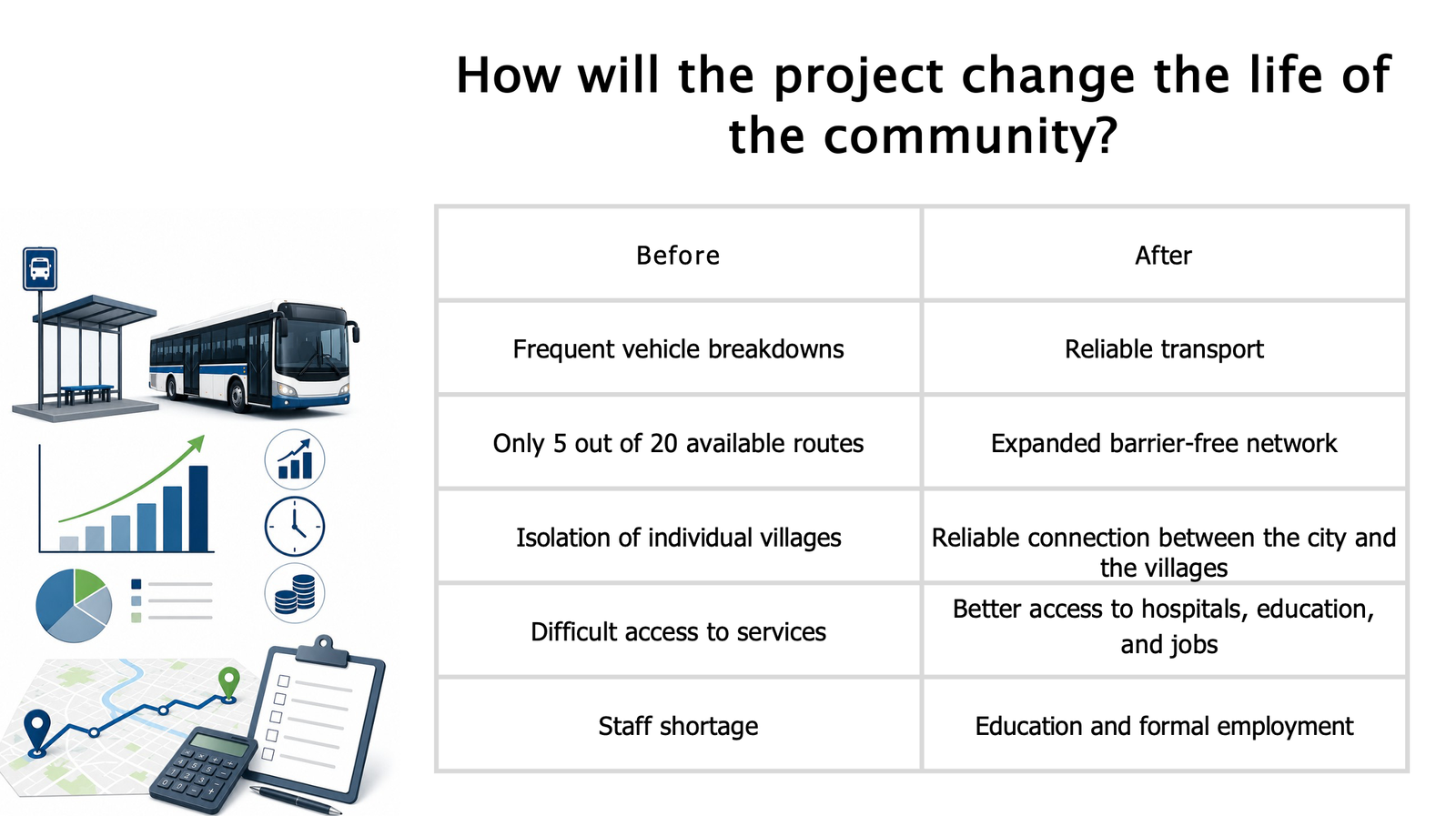
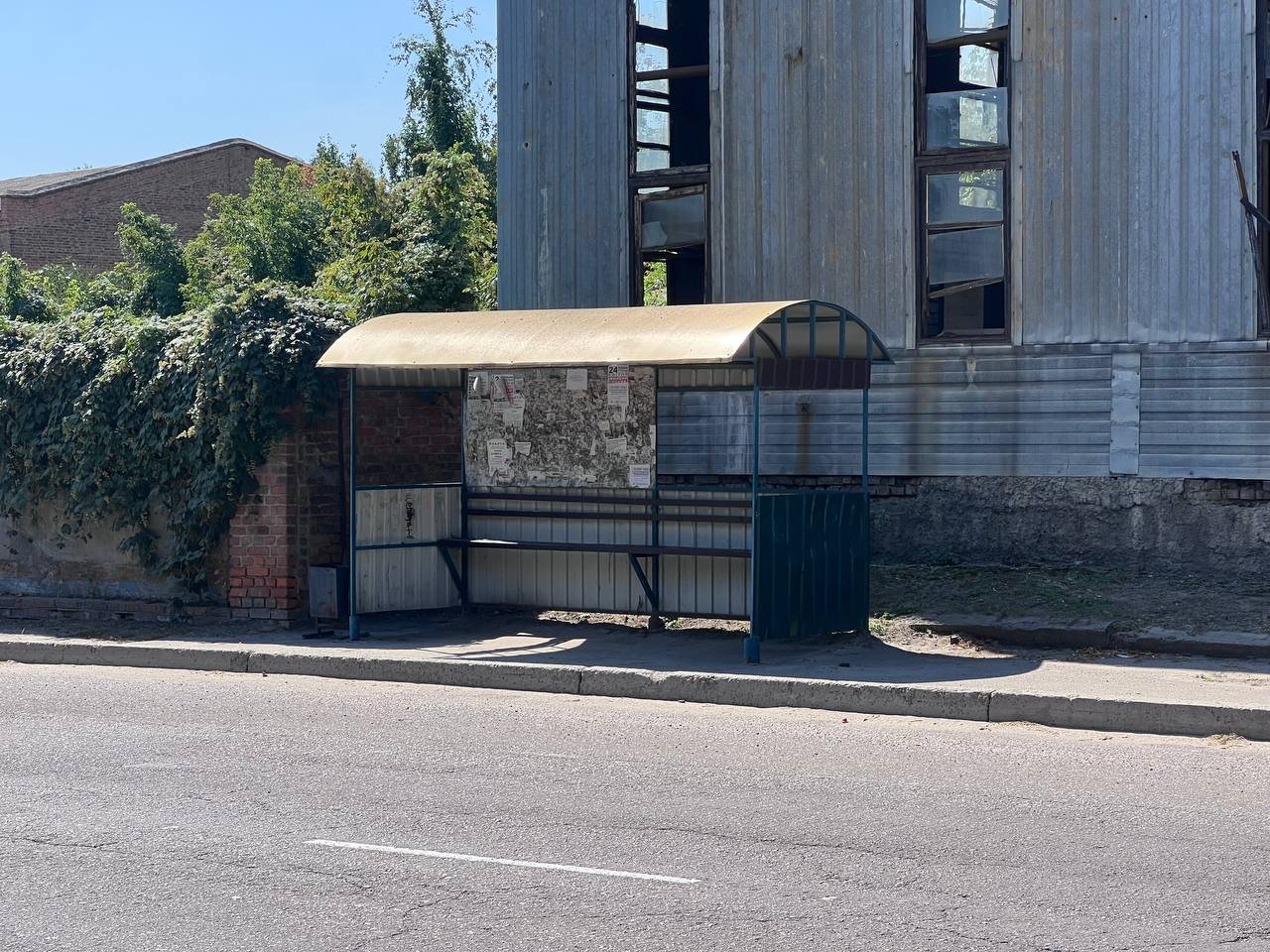
The municipality currently faces a number of significant infrastructure challenges:
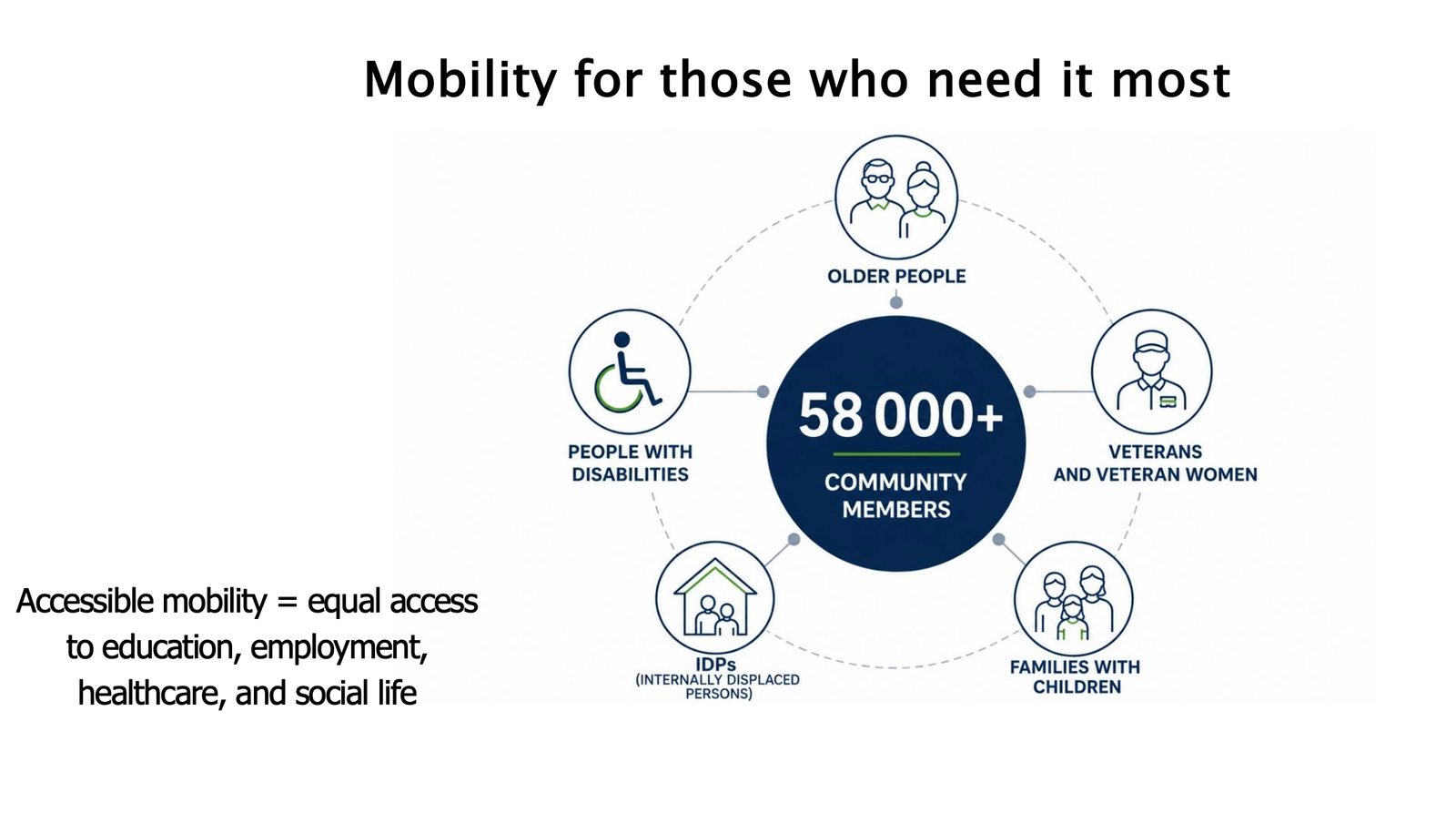
All residents of the Romny city hromada are the ultimate beneficiaries of the upgraded transport system. Particular attention within the project is given to people for whom access to public transport is critically important:

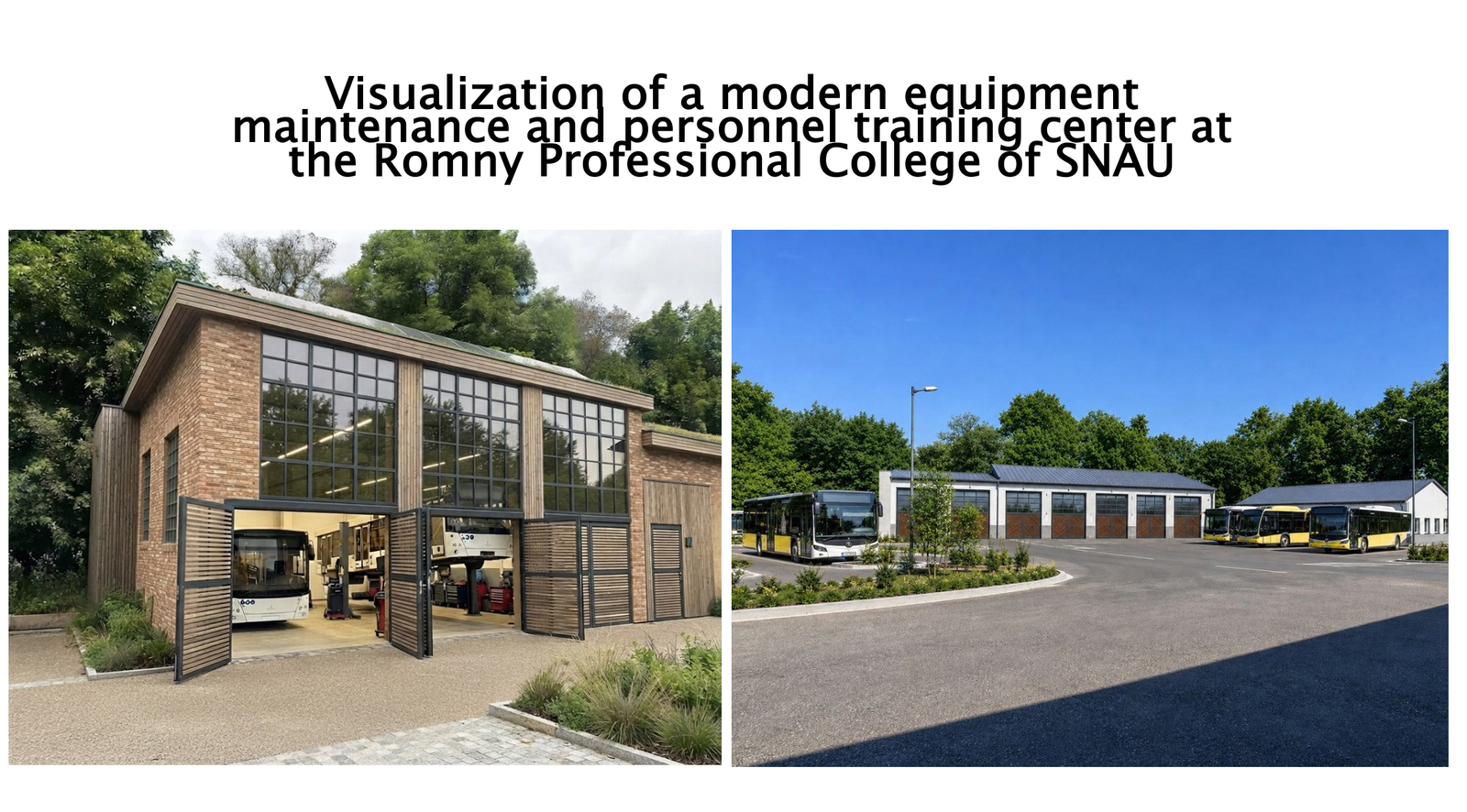
The project is expected to expand the barrier-free network, ensure stable connections between the city and the community’s villages, and improve residents’ access to key social and healthcare facilities.
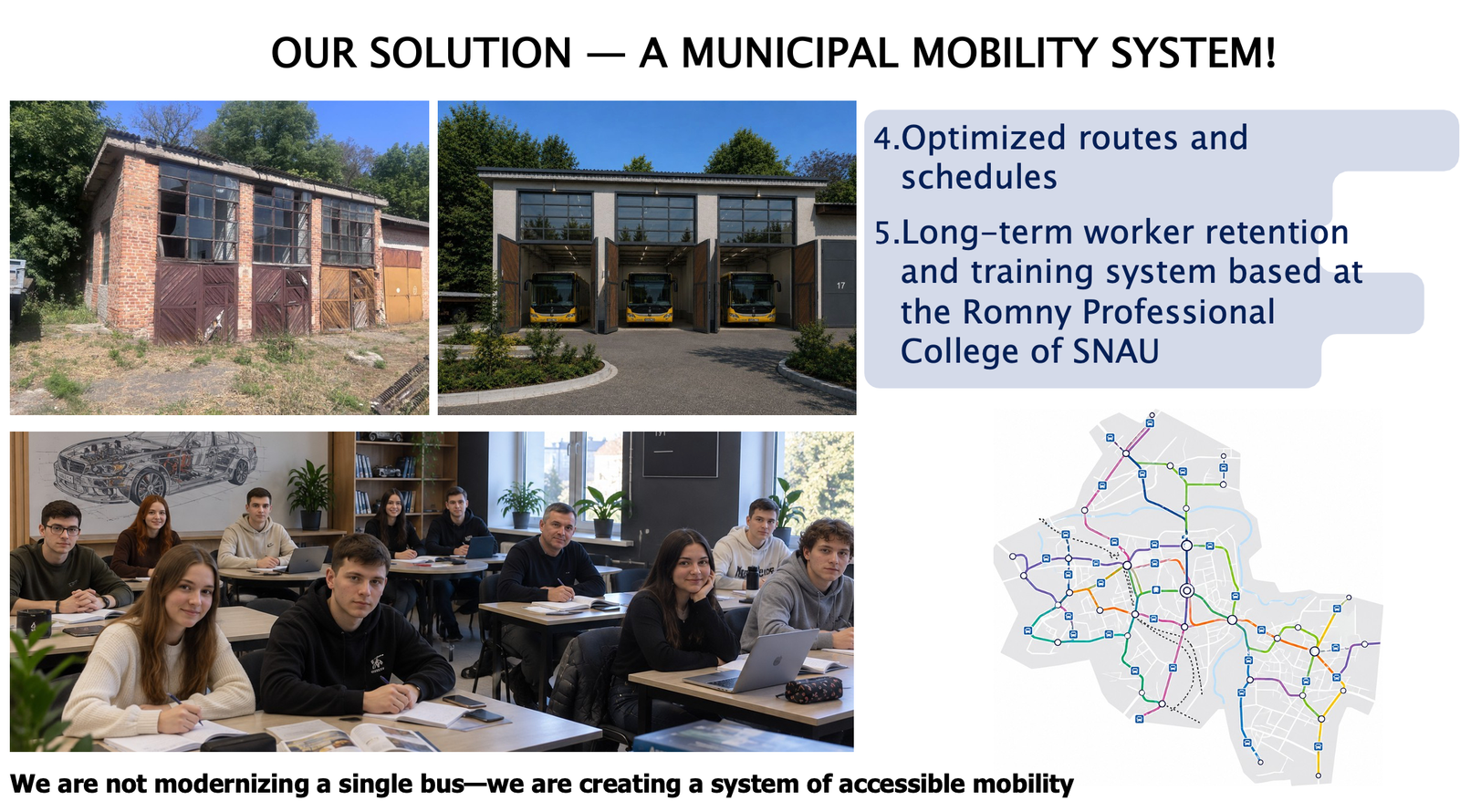
The central idea of the project is to move away from isolated procurements and transition toward building a comprehensive municipal mobility system:
(New Transport + Infrastructure + Routes + Personnel + Service)
= Sustainable Mobility System
Educational and Technical Cluster Based at the Separate Structural Subdivision Romny Professional College of Sumy National Agrarian University
A unique component of the project is the integration of the educational capacity of the Romny Professional College of SNAU into the municipal transport system. This solution links transport infrastructure with the education sector and will provide:
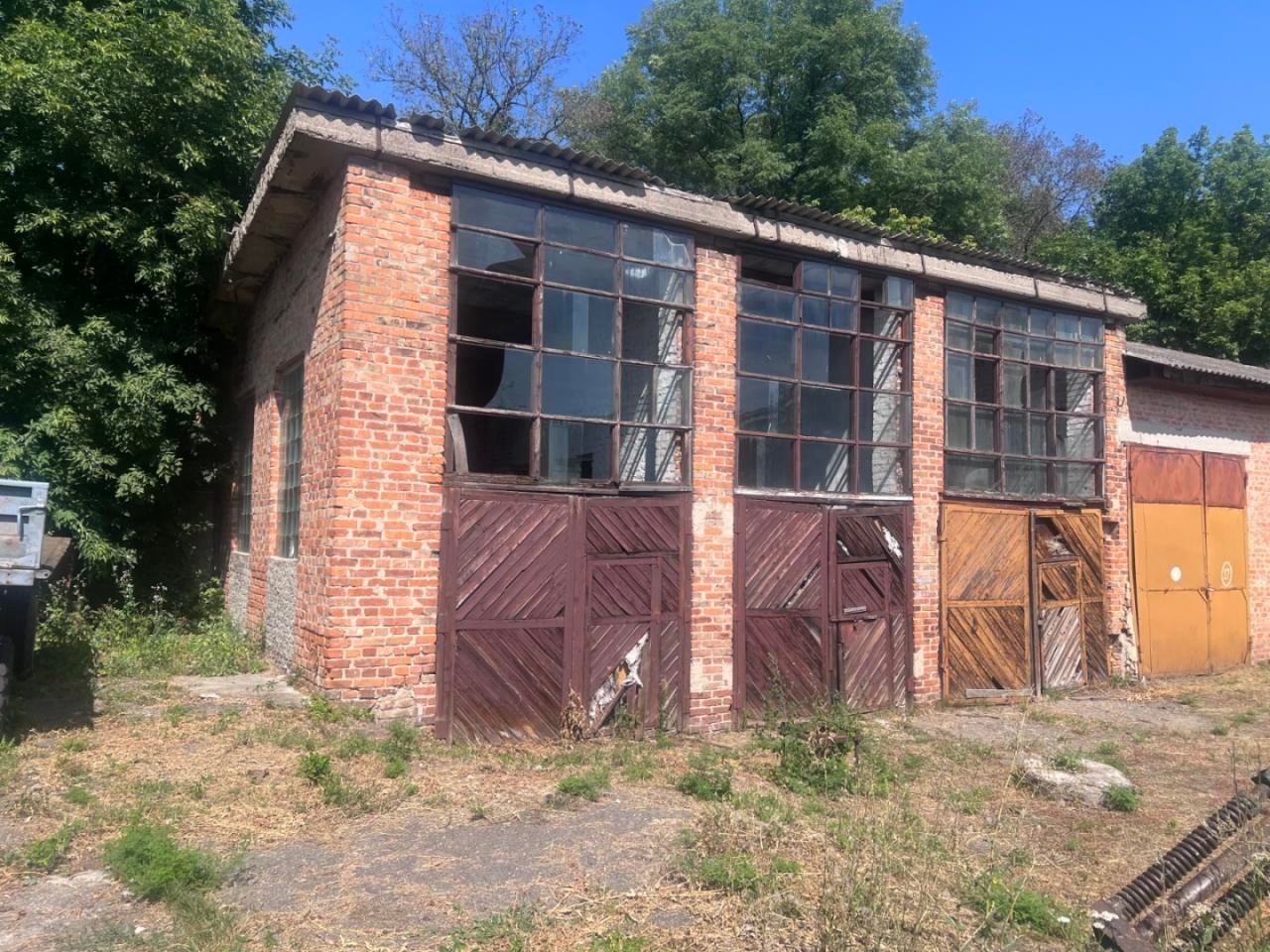
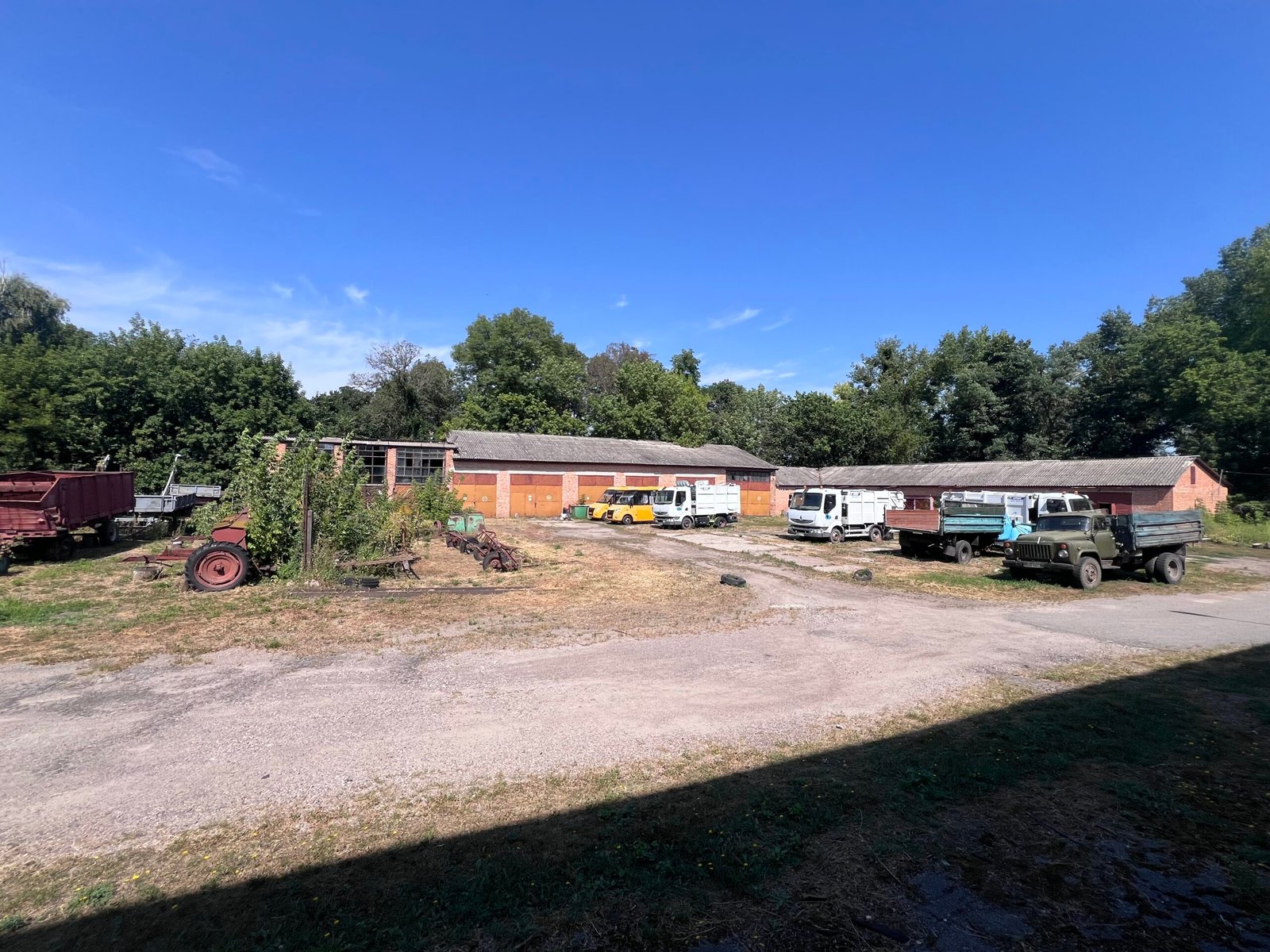
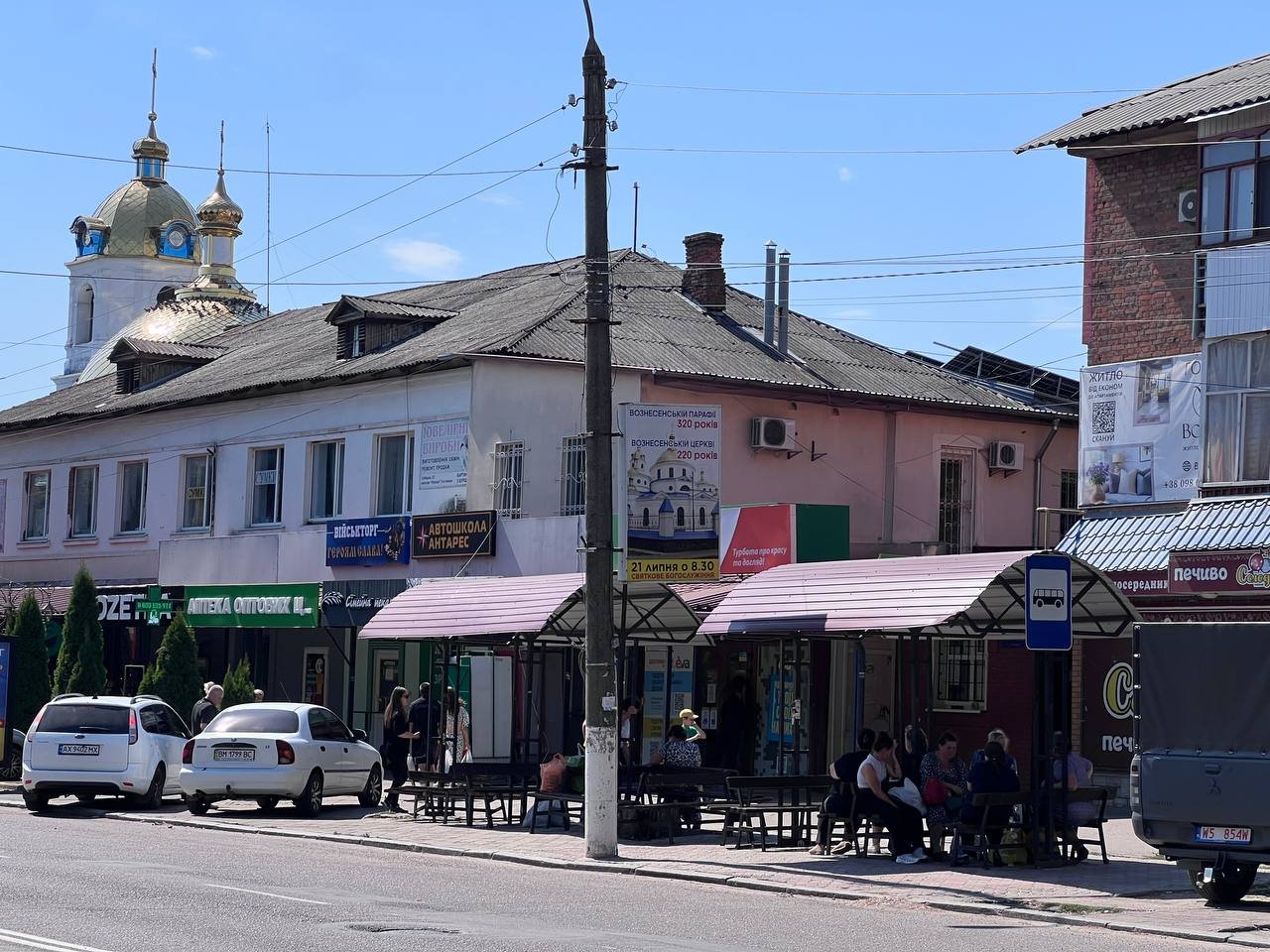
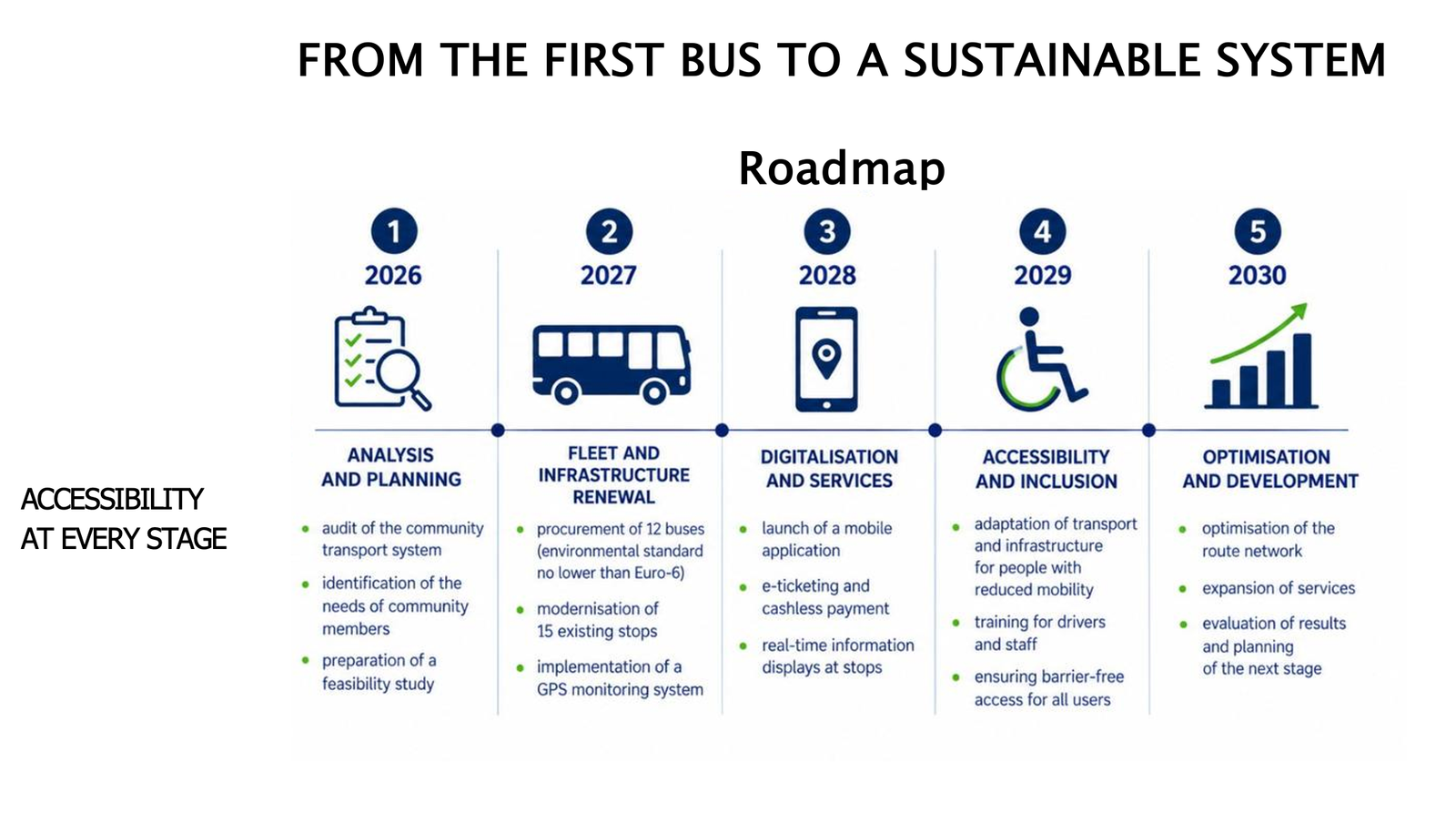
Stages of the Mobility System Transformation
The project is implemented as a sequential transformation process covering:
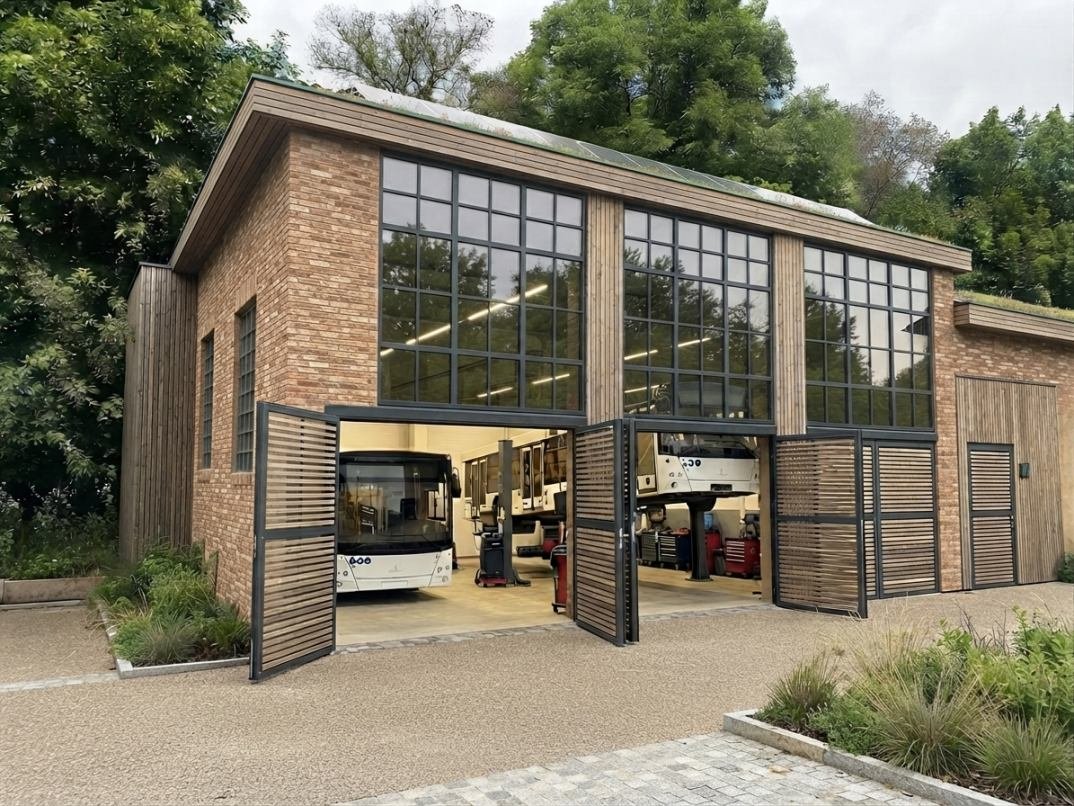
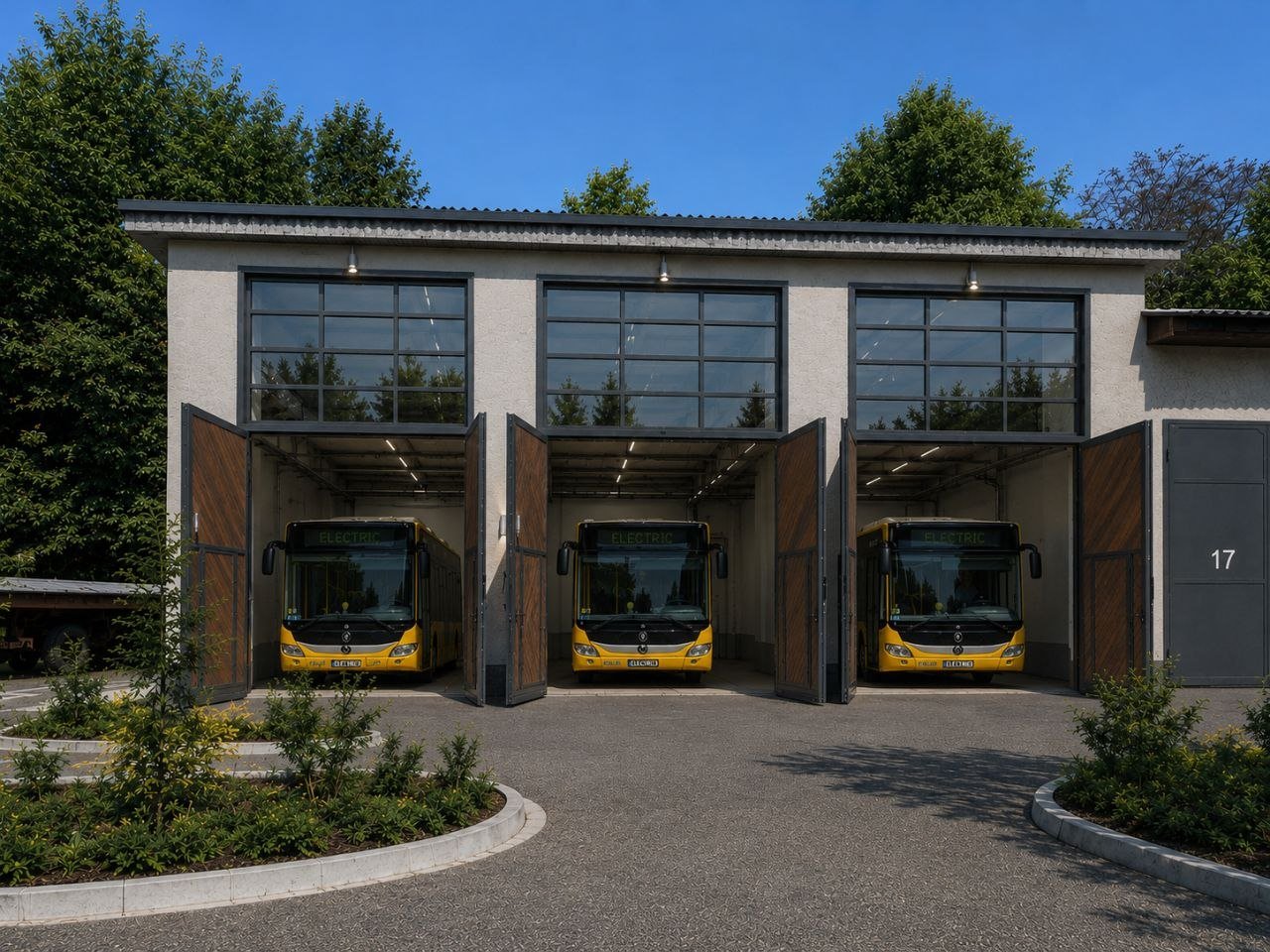
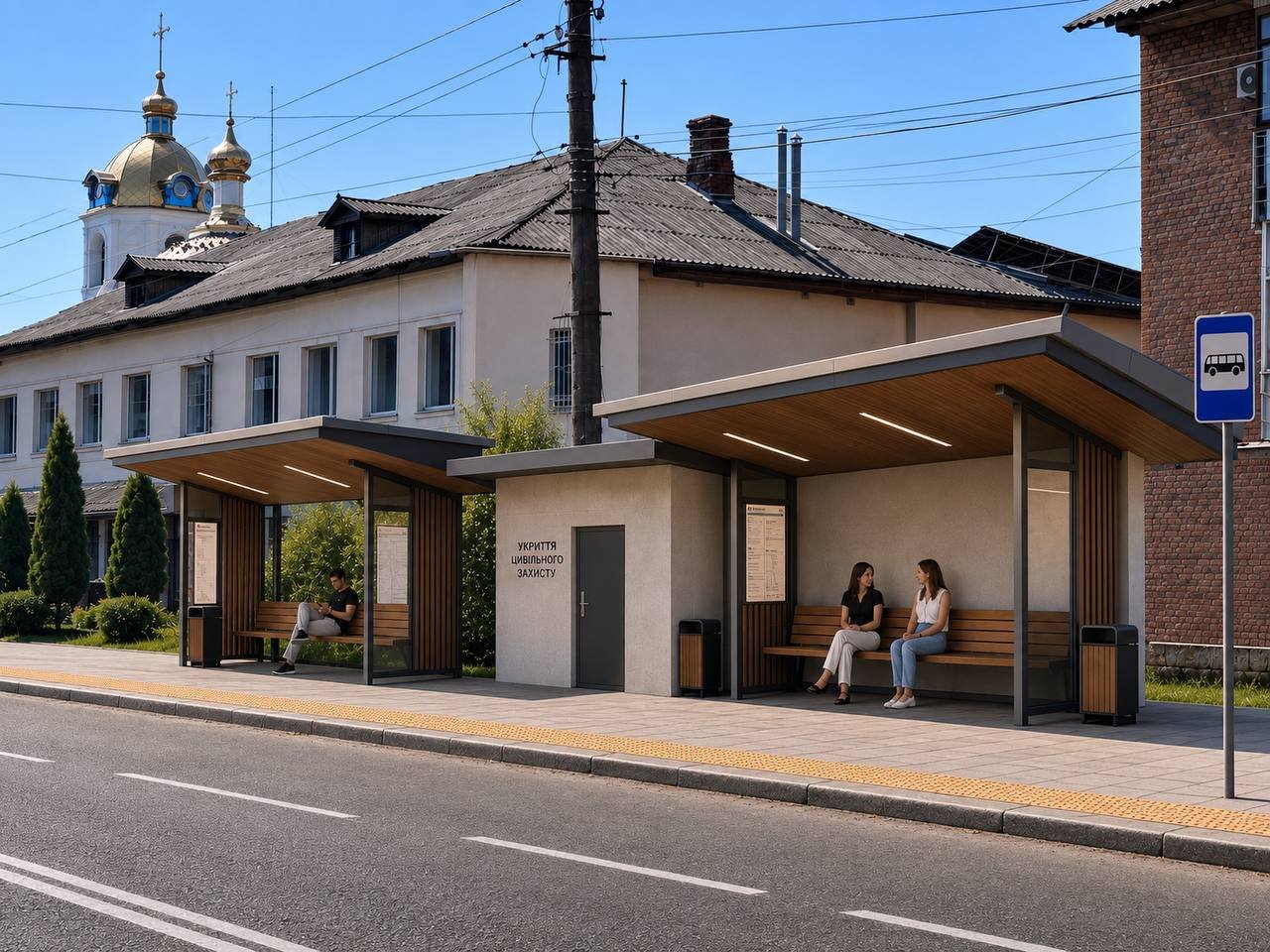
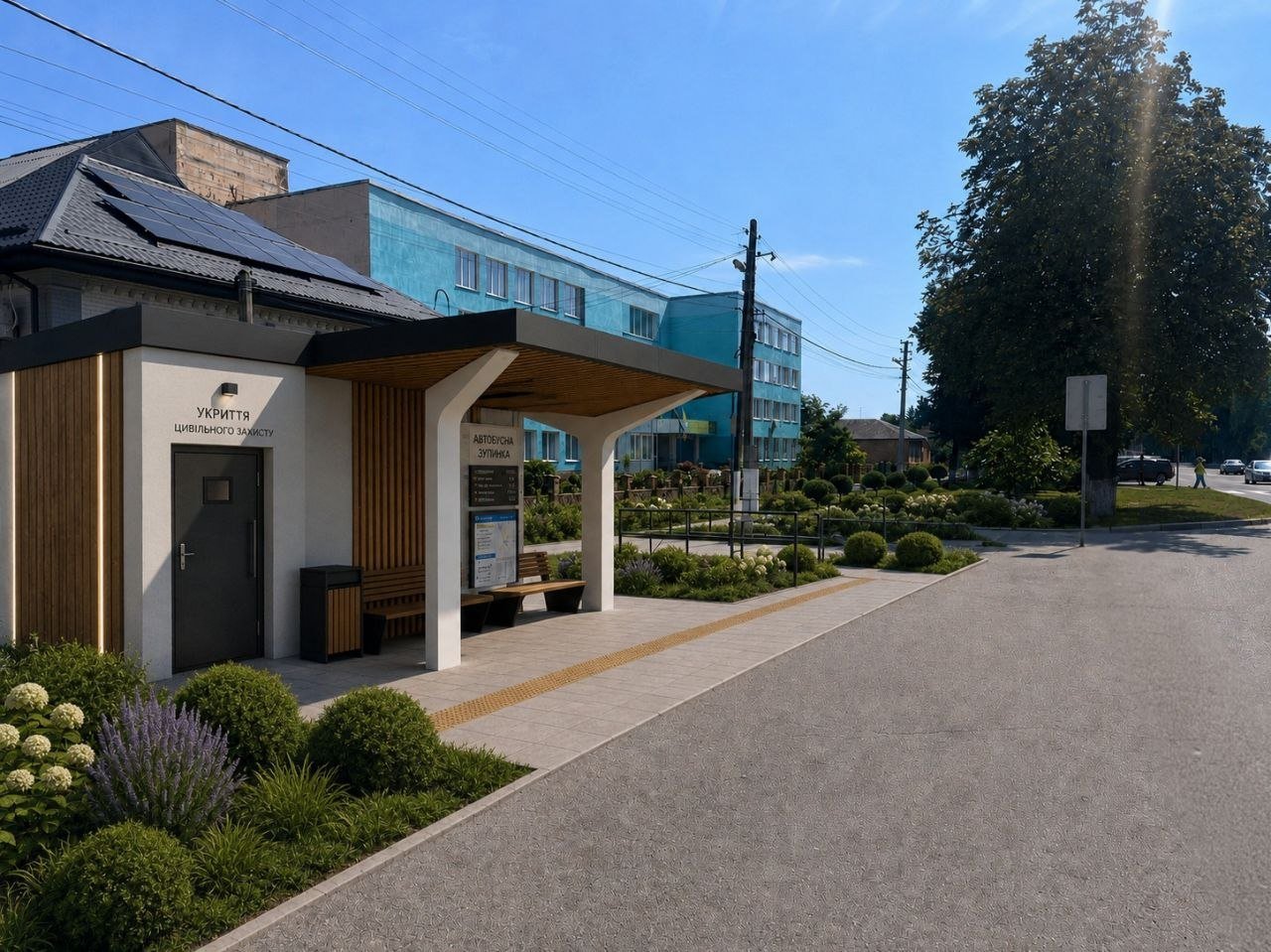
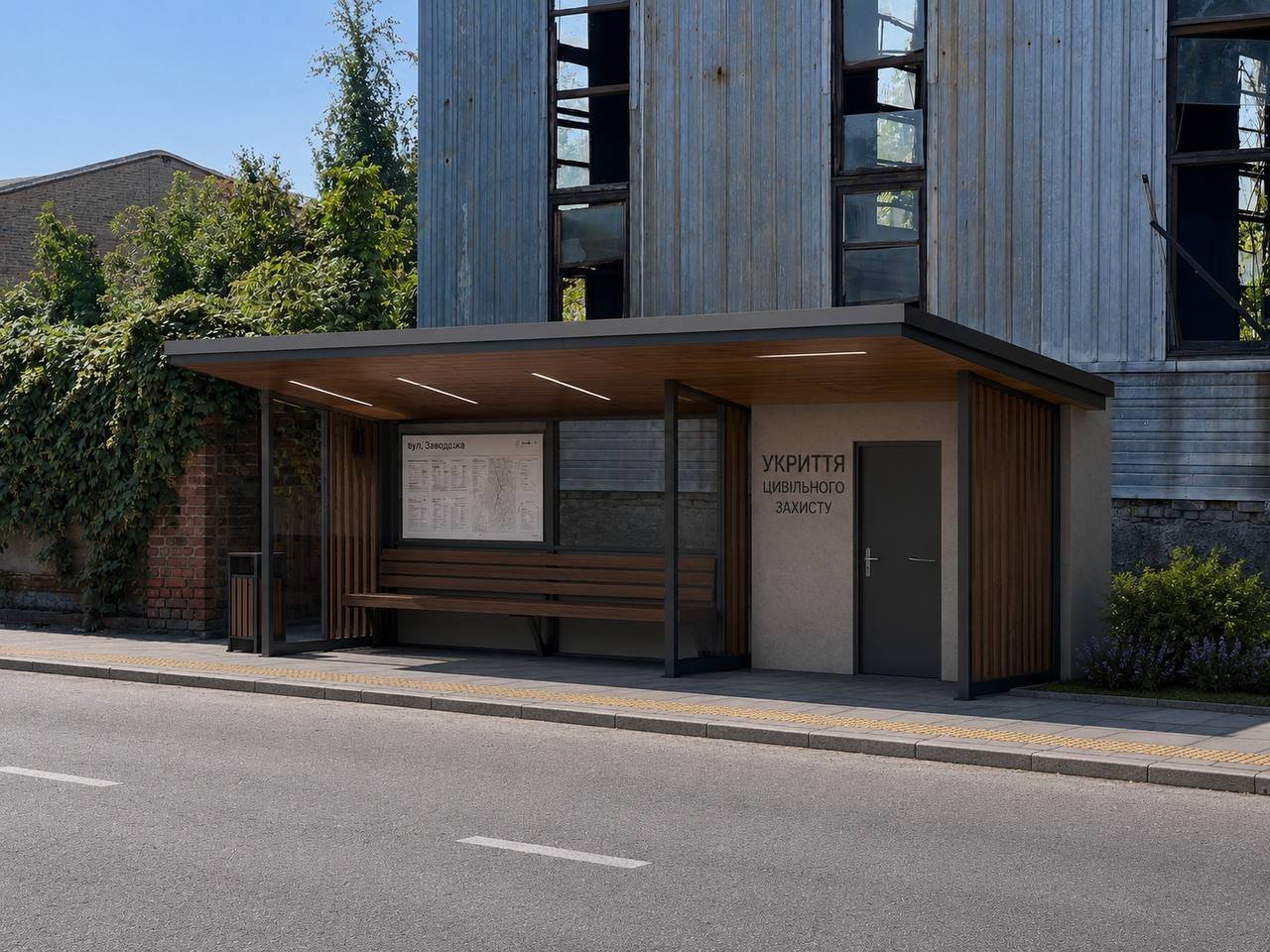
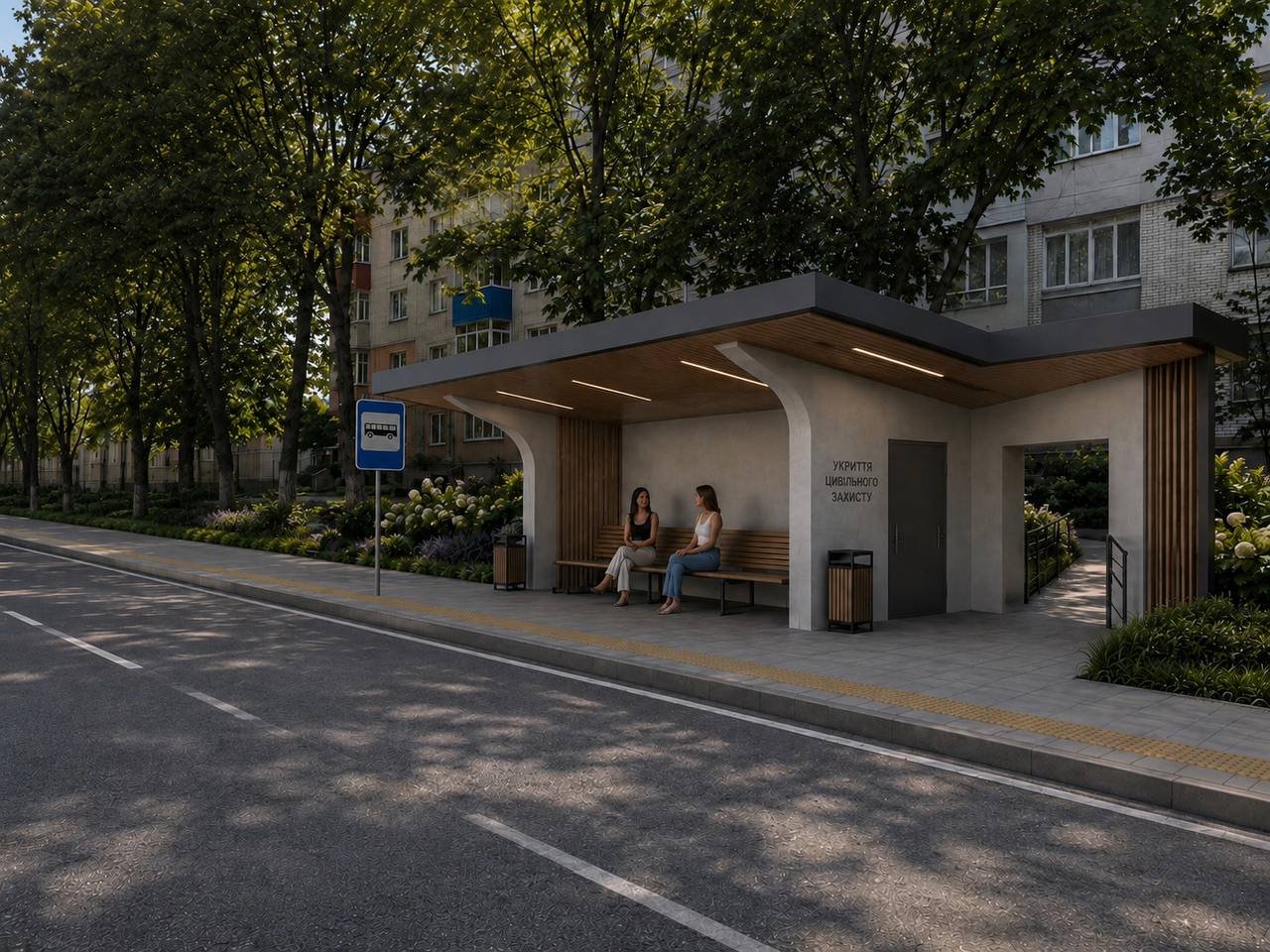
Romny city hromada has already demonstrated its capacity to manage international assistance effectively. The overall project parameters (including the purchase cost or equivalent value of the vehicles obtained) provide for the establishment of a fleet of 12 modern buses with an estimated total value of UAH 54 million.
In a framework of agreements already implemented, the community has secured UAH 23.3 million, which has been directed toward creating basic infrastructure, developing the training and technical site, and carrying out preparatory works.
The project partners include the MHP-Hromadi Charitable Foundation, Government of the Republic of Korea, Korea International Cooperation Agency (KOICA), and United Nations Office for Project Services (UNOPS). This joint effort has laid a solid foundation for developing the municipal vehicle fleet, while securing additional resources for vehicle procurement will build on the progress already achieved and make passenger transport services high-quality and accessible to every resident.
Implementation of the project will ensure: