Адреса:
7, Стецьківська вул., місто Суми, Сумська область, 40491, Україна
Адреса:
7, Стецьківська вул., місто Суми, Сумська область, 40491, Україна
Ideas shaping Ukraine’s future
Ideas shaping Ukraine’s future
Restoring Independence for People Who Have Lost Their Sight
Municipal Institution of the Sumy Regional Council “Konotop Special School”
In the aftermath of war, thousands of Ukrainians — children, civilians, and veterans — are living with life-altering vision loss caused by explosive injuries, shelling, and trauma. Beyond the physical injury lies a profound loss of independence, dignity, and the ability to participate fully in society. Light Through Touch is a response to this urgent national challenge.
Our goal is to establish a modern Rehabilitation Centre under the motto “Feel the world to live confidently in it”. The Centre will help people who have lost their sight — completely or partially — regain independence, mobility, and the skills needed to rebuild their lives.
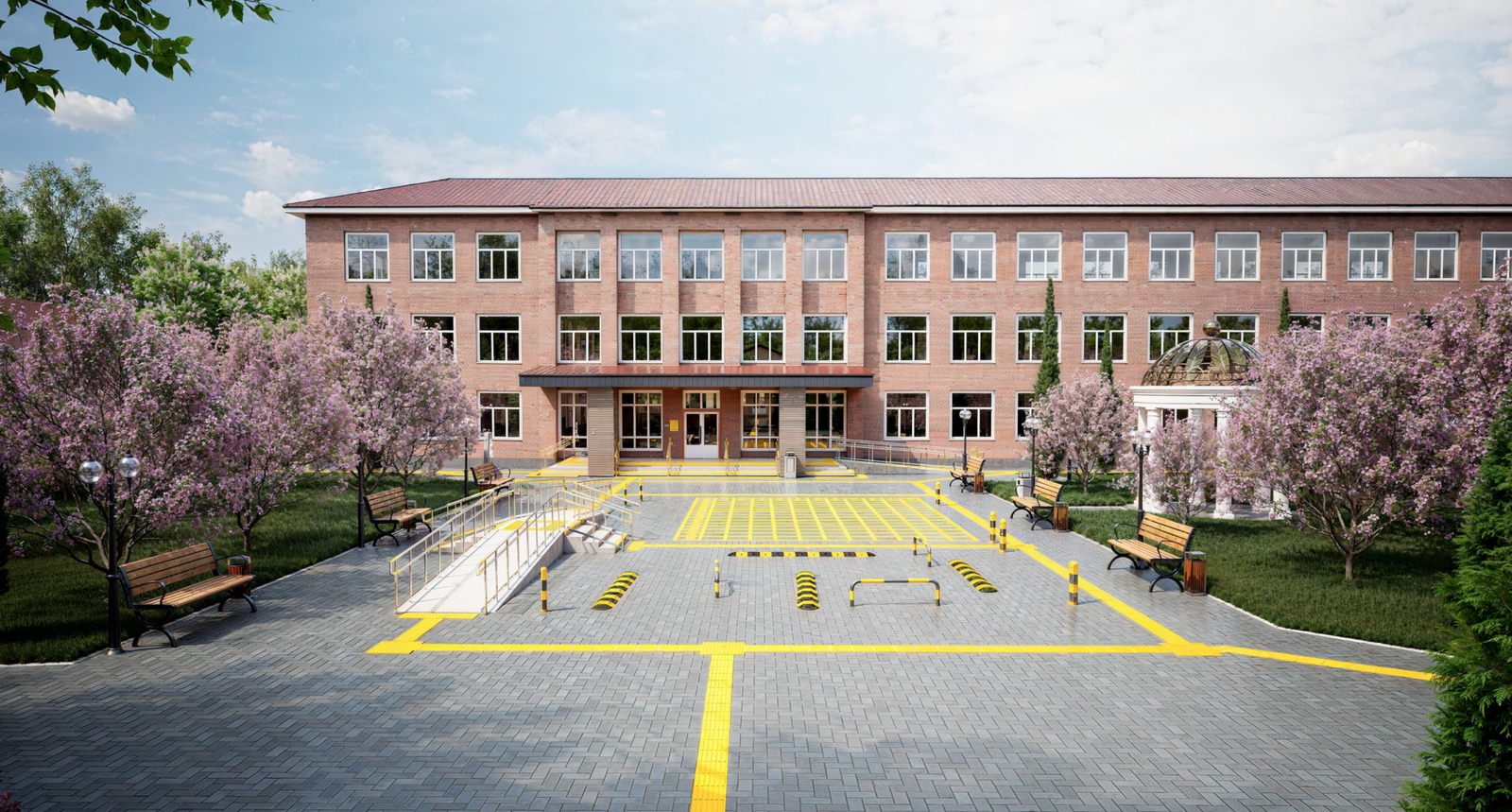
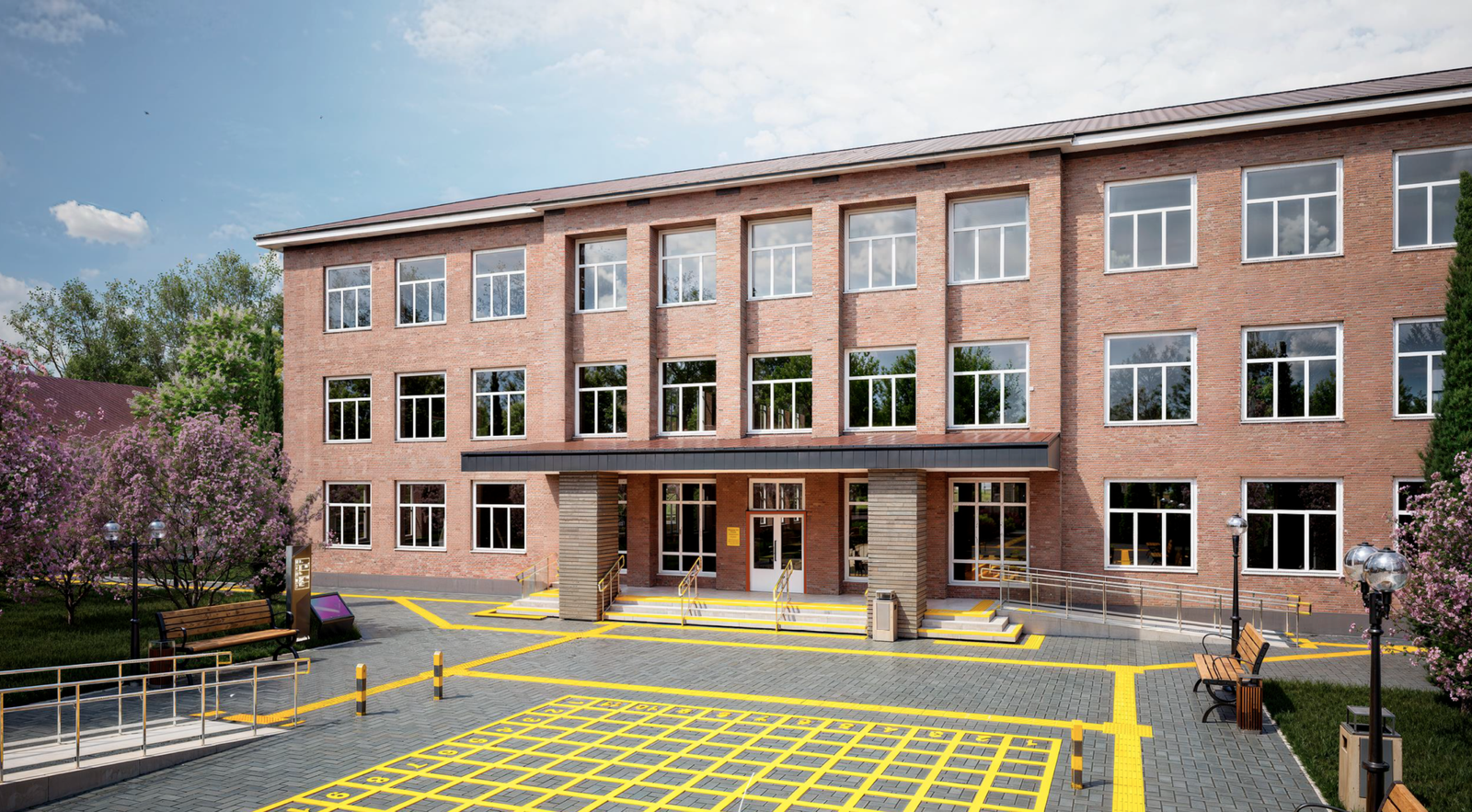
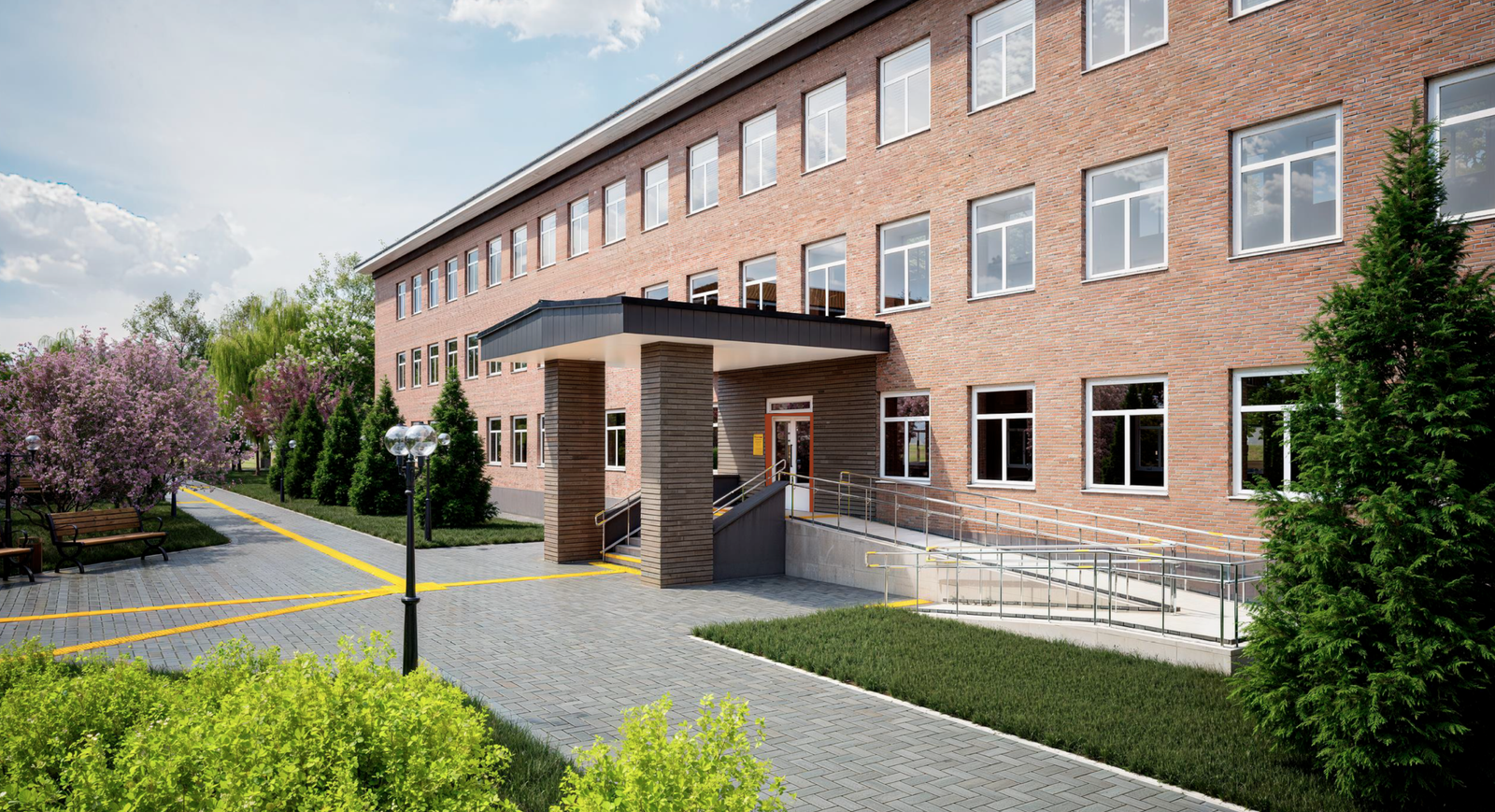
Konotop Special School is the only specialized educational institution in Sumy region serving children and young people with visual impairments. It currently educates 162 students with special educational needs, including 26 with disabilities.
The school already employs highly qualified teachers, specialists in special education, and medical staff (including a paediatric ophthalmologist). Crucially, it holds an official Ministry of Health licence to provide professional medical practice, including pleoptic and orthoptic treatment.
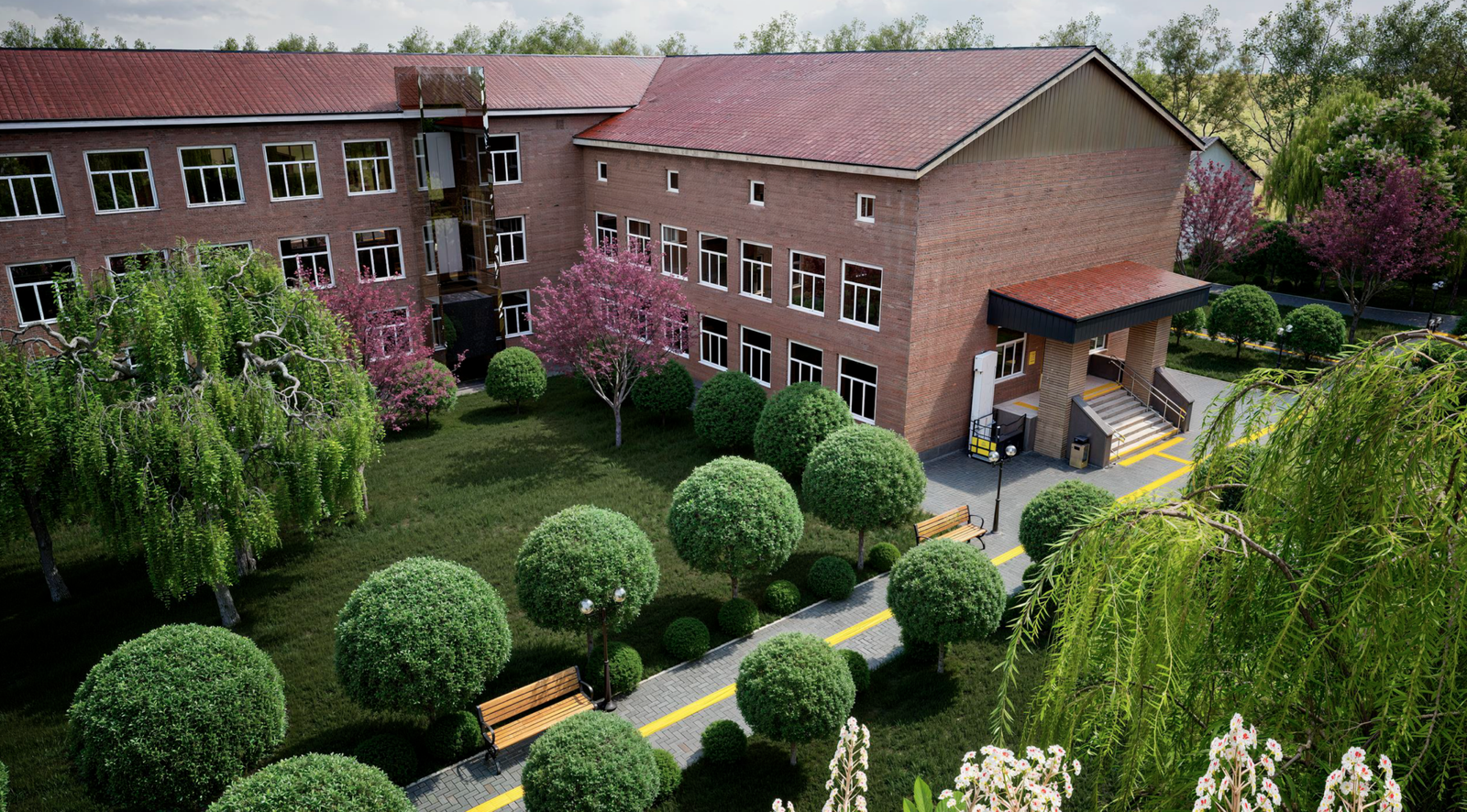
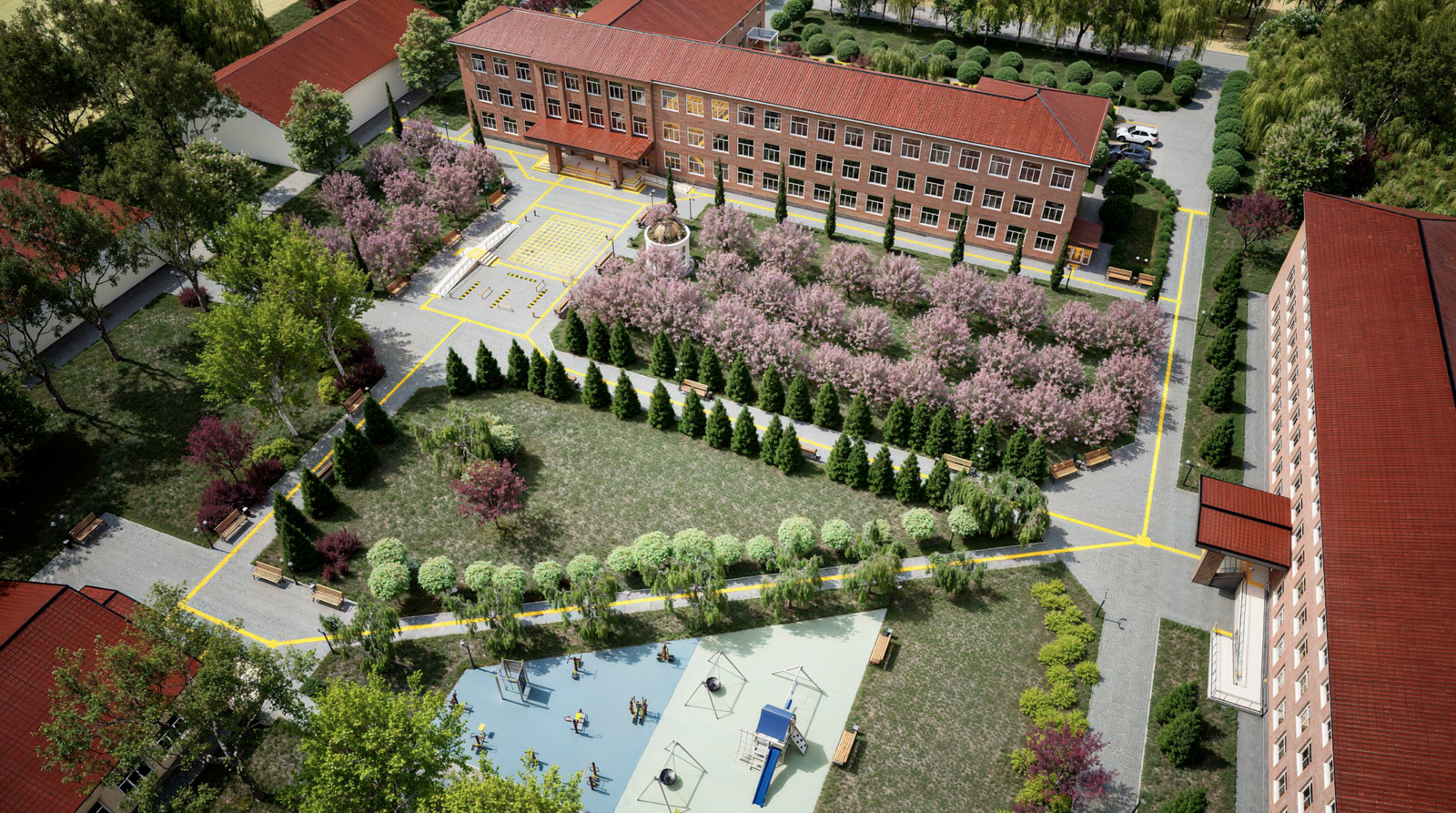
This existing foundation — combined with a 6-hectare park area that can become a therapeutic landscape — makes the school the ideal regional hub for visual rehabilitation. Accessibility elements such as ramps and contrasting markings are already partially in place. Targeted modernization will transform the institution into a fully inclusive rehabilitation ecosystem serving both children and adults affected by war.
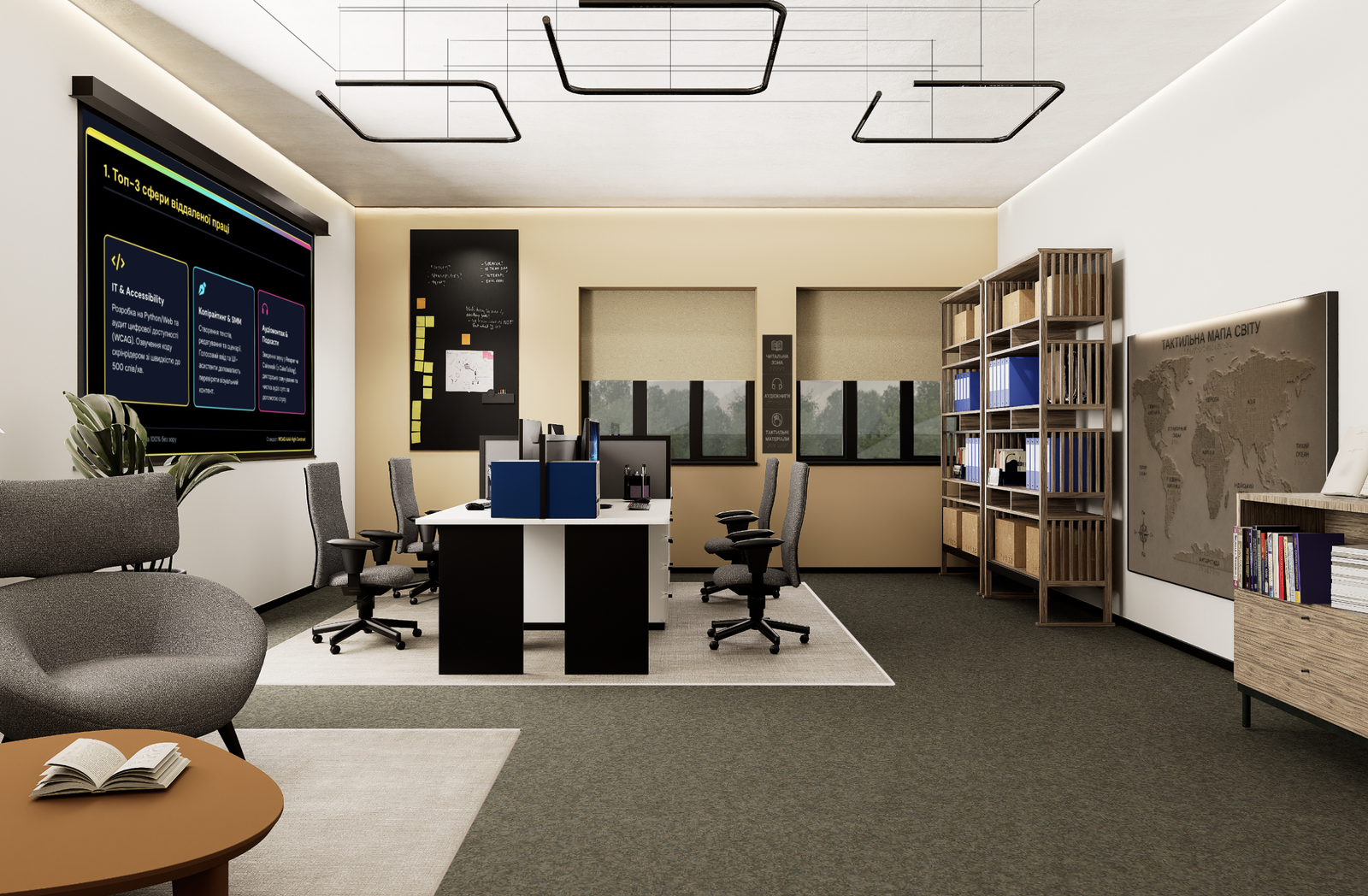
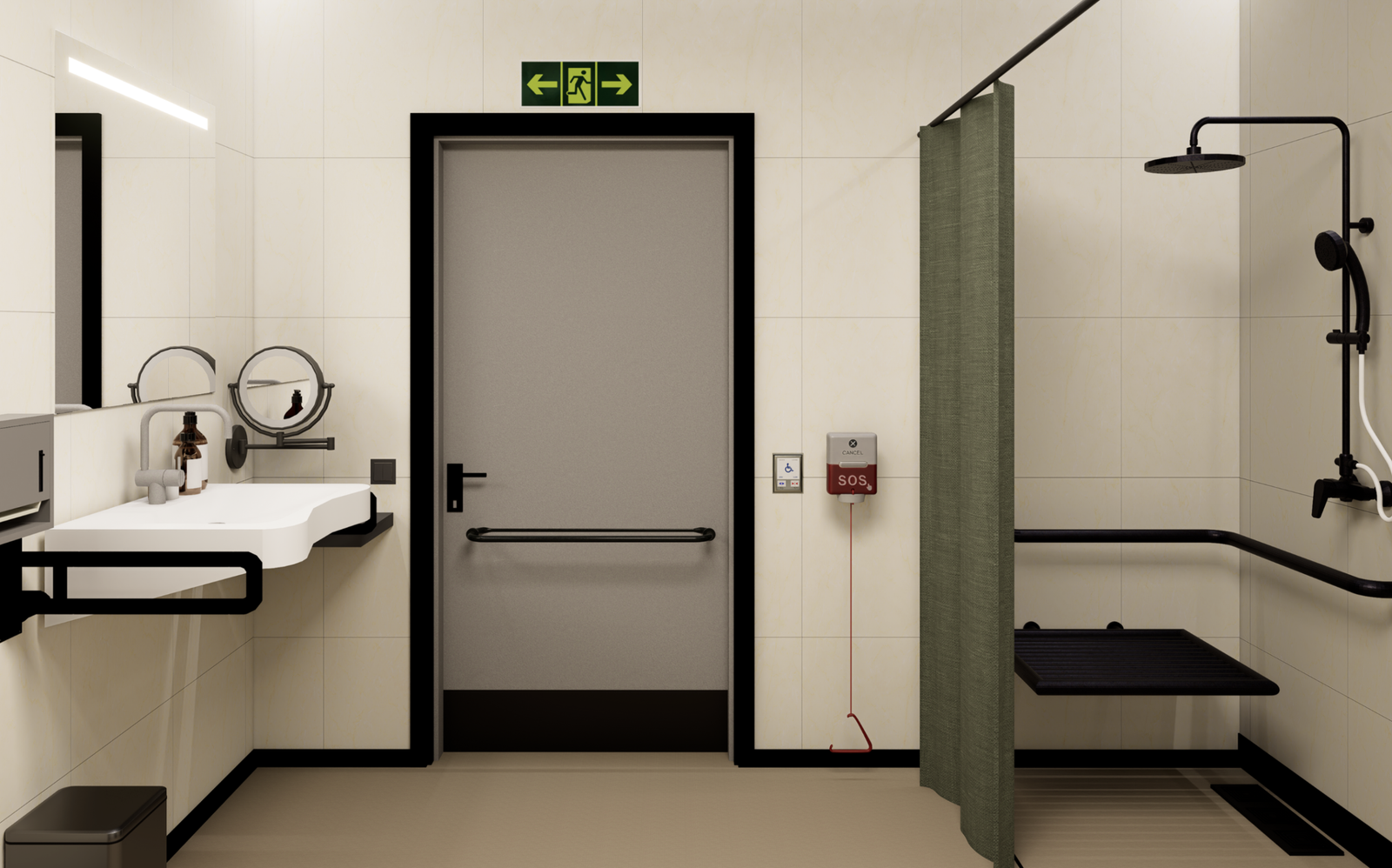
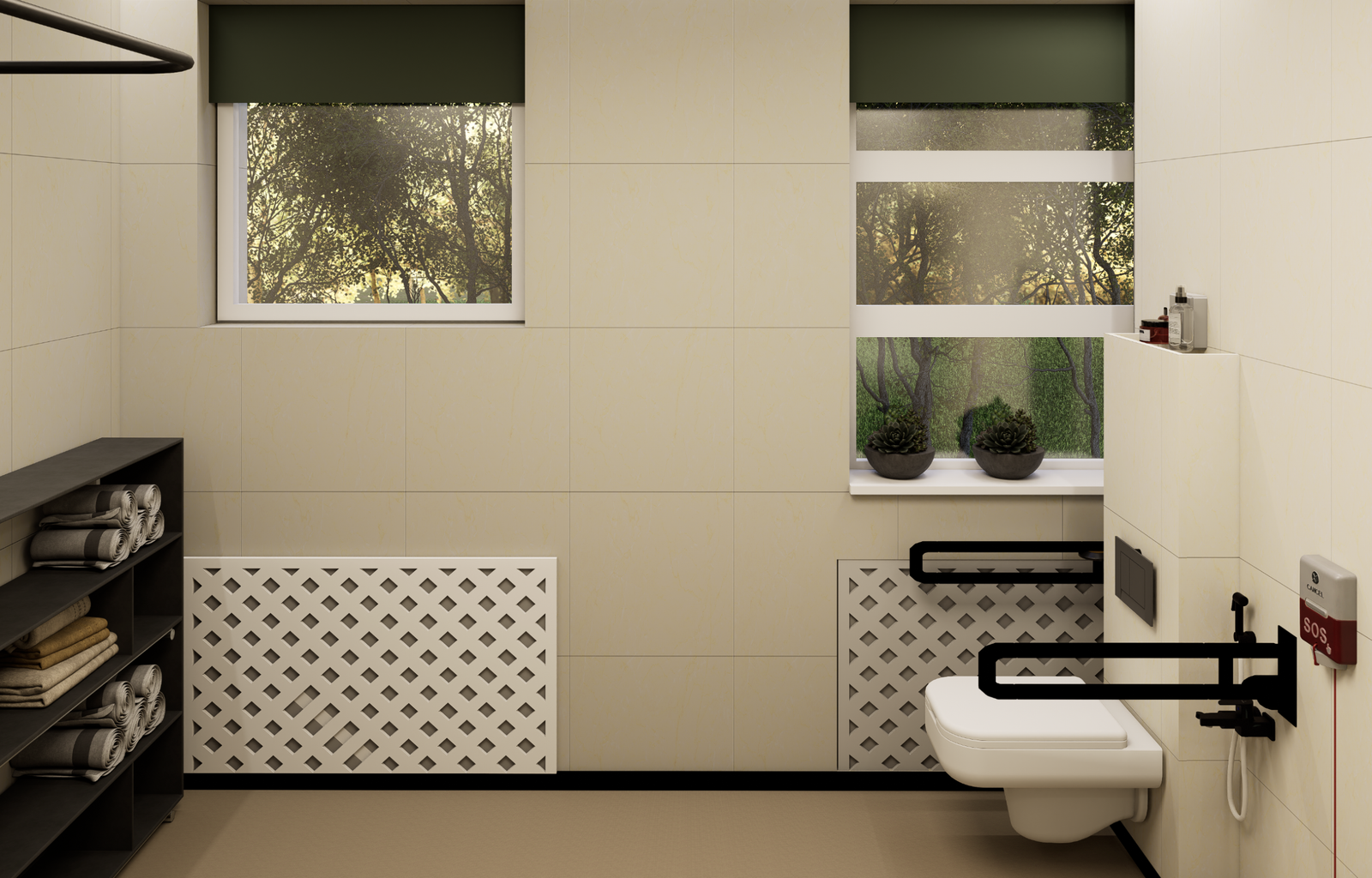
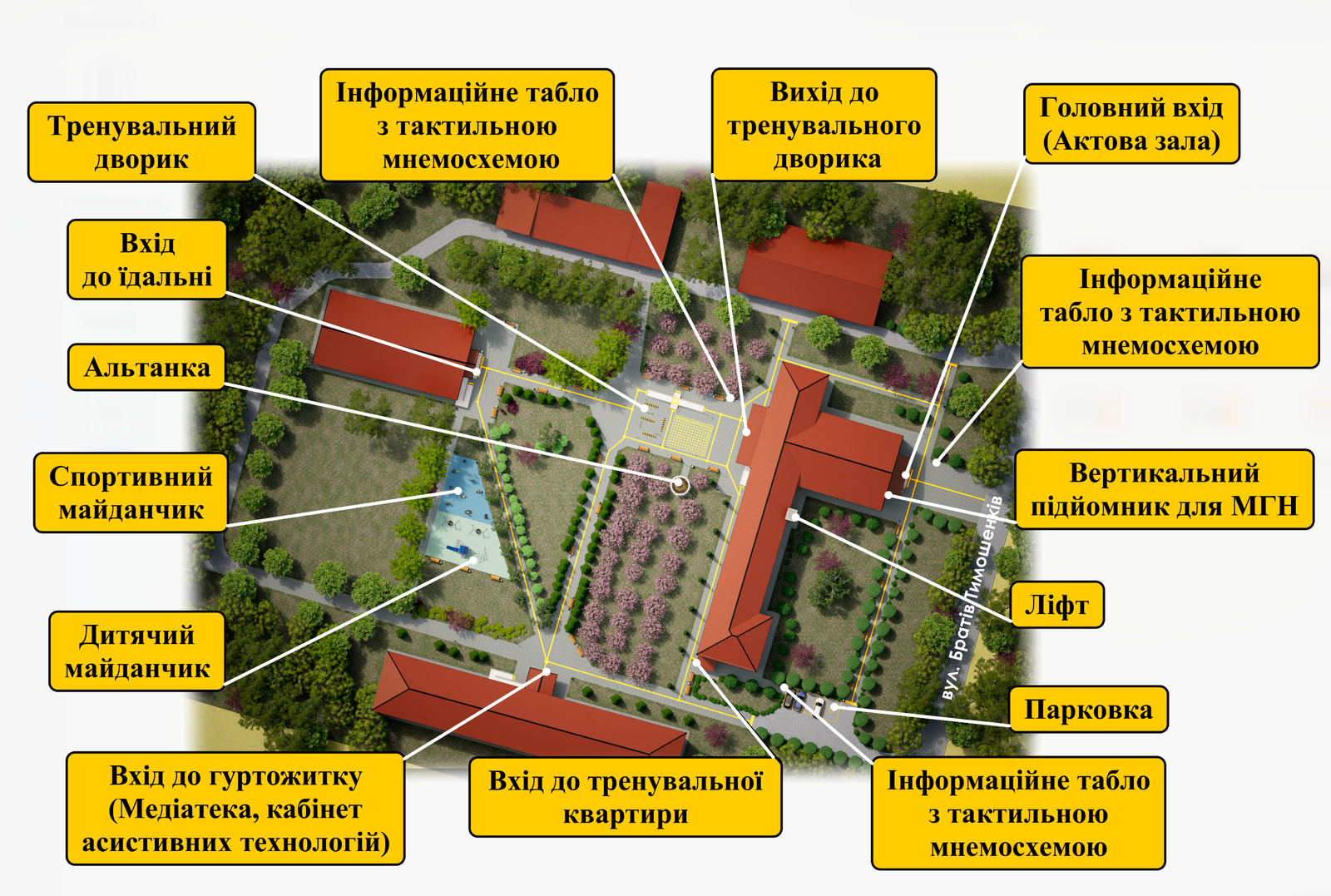
The Rehabilitation ecosystem
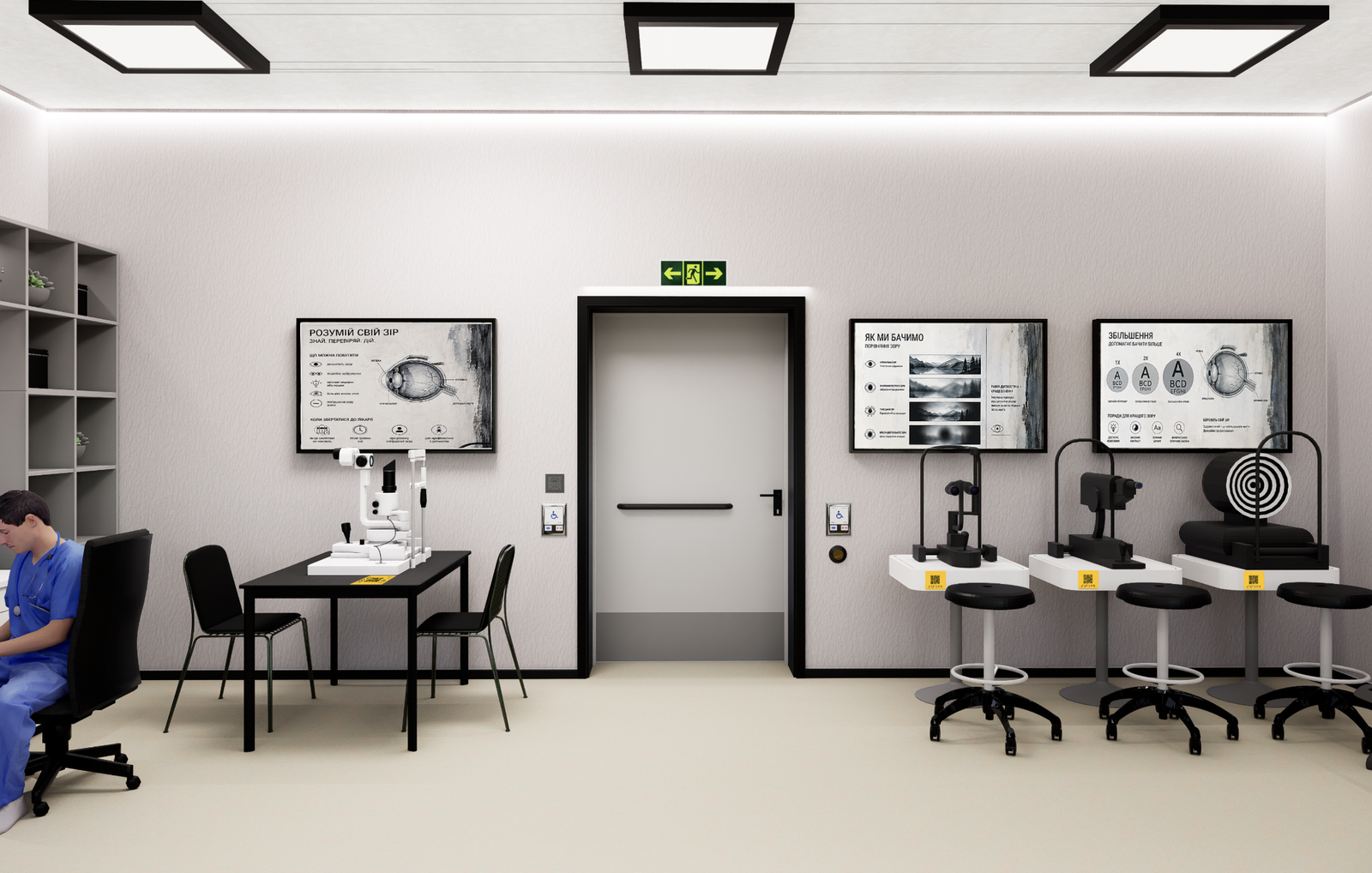
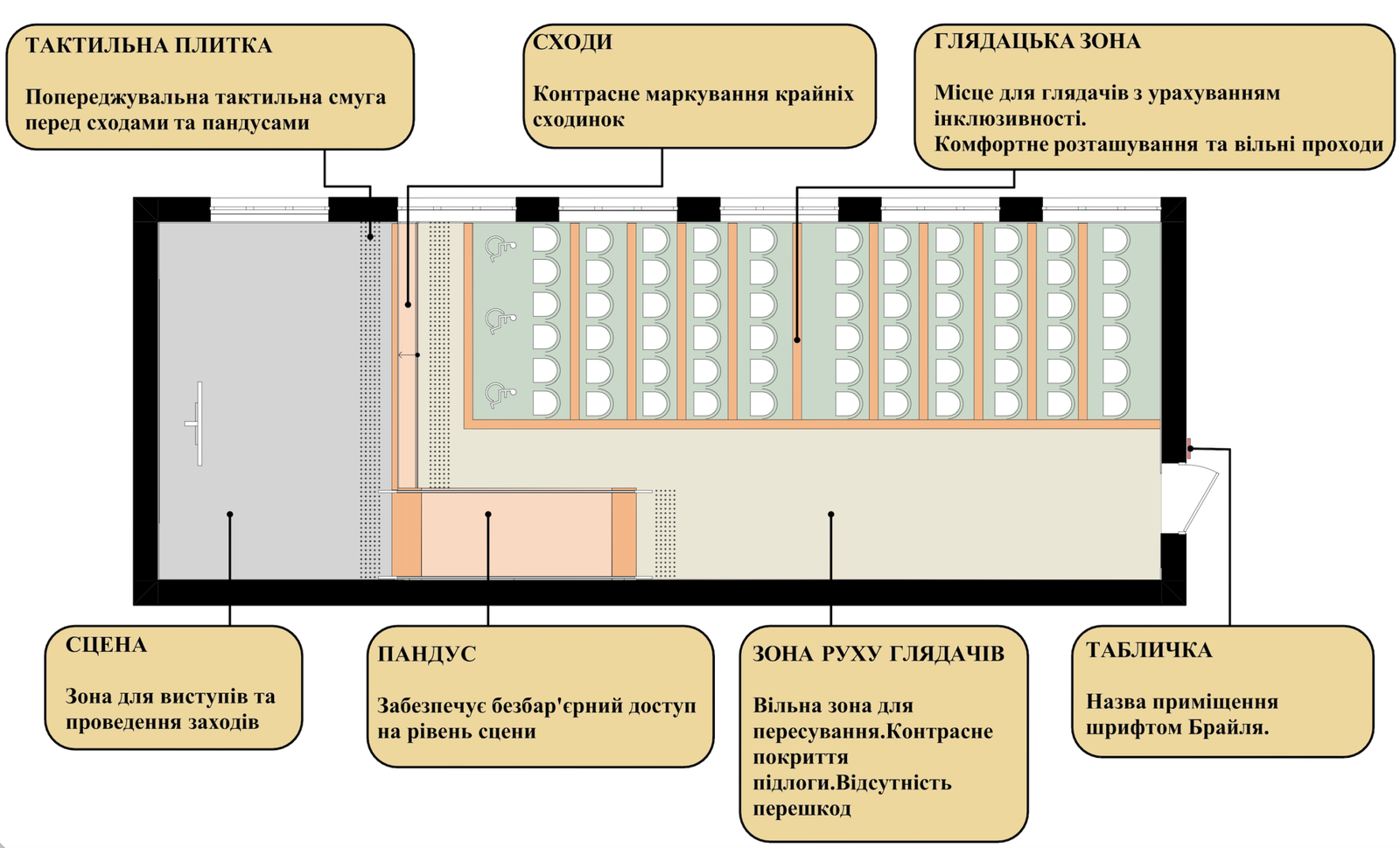
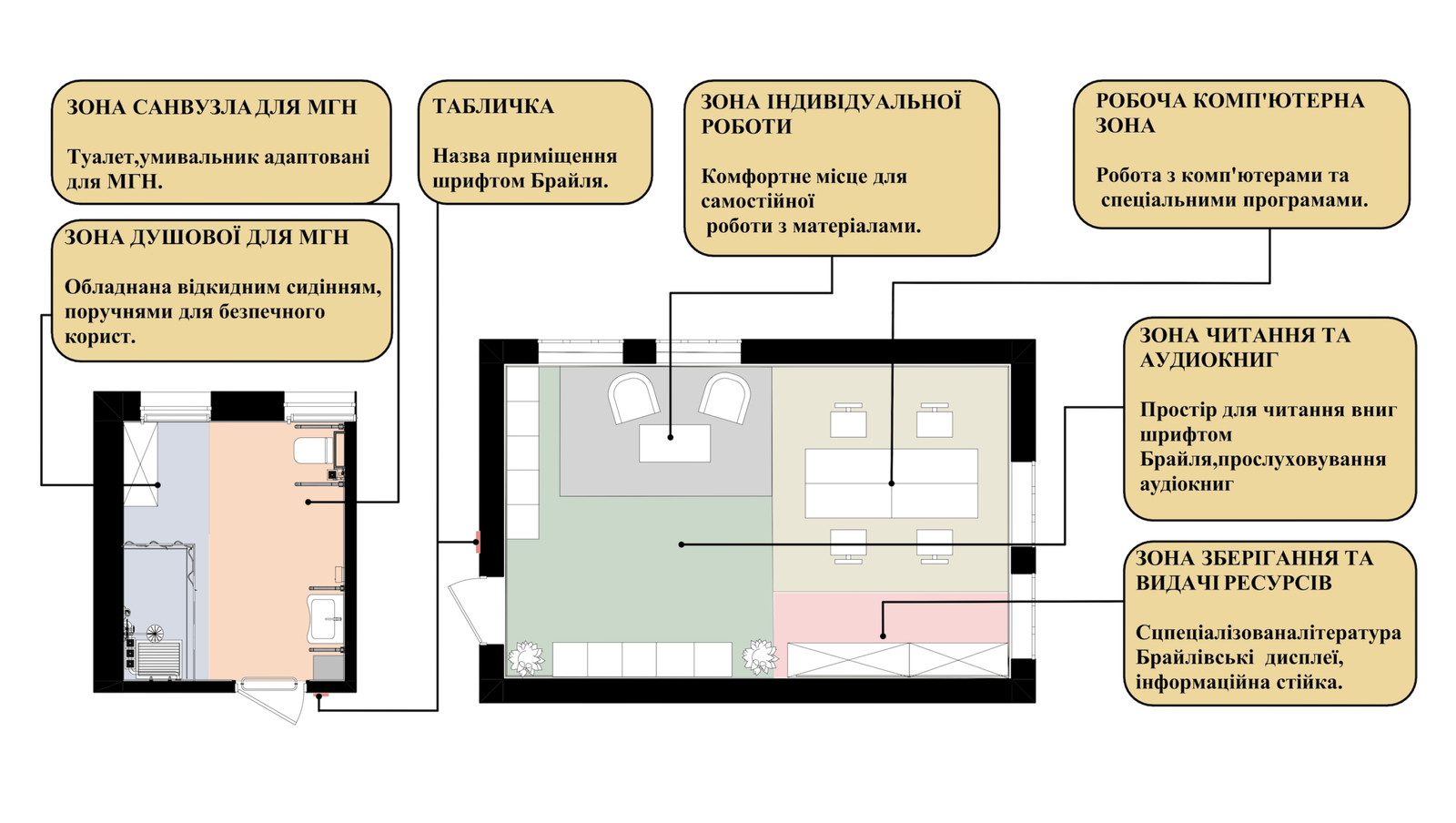
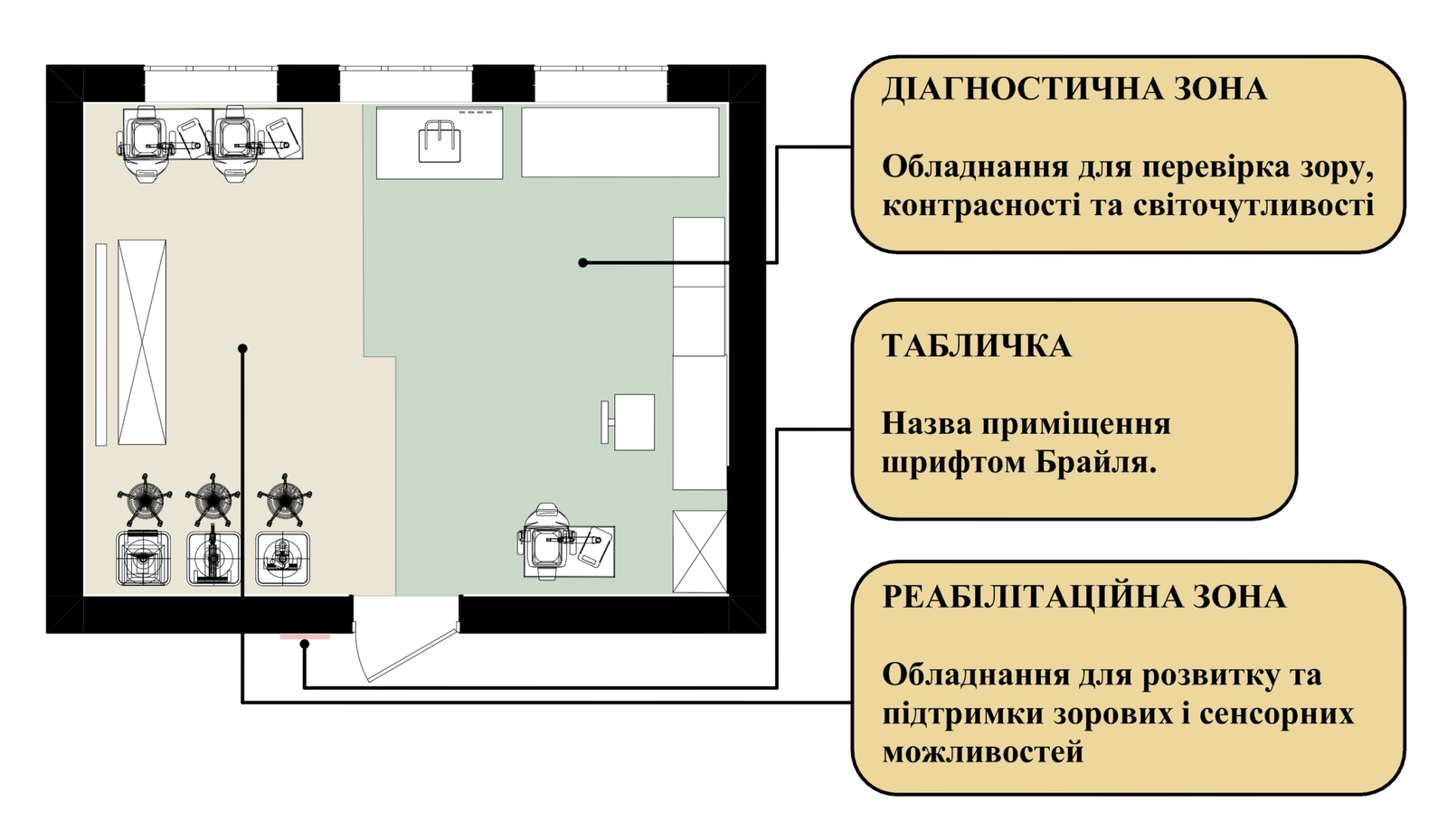
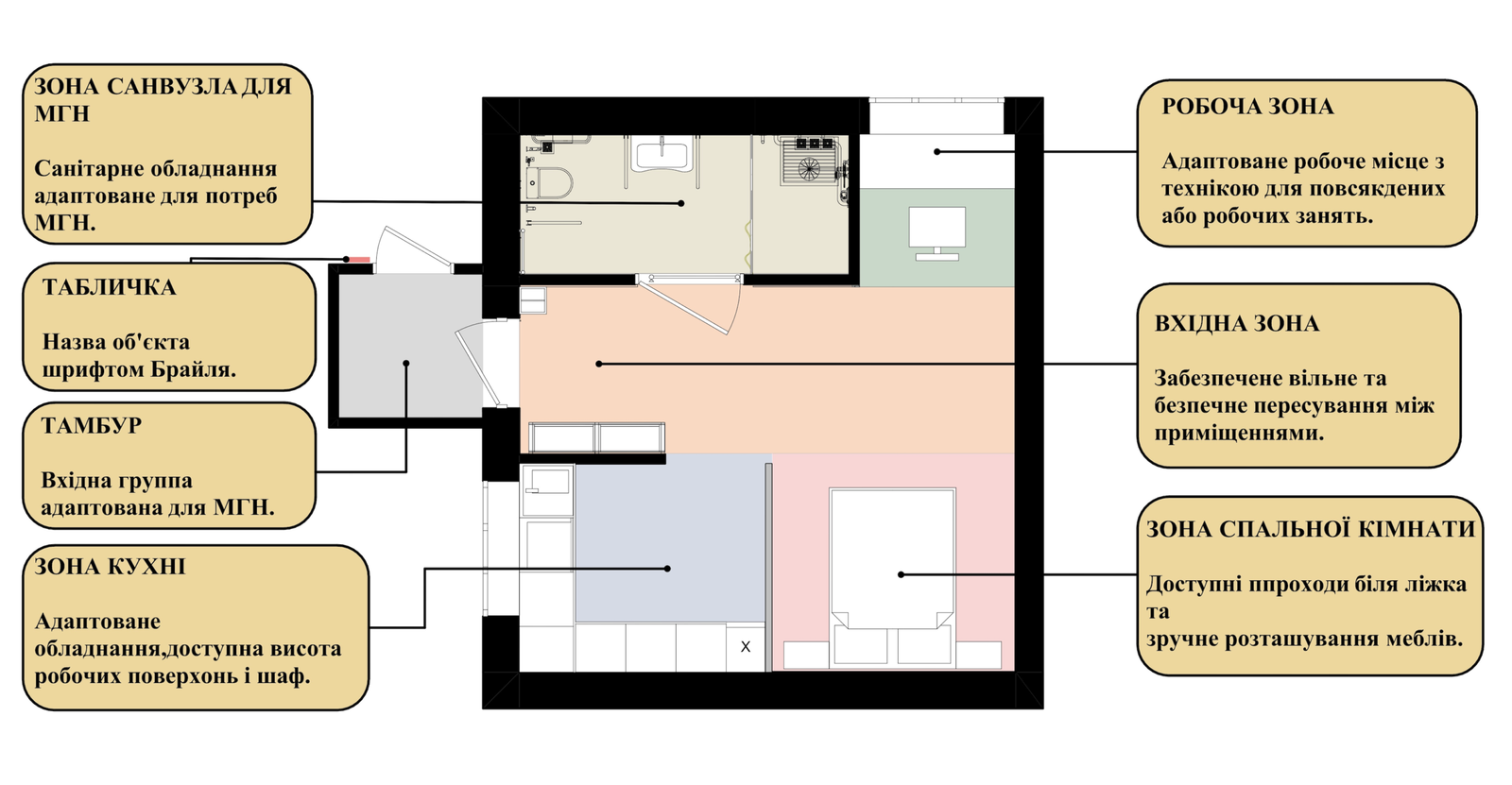
The project will create four interconnected areas designed to restore personal independence:
Projected impact
By restoring self-care abilities and enabling professional retraining, the Centre will help transform beneficiaries from recipients of social assistance into economically active and independent citizens — reducing long-term pressure on the state budget while restoring human dignity.
Investment required
Total estimated project cost: UAH 26,795,034
Key components of construction and installation works:
Light Through Touch is more than a construction project. It is an investment in human capital, resilience, and the right of every person affected by war to live with confidence and independence.We invite international partners and donors to join us in building this vital centre of hope and recovery in Sumy Region.
Together, we can help people Feel the world again — and live confidently in it.
Project sustainability
Long-term sustainability is built into the project design from the outset. The Centre will operate as an integrated extension of the existing Konotop Special School, leveraging its permanent staff, Ministry of Health medical license, established educational programmes, and regional institutional status. This ensures continuity of services beyond the initial capital investment.
Key sustainability measures include:
These elements create a resilient model that can continue delivering impact after donor funding for construction and equipment concludes, while remaining open to future partnerships for expansion or innovation.
Drawing on European best practices
The design of Light Through Touch is informed by proven models of visual rehabilitation developed in Northern Europe, particularly in Sweden, Finland and Denmark — countries widely recognised for high-quality, publicly funded, multi-disciplinary services for people with visual impairments.
Sweden operates a nationwide network of approximately 33 regional Low Vision Centres (Syncentraler). These centres provide nearly free, holistic services through multi-professional teams (optometrists, low-vision teachers, orientation & mobility instructors, occupational therapists and social counsellors). Emphasis is placed on early intervention, optical and electronic assistive devices, daily living skills and mobility training. Resource centres and specialised schools (such as Ekeskolan) support both specialised education and mainstream inclusion.
Finland maintains state-supported schools for the visually impaired (notably the Jyväskylä School for the Visually Impaired and the Swedish-speaking school in Helsinki) that function simultaneously as educational institutions and regional support centres. The Finnish Federation of the Visually Impaired delivers individual and group rehabilitation programmes covering mobility, Braille, assistive technology, daily living skills and psychosocial support, with a strong focus on enabling independent living and participation in education and work.
Denmark has developed the Danish Institute for Visual Impairment (IBOS), a national competence and rehabilitation centre with more than 150 years of experience. IBOS offers comprehensive assessment, counselling, specialised courses, rehabilitation and supported living arrangements through a multi-disciplinary staff of around 130 professionals. Services aim at equal access to education, employment and community life, working in close cooperation with municipalities.
Common strengths of these Nordic approaches include:
In the leading Nordic centres (Swedish Low Vision Centres / Syncentraler, Finnish specialised schools and rehabilitation services, and Denmark’s IBOS), rehabilitation is almost never delivered by a single specialist. Instead, a multi-disciplinary team works together around each client. This structure is one of the main reasons these systems achieve strong results.
Light Through Touch adapts these principles to the Ukrainian context — building on an existing specialised school and medical licence — to create a regional hub that combines medical correction, daily living training, information access and orientation skills in a coherent, person-centred ecosystem.
A well-functioning team usually includes the following core roles:
| Role | Main responsibilities |
| Ophthalmologist / Optometrist | Medical assessment of residual vision, diagnosis, prescription of optical aids, monitoring of eye condition |
| Low Vision Therapist / Low Vision Teacher | Training in the use of residual vision, magnification techniques, visual strategies for reading and daily tasks |
| Orientation & Mobility (O&M) Instructor | White cane techniques, indoor and outdoor mobility, spatial orientation, use of tactile maps and electronic travel aids |
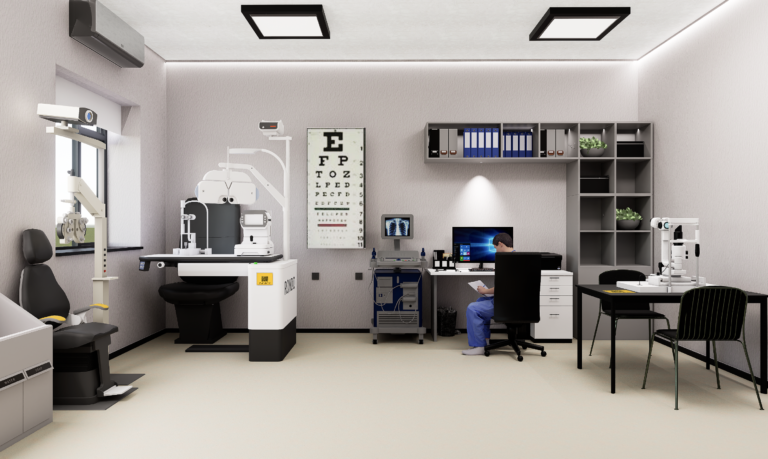
| Occupational Therapist | Daily living skills (cooking, personal care, household tasks, money management), home and workplace adaptations |
| Assistive Technology / IT Specialist | Training with screen readers, Braille displays, smartphones, OCR devices, smart glasses and other electronic aids |
| Social Worker / Counsellor | Psychosocial support, benefits and rights advice, family support, coordination with municipal services |
| Psychologist (often part-time or on referral) | Emotional adjustment to vision loss, coping strategies, support for trauma-related cases |
| Braille Specialist / Literacy Instructor | Teaching Braille (when appropriate) and alternative reading methods |
| Nurse / Medical support staff | Health monitoring, coordination with medical treatment (especially important when clients have additional health issues) |
In centres that also serve children or people with multiple disabilities (e.g. Ekeskolan in Sweden or IBOS MDVI programmes), the team may expand to include speech & language therapists, physiotherapists, special education teachers and behavioural specialists.
We plan that a multi-disciplinary team will work in practice at Light Through Touch Centre of Konotop Special School as follows:
Core team structure
Existing staff that can form the foundation:
Additional roles that should be developed or hired (priority order):
In the first years, some roles can be combined (for example, one person can cover both O&M and daily living skills training after specialised courses).
Planned team size in 2027–2028: 8–12 core specialists + support from the existing school staff.
How the process would work?
Step 1 – Intake and assessment (1–3 days)
Step 2 – Individual rehabilitation plan
The team meets and creates one clear plan with specific, measurable goals (example: “Move independently around the school and nearby streets with a white cane within 4 weeks” or “Prepare simple meals safely in the training apartment”).
One team member is appointed as case coordinator for that person.
Step 3 – Training phase
Two main formats can run in parallel:
Training is integrated into the school day and week:
B. For adult beneficiaries (veterans and civilians) – intensive modules
2–6 week intensive residential or day programmes
Daily schedule example:
Step 4 – Review and follow-up