Адреса:
7, Стецьківська вул., місто Суми, Сумська область, 40491, Україна
Адреса:
7, Стецьківська вул., місто Суми, Сумська область, 40491, Україна
Ideas shaping Ukraine’s future
Ideas shaping Ukraine’s future
One of the important aspects of the psychological consequences of war is the problem of adaptation of military personnel returning from the front to peaceful life. Combat veterans often encounter difficulties in returning to everyday social activity due to physical and psychological trauma.
War changes one’s perception of the world and forms new patterns of behavior that are often difficult to integrate and can cause conflicts in peaceful life. Problems such as aggression, isolation, and the inability to cope with emotions and memories of combat make the reintegration of veterans into civil society a difficult process. These problems necessitate the creation of a space for the rehabilitation and social integration of veterans. Successful rehabilitation requires the creation of comprehensive services, including psychological assistance, job search support, and social adaptation through participation in community or educational programs.
We should frame this project as a municipal Veteran Centre/Veteran Hub that will become the local coordination and service platform for veterans, their families, and the wider community. The key is to move from “a renovated building with services” to “a functioning local veteran-support system, with the building as its visible hub.”
We envisage the Centre as an accessible place for citizens, ideas, development and volunteering, designed to bring people together. It explicitly proposes a one-stop shop, comprehensive services, peer-to-peer support, psychological and legal assistance, social services, housing and employment assistance, entrepreneurship, retraining and a safe environment for communication.
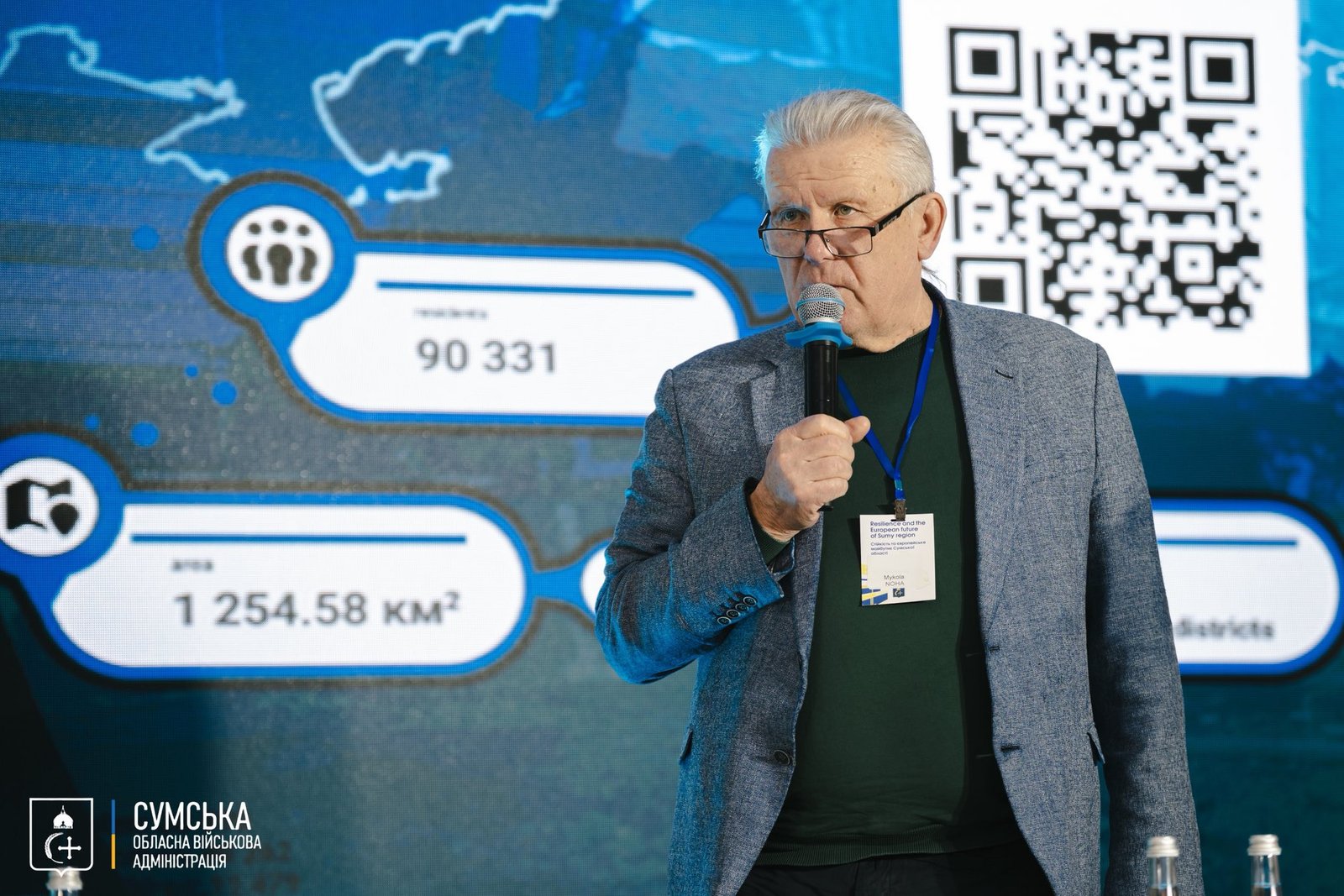
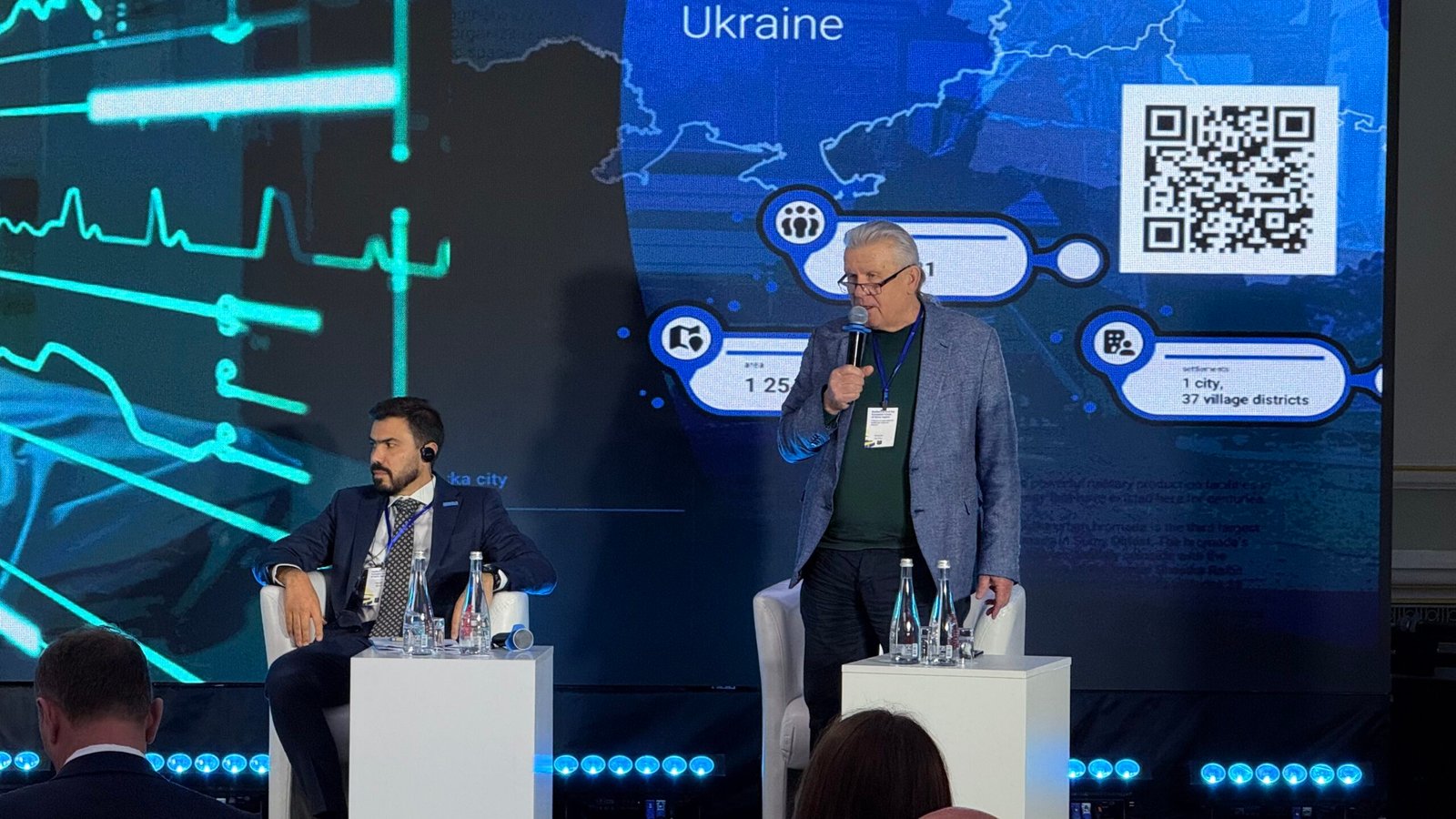
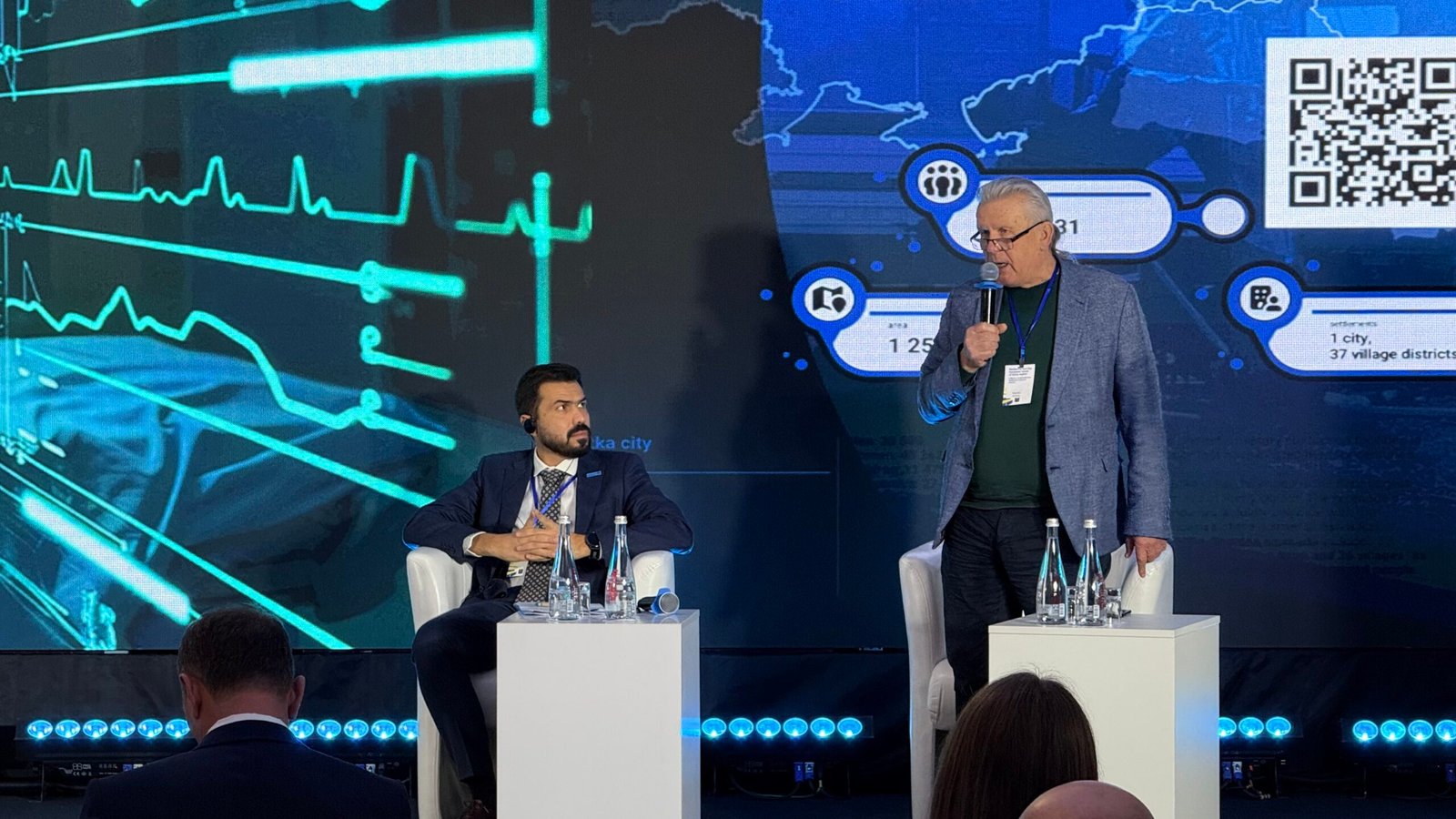
Shostka Veterans Centre — it’s a municipal one-stop HUB for the transition, wellbeing, social participation and economic reintegration of veterans, military personnel and their families, combining professional case management, specialized services, peer support and municipal development. This is important because Shostka city does not need another isolated service point. It already has elements of a veteran-support system: veteran-support specialists, social services, employment services, veteran organisations, psychological support and a developing veteran policy. The Centre should connect all these pieces.
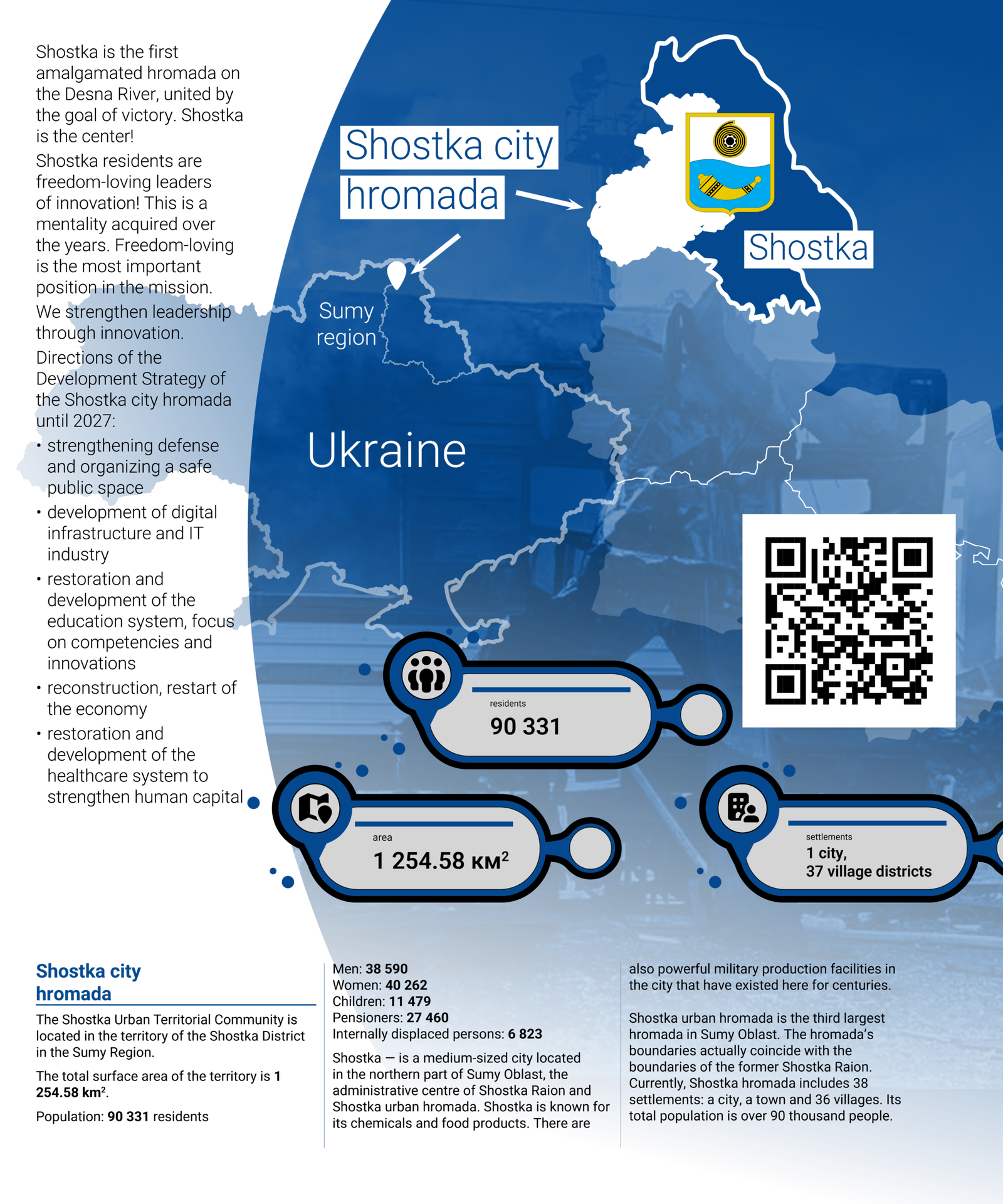
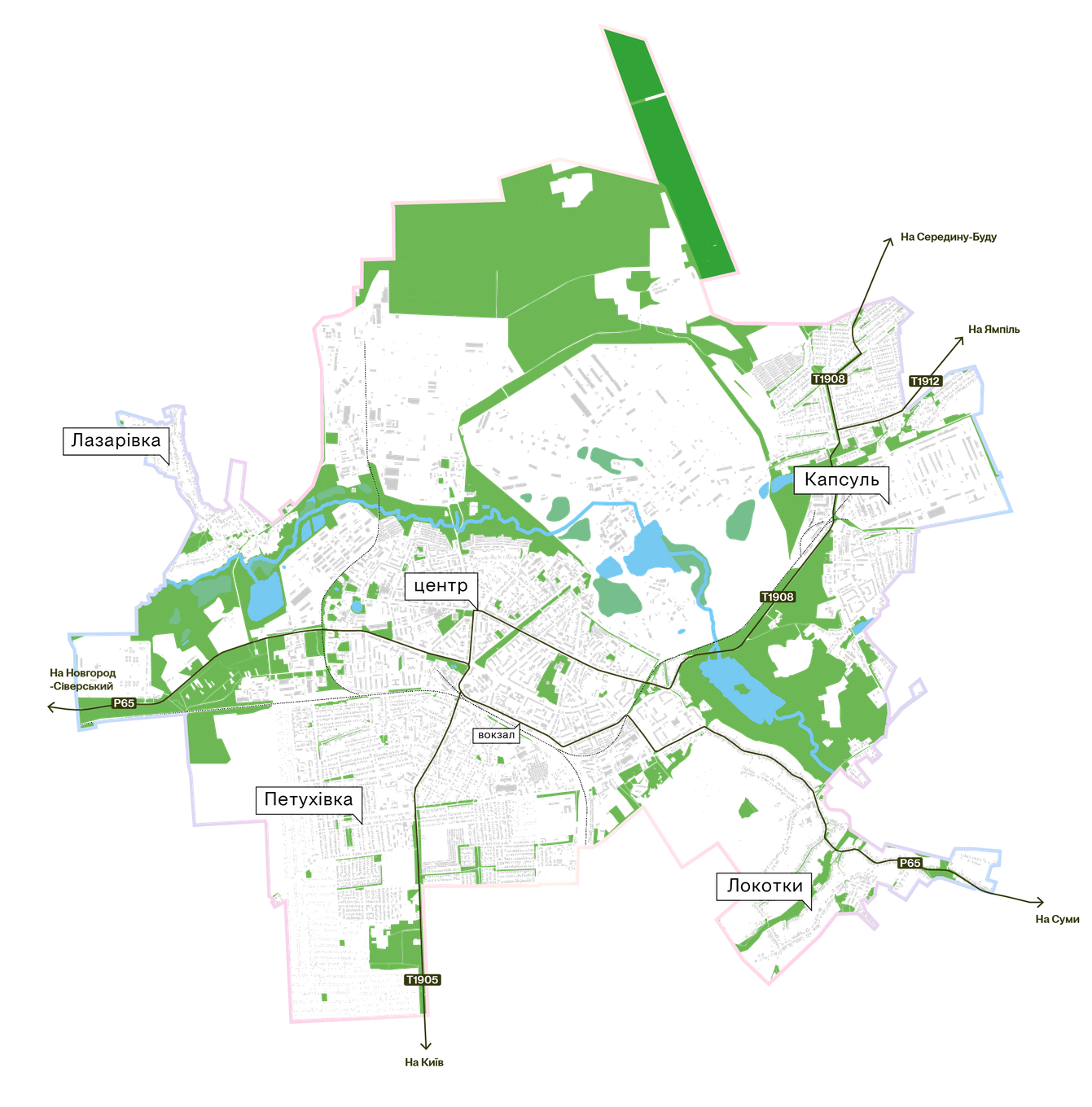
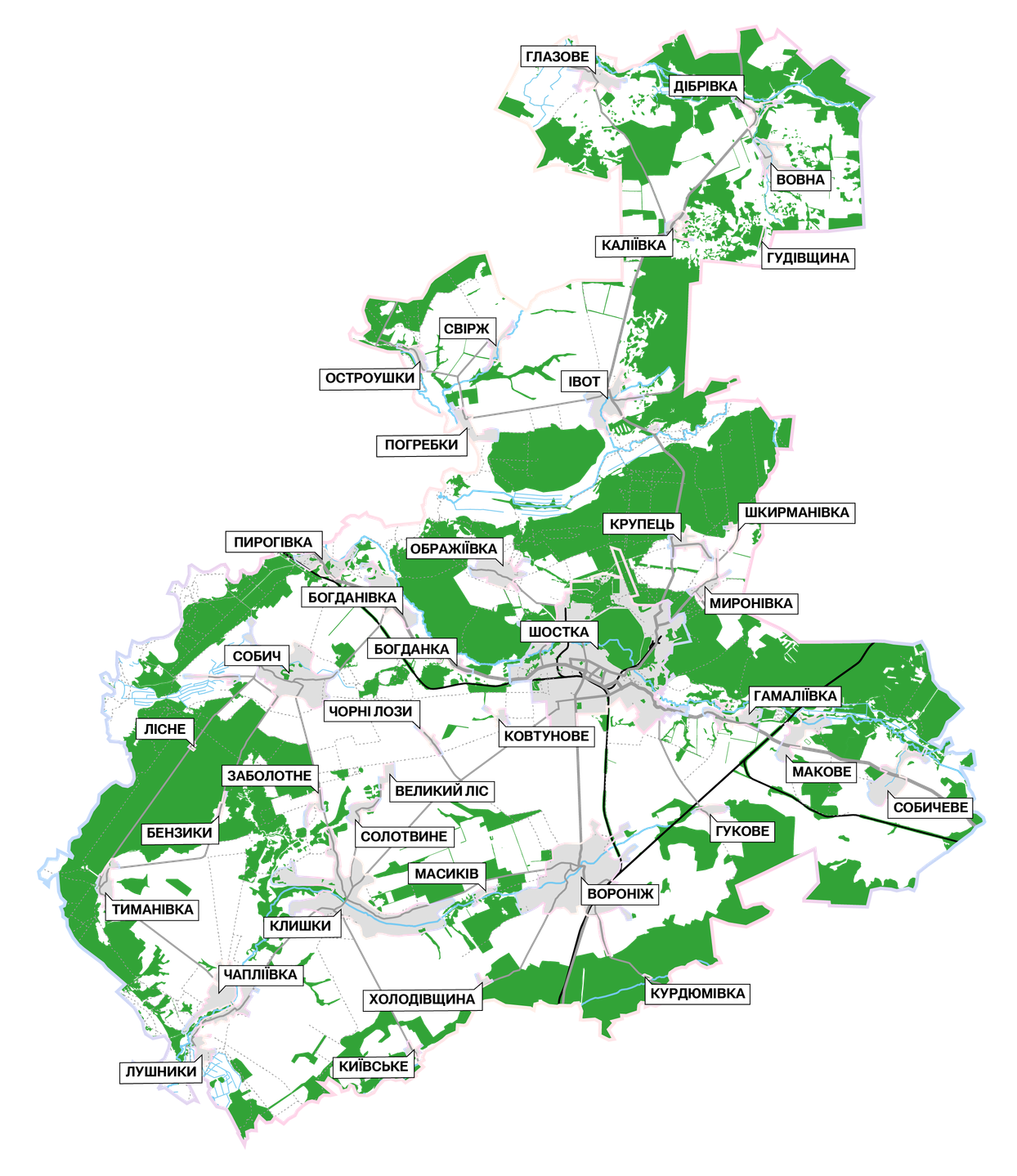
Shostka city hromada consists of 38 settlements and covers approximately 1,256 km². Shostka — is a medium-sized city located in the northern part of Sumy Oblast, the administrative centre of Shostka Raion and Shostka urban hromada. Shostka is known for its chemicals and food products. There are also powerful military production facilities in the city that have existed here for centuries. Shostka urban hromada is the third largest hromada in Sumy Oblast. The hromada’s boundaries actually coincide with the boundaries of the former Shostka Raion.
Currently, Shostka hromada includes 38 settlements: a city, a town and 36 villages. Its total population is over 90 thousand people.
Shostka municipality is provided monthly financial assistance to 114 minor children of servicemen who died defending Ukraine. This is an important indicator for designing the Centre. It means the Centre should not be designed around the individual veteran alone.
Its target population in future should be:
Veterans, including:
Currently serving military personnel, especially:
The Centre can therefore become a transition point before discharge, rather than waiting until a person becomes a veteran.
Families
This should be a major pillar, including:
The municipal programme already recognises family members as eligible for social/professional adaptation services.
Children
We plan make children a visible part of this Centre. Not because children should be treated as “clients of a veteran centre”, but because successful veteran reintegration is frequently a family process. The existing design already provides a dedicated children’s area. That gives you an opportunity to create:
City authorities structures the project around four circles of beneficiaries.
| Circle | Beneficiaries | Priority |
| 1. Core | Veterans, demobilised personnel, wounded veterans | Very high |
| 2. Family | Spouses, children, parents, caregivers, families of fallen/missing | Very high |
| 3. Transition | Serving military preparing for discharge and their families | High |
| 4. Community | Employers, NGOs, volunteers, youth, professionals, wider residents | Strategic |
This is better than defining the Centre simply as “for veterans”. Centre should become a place for the community and an attractive space for bringing people together.
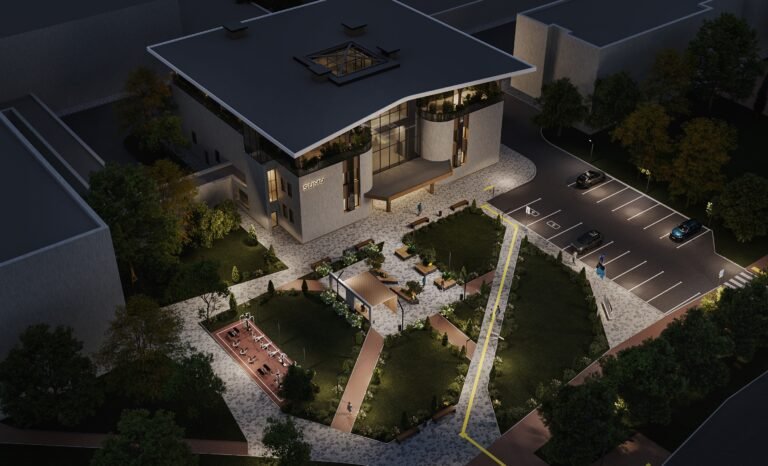
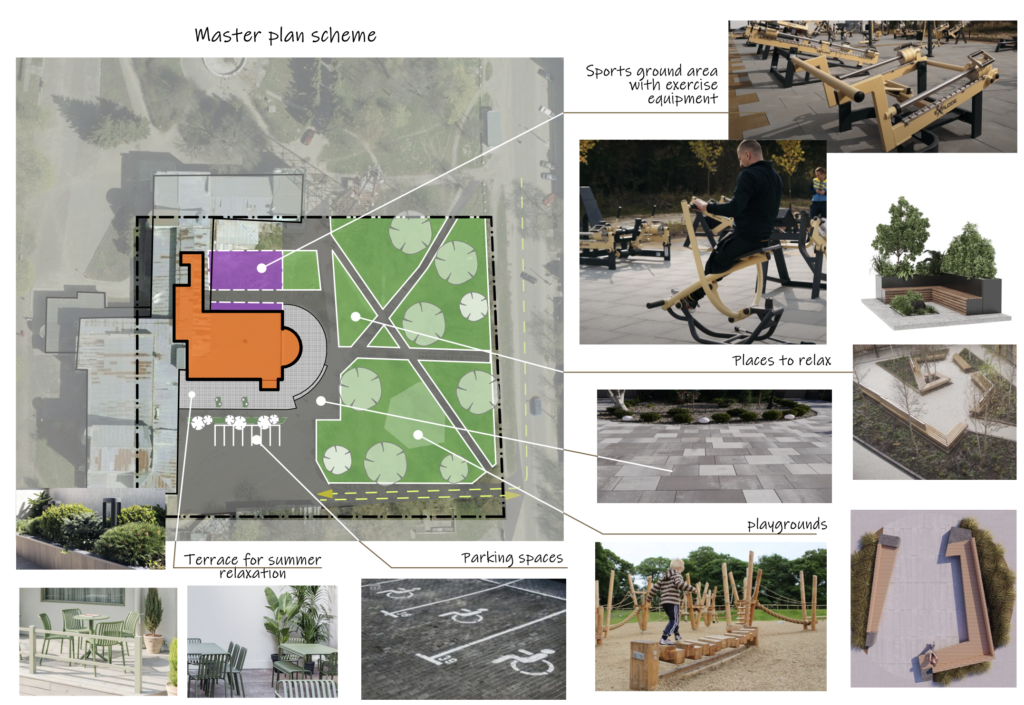
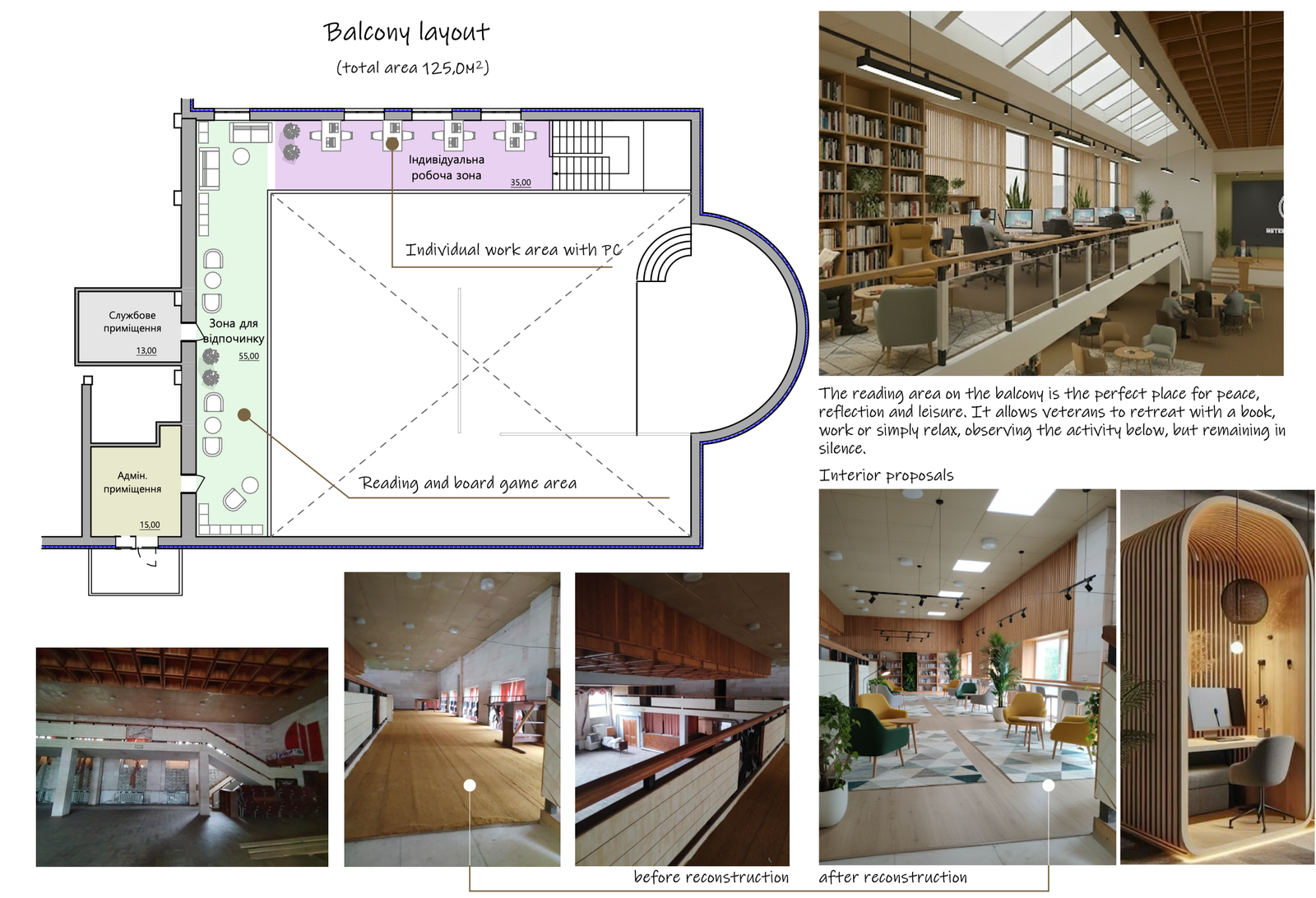
The architectural concept gives approximately:
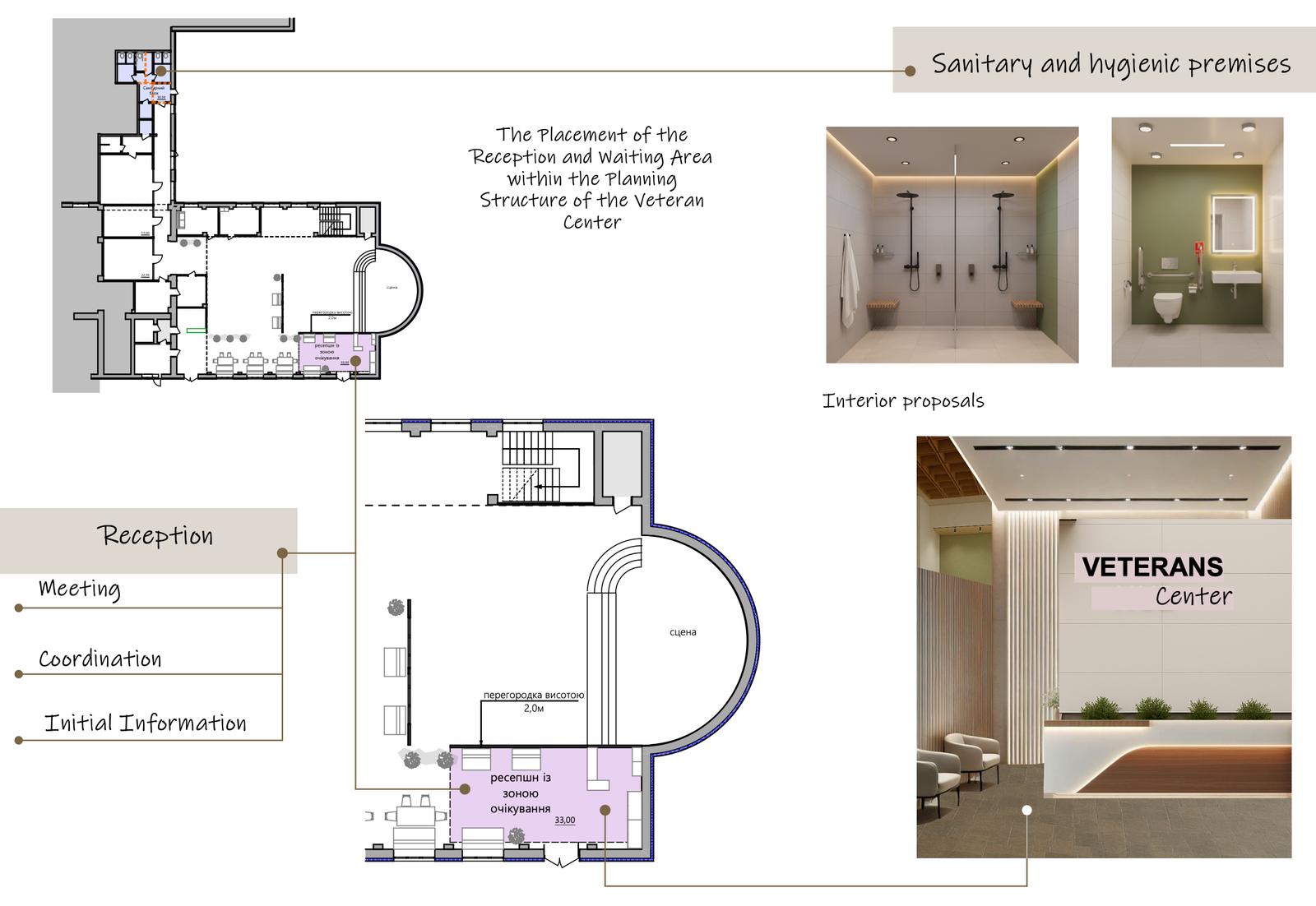
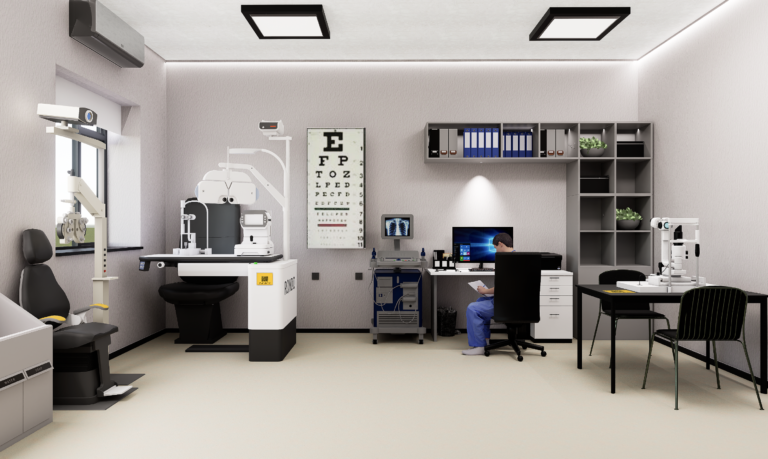
The functional zoning is particularly useful. It already contains:
Reception / orientation
The first point of contact.
The design explicitly provides separate consultation rooms and professional offices.
Group / psychotherapy room
This allows:
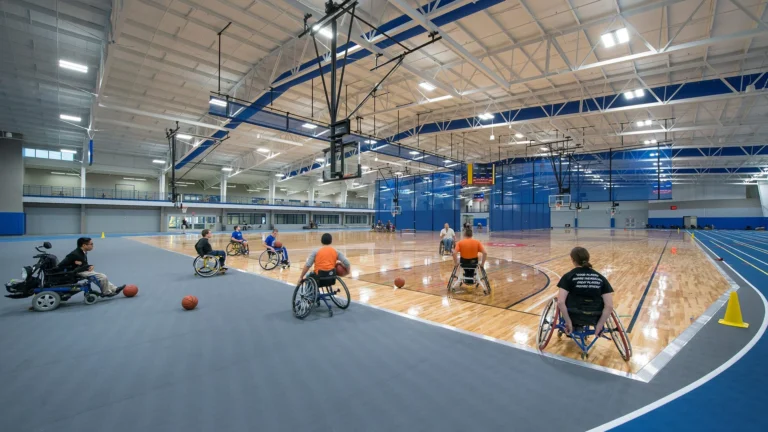
The concept includes a small gym/yoga/rehabilitation space, changing room and shower.
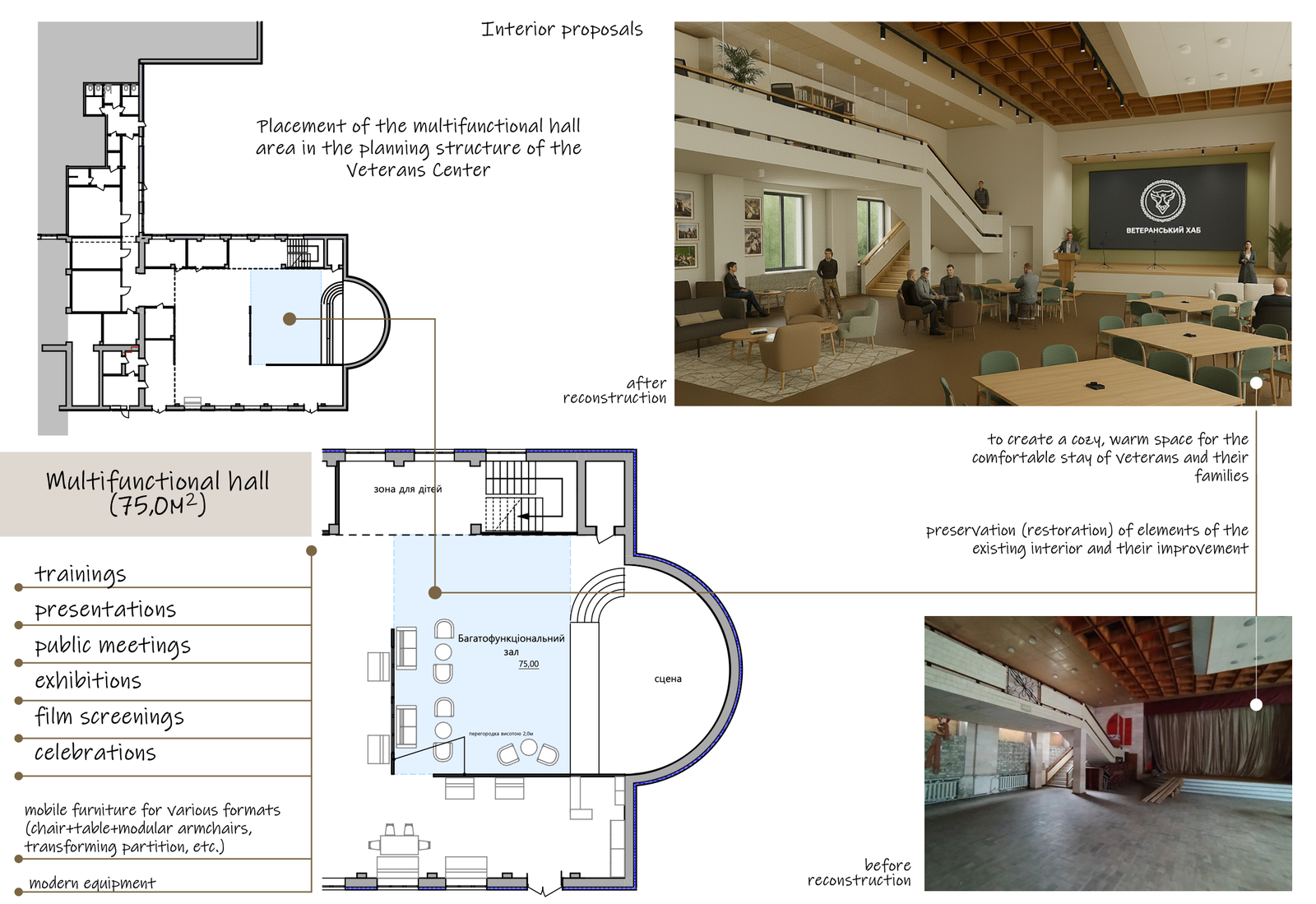
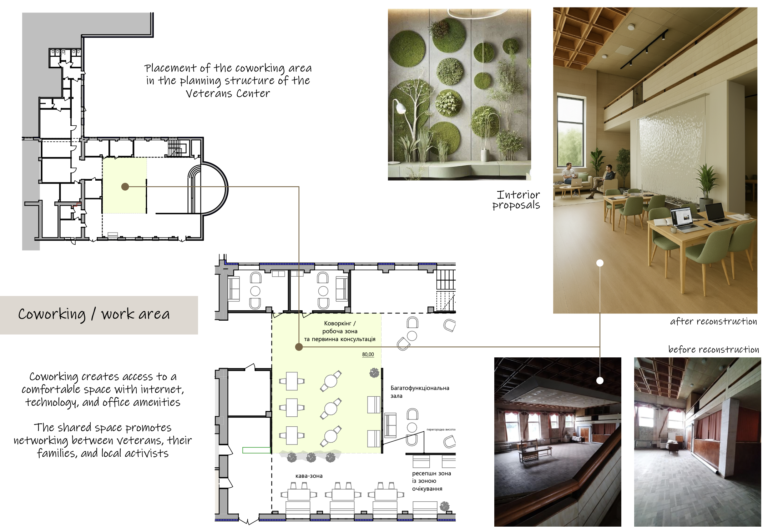
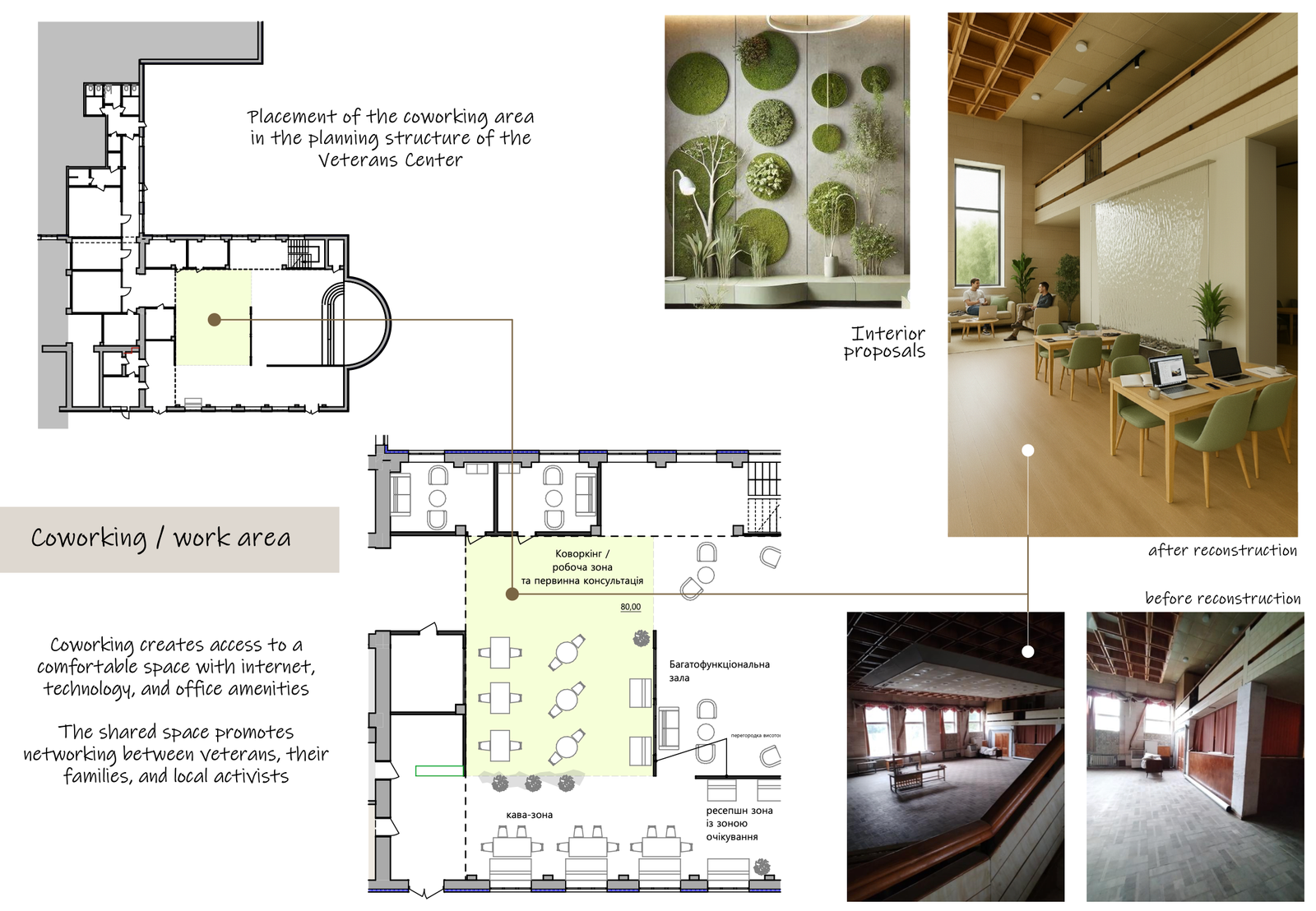
This is potentially one of the most important components. The project explicitly sees coworking as a space for veterans, families and activists to network.
Approximately 75 m², designed for:
Very important for making the Centre genuinely family-friendly.
This should not be underestimated. A good veteran hub needs a non-clinical social space where someone can simply come in, drink coffee and talk to another veteran.
Direct annual users
Centre could reasonably aim for 1,000–1,500 unique veterans’/family beneficiaries per year rather than trying to serve all 5,000+ people intensively.
And Intensive case management, perhaps 300–500 active complex cases per year.
Consultations
Potentially several thousand contacts/year because one person may have:
These are planning estimates, not statistics. They should be validated through a local needs assessment later.

We see Shostka Veterans Centre like a “laboratory” for veteran policy in city hromada.
It could collect information about:
And then use this data to improve overall Shostka municipal social and veteran policy. And after 2–3 years, Shostka could become a Regional Veteran Support Training Hub on following topics: case management, veteran transition, family support, peer support, veteran entrepreneurship, outreach to rural veterans, etc.