Адреса:
7, Стецьківська вул., місто Суми, Сумська область, 40491, Україна
Адреса:
7, Стецьківська вул., місто Суми, Сумська область, 40491, Україна
Ideas shaping Ukraine’s future
Ideas shaping Ukraine’s future
The Non-Profit Enterprise of the Sumy Regional Council “Regional Clinical Specialized Hospital” is a unique medical institution in North-Eastern Ukraine. It combines a 200-year history, deep traditions of psychiatric care, the status of an architectural monument, and the scale of a modern medical hub. As the largest specialized psychiatric facility in the Sumy oblast, it provides care to residents of both the Sumy oblast and neighboring areas.
The institution includes a main hospital with 400 beds located in Romny, and two 80-bed subdivisions in Sumy and Okhtyrka. Essentially, the hospital has expanded beyond a single city and transformed into a powerful interregional association. The hospital is conveniently located in the center of Romny, occupying a sparsely built-up 5-hectare territory surrounded by green space.
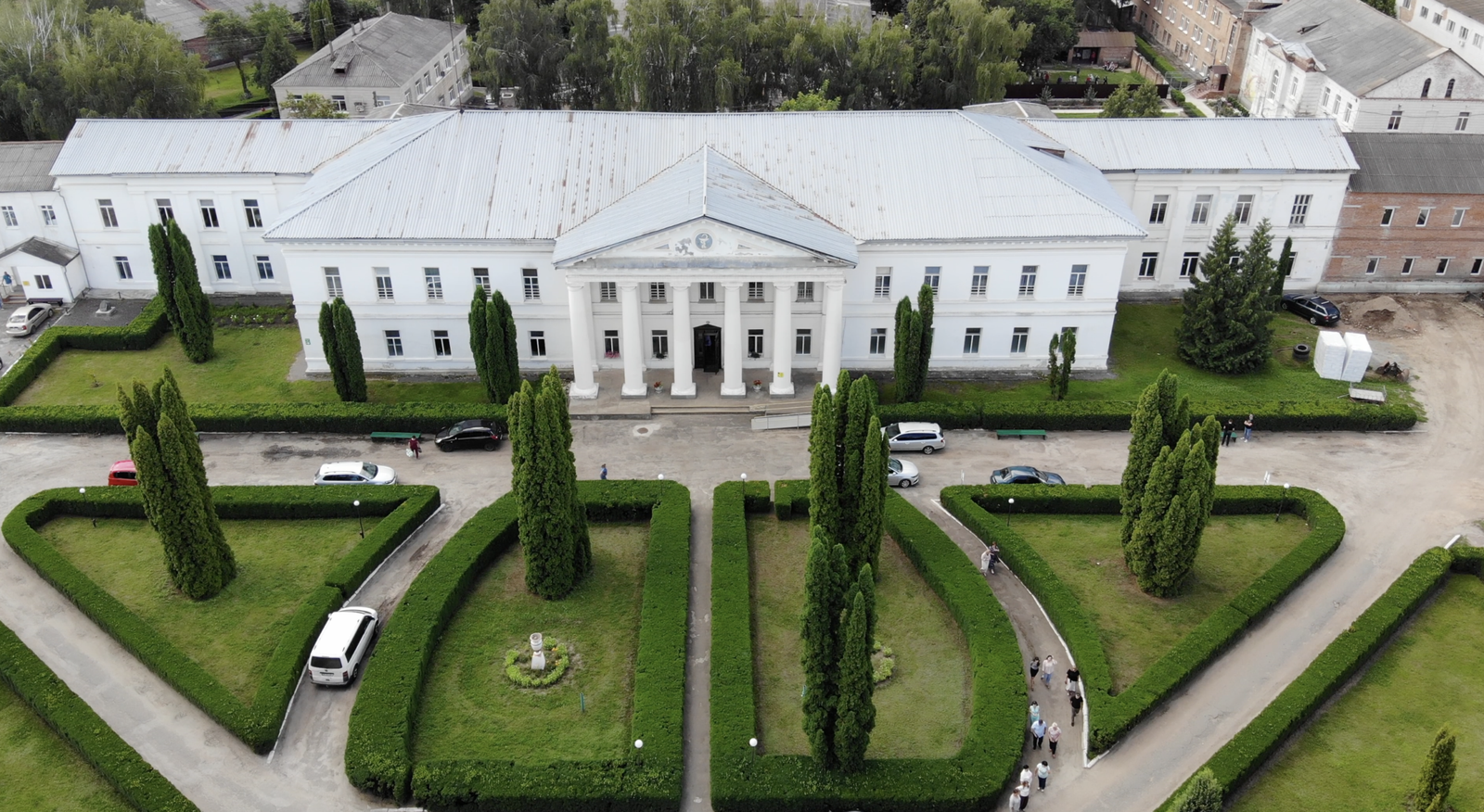
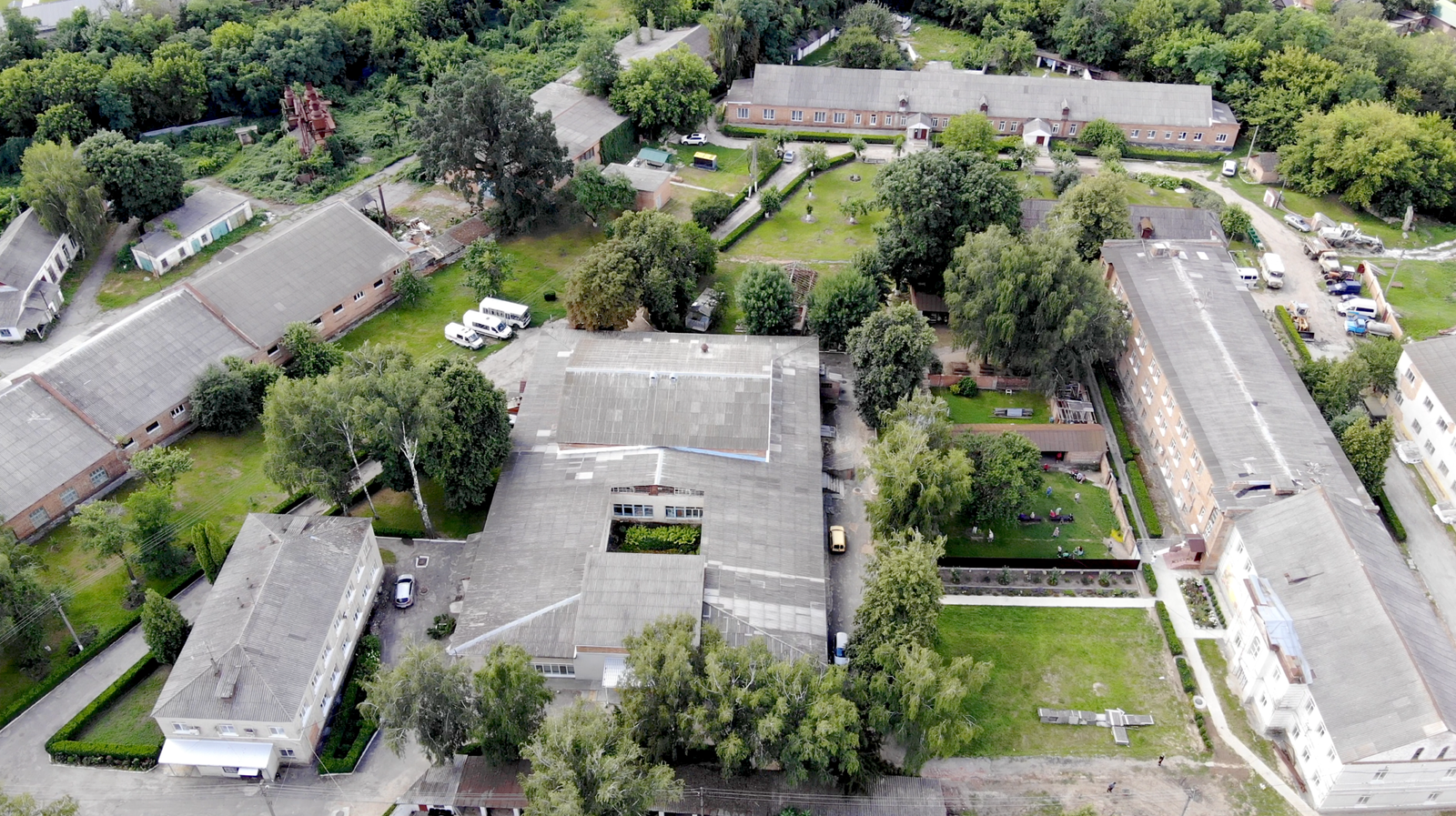
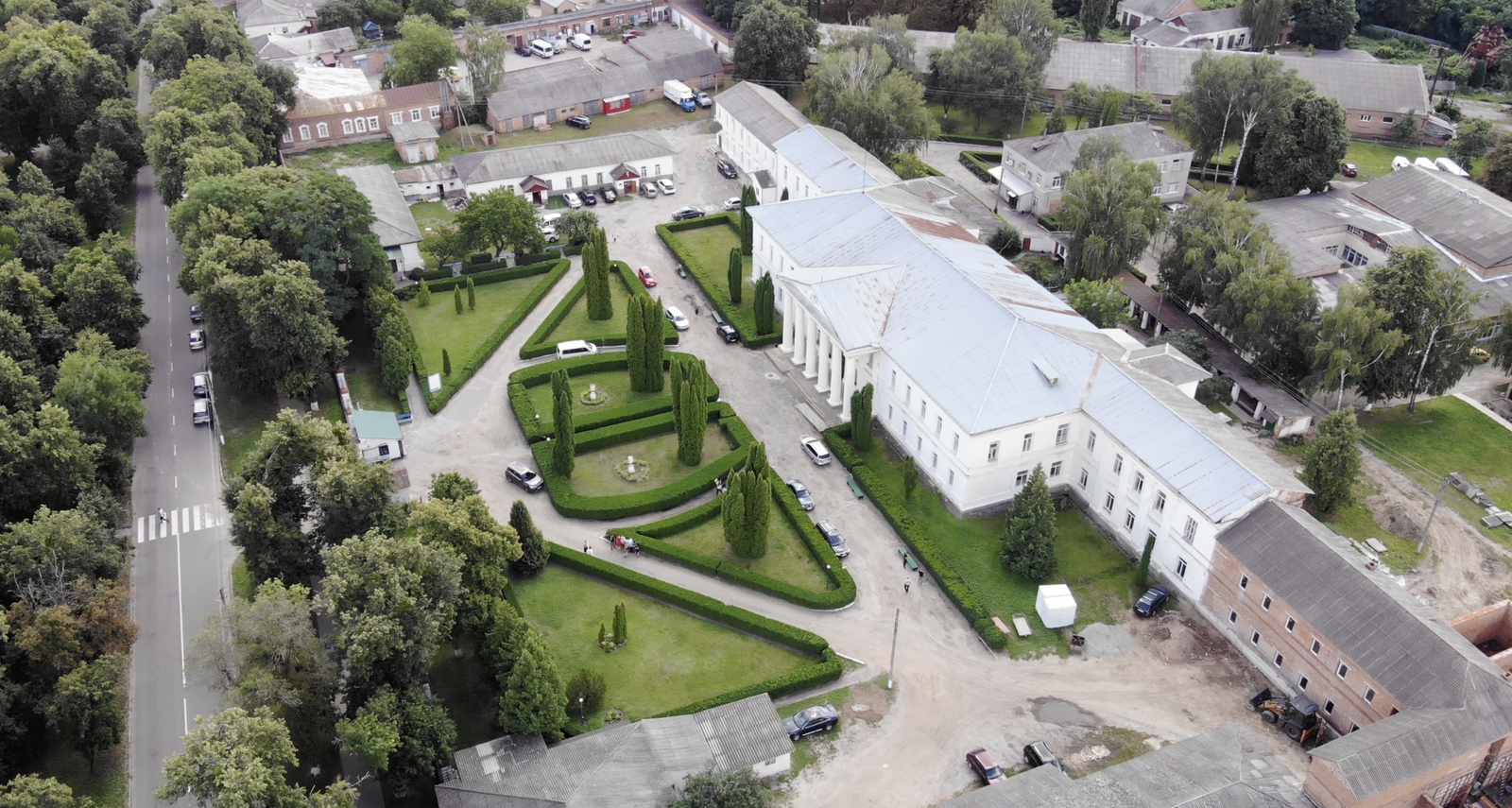
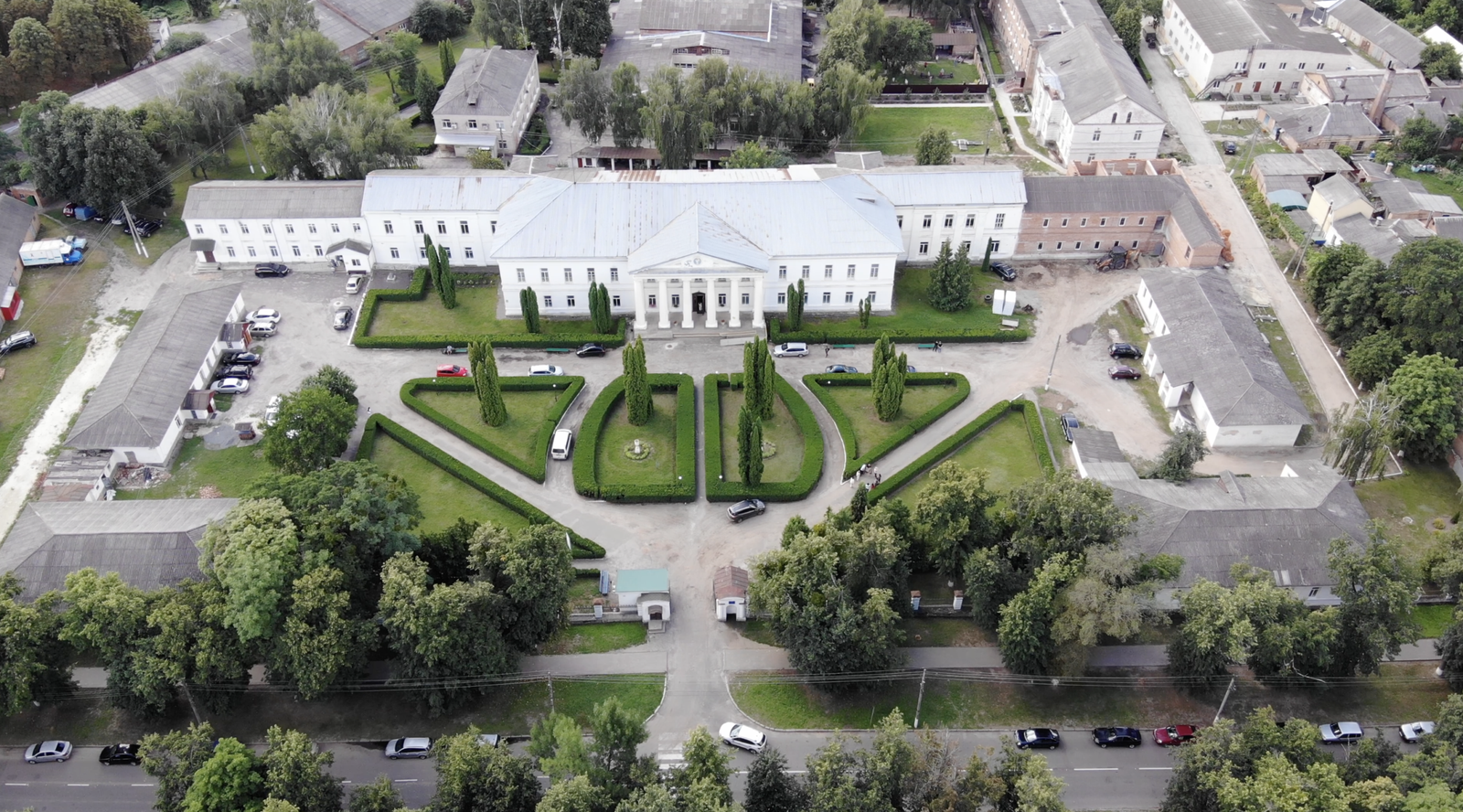
Despite its specific psychiatric profile, Regional Clinical Specialized Hospital operates using a modern multidisciplinary approach. In addition to basic treatment for mental disorders, the facility features specialized clinical departments unique to the region:
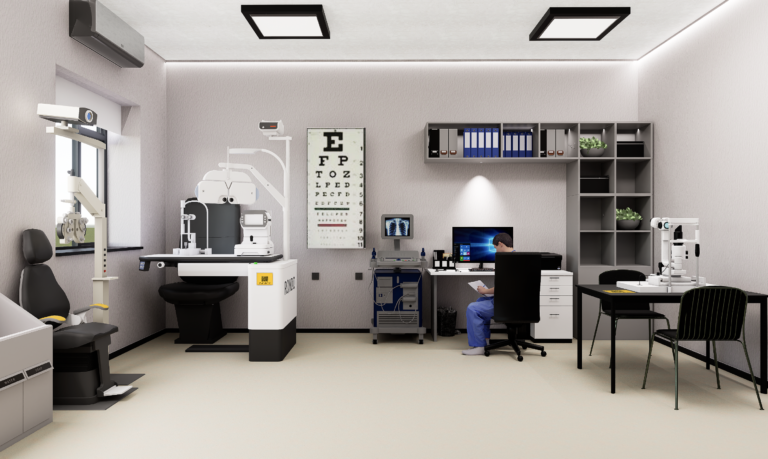
In addition to inpatient wards, the hospital operates a Mental Health Center equipped with a mobile multidisciplinary team, an outpatient consultative ward, an in-house clinical laboratory, diagnostic rooms for ultrasound, X-ray, physical therapy, and therapeutic massage, as well as dedicated dental and surgical services for patients.
The hospital’s personnel capacity enables the delivery of high-quality psychiatric care and the planning of future development in new areas of psychosocial support. Currently, our staff includes 50 psychiatrists, 11 clinical psychologists, 2 psychotherapists, occupational therapists, a physical therapist, and a social work specialist.
Throughout 2026, with the support of the Ministry of Health of Ukraine and the Sumy Regional Military Administration, the hospital has been implementing an investment project: “Reconstruction of part of the ground-floor premises (extension of the main building) with the completion of the ward building (unfinished construction) into a treatment and rehabilitation ward“. This project envisions opening a new, modern 32-bed ward dedicated to the medical and psychological rehabilitation of veterans, former prisoners of war, and patients with war trauma.
Over the past 5 years, the rate of mental disorders in Ukraine has more than tripled. According to WHO estimates, roughly 10 million Ukrainians are at risk of developing some form of mental disorder—ranging from moderate anxiety to severe post-traumatic stress disorder (PTSD). Improving psychosocial support and delivering high-quality psychiatric services today is not just a matter of comfort; it is the foundation of national security and the long-term survival of the nation.
During the first 8 months of 2026, 6,387 patients were treated in the hospital’s inpatient departments. For comparison, during the same period in 2021, the hospital treated 4,830 patients. Furthermore, there has been a significant shift in the demographic structure of our patients. In 2025, the hospital treated 3.2 times as many veterans as in 2023 (2,565 individuals compared to 807). This rapid surge in patient volume demands an immediate step beyond traditional medical protocols.
Since 2022, the hospital has introduced new approaches to treating veterans, former prisoners of war, and individuals with war trauma. The care pathway for these patients requires round-the-clock observation, medical treatment, and a shift in our clinical focus. Consequently, our professional team has become highly patient-centered. Rather than relying solely on diagnostic evaluation and pharmacotherapy, we employ comprehensive interventions for mental disorders, impairments, and conditions that integrate psychotherapeutic and psychosocial components. For instance, we organize opportunities for physical exercise and sports, recreational outings, and structured group psychotherapy sessions (including art therapy and animal-assisted therapy).
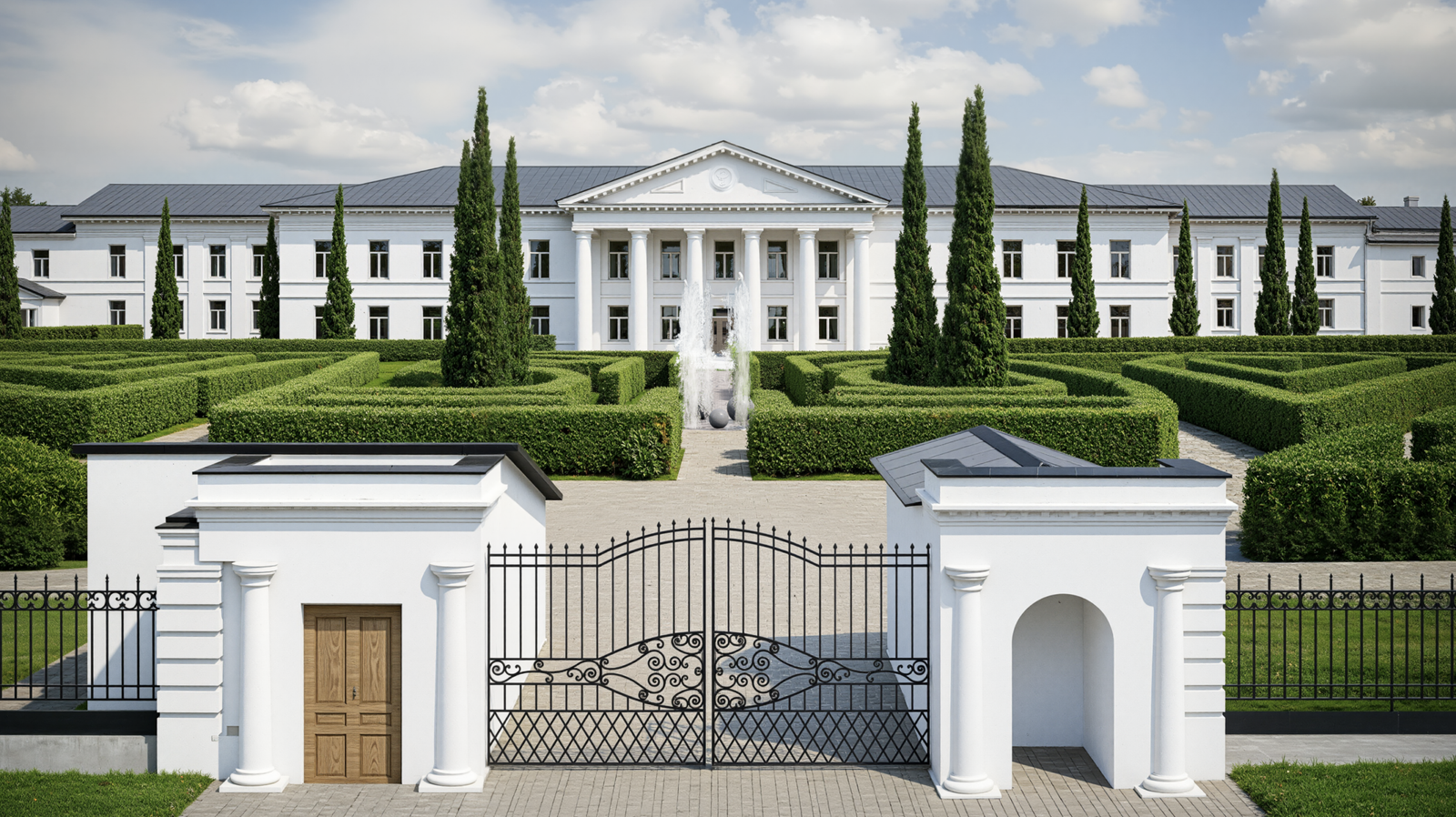
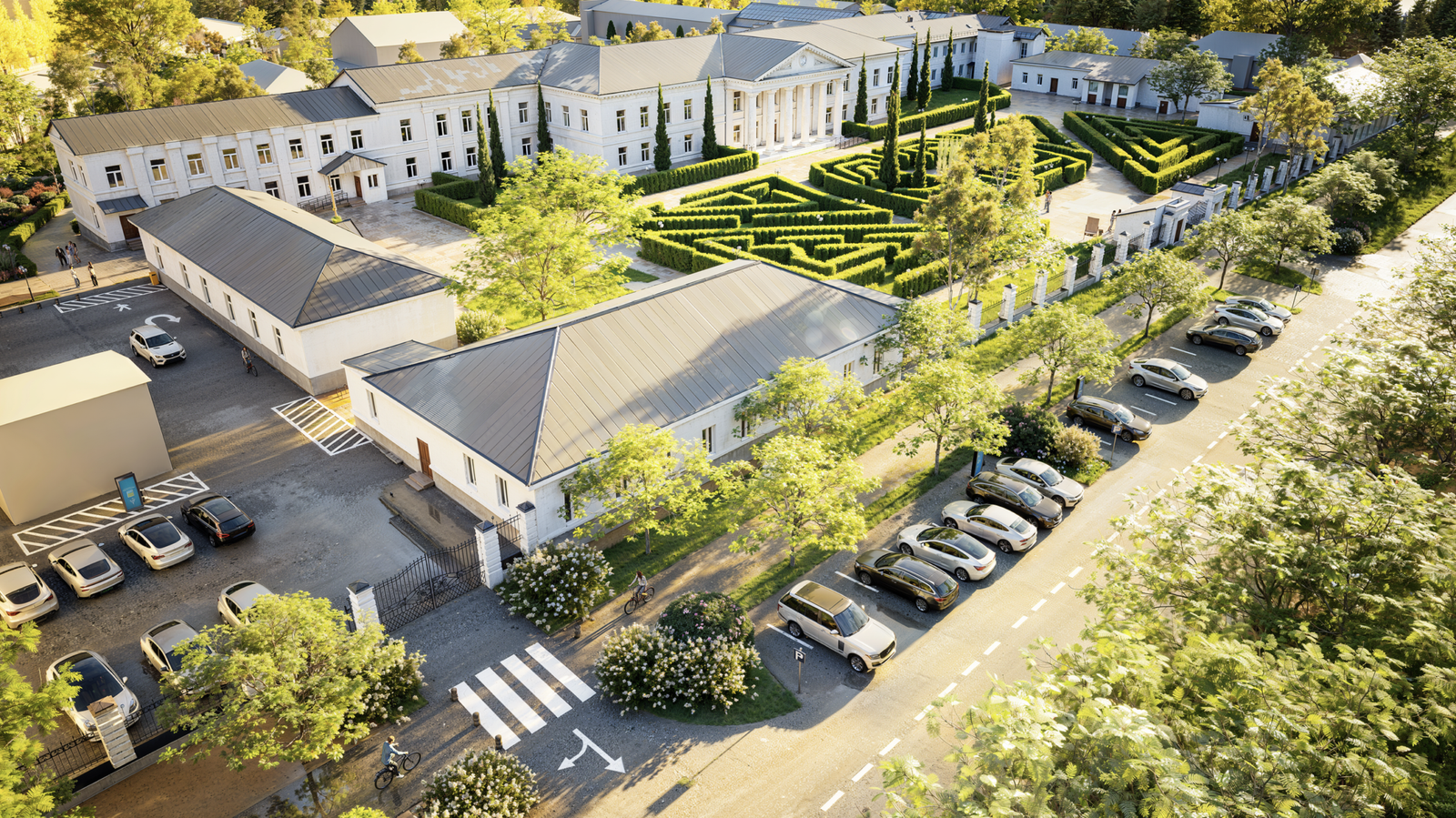
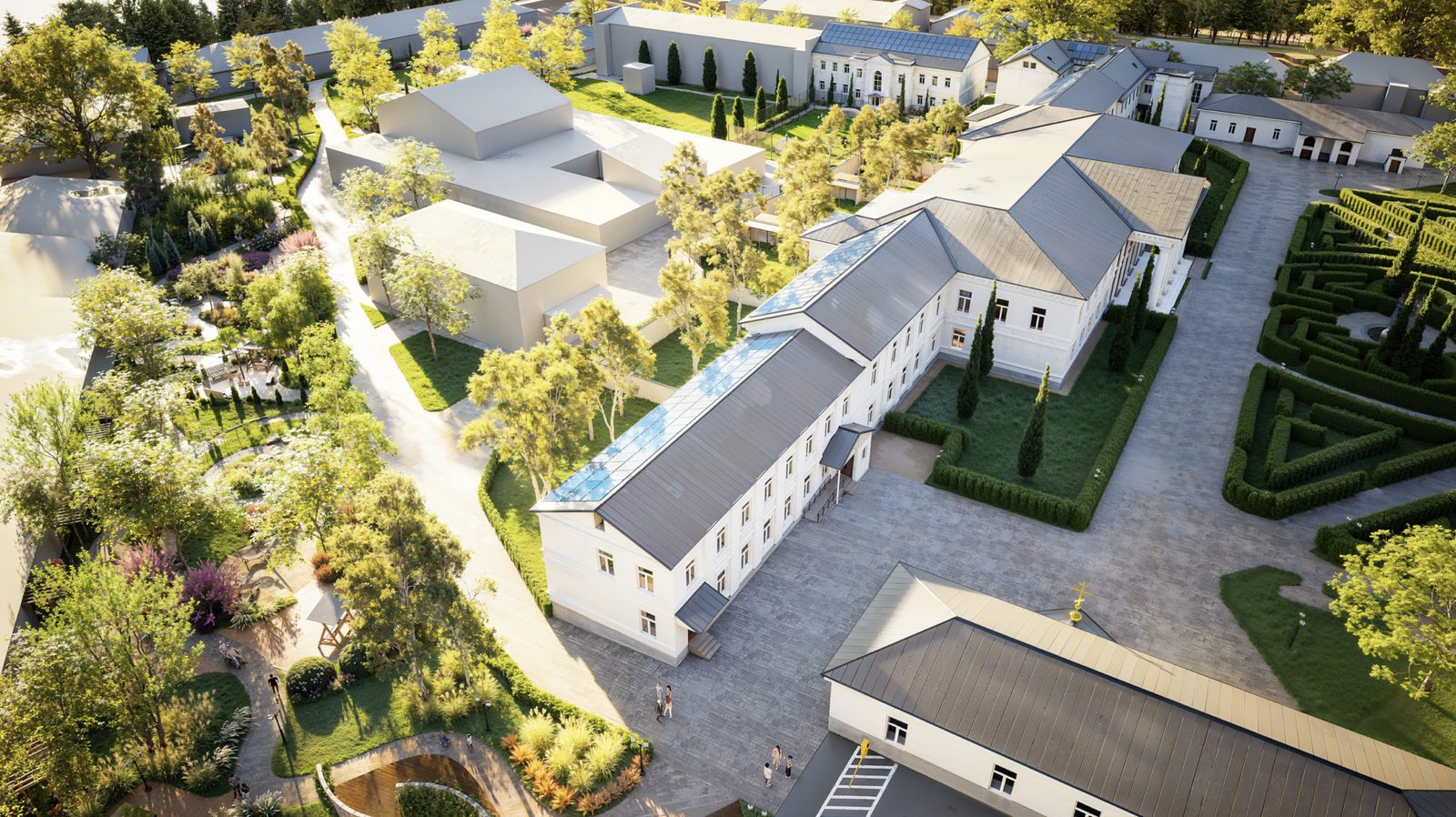
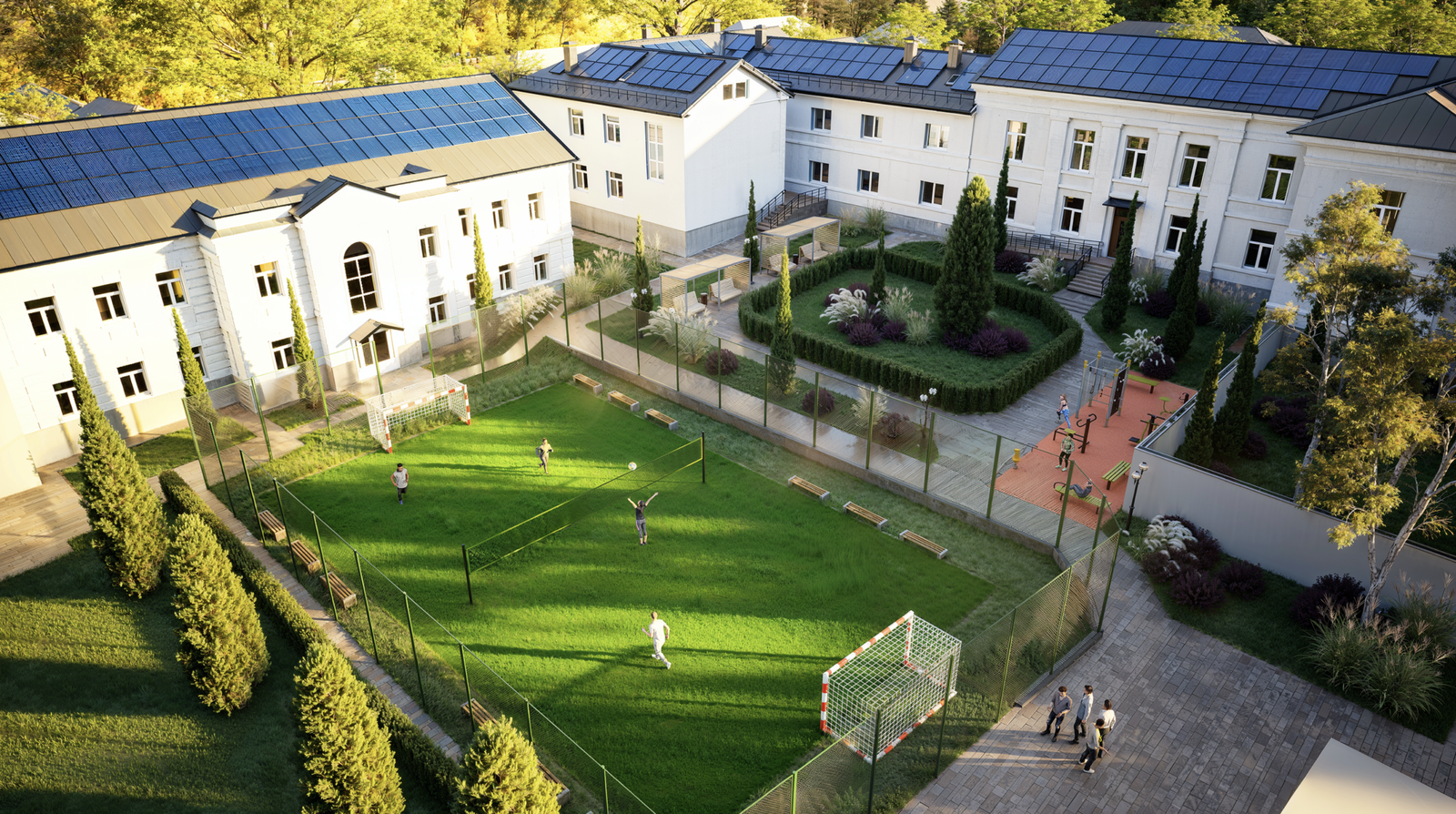
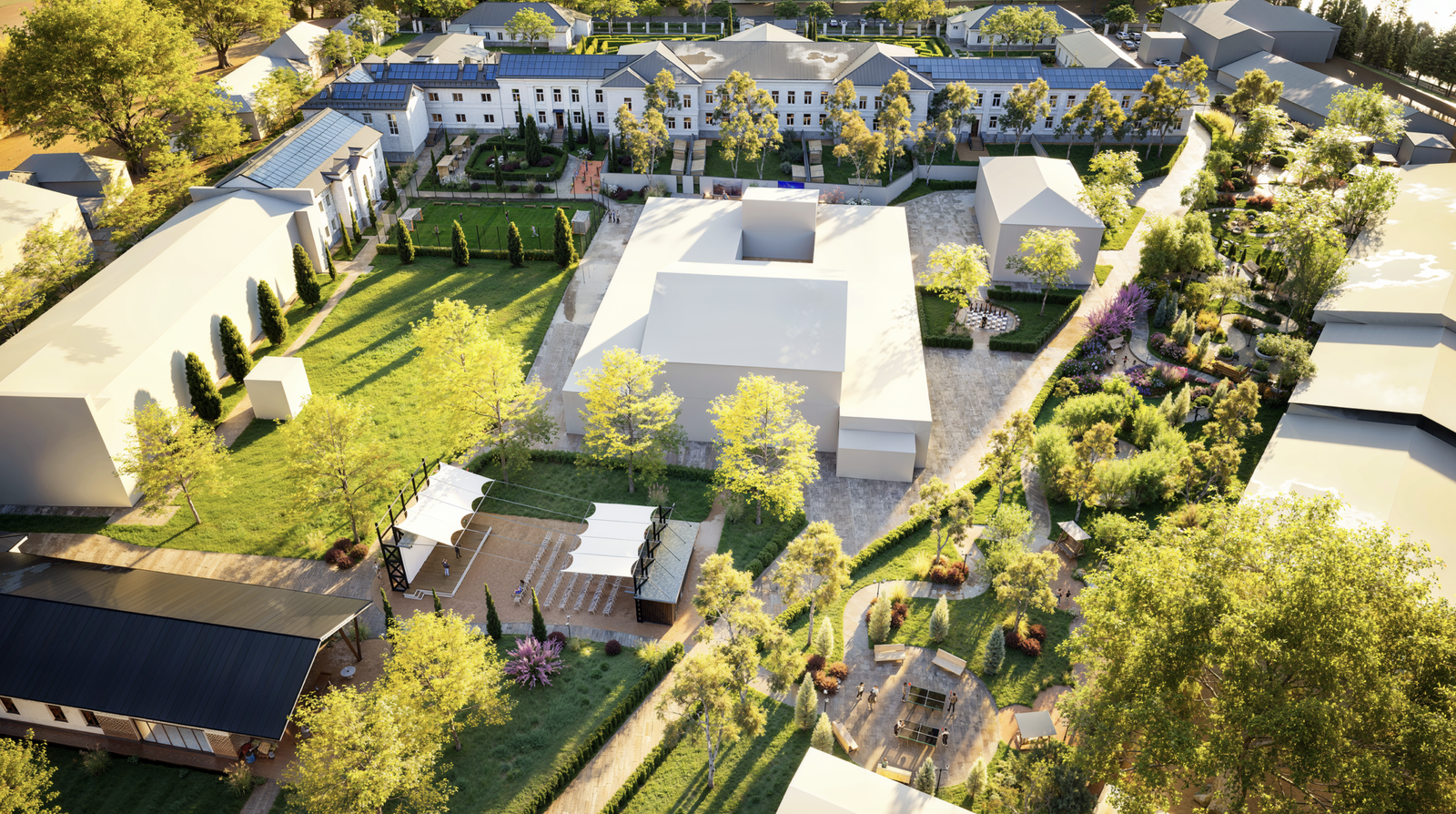
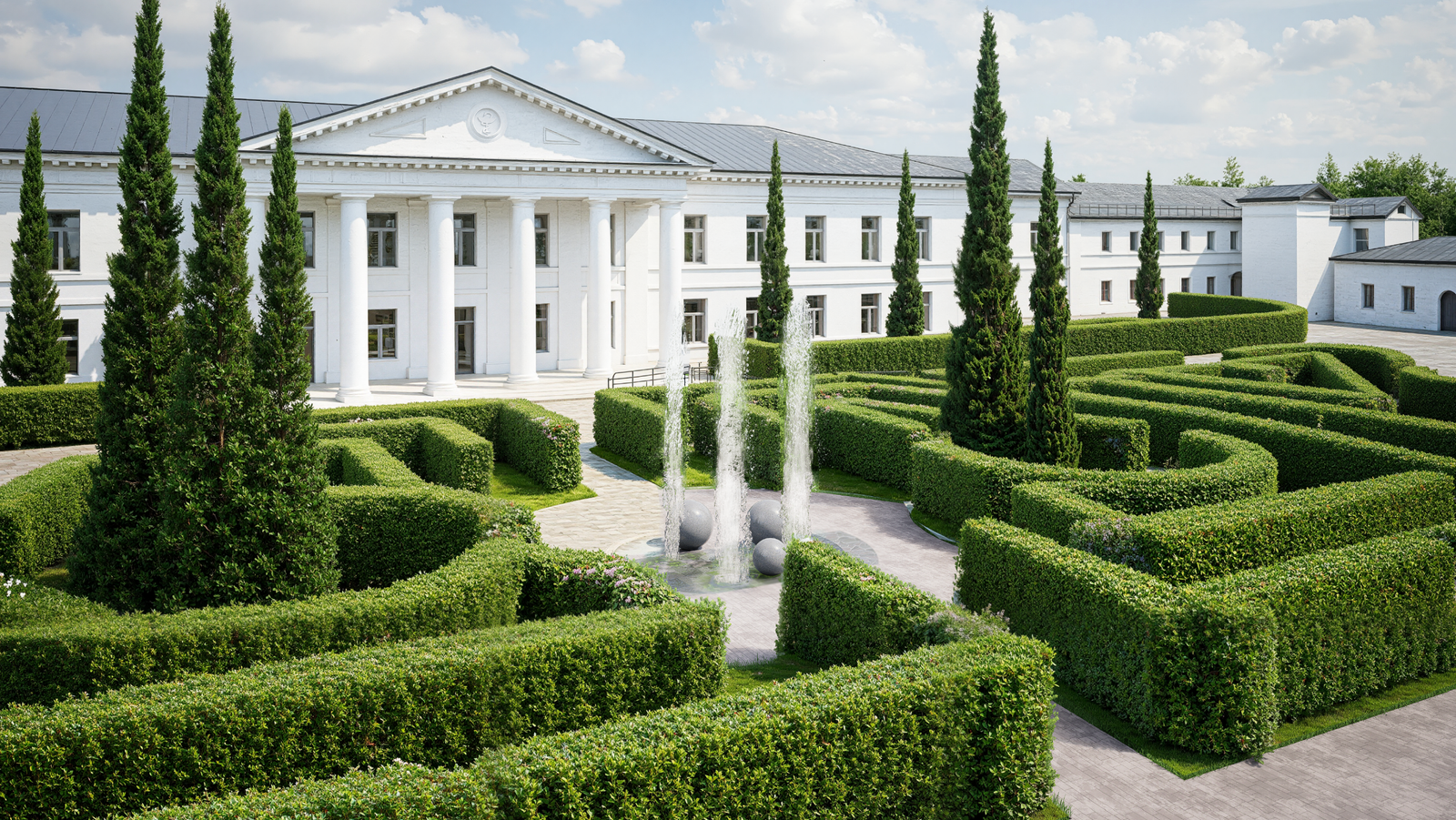
We have clearly determined that an effective treatment pathway must be grounded in neurobiological recovery, psychosocial interventions, and interactive approaches utilizing our available resources. Therefore, we plan to expand the framework for our patients’ emotional recovery through connection with nature by integrating psychotherapy, social support, and physical health maintenance within the dedicated Therapeutic Park environment.
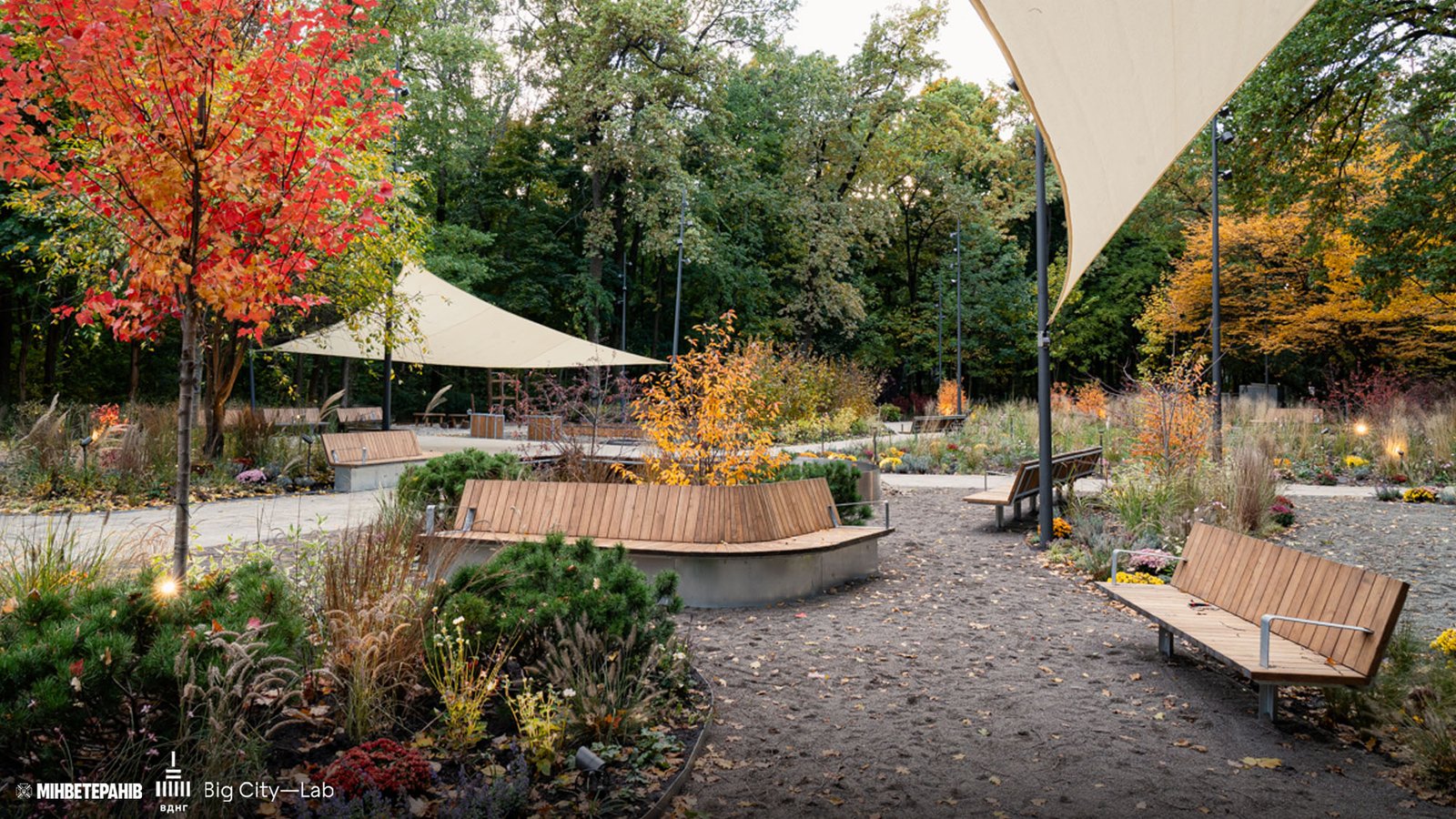
The modern practice of creating therapeutic gardens in Ukraine is rapidly evolving in response to the challenges of the full-scale war. It is becoming a key tool for the psychological and physical rehabilitation of veterans, civilians with PTSD, and those suffering from war trauma. Notable examples include the Therapeutic Garden at VDNH (Kyiv) and the Scandinavian Gardens by Mikael Colville-Andersen (Kyiv and Lviv). This presents an excellent opportunity to transition traditional medicine beyond hospital wards and into a natural environment.
Therapeutic horticulture (garden therapy) is an evidence-informed therapeutic intervention that utilizes human-plant interactions to enhance physical, psychological, and social well-being. This modality gained formal recognition and popularity through the work of Dr. Benjamin Rush, notably detailed in his landmark publication Medical Inquiries and Observations Upon the Diseases of the Mind (1812).
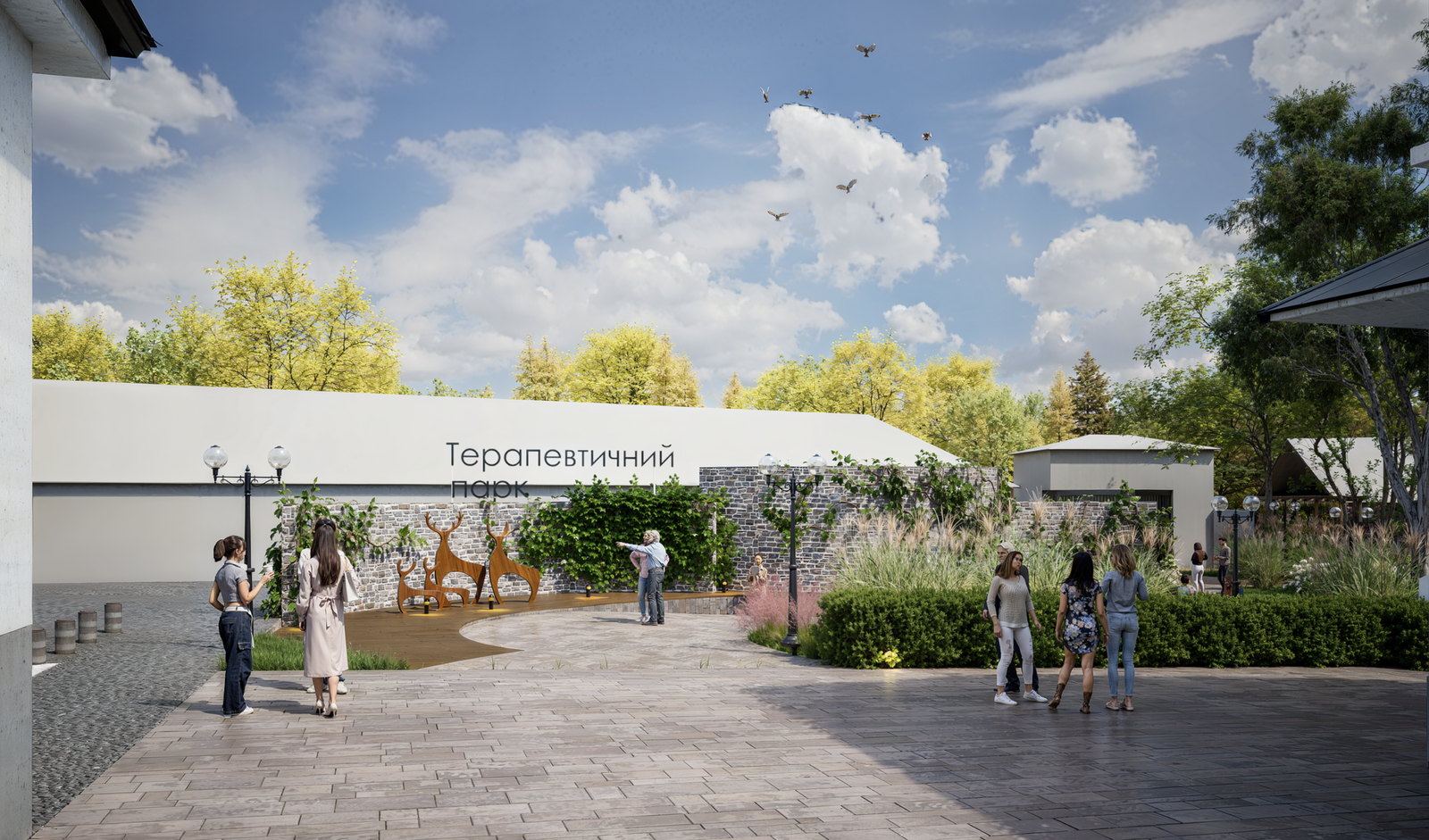
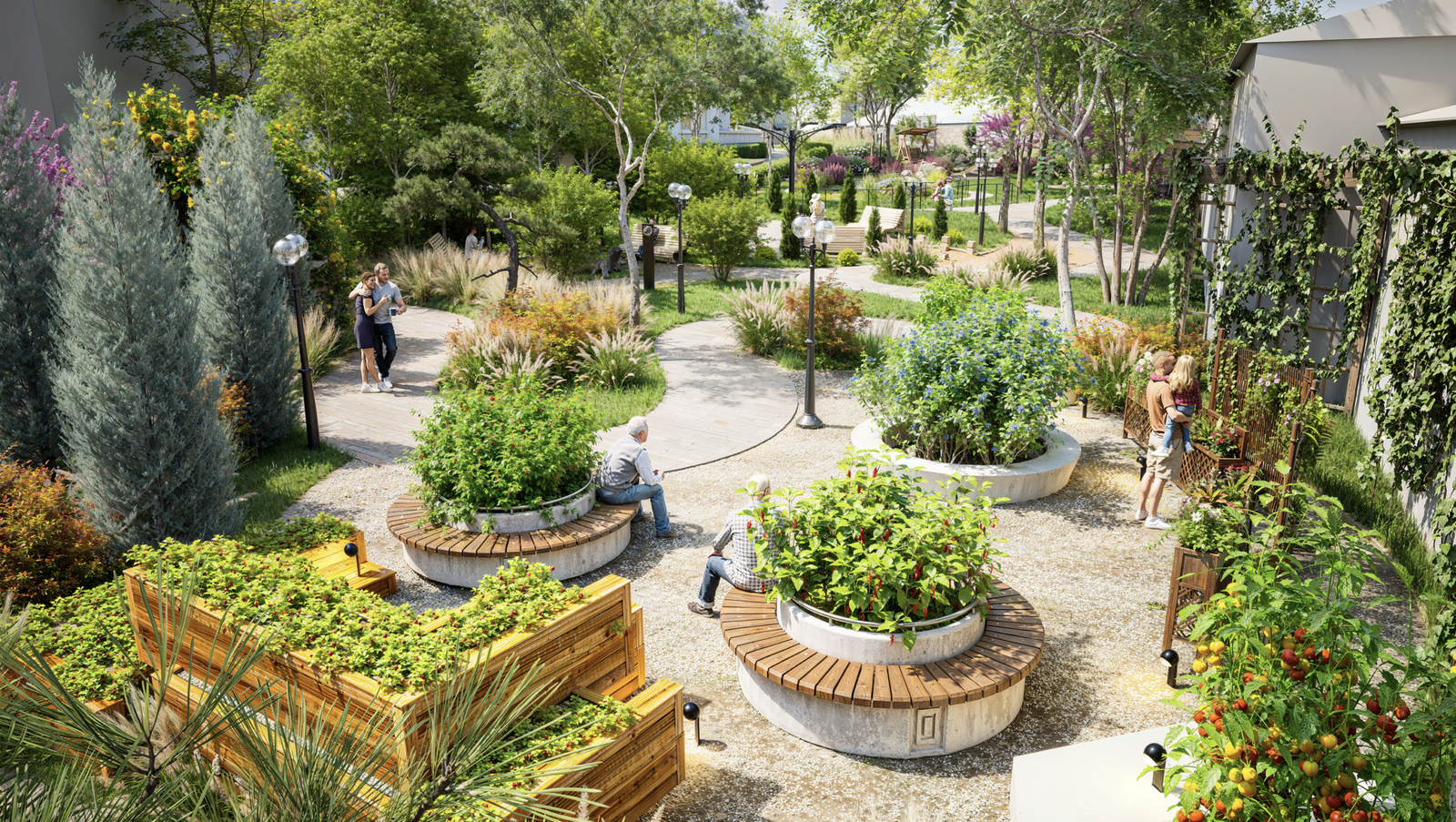
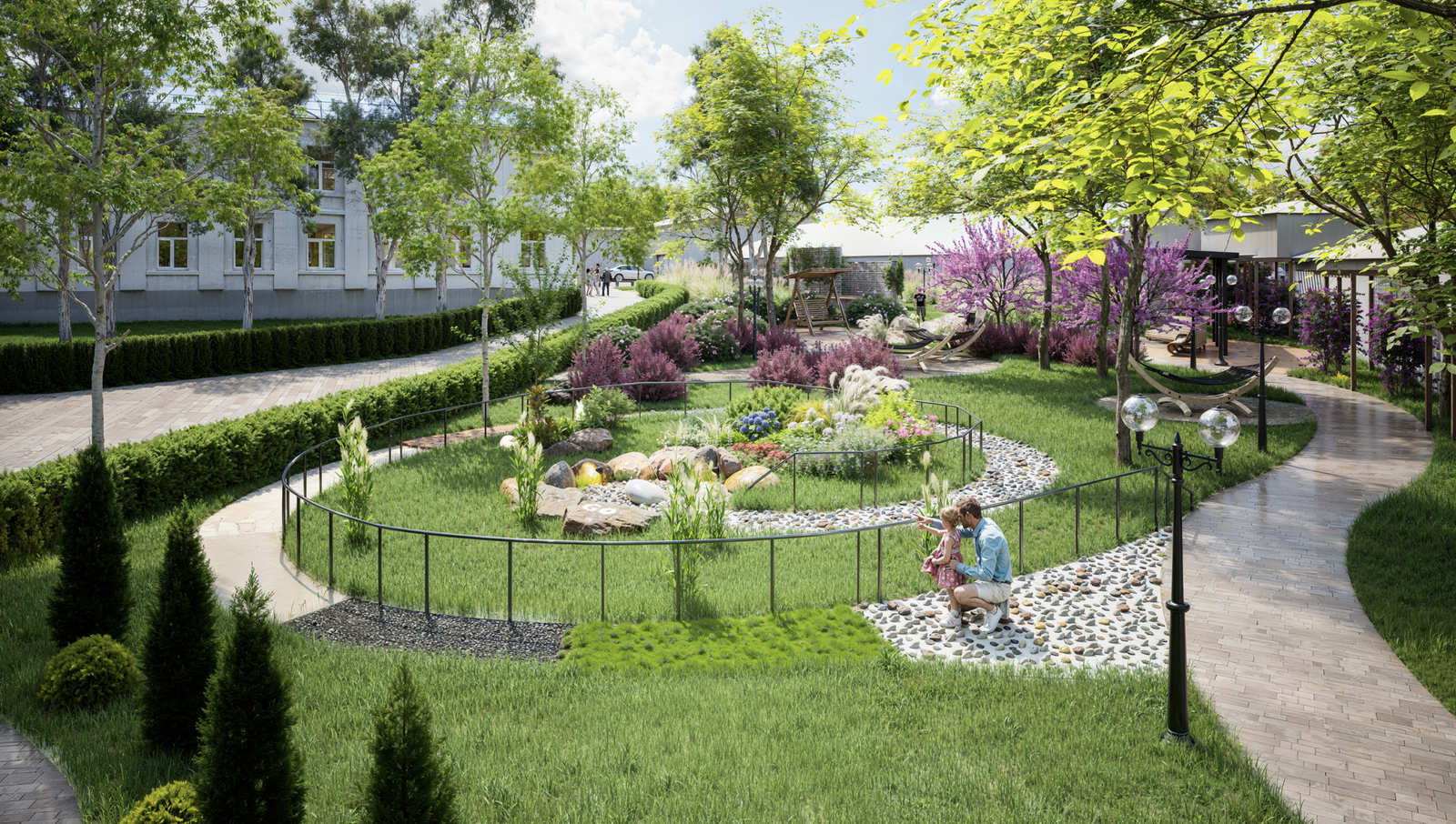
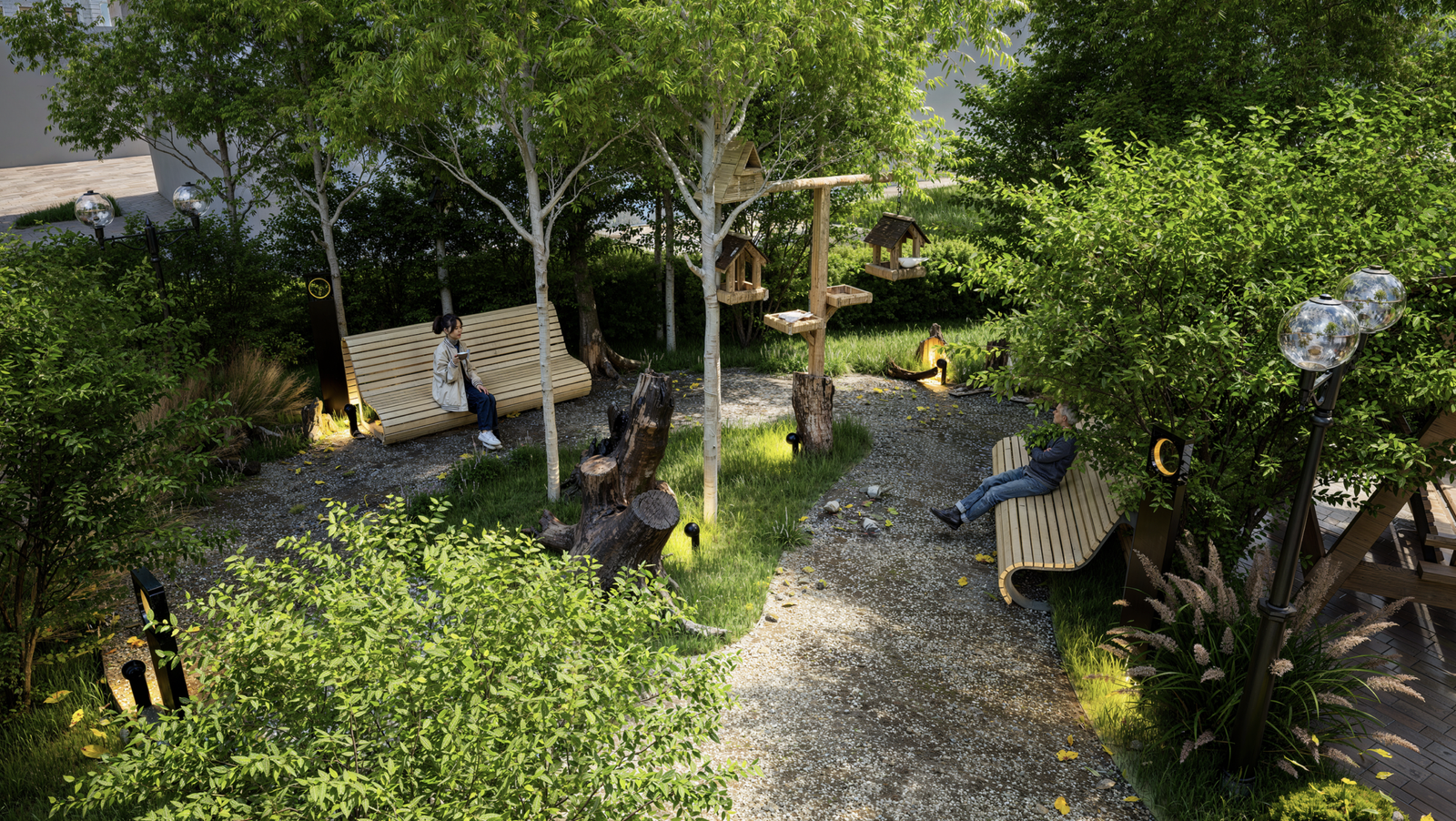
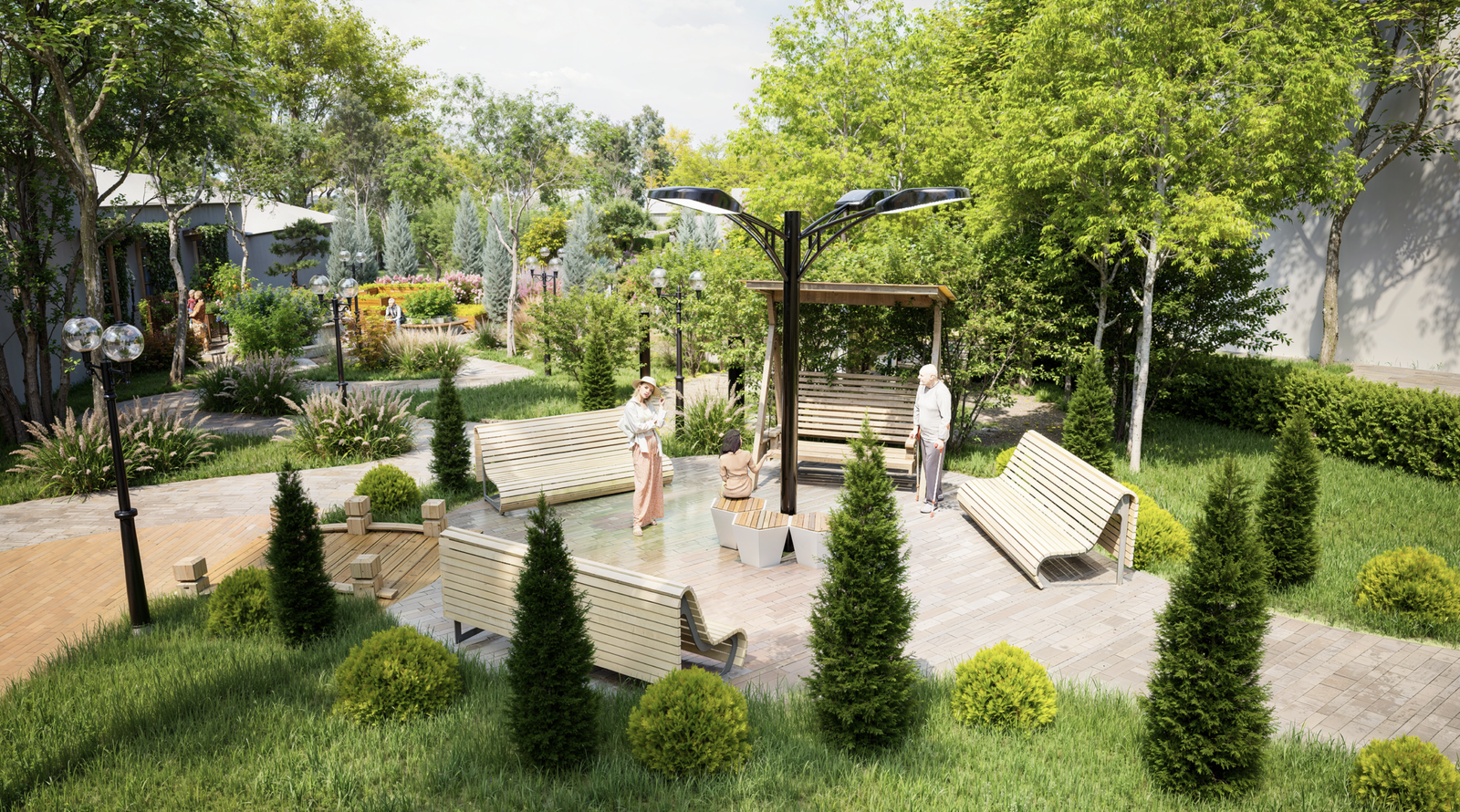
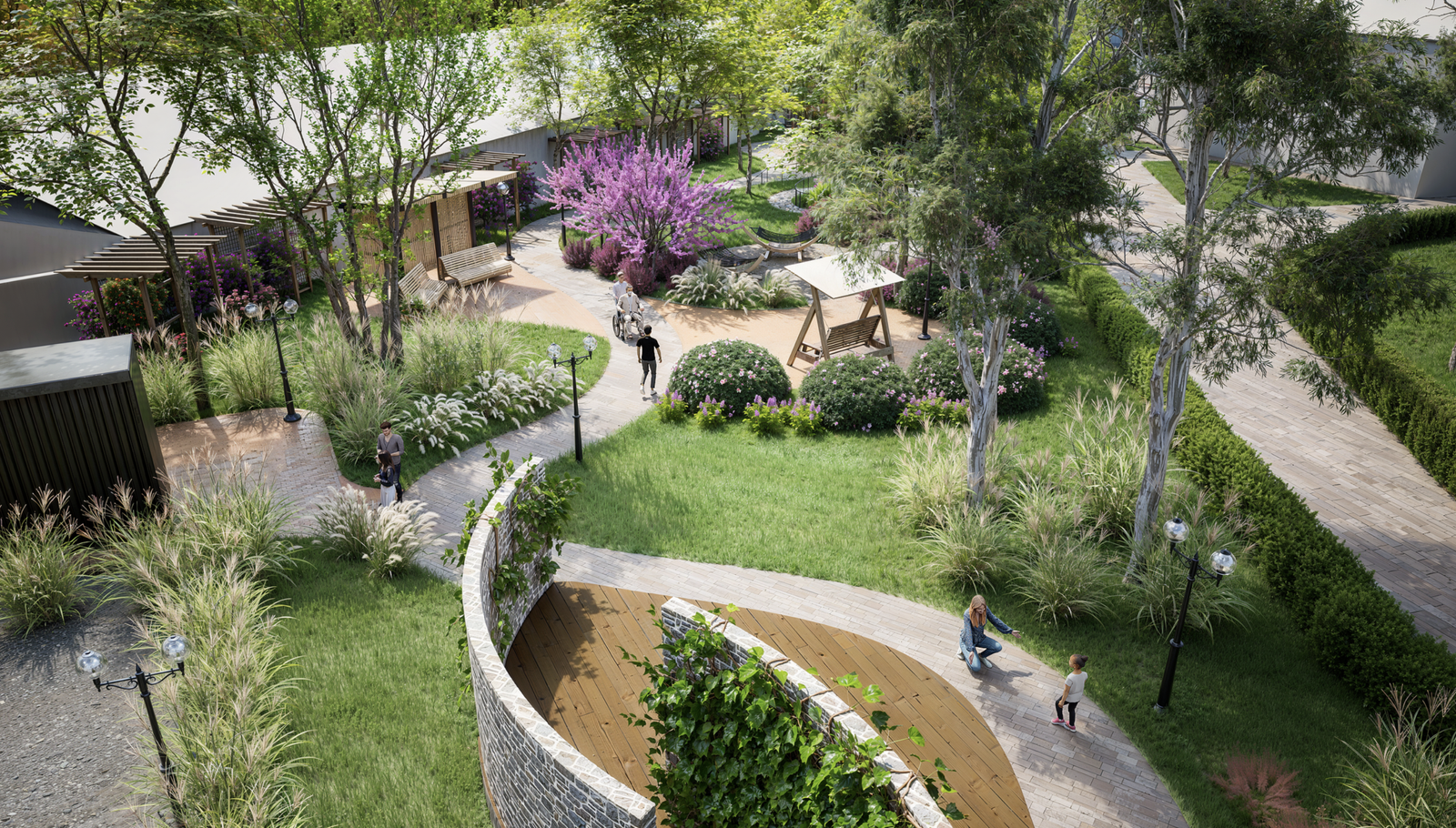
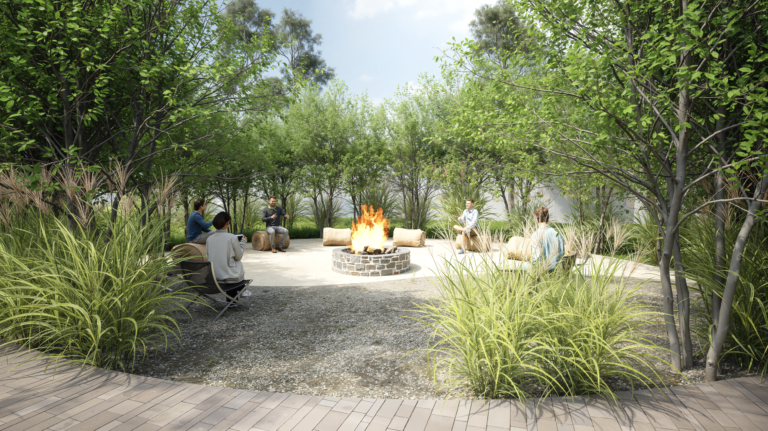
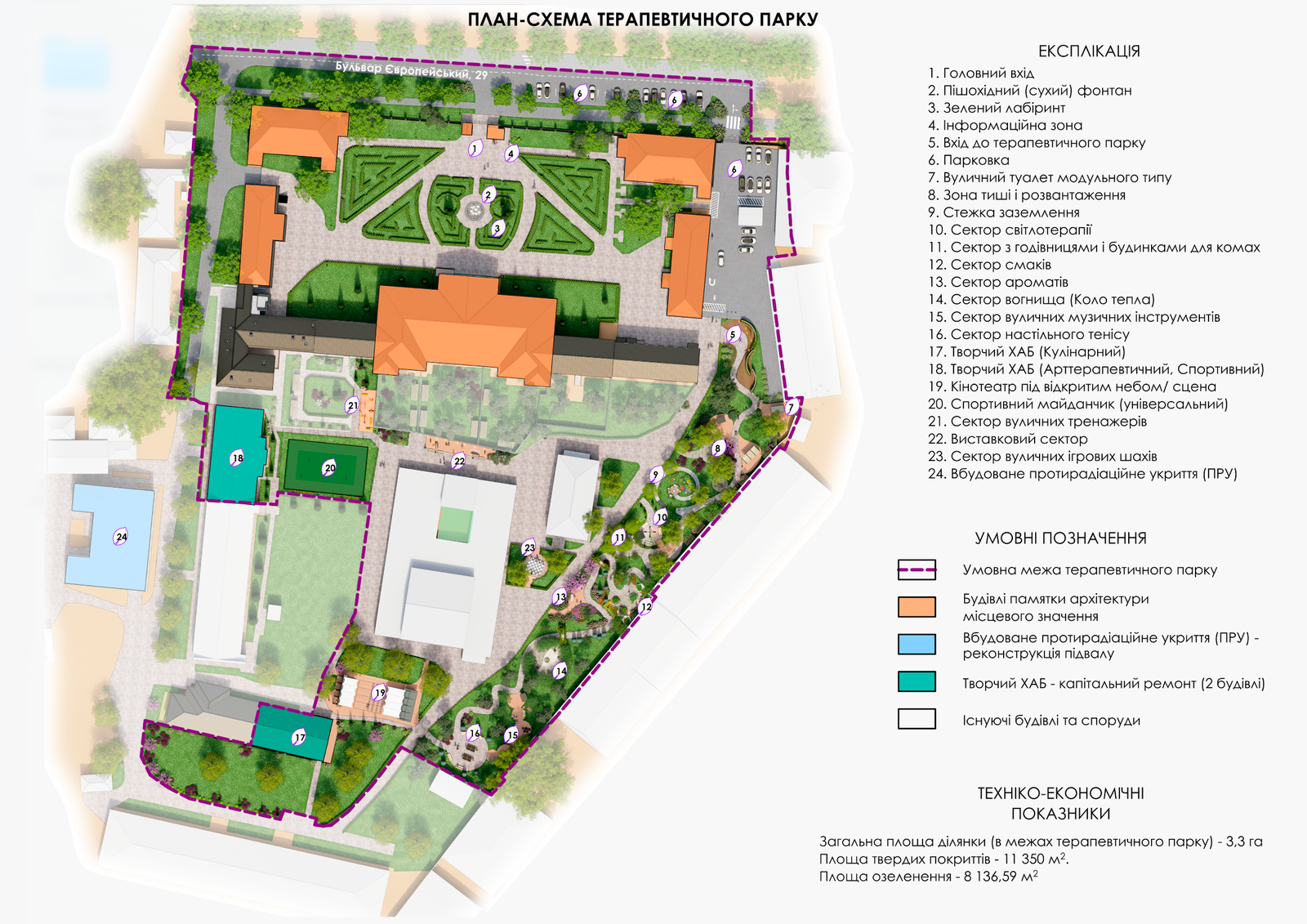
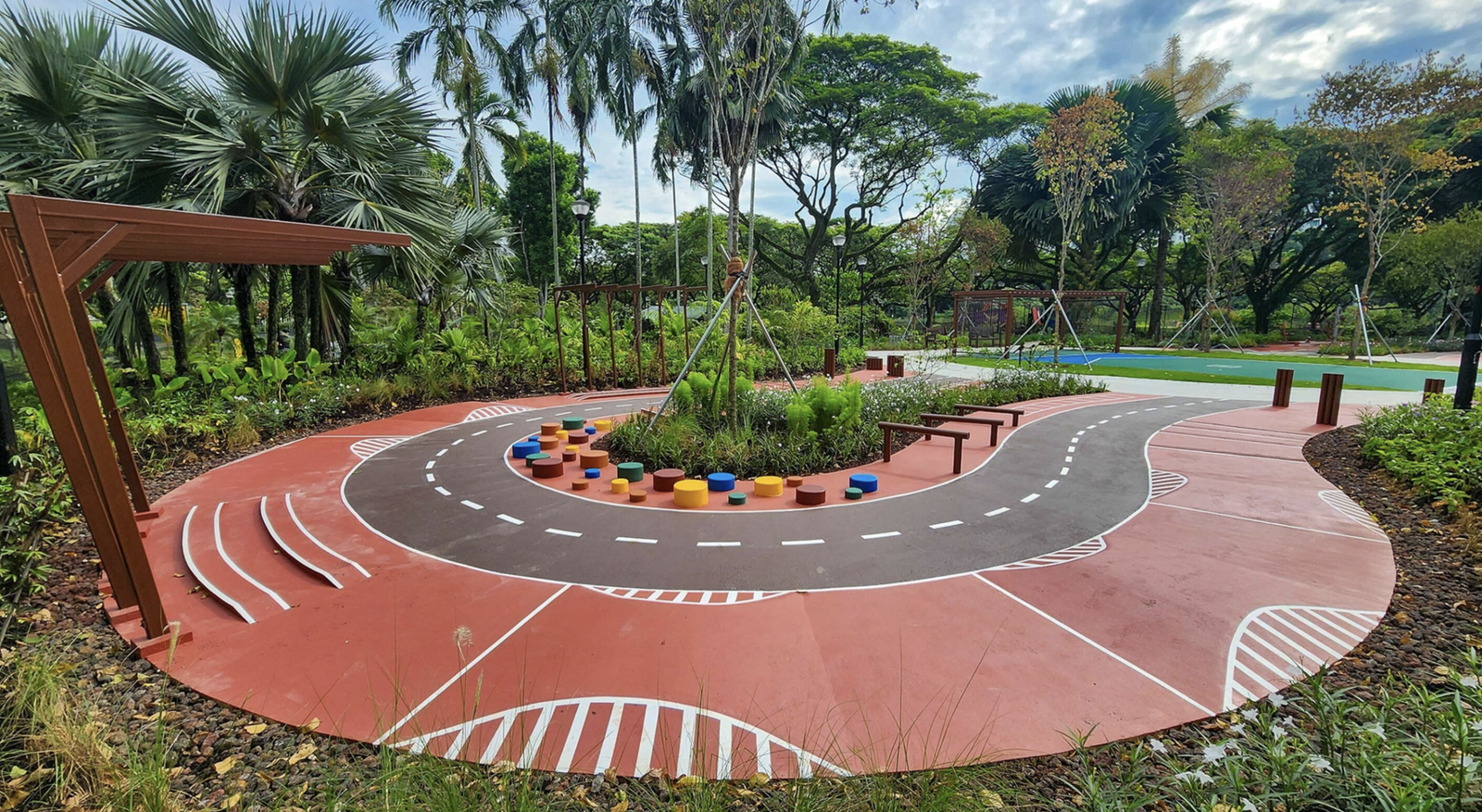
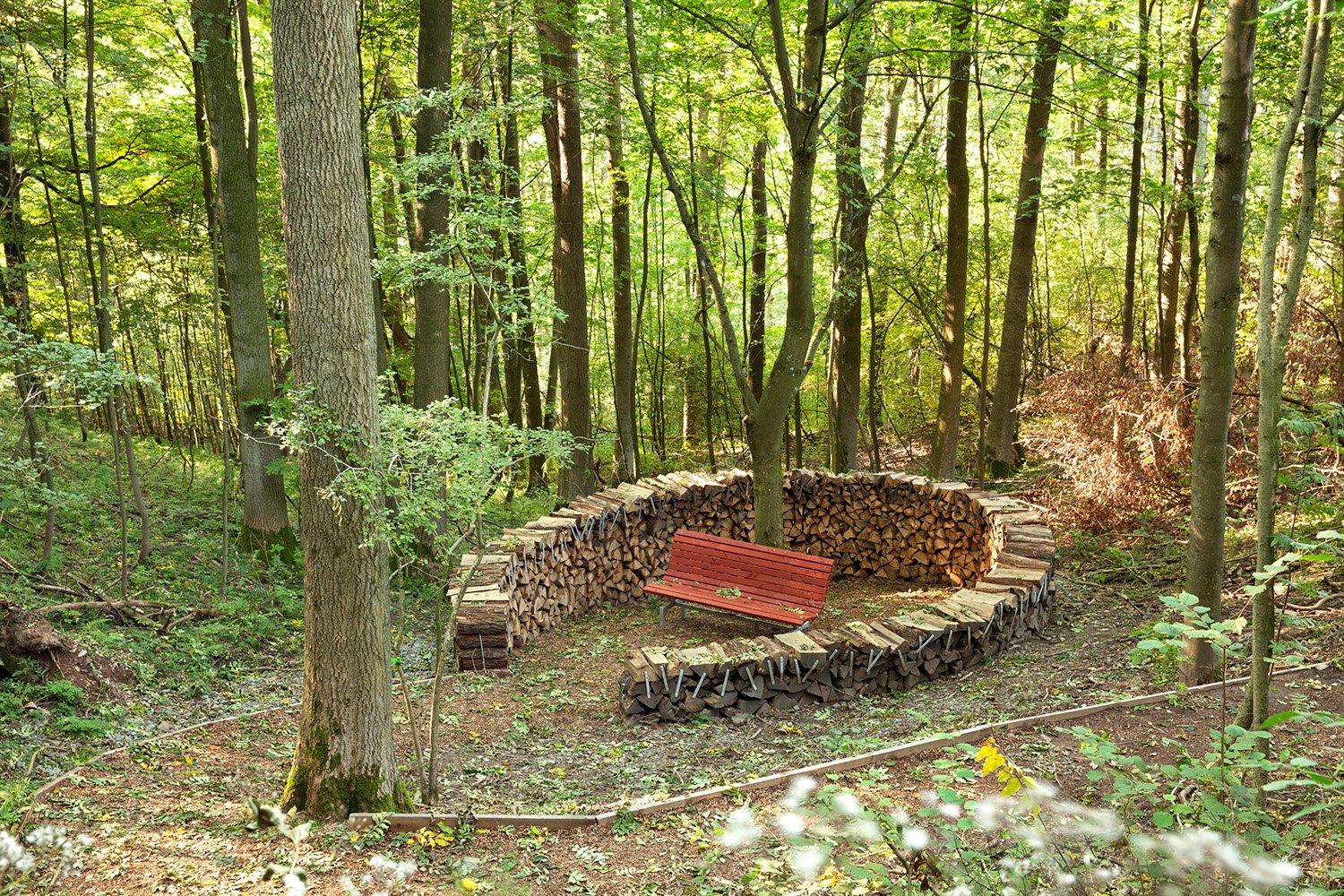
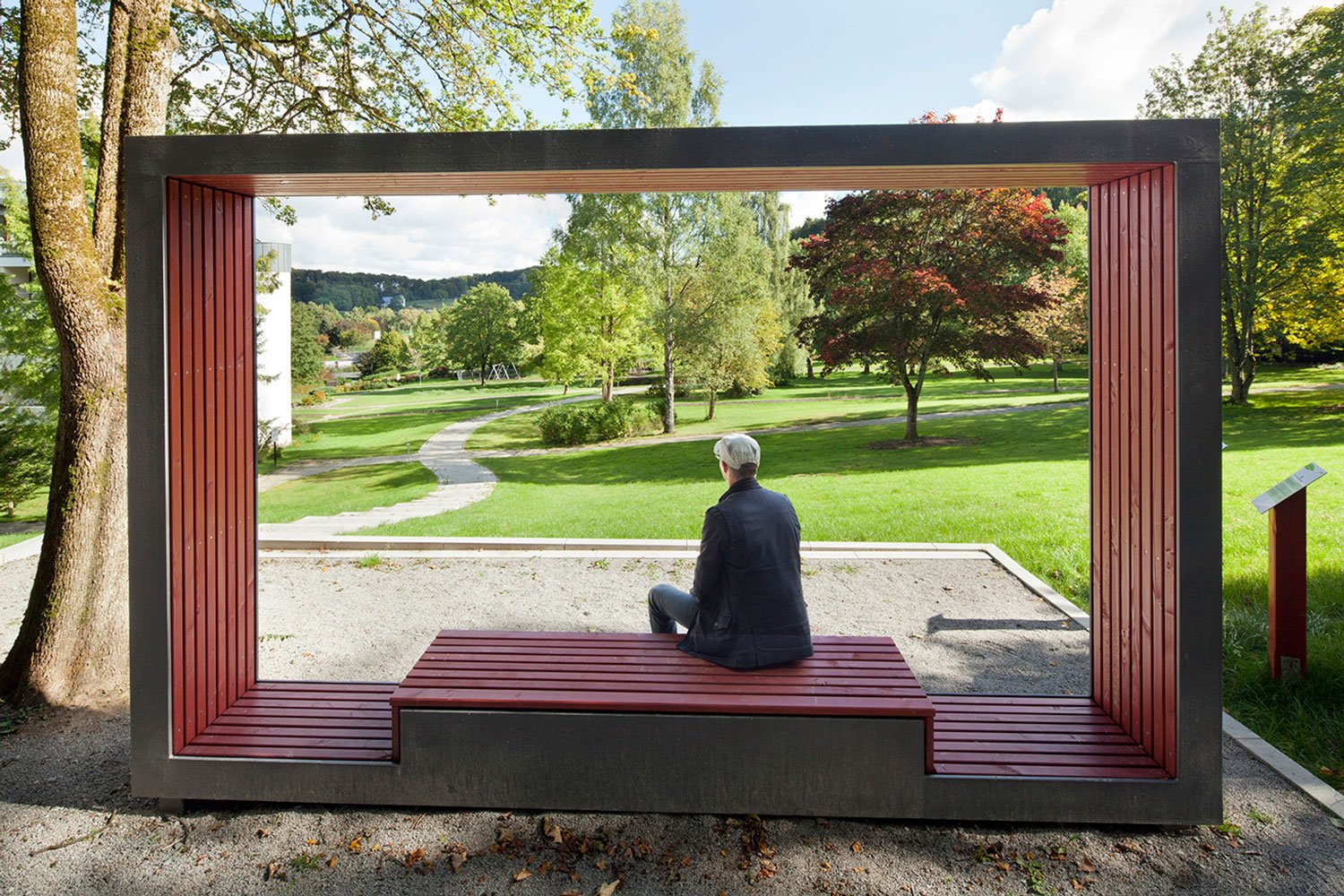
The goal of the “Therapeutic Park” project is to leverage the hospital’s eco-space to create an adaptive, barrier-free environment combining landscape therapy and modern therapeutic horticulture. This space will provide psychotherapeutic, psychosocial, and physical therapy care for patients with PTSD and psychiatric disorders treated at the facility, aiming to optimize treatment duration, increase bed turnover, and destigmatize public perceptions of psychiatry.
The project implementation involves the development of three main therapeutic zones:
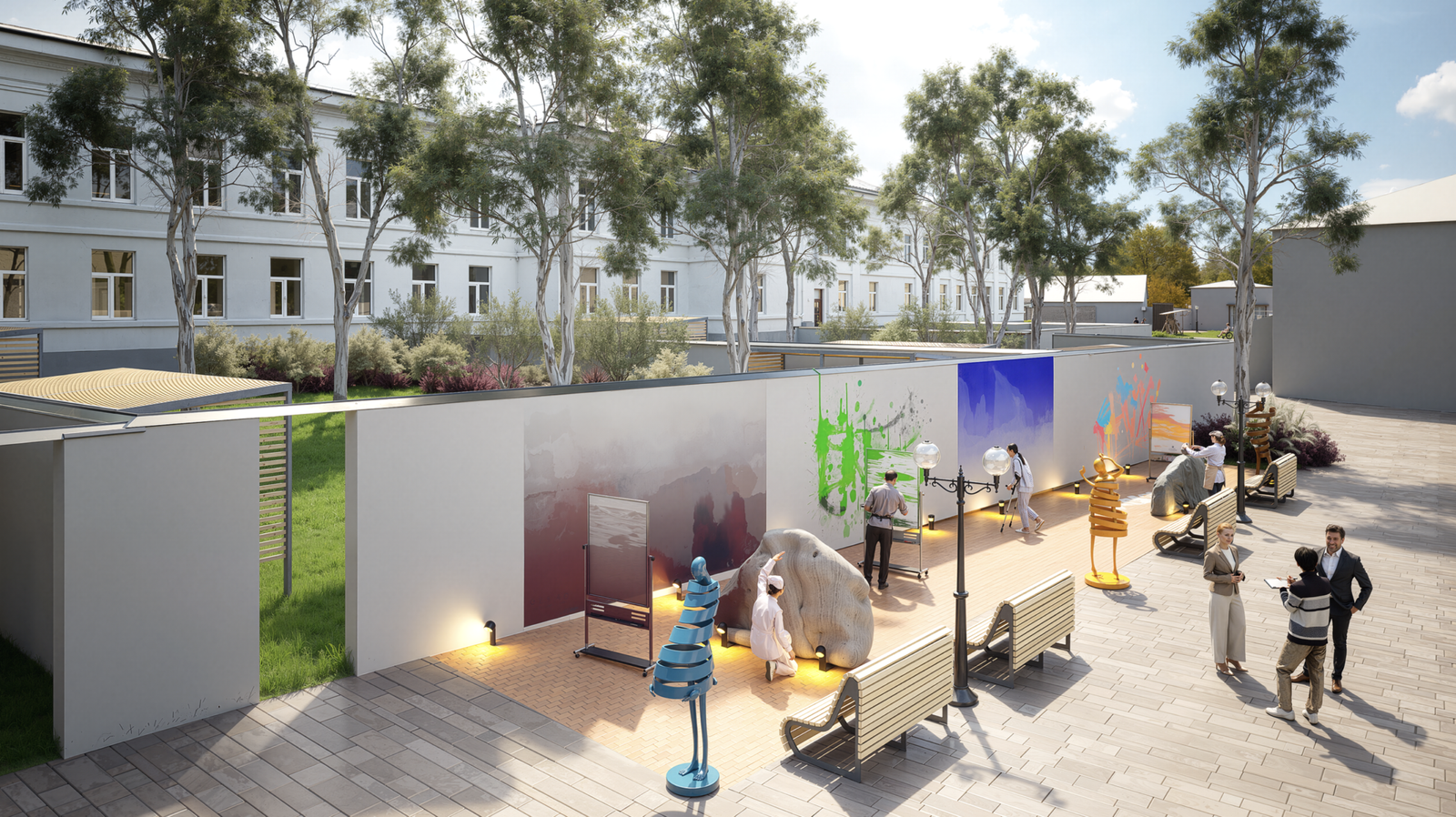
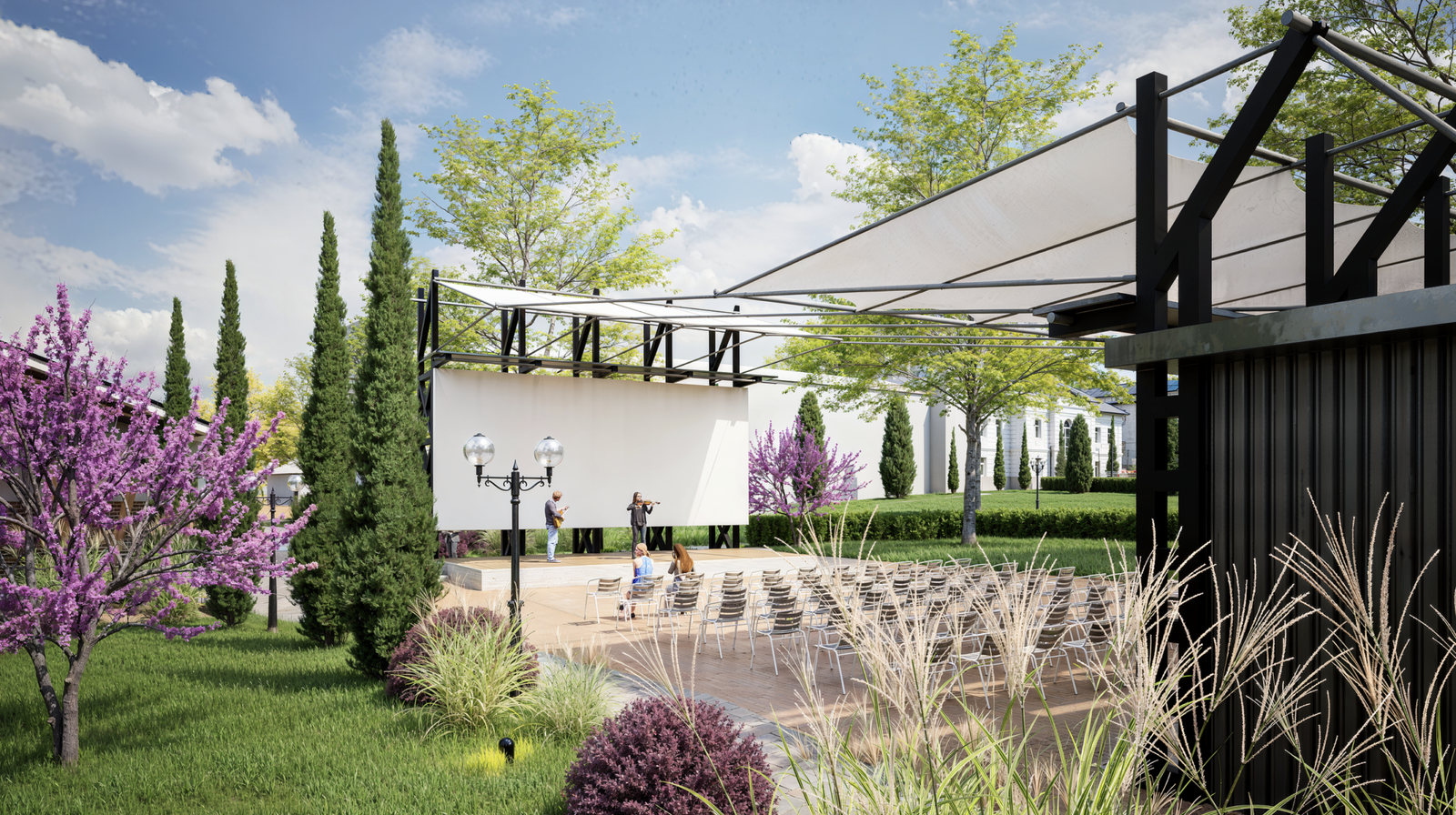
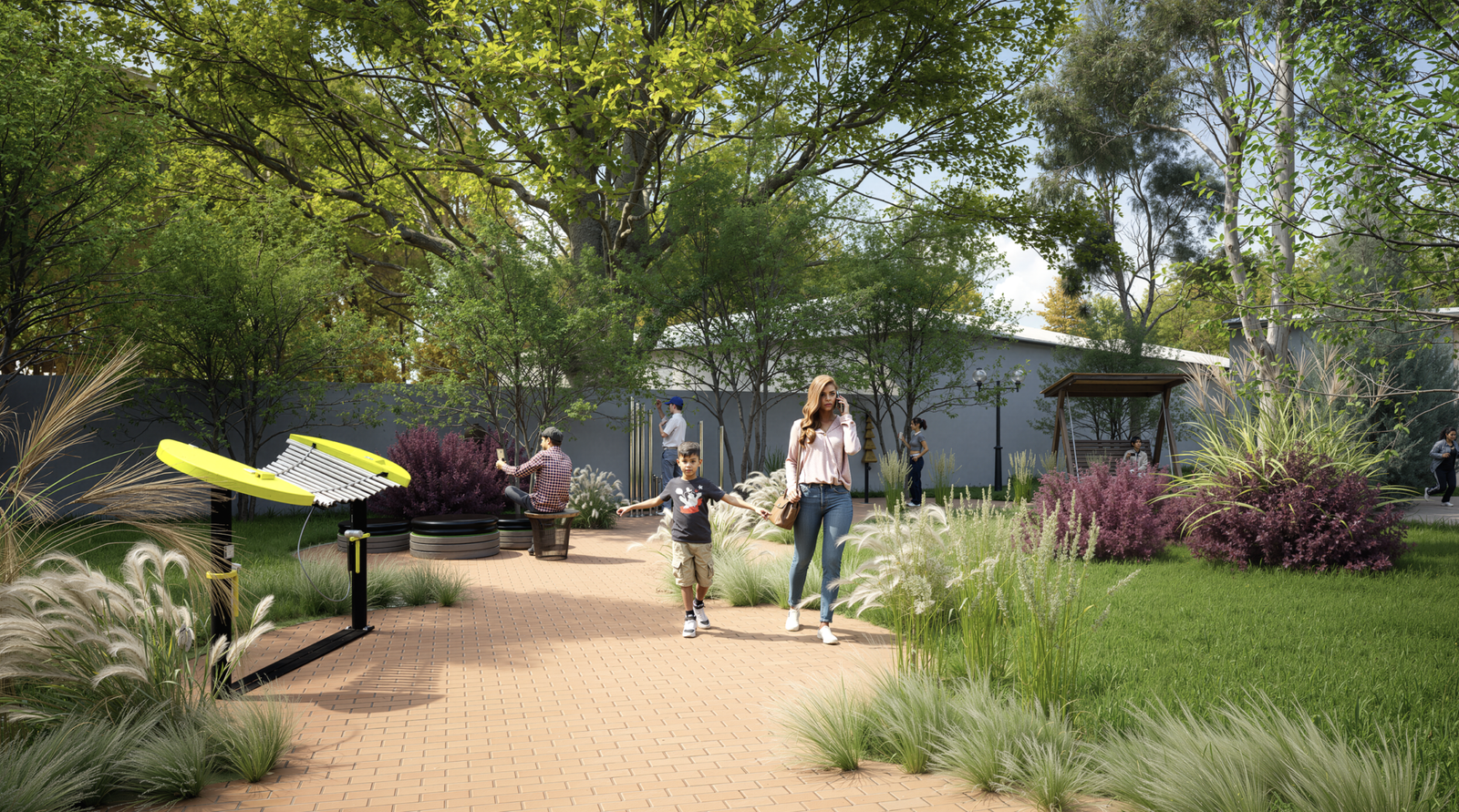
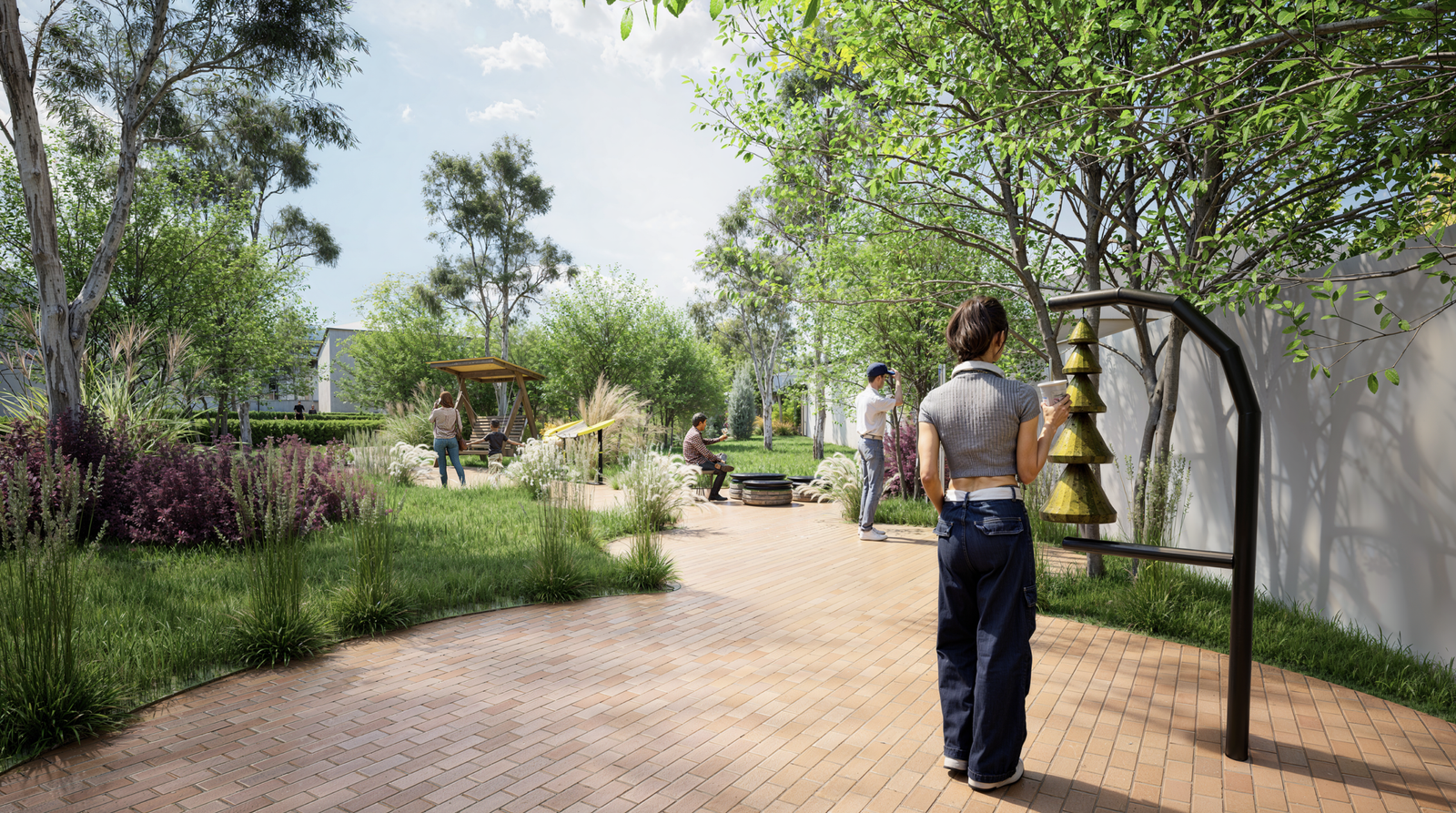
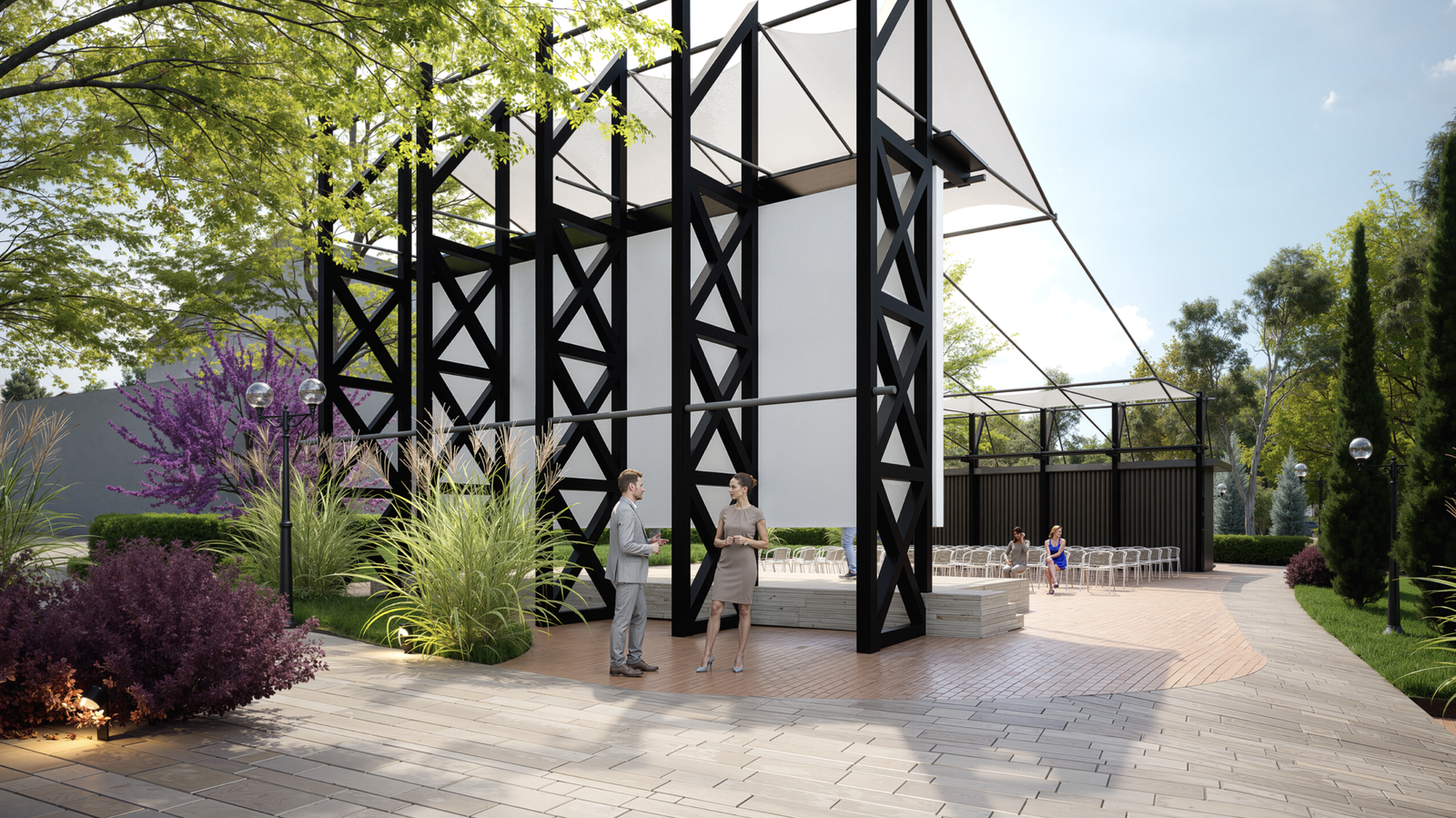
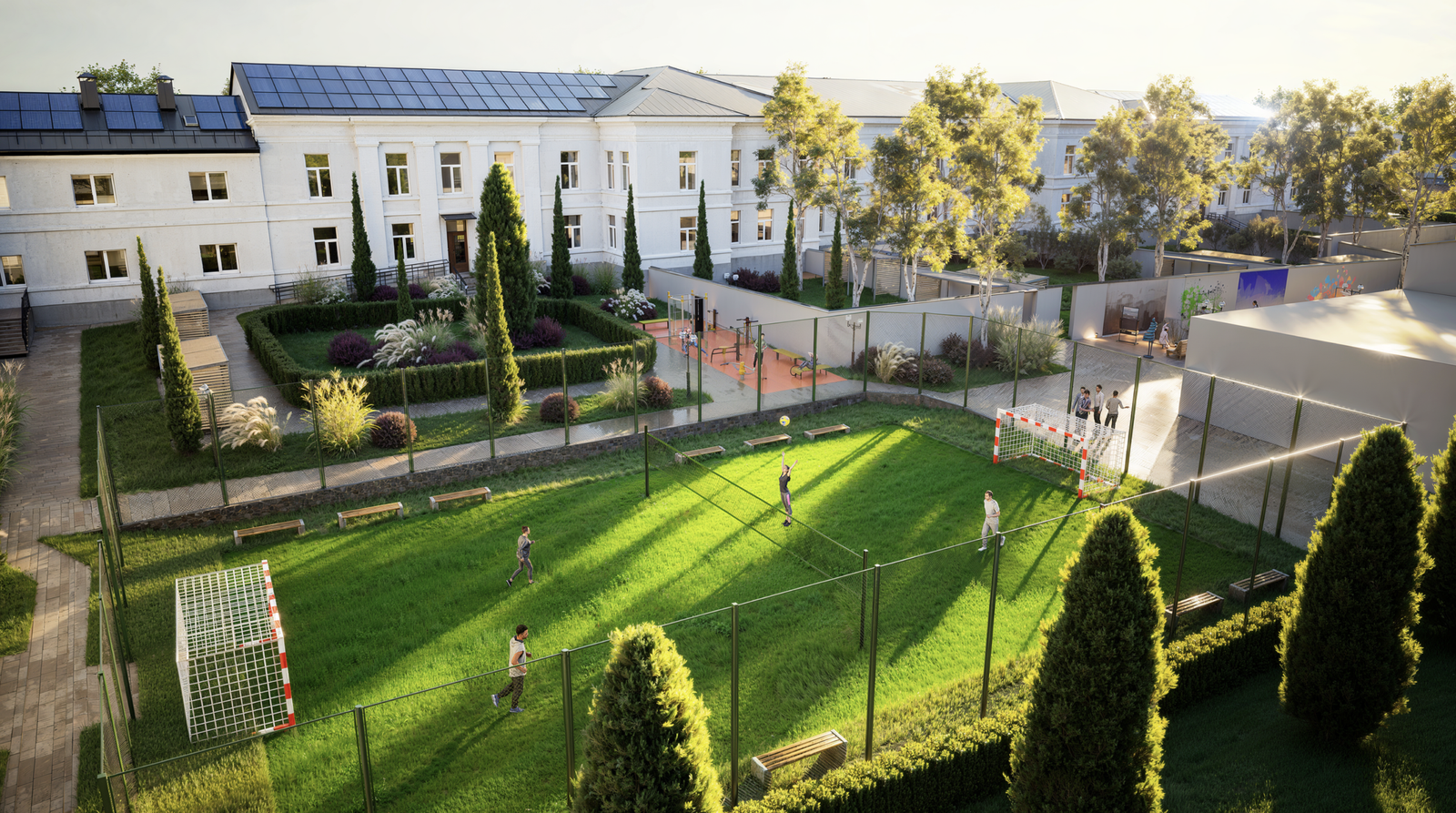
The development of these zones will adhere strictly to modern “therapeutic eco-environment” specifications and universal accessibility standards, with dedicated emphasis on accommodating wounded veterans and patients with reduced mobility.
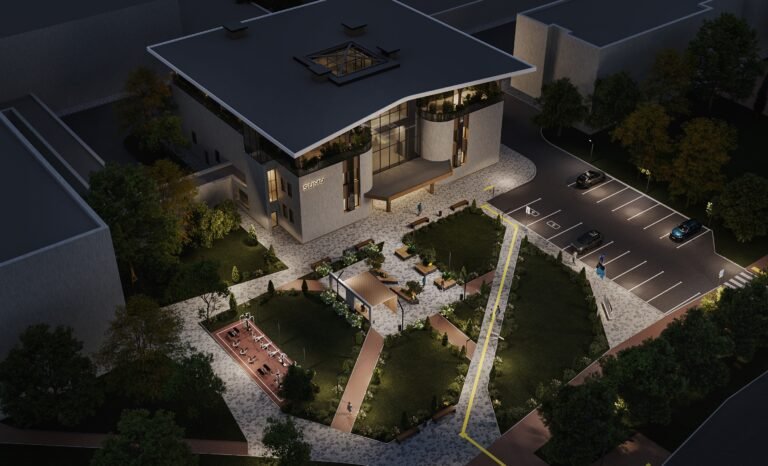
Additionally, the project encompasses an Infrastructure and Service Hub to ensure barrier-free logistics, site safety, and essential visitor comfort on hospital grounds, including dedicated parking facilities, information signage, and basic amenities.
Within the scope of this project, we plan to develop and implement new local clinical protocols for managing mental disorders that incorporate evidence-based horticultural therapy. This initiative will establish a unique research and clinical platform in North-Eastern Ukraine to modernize treatment protocols and integrate eco-therapy methods into the national healthcare framework.
We intend to utilize immersive patient engagement within these therapeutic eco-zones to promote neurobiological recovery. We anticipate this will normalize neurotransmitter balance, enhance prefrontal cortex activity, and reduce systemic cortisol levels.
High clinical efficacy is expected particularly in PTSD management—specifically reducing avoidance, hyperarousal, and self-blame—which is projected to decrease clinical anxiety scale scores by 25–30%. Implementing these therapeutic modalities will enable the hospital to reduce the average length of stay by 15% and increase bed turnover rate. In June 2026, the hospital signed a Memorandum of Understanding with Sumy State University to establish collaborative scientific research focusing on patients with PTSD.
Because the project includes comprehensive modernization of internal utility networks and landscape design, the hospital grounds will undergo a modern transformation, rendering the space accessible not only to inpatients, but also for residents of Romny city hromada.
Under the Partnership Memorandum between the NGO “International Association of Psychologists and Expert Trainers” and the hospital, joint scientific research conferences, educational courses, and charitable social projects will be hosted on-site.
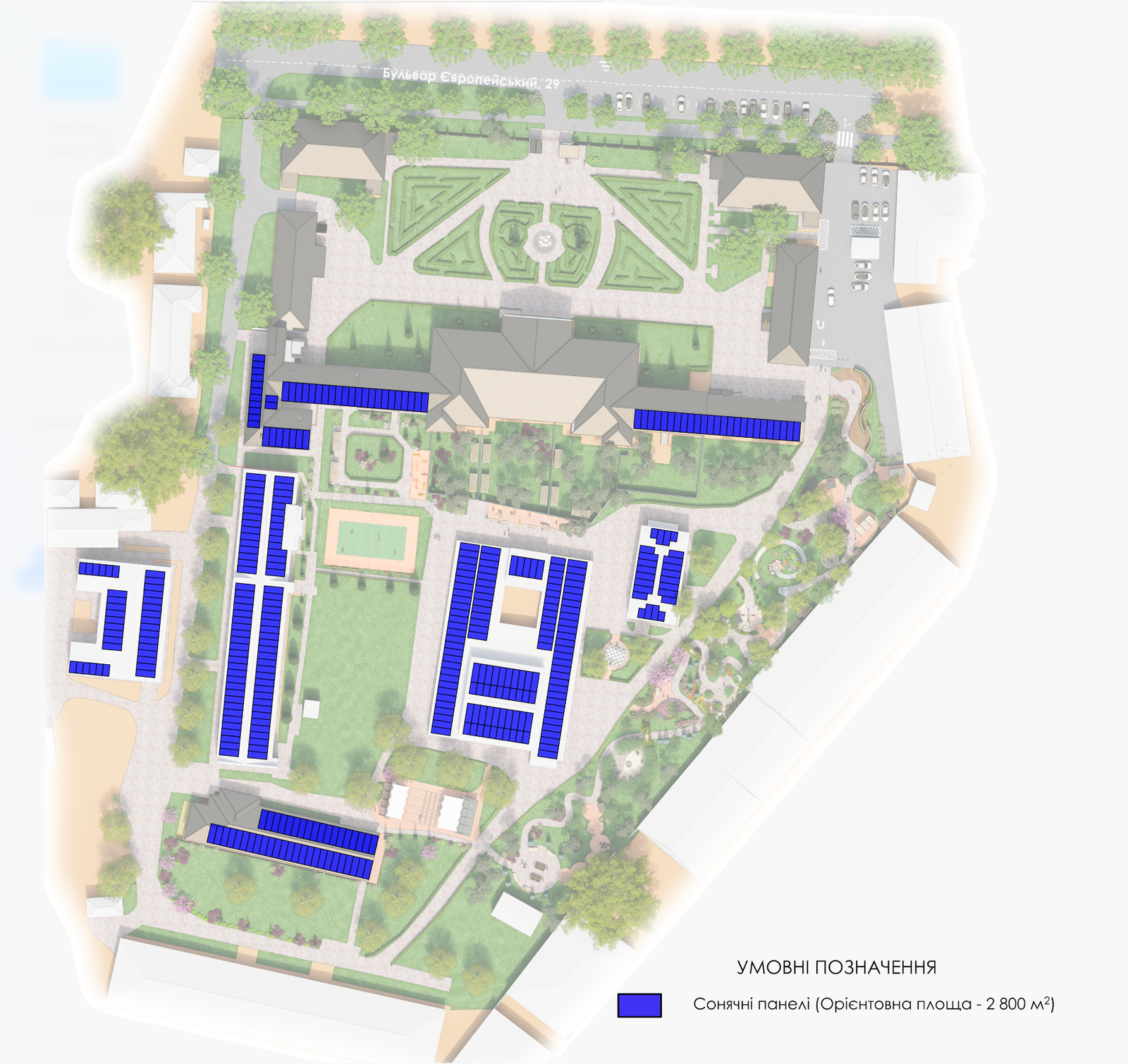
The project budget covers construction engineering works (infrastructure-service hub, small-scale architecture, perimeter fencing), facility renovations (creative hubs, emergency shelter adaptation), landscape architecture (core therapeutic park zones), and equipment procurement.
Main construction works are estimated at UAH 170,467,357.63, with ancillary expenses at UAH 16,081,345.01, bringing the total estimated project cost to UAH 186,548,702.64.