Адреса:
7, Стецьківська вул., місто Суми, Сумська область, 40491, Україна
Адреса:
7, Стецьківська вул., місто Суми, Сумська область, 40491, Україна
Ideas shaping Ukraine’s future
Ideas shaping Ukraine’s future
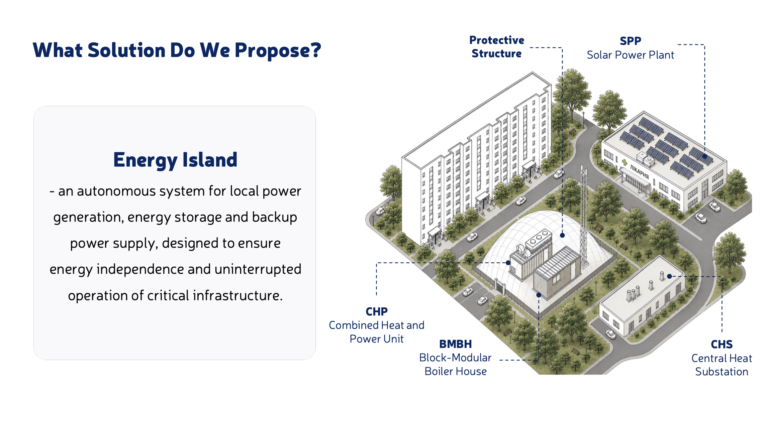
It’s a comprehensive concept for creating a backup power supply system for Sumy city hromada, aimed at improving its energy resilience, security, and autonomy. The general idea is not about the implementation of individual power generation objects, but rather the creation of integrated system of autonomous energy hubs, as called Energy Islands – that can guarantee the uninterrupted operation of critical infrastructure despite the absence of centralized power supply systems.
Sumy city authorities provide critical services for more than 258 000 residents, including 36 800 children. The municipality has also taken in more than 36 300 internally displaced persons (IDPs), including 6 600 children, as a result of the full-scale war actions. In such circumstances, the stable functioning of healthcare facilities, water and heating supply systems, and other critical infrastructure is required to guarantee the security and basic needs of the population.
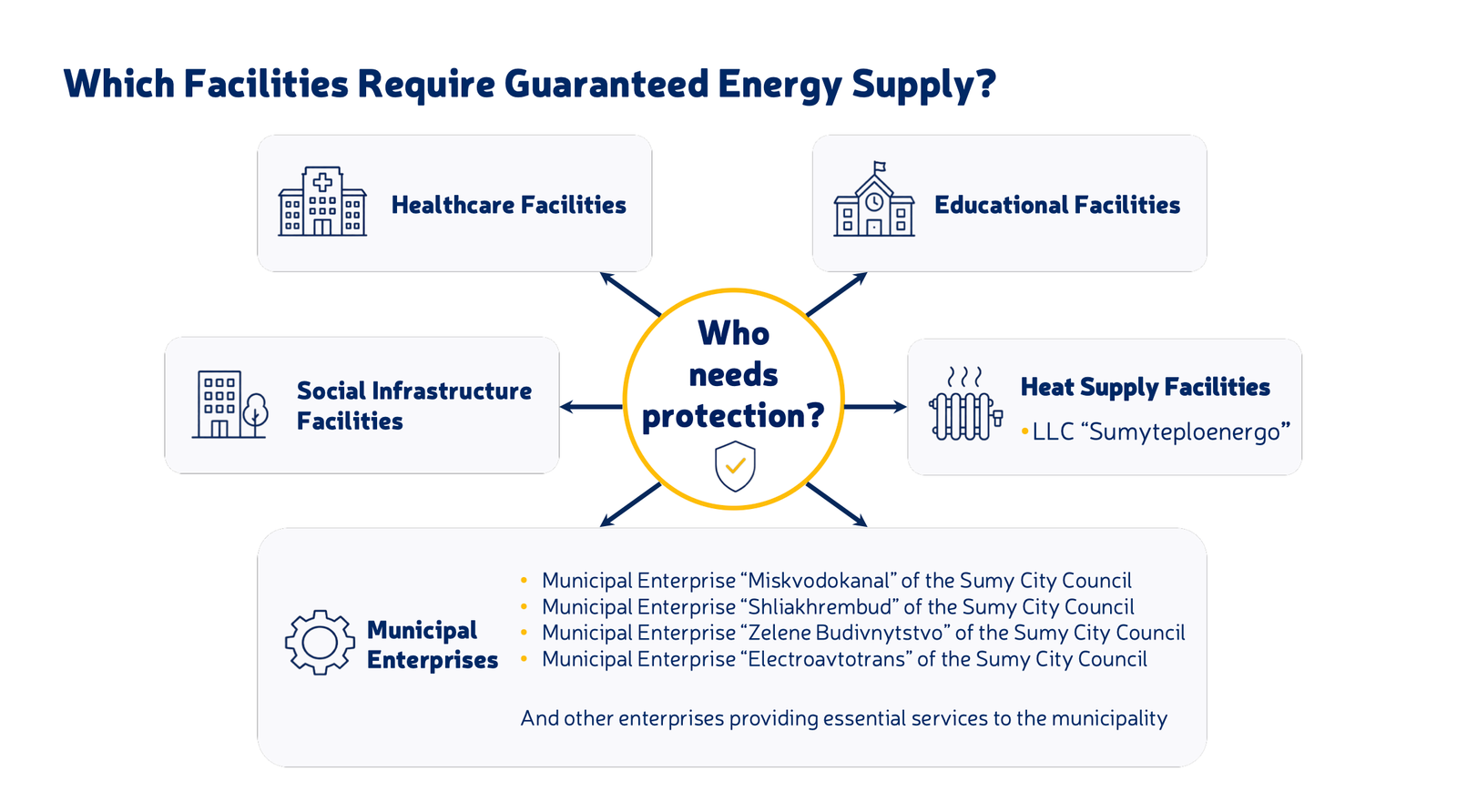
Sumy is a frontline municipality and faces increased risks to its energy infrastructure on a daily basis. Constant threats of damage to this infrastructure raise the risk of shortages in the centralized power supply and in effect, threaten the continuous operation of important critical objects.
We already adopting decentralized solutions—solar power plants, energy storage systems, and backup power sources. Meanwhile, there is a need to upgrade and integrate these solutions into a unified energy resilience system. Consequently, establishing a reliable backup power supply scheme is essential for the continuous operation of critical infrastructure and the community’s sustainability in the face of military threats.
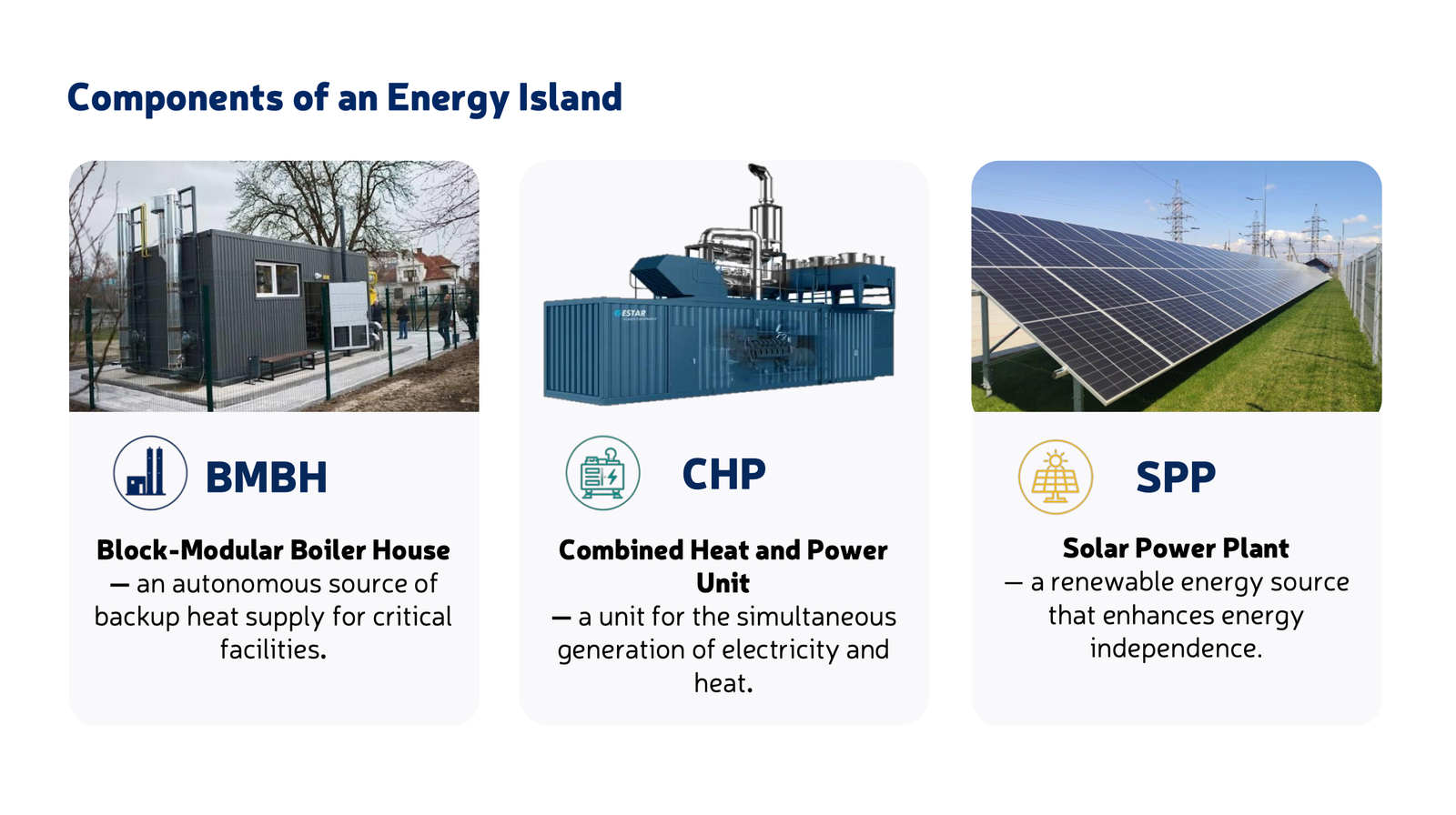
The project concept involves the step-by-step creation of a network of Energy islands, which will consist of cogeneration plants, modular boiler houses, solar power plants, and energy storage systems. Each of these components serves as an independent backup energy source, yet at the same time integrates into the community’s overall energy resilience system. Such an approach ensures flexibility in project implementation, as each individual element can be deployed independently but once installed, immediately functions as part of a unified backup power supply architecture.
Key Components
Decentralized heat supply. Establishment of a network of modular boiler houses and cogeneration plants at key points in the community’s heat supply system. Modular boiler houses will provide alternative heating capacity, while cogeneration plants will allow simultaneous production of heat and electricity. Combining these technologies will increase the autonomy of the heating system and reduce its dependence on centralized sources.
Distributed solar generation. Expanding local electricity generation by installing solar power stations at critical infrastructure facilities, particularly in the healthcare, education, and water supply sectors, as well as other facilities essential to community life.
Battery energy storage systems (BESS) and backup power systems. Installing energy storage systems and backup power sources at critical facilities to ensure their uninterrupted operation during outages in the centralized power supply.
Microgrid and energy islands. The development of local energy clusters that will combine various generation sources, storage systems, and backup power supplies and will be able to operate autonomously in the case of a failure of the centralized power supply.
Secure and Intelligent energy infrastructure. Improving grid stability through the use of secure electricity substations and transformers, backup power lines, energy efficiency measures, and digital monitoring of power systems.
Effective solution for the winter
The proposed model is particularly relevant for ensuring heating season, as it allows for the rapid creation of additional reserve capacity and reduces the dependence of critical facilities on centralized energy sources. Locating decentralized heat and electricity sources in close proximity to housing areas increases the system’s resilience to damages of individual energy facilities and grids.
Expected benefits for the municipality
Current progress and scaling potential
Block-modular boiler houses
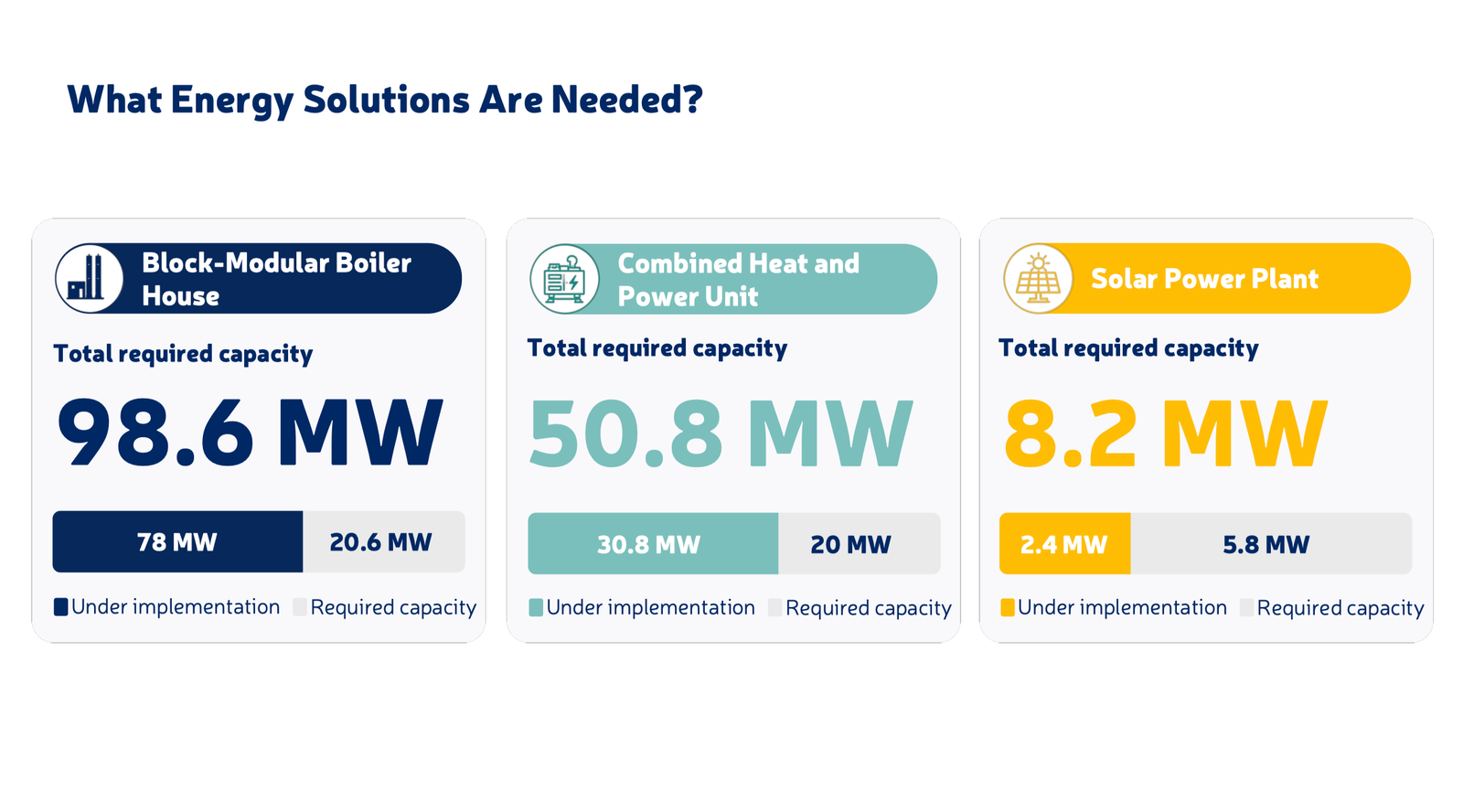
At the end of 2025, Sumy city procured 20 gas-fired modular boiler houses with a total thermal capacity of 78 MW.Their installation and connection at various locations throughout the municipality are currently underway. The boiler houses provide the foundation for developing a decentralized district heating system and ensuring backup thermal capacity, which will reduce the risk of large-scale disruptions in the event of damage to the main heat sources or sections of the heating network. To further develop an extensive decentralized heating system,14 modular boiler houses with a total capacity of 20.6 MW need to be installed, with individual units ranging from 0.5 to 2.5 MW in capacity.
Cogeneration Units (CHP Units)
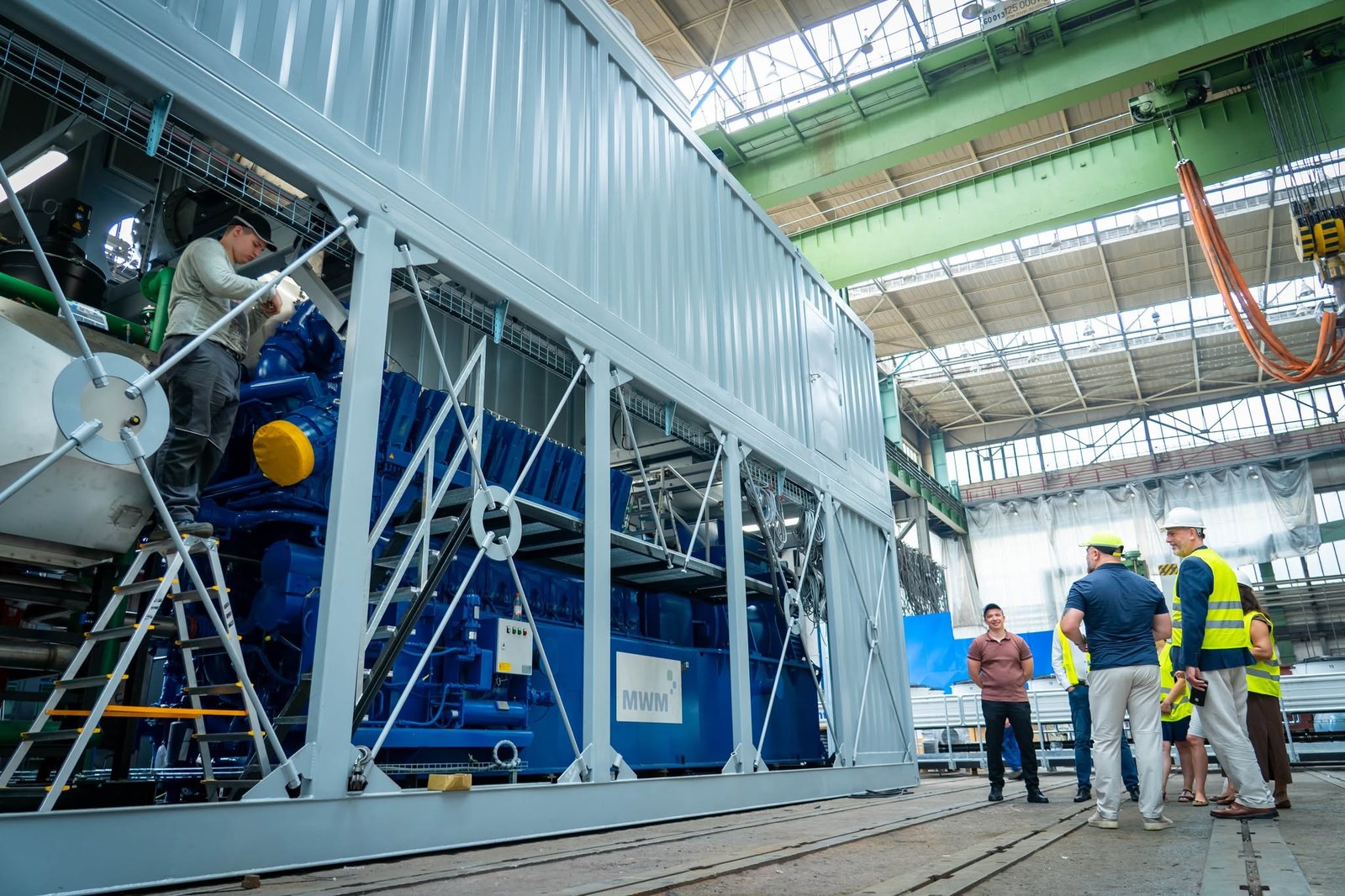
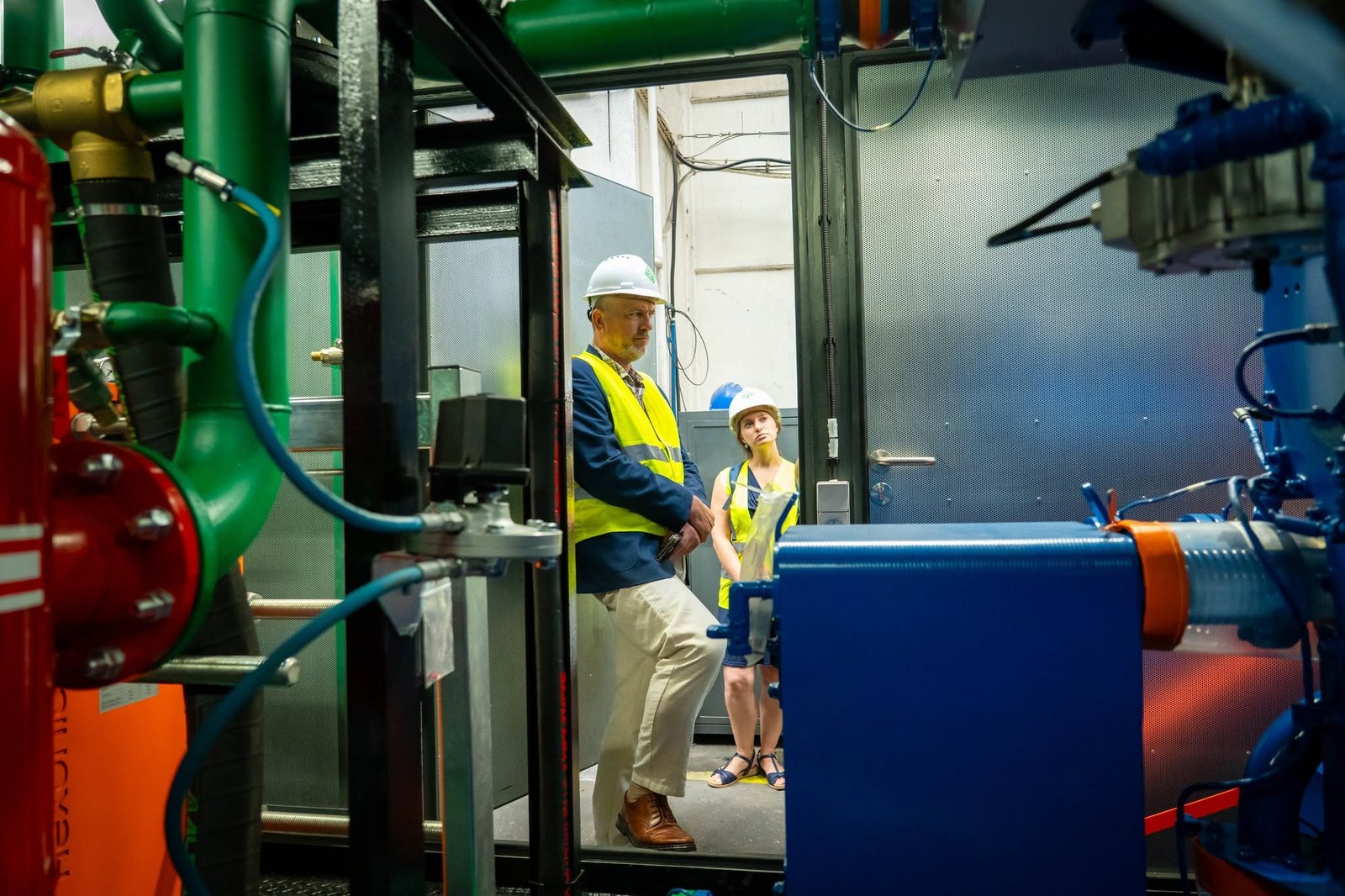
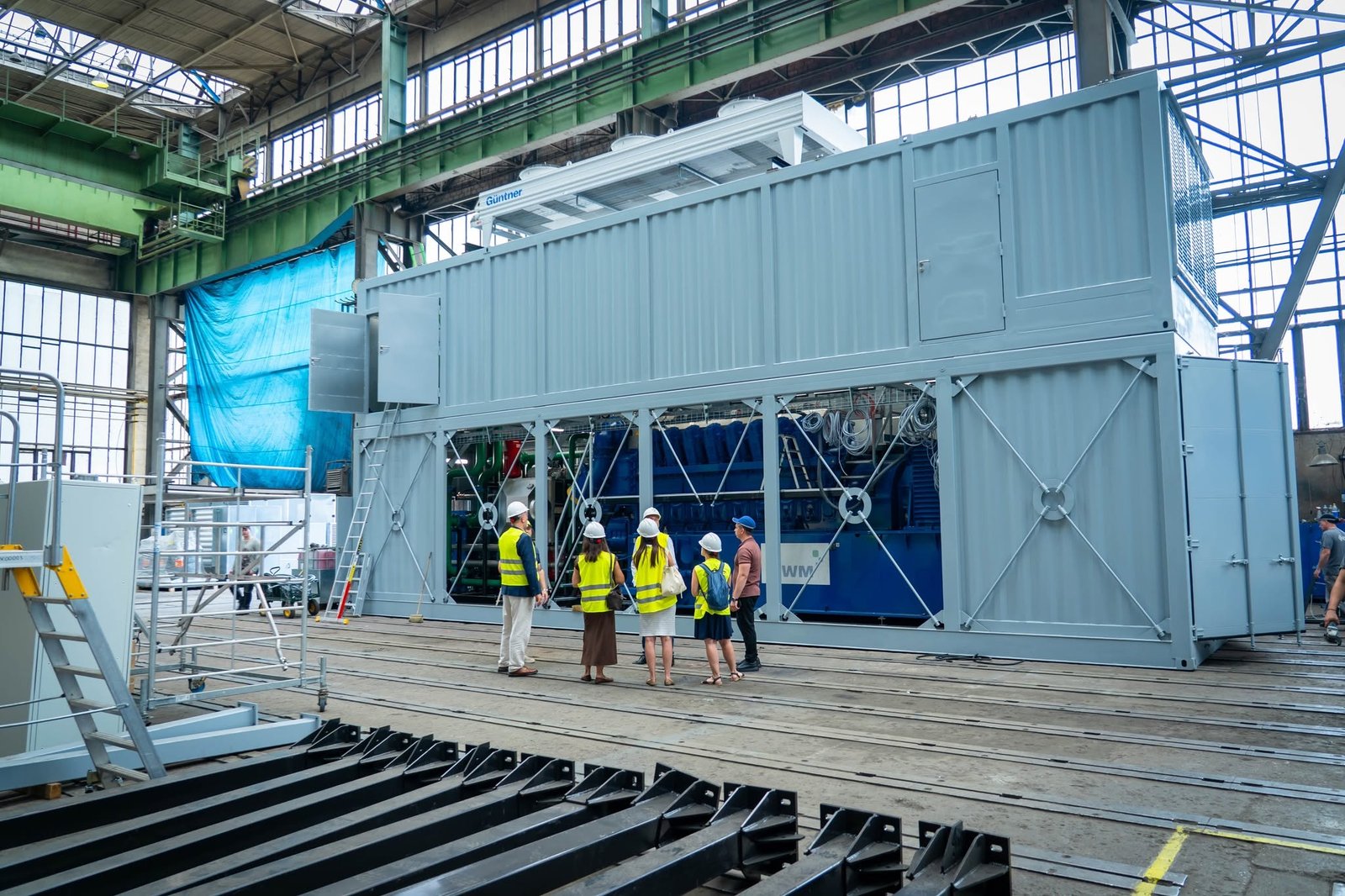
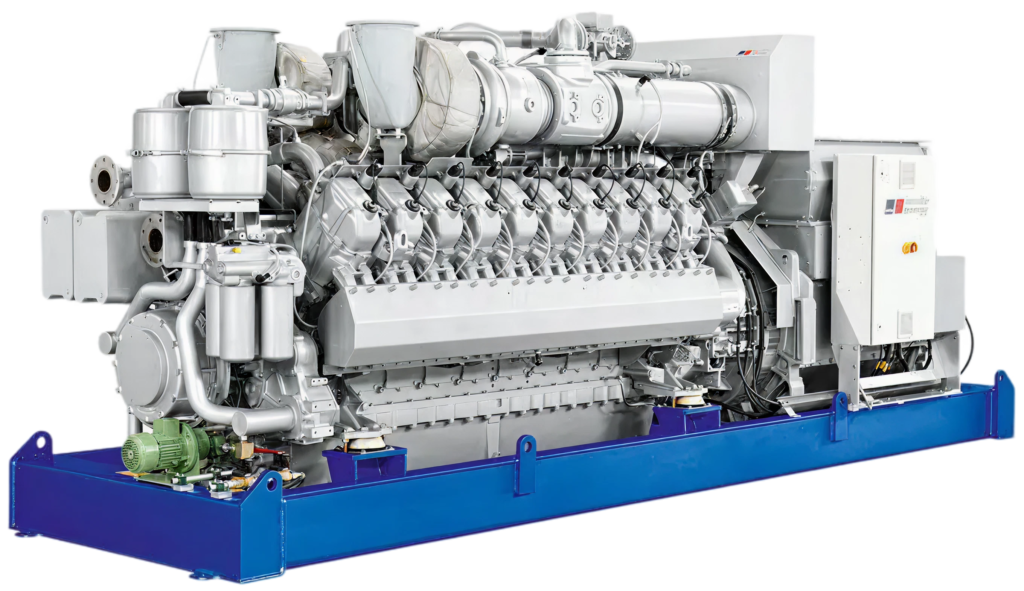
With the support of European partners, Sumy city has already received and plans to install 16 cogeneration units with a total electrical capacity of 30.8 MW. For the further development of decentralized generation, the municipality’s additional need is 20 MW of cogeneration units (CHP units). Their deployment will enable the simultaneous generation of electricity and heat, while strengthening the autonomy and resilience of critical infrastructure.
Solar power plants (SPP)
To ensure the uninterrupted operation of hospitals and municipal enterprises, particularly water supply systems, hybrid solar power plants with a total capacity of 2.4 MW have already been installed in city hromada. To further expand distributed generation and guarantee the energy self-sufficiency of critical infrastructure, the municipality needs an additional 5.8 MW of solar power capacity.
Battery energy storage systems (BESS)
Battery Energy Storage Systems (BESS) are viewed not as a separate power source, but as an integrating element of Energy islands, combining solar generation, cogeneration units, modular boiler houses, and critical loads into a single local power system. This approach makes it possible to store excess electricity, use it during grid outages, and ensure longer-lasting autonomous operation of critical facilities. Battery Energy Storage Systems are being implemented in the municipality to increase the self-sufficiency of critical infrastructure and ensure a backup power supply.
A separate area of focus is Municipal enterprise “Miskvodokanal”,where8 energy storage systems with a total capacity of 420 kW and a total storage capacity of 780 kWhhave already been installed. To further strengthen the energy resilience of water supply facilities, an additional need has been identified for 32 energy storage systems with power capacities ranging from 10 kW to 1 MW and energy storage capacities ranging from 100 kWh to 10 MWh. Their integration with hybrid solar PV systems will increase the autonomy of water supply facilities and ensure the continuity of services during disruptions to the centralized power supply. In addition, to provide backup power to municipal budget-funded institutions, 79 energy storage systems of various capacities, ranging from 15 to 60 kW, need to be installed. This will increase their energy autonomy and ensure uninterrupted operation during power outages.
Technical approach
The project’s technical approach is based on creating a decentralized network of Energy islands around key critical infrastructure facilities. Each Energy island will combine available local generation sources – cogeneration plants, modular boiler houses, solar power plants, and energy storage systems – to form an autonomous energy loop.
The main principle is the diversification of energy sources and the ability to operate autonomously. In the event of damage or a shutdown of the centralized grid, the Energy island must supply priority loads using local generation and stored energy, with the ability to automatically switch between sources.
The system will integrate local generation, storage, and consumption into a single microgrid, which will enable effective management of energy flows, prioritize critical loads, and ensure the greatest possible autonomy for individual facilities or groups of facilities.