Адреса:
7, Стецьківська вул., місто Суми, Сумська область, 40491, Україна
Адреса:
7, Стецьківська вул., місто Суми, Сумська область, 40491, Україна
Ideas shaping Ukraine’s future
Ideas shaping Ukraine’s future
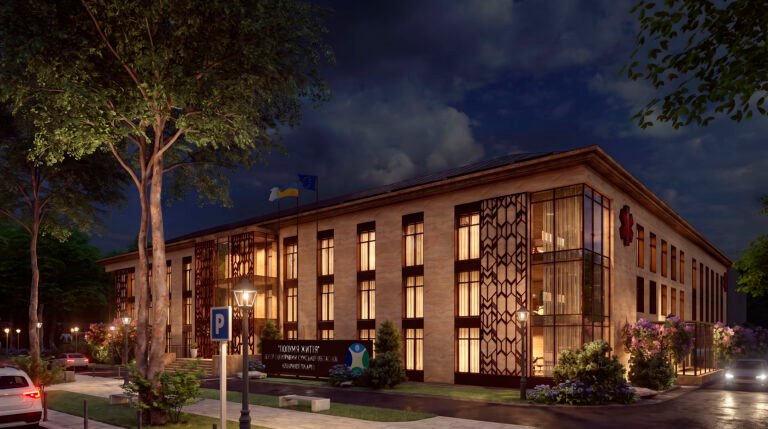
Sumy Regional Clinical Hospital is the leading treatment and prevention institution providing specialized medical care to the population of the region. The hospital also serves as a teaching and research base for clinical placements of students from the Medical Institute of Sumy State University, medical college trainees, and physicians from healthcare institutions throughout the region.
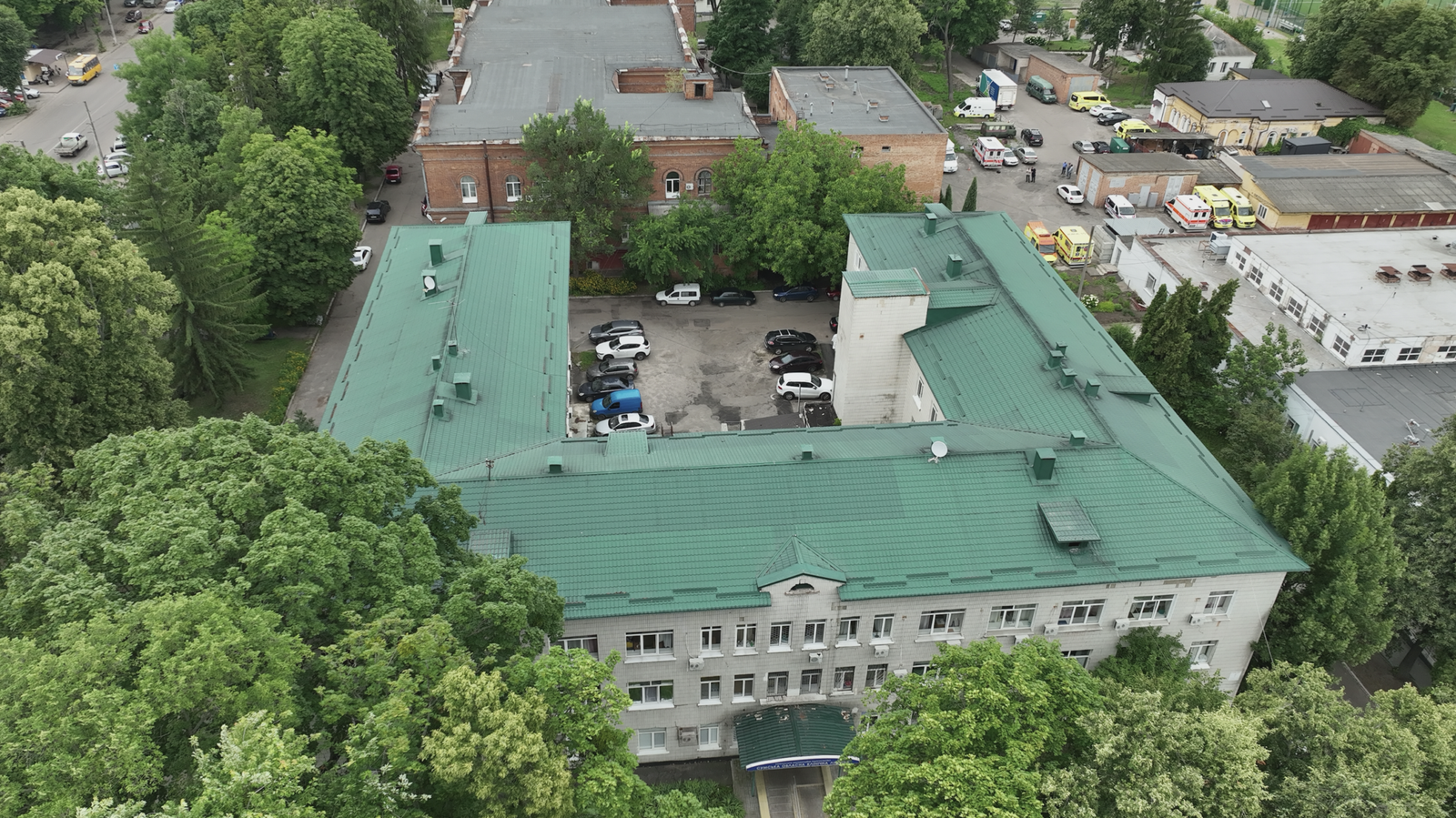
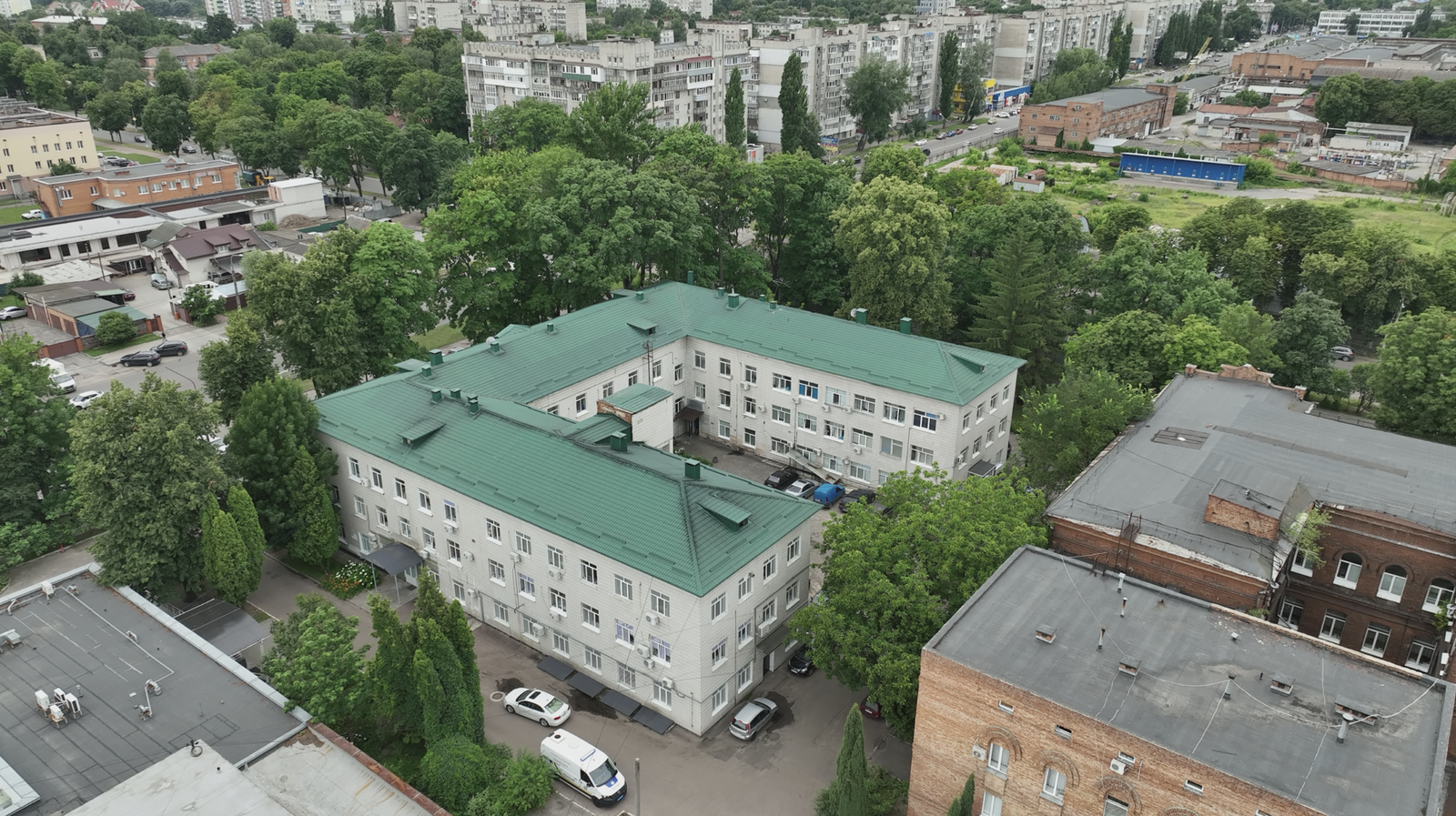
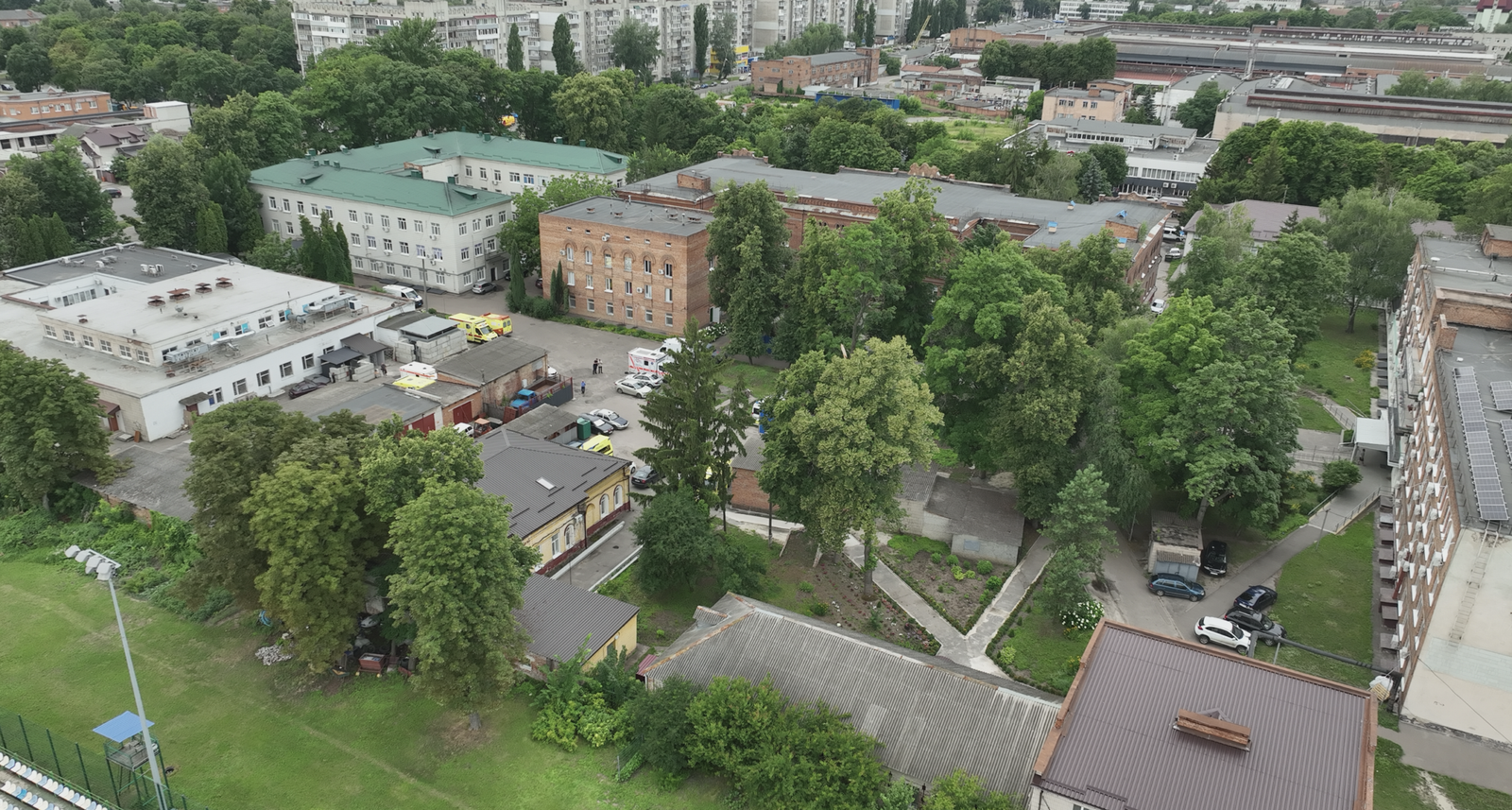
It is proposed that the Polytrauma Center be established on the basis of the existing emergency and intensive care department. As part of the national medical guarantees program, and in order to improve the quality of care provided to the region’s population, the anesthesiology department was reorganized to include intensive care beds, and a 10-bed intensive care unit was established on 1 August 2022.
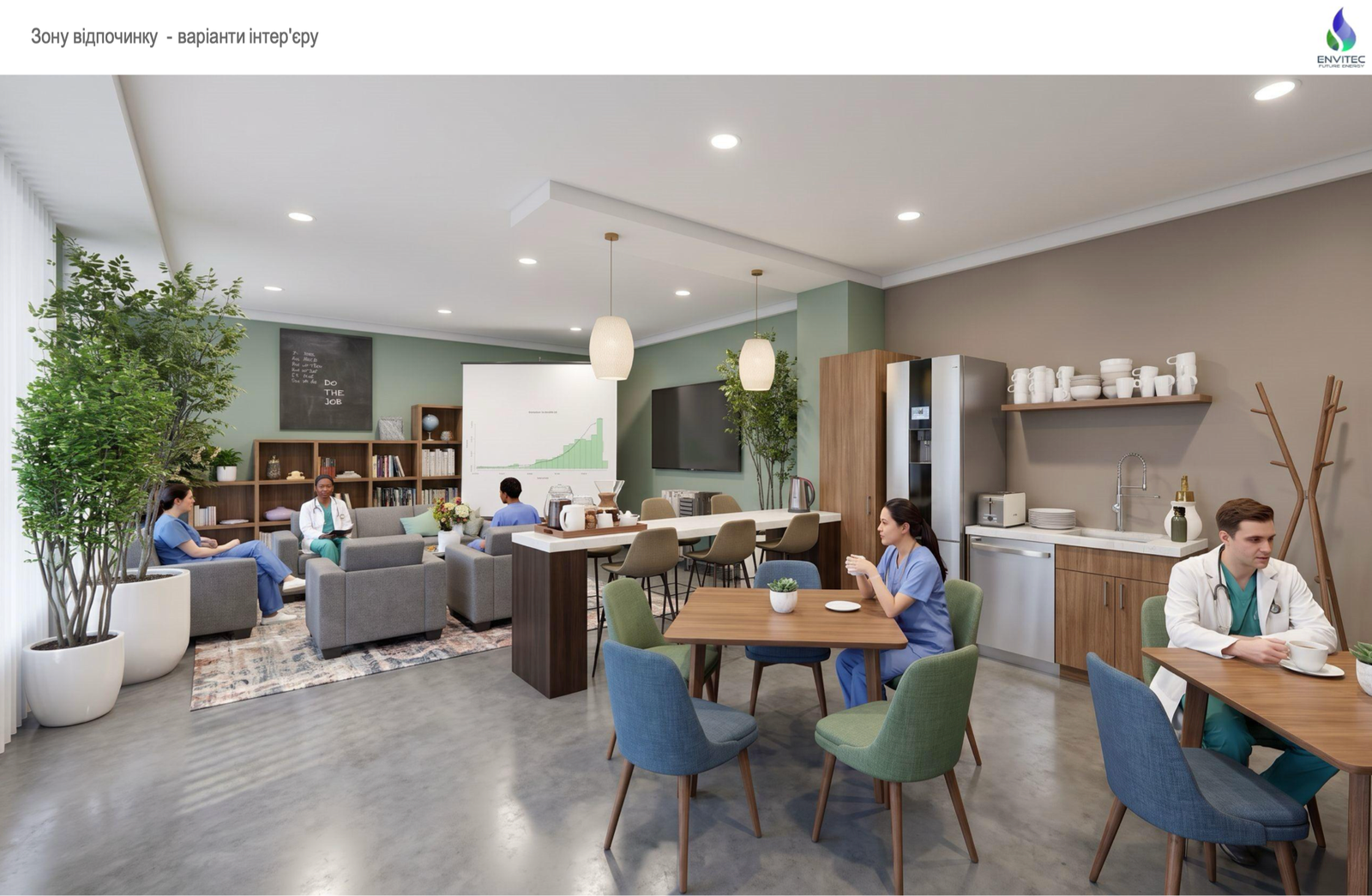
The ward’s staff comprises a head of department (an anesthesiologist), six additional anesthesiologists, eleven nurses, and six nursing assistants. The ward is located on the first floor of Building No. 3 at 48 Troitska Street and includes offices for the head of ward and senior nurse, a treatment room, four patient wards, a hyperbaric chamber room, secure storage for narcotic and psychotropic medications, a staff dining area, and restrooms for staff and patients.
Total floor area: 218.7 m².

As a provider of highly specialized medical care and one of the principal medical centers in Sumy oblast, Sumy Regional Clinical Hospital operates under continuous, elevated strain, a consequence of the region’s proximity to the front line, regular shelling of border communities, a rising number of severe combined injuries, and the ordinary burden of civilian trauma, road traffic accidents, and industrial injuries.
According to publicly available reports, mass civilian casualties resulting from missile, artillery, and other strikes were recorded repeatedly across Sumy oblast throughout 2024, with particularly high numbers of wounded reported in Shostka, Krasnopillia, Bilopillia, and other municipalities.
Such cases demonstrate a sustained need for a fast, coordinated, and highly specialized regional system of care for polytrauma patients.
Rationale for the “Flame of Life” Polytrauma Center project
The treatment of polytrauma patients requires a high volume of emergency surgical interventions, places considerable strain on the intensive care unit, and depends on rapid access to computed tomography, angiography, laboratory diagnostics, blood components, and costly consumable materials.
Additional challenges include the need to maintain continuous, round-the-clock coverage by a multidisciplinary team, a shortage of narrow specialists, and the need for early rehabilitation of patients following severe trauma. Establishing a dedicated polytrauma department would ensure 24-hour availability of specialized care, reduce the time between hospitalization and surgical intervention, improve coordination between related services, lower mortality and disability rates, and provide a modern, safe environment for the treatment of critically injured patients.

Throughout the full-scale war, Sumy oblast has remained under conditions of heightened military danger. Border hromadas are faced with regular shelling, and healthcare facilities consequently receive patients with mine-blast injuries, shrapnel wounds, gunshot wounds, burns, crush syndrome, and combined injuries.
Such patients typically present with multiple simultaneous injuries: damage to the chest, abdomen, limbs, and major blood vessels; traumatic brain injury; burns; massive blood loss; traumatic shock; acute respiratory failure; infectious complications; and the risk of multiple organ failure. Treatment therefore requires the simultaneous, rather than sequential, involvement of several specialized services.
The time factor and the “golden hour“
For a polytrauma patient, the interval between injury and the start of stabilization, diagnosis, and surgical control of bleeding or other life-threatening conditions is of critical importance. International practice refers to this as the “golden hour“, the period during which timely medical intervention has the greatest effect on the patient’s chances of survival.
In the front-line hromadas of Sumy oblast, this time factor is further complicated by several circumstances: the distance of settlements from the regional center, the danger of movement during shelling, damage to roads, the need to wait for a safe window for evacuation, and the limited capacity of local facilities to provide a full cycle of care for severe combined trauma.
For this reason, the regional polytrauma center must serve not only as a place of definitive treatment, but also as a coordinating element of the regional system: an institution that admits the most severely injured patients, provides consultative support to other hospitals, determines patient routing, and ensures the rapid involvement of specialist teams upon a patient’s arrival.
Capacities the hospital already has in place for a Polytrauma Center:
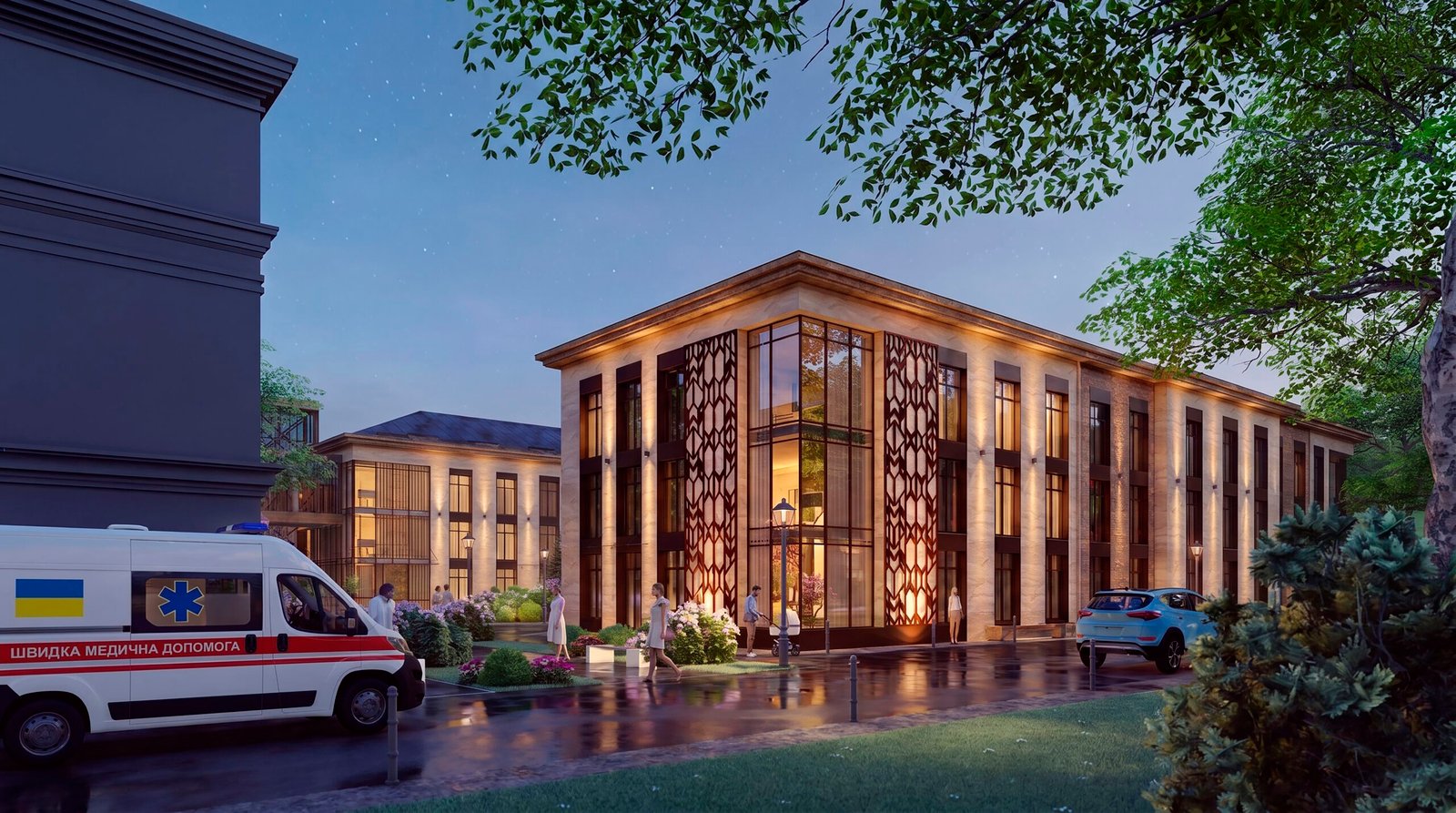
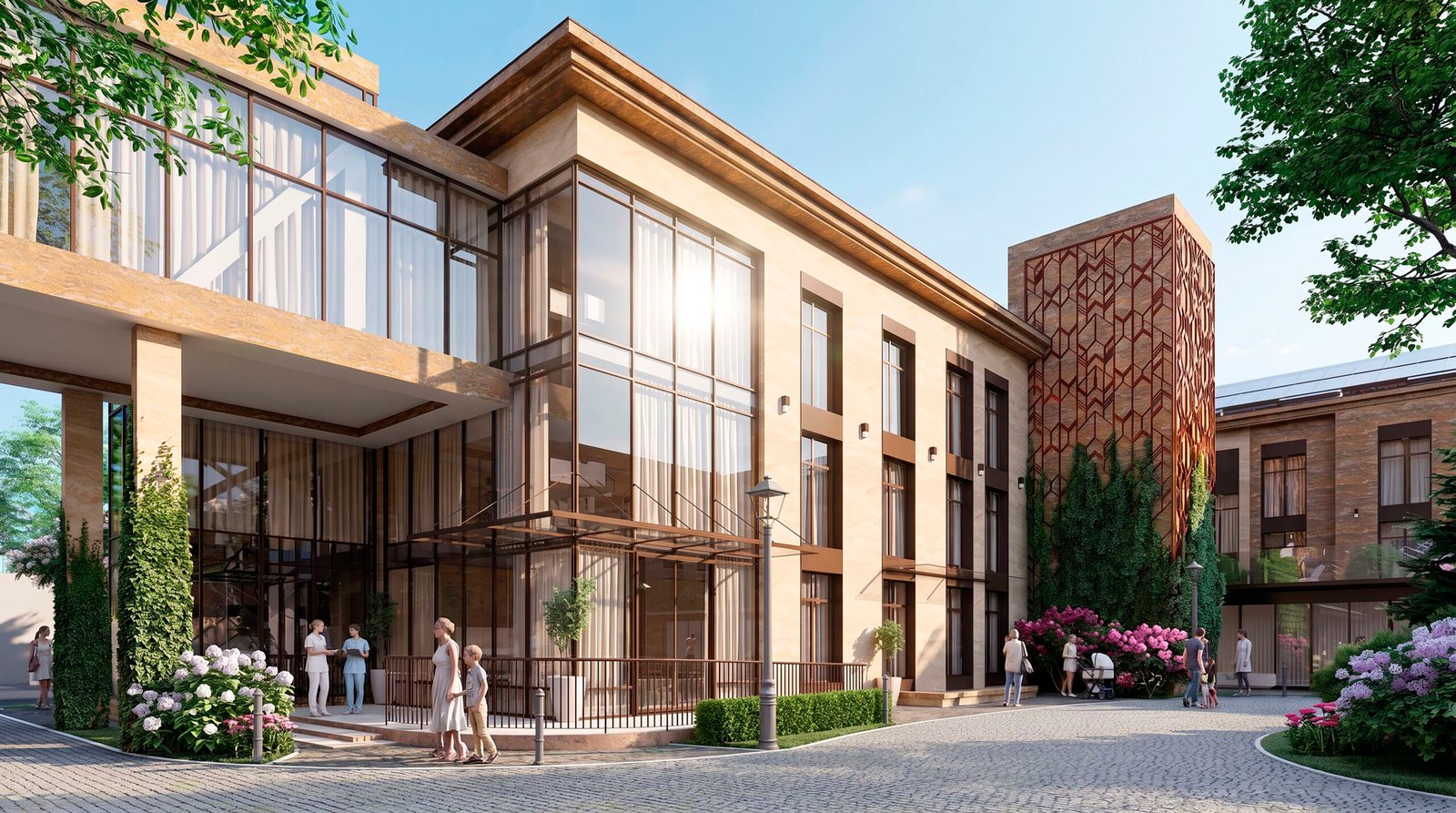
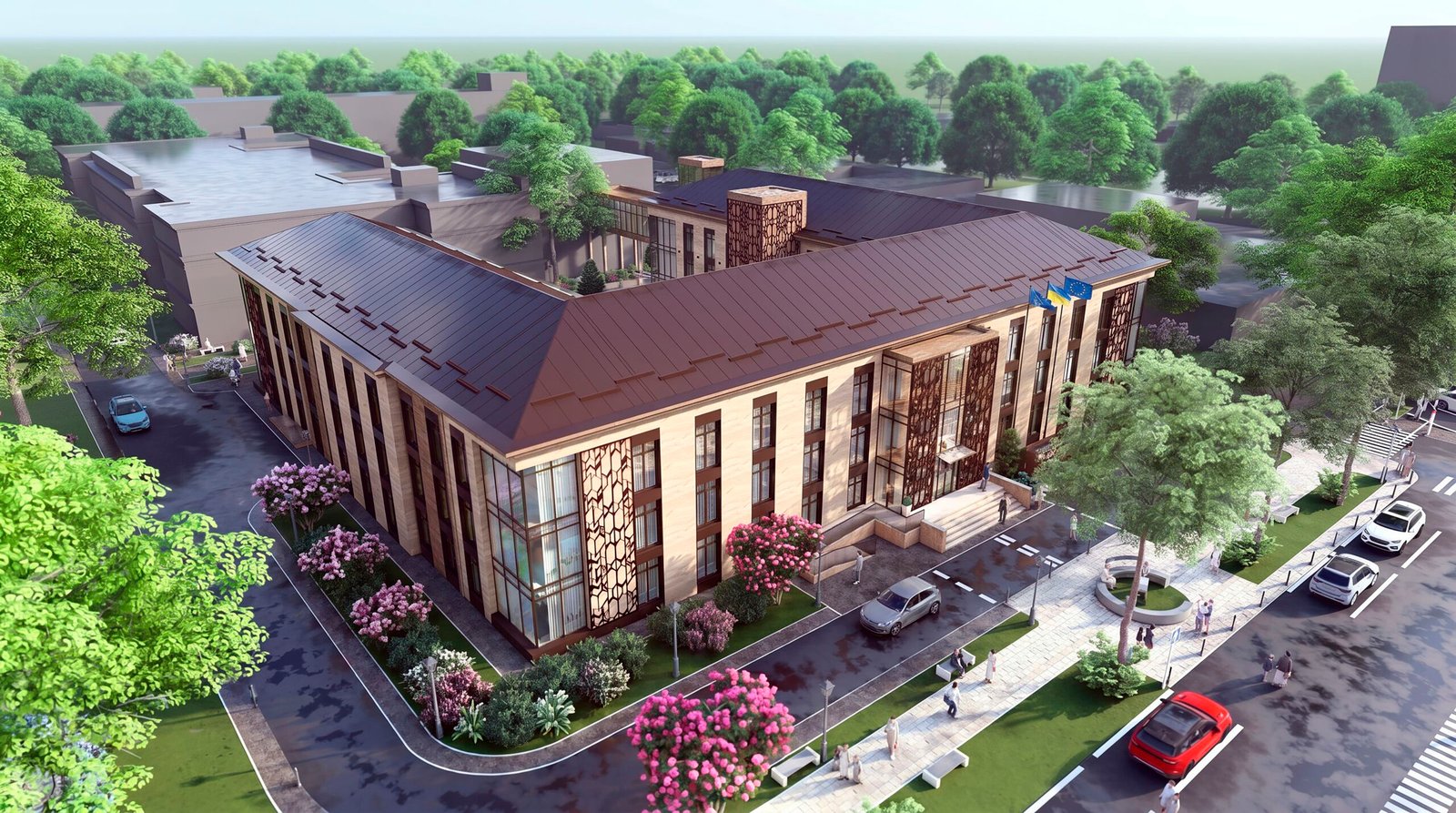
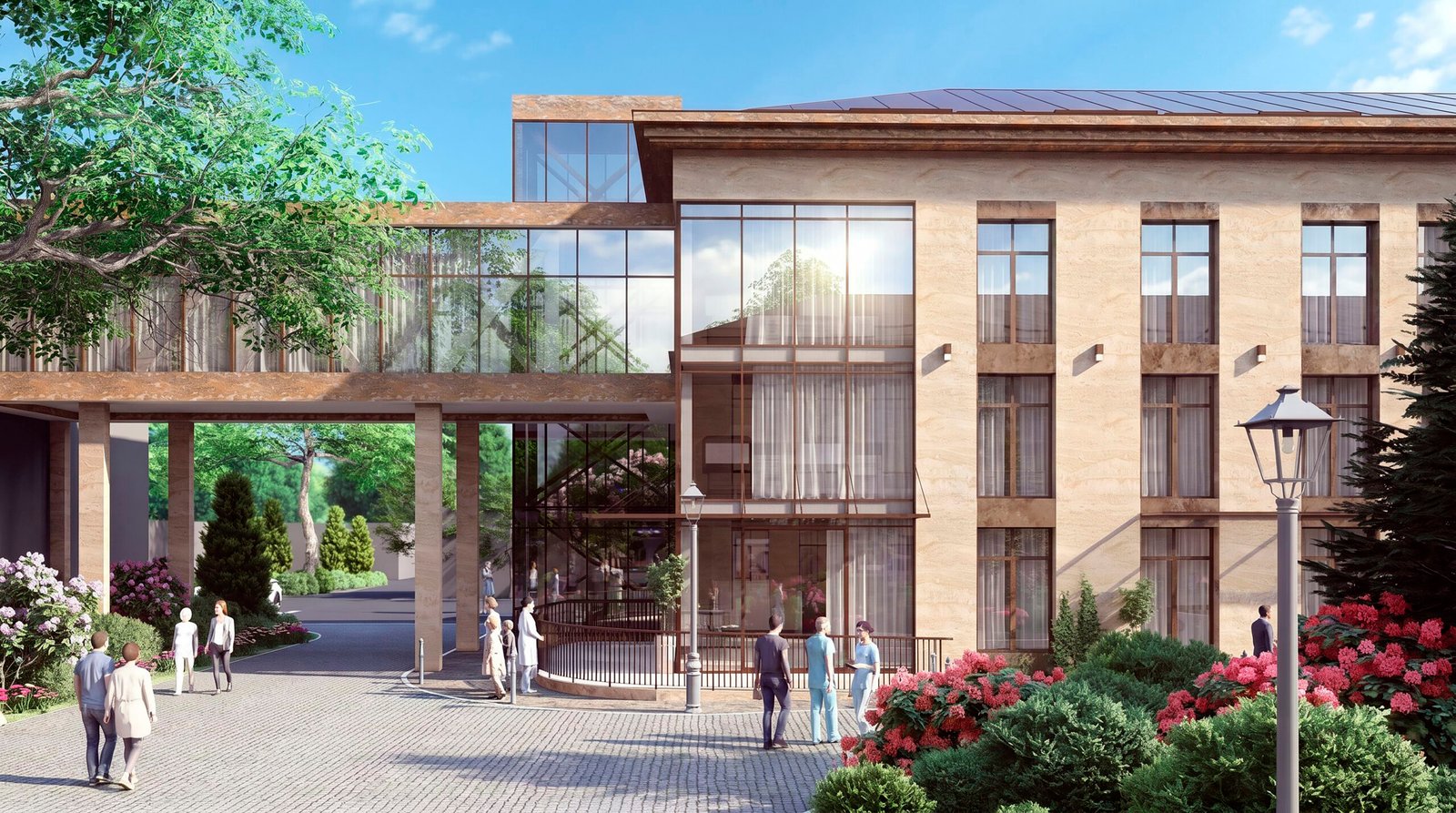
To open a fully functioning polytrauma center on the basis of the existing premises, the following is required:
Installation of isolation units expanded capacity for polytrauma treatment, and the conditions necessary to perform CRRT.
Social significance of the project
For the region, the project also means greater readiness for mass casualty events, a clear referral pathway for other hospitals, a strengthened role for the regional hospital as a system-forming medical center, and an enhanced regional capacity to respond to the consequences of military action and other emergencies.
Opening the Polytrauma Center would make it possible to:
The Polytrauma Center will serve as a hub for coordinated medical care, including for Burn Center patients with mine-blast wounds.
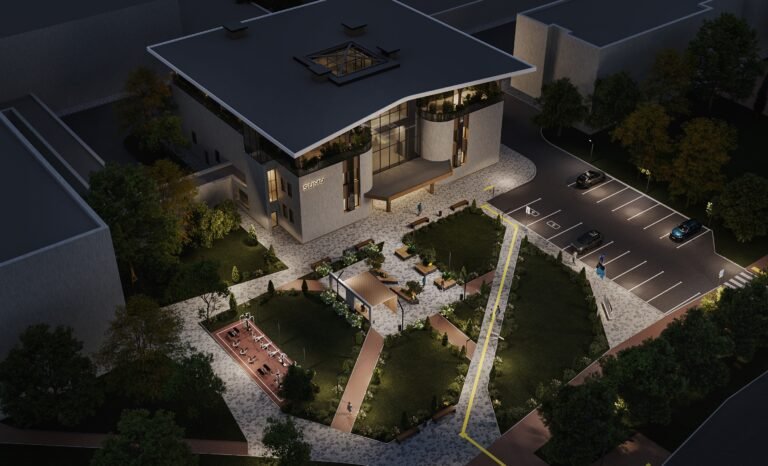
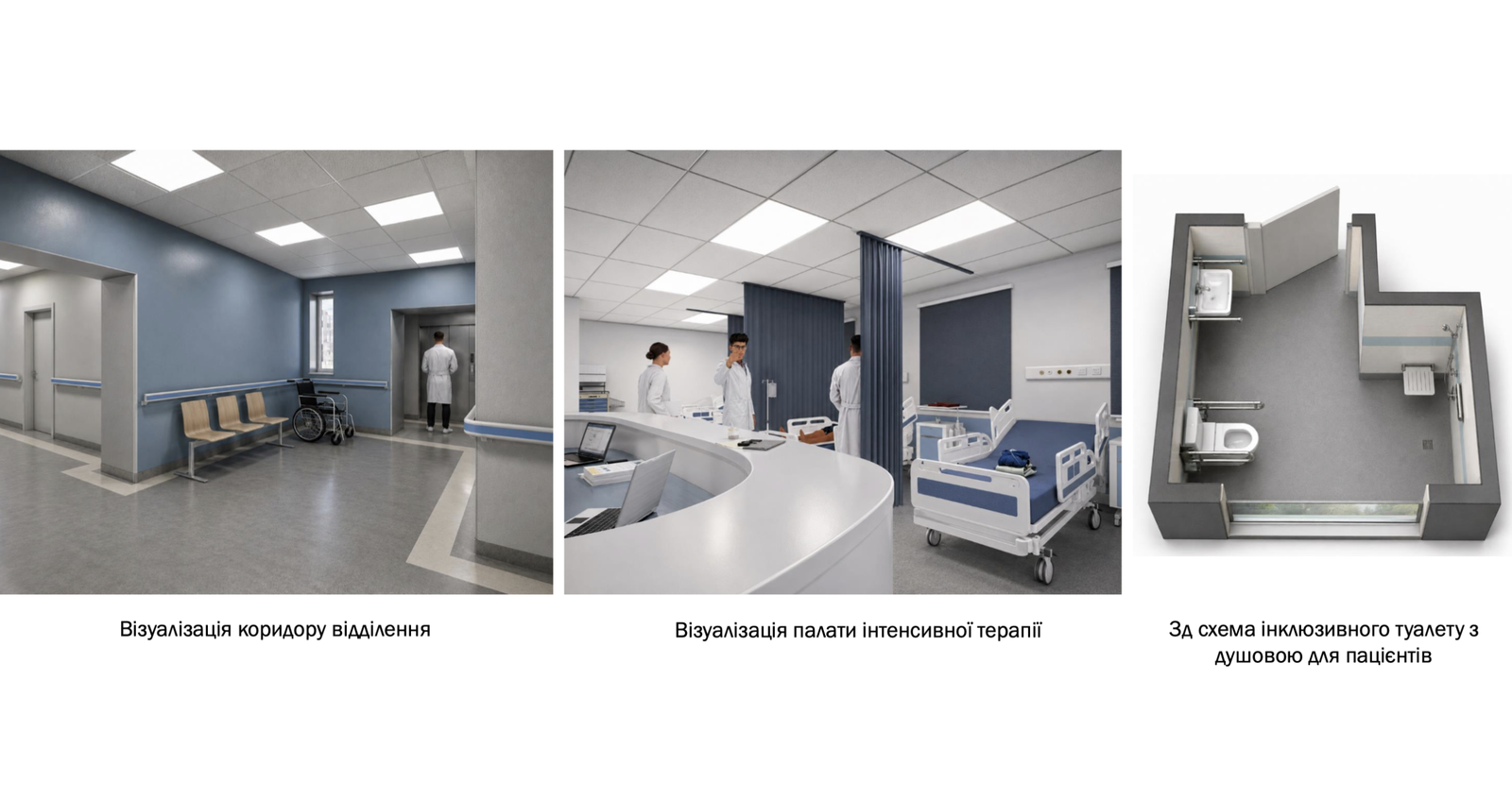
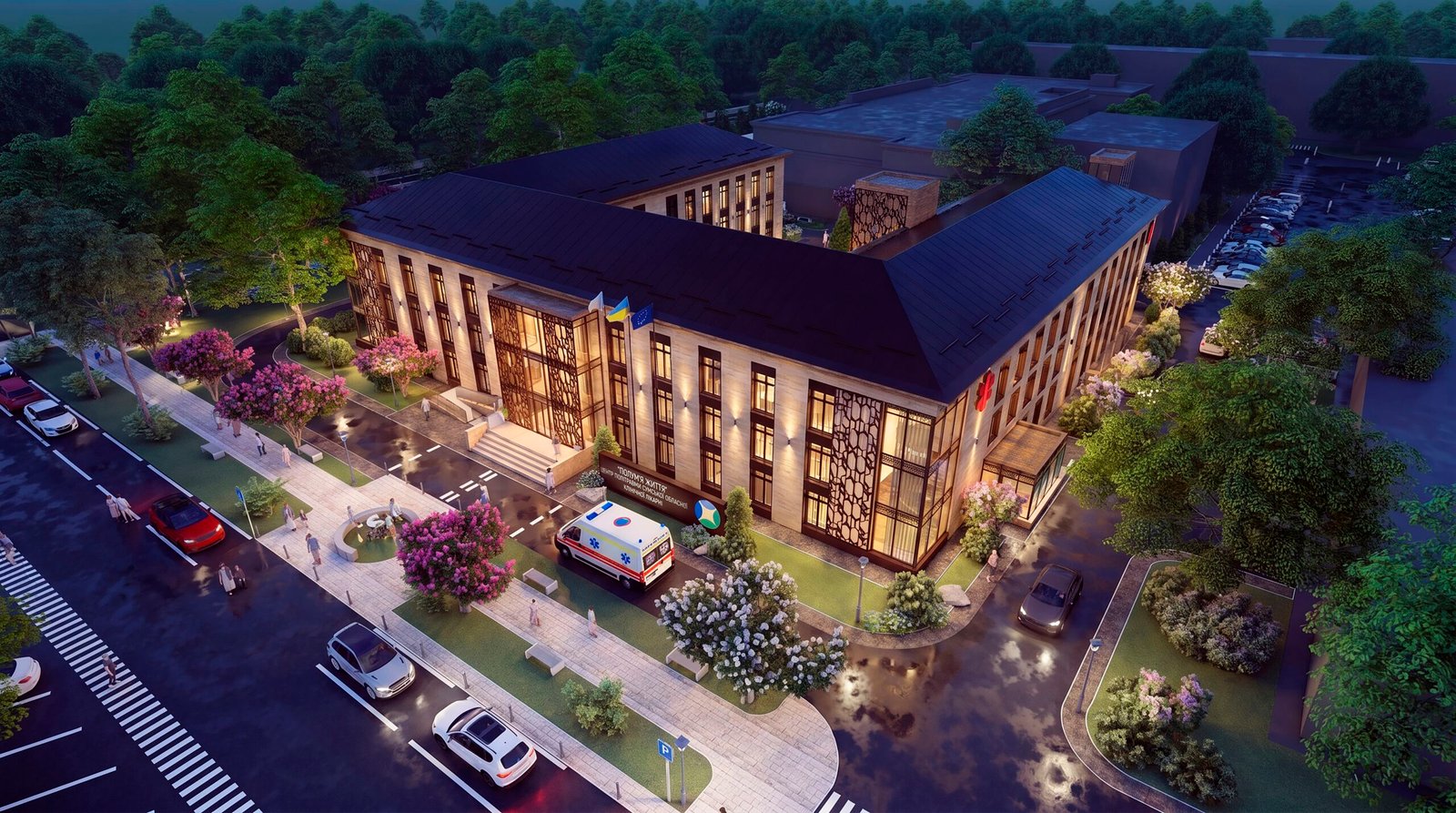
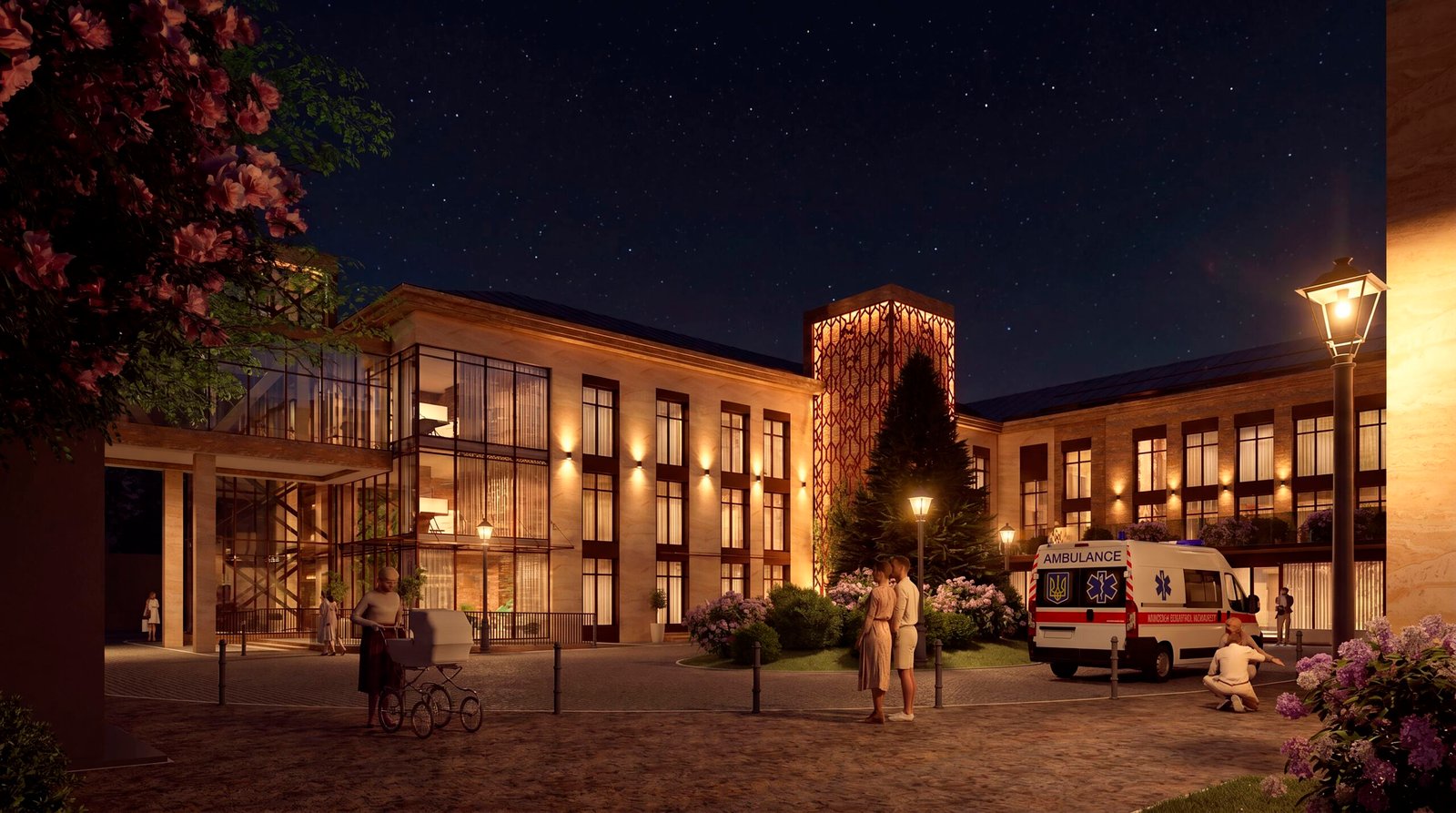
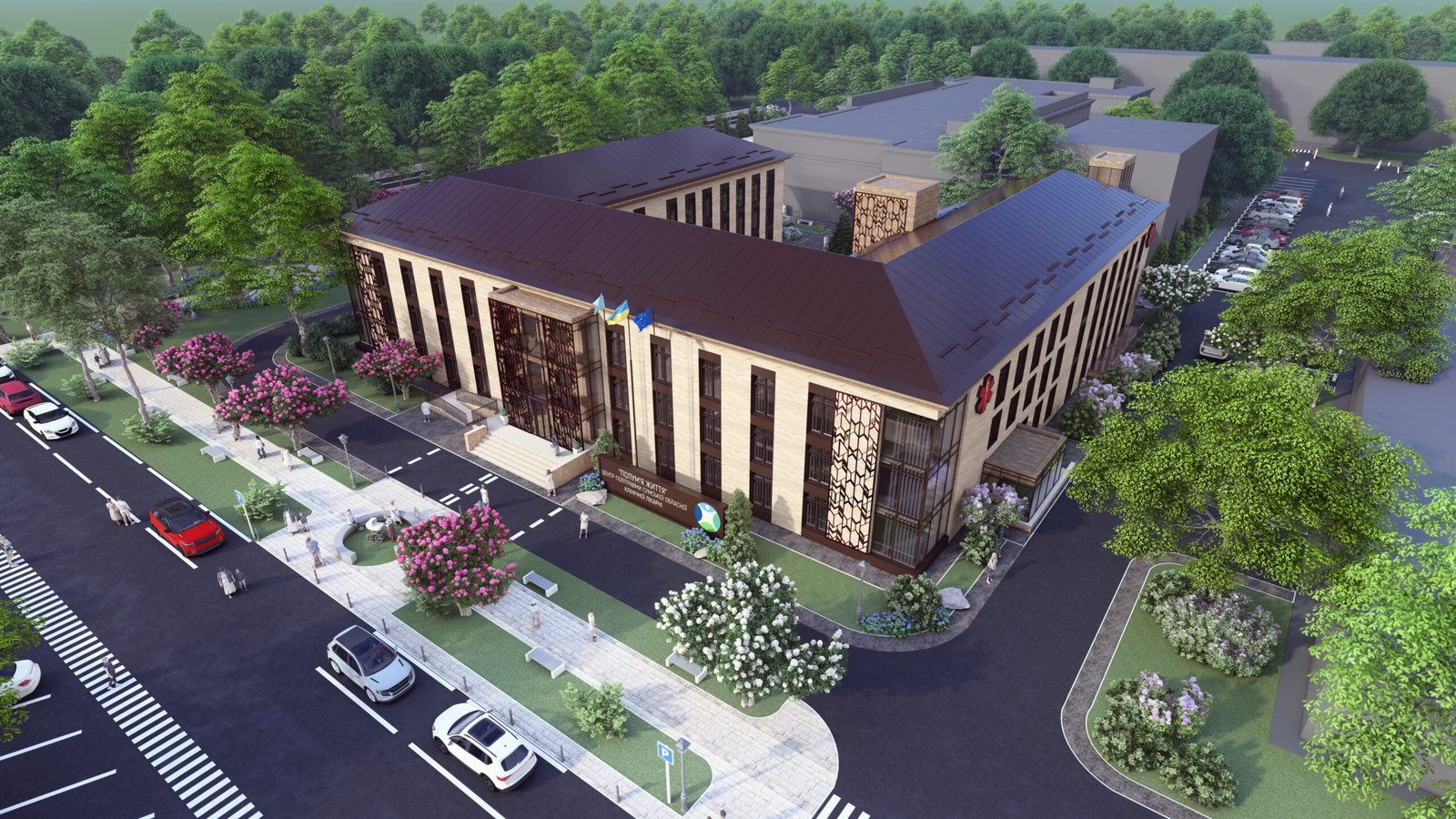
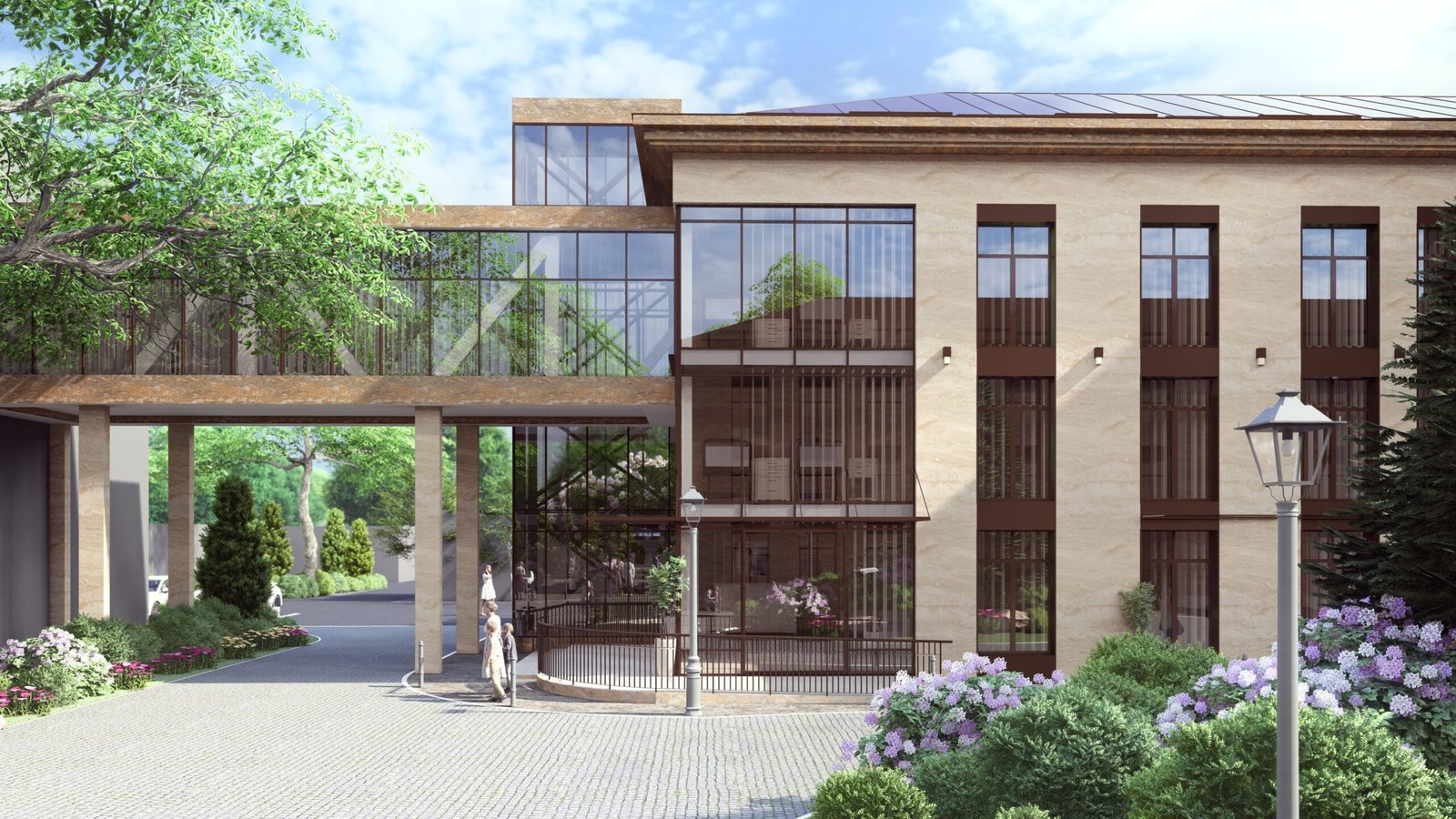
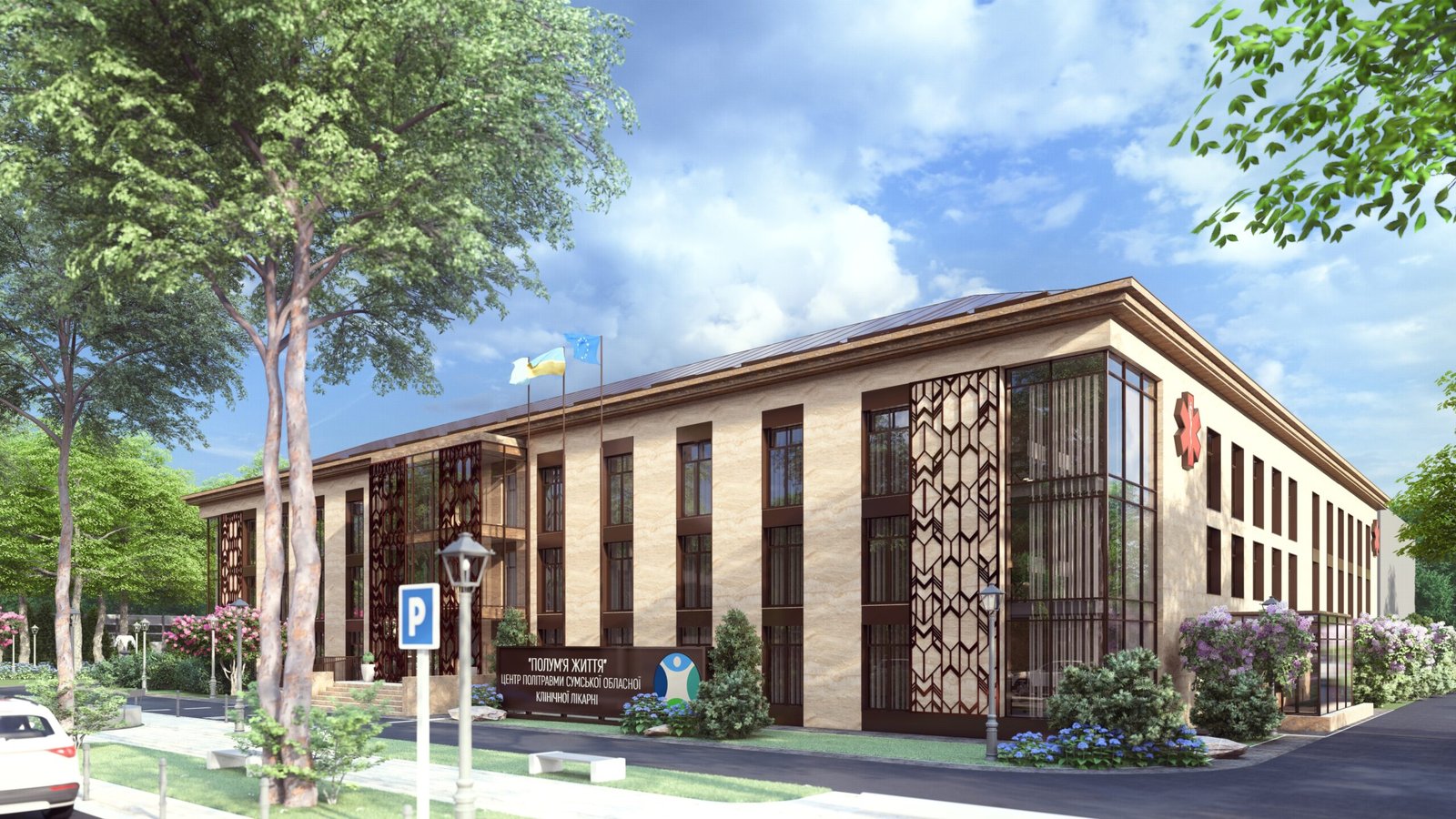
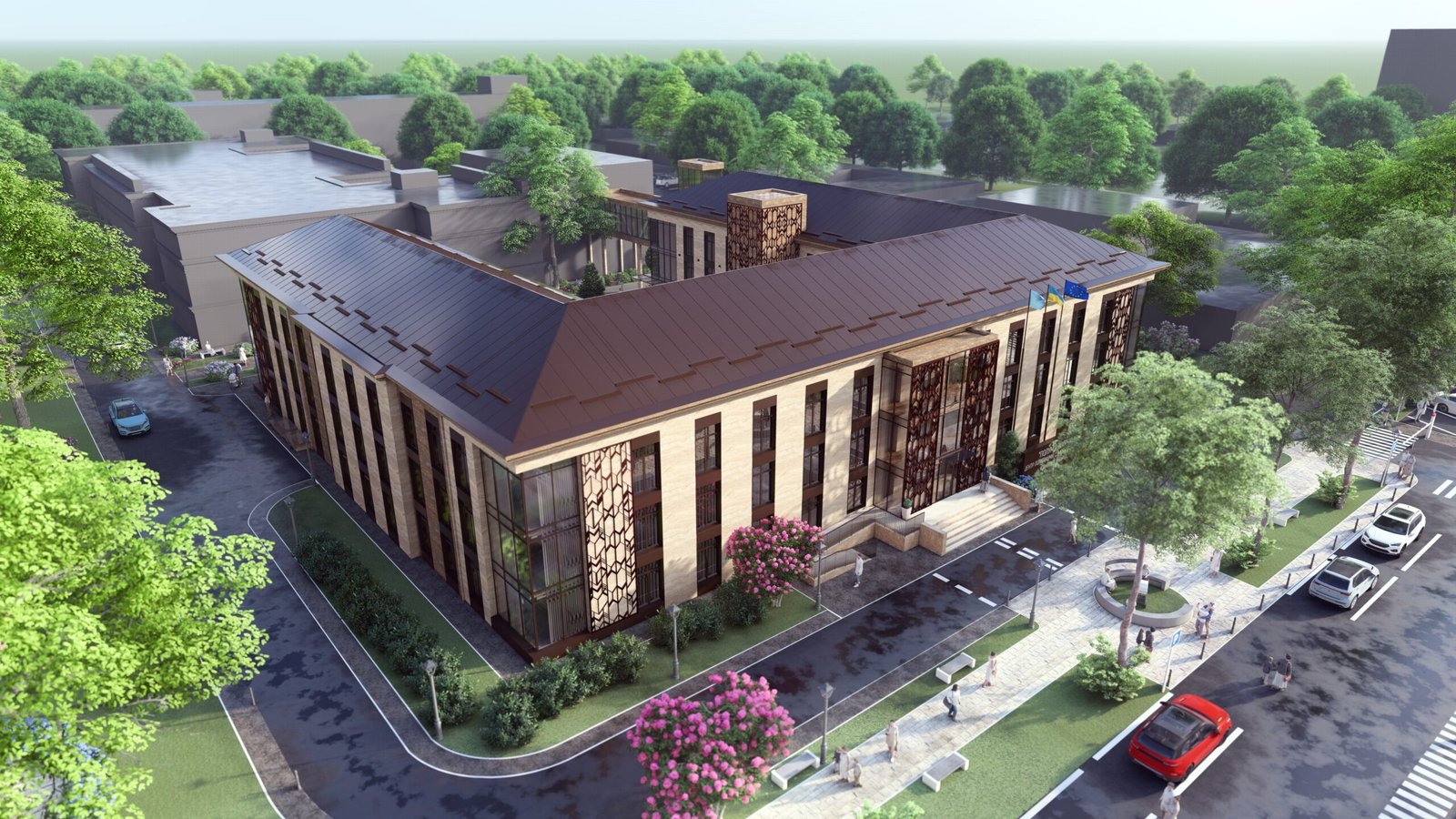
The project provides for thermal modernization of the building, construction of an entrance porch, extension of the elevator shaft, reconfiguration of premises, and finishing of walls, ceilings, and floors in accordance with current standards, together with full replacement of the damaged utility networks.
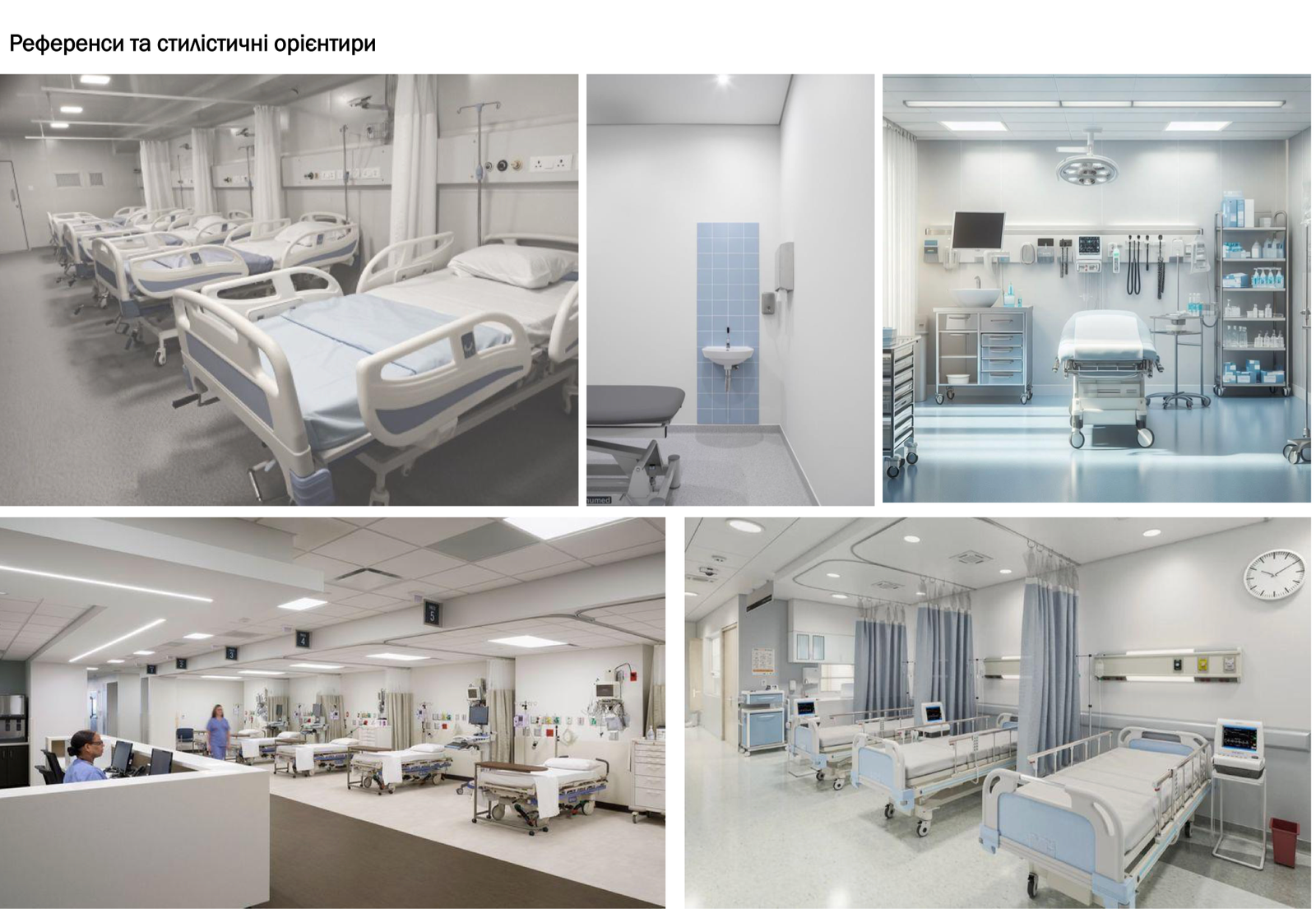
Following the capital renovation, the building will have a functional layout comprising the following rooms: an anti-shock ward with a hyperbaric chamber, a 6-bed intensive care ward, a room for acute hemodialysis, a 2-bed polytrauma ward, a dressing room, a treatment room, a bathing room for patients, mortuary storage, an office for the head of department, an office for the senior nurse, a doctors’ room, a nurses’ room, and auxiliary premises.
Implementation of the Polytrauma Center project includes capital repairs or reconstruction of the premises, fitting out an operating unit and intensive care wards, procurement of modern surgical, resuscitation, and diagnostic equipment, purchase of furniture and equipment, installation of oxygen supply, ventilation, and patient monitoring systems, and other related expenses.
The establishment of the Polytrauma Center will make it possible to provide highly specialized medical care to patients with all categories of severe injury, including mine-blast, combined, and burn injuries. The Center will draw on specialists from the Burn Center, the only specialized unit of its kind in the region. Together, the Polytrauma Center and the Burn Center will provide a complete cycle of medical care, from emergency admission and diagnosis through surgical treatment, intensive care, reconstructive procedures, and subsequent rehabilitation. This will improve the quality and accessibility of care for patients with severe injuries and reduce the need to transfer them to medical facilities in other regions.
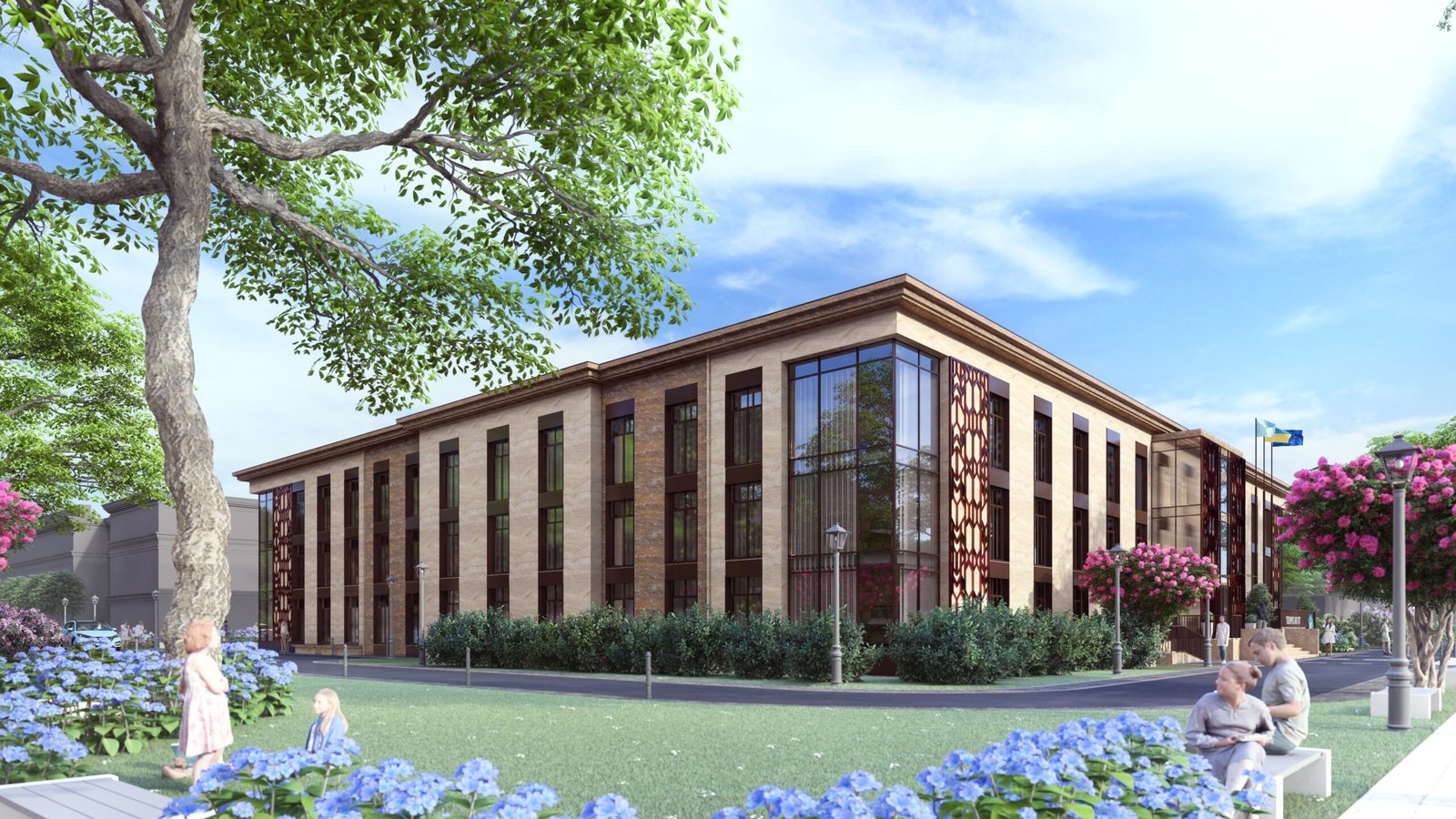
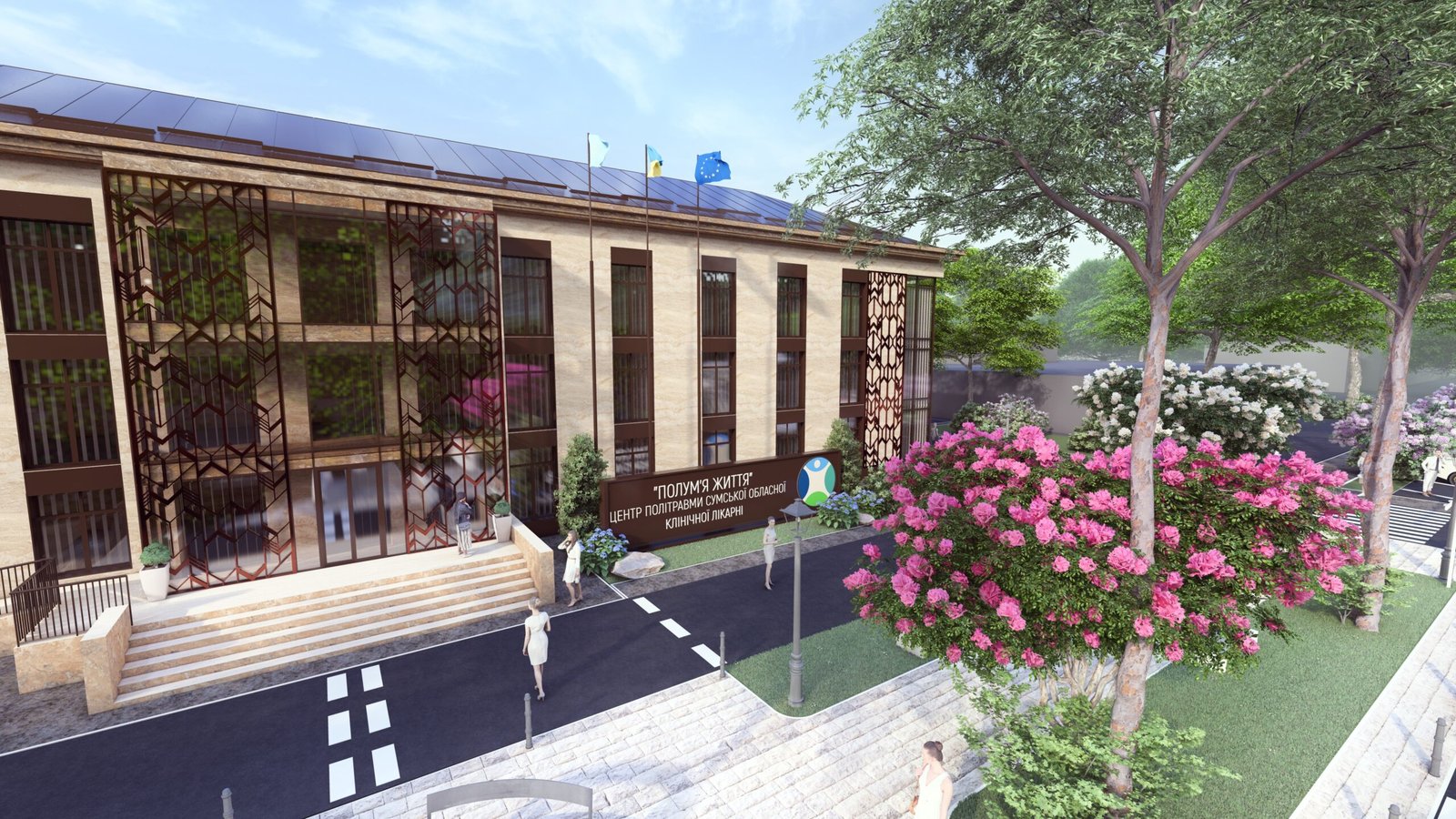
Progress in implementing the Burn Center “Flame of Life” investment project in 2025–2026
On 30 October 2025, project of Sumy Regional Clinical Hospital — the Burn Center “Flame of Life” — was presented in Kyiv at the international conference “Resilience and the European Future of Sumy Oblast”. With the support of the Ministry of Foreign Affairs of Ukraine, and personally of Minister of Foreign Affairs Andrii Sybiha and Oleh Hryhorov, Head of the Sumy Regional Military Administration, active implementation of the project to establish the Burn Center “Flame of Life” began in 2026.
Partners, including international partners, have been engaged in implementing the Burn Center “Flame of Life” project, among them:
Establishing the Burn Center requires not only investment, but also international partnership and the exchange of experience. In April 2026, a meeting was held at the international level to develop an institutional partnership between Sumy Regional Clinical Hospital and University Medicine Göttingen. Its purpose is to establish a roadmap for technological advancement and the socio-economic strengthening of the border region.
Cooperation with University Medicine Göttingen (UMG) represents more than an international contact; it is a strategic instrument for securing the region’s medical self-sufficiency. This partnership integrates the Sumy region into a global network of leading medical expertise, as reflected in UMG’s standing in international rankings.
The delegation also studied the architecture, management, and clinical protocols of burn care at Hannover Medical School (Medizinische Hochschule Hannover, MHH).
Subsequent meetings in Germany confirmed the overall purpose of the visit: the creation, on the basis of Sumy Regional Clinical Hospital, of a regional hub capable of providing a full rehabilitation cycle, from the operating table to social reintegration. The Hannover unit at MHH has since become an infrastructural reference point for the “Flame of Life” project, in which the European approach to organizing space and process must be adapted to the realities of medicine in Ukraine’s border regions.
Following a working visit covering digital diagnostics, clinical practice, and municipal cooperation, the delegation from Sumy Regional Clinical Hospital identified, in the city of Celle (Germany) EasyRadiology, AKH Celle, and the City of Celle as practical partners for digitalization, professional exchange, humanitarian support, and strengthening the medical resilience of Sumy oblast. Among them, Radiologie Celle and EasyRadiology are working to build a digital bridge between Sumy city and Europe.
Sumy Regional Clinical Hospital currently operates the only burn unit in the region providing specialized care to adults and children, with 20 beds, including 3 for children.
Burns are considered among the most severe categories of injury in medical practice worldwide, and in Ukraine, owing to the war, the number of patients with burn injuries continues to rise. Mine-blast wounds are among the most severe categories of trauma, as they are typically accompanied by extensive burns to multiple areas of the body. Such injuries require highly qualified care, emergency surgical intervention, and prolonged rehabilitation.
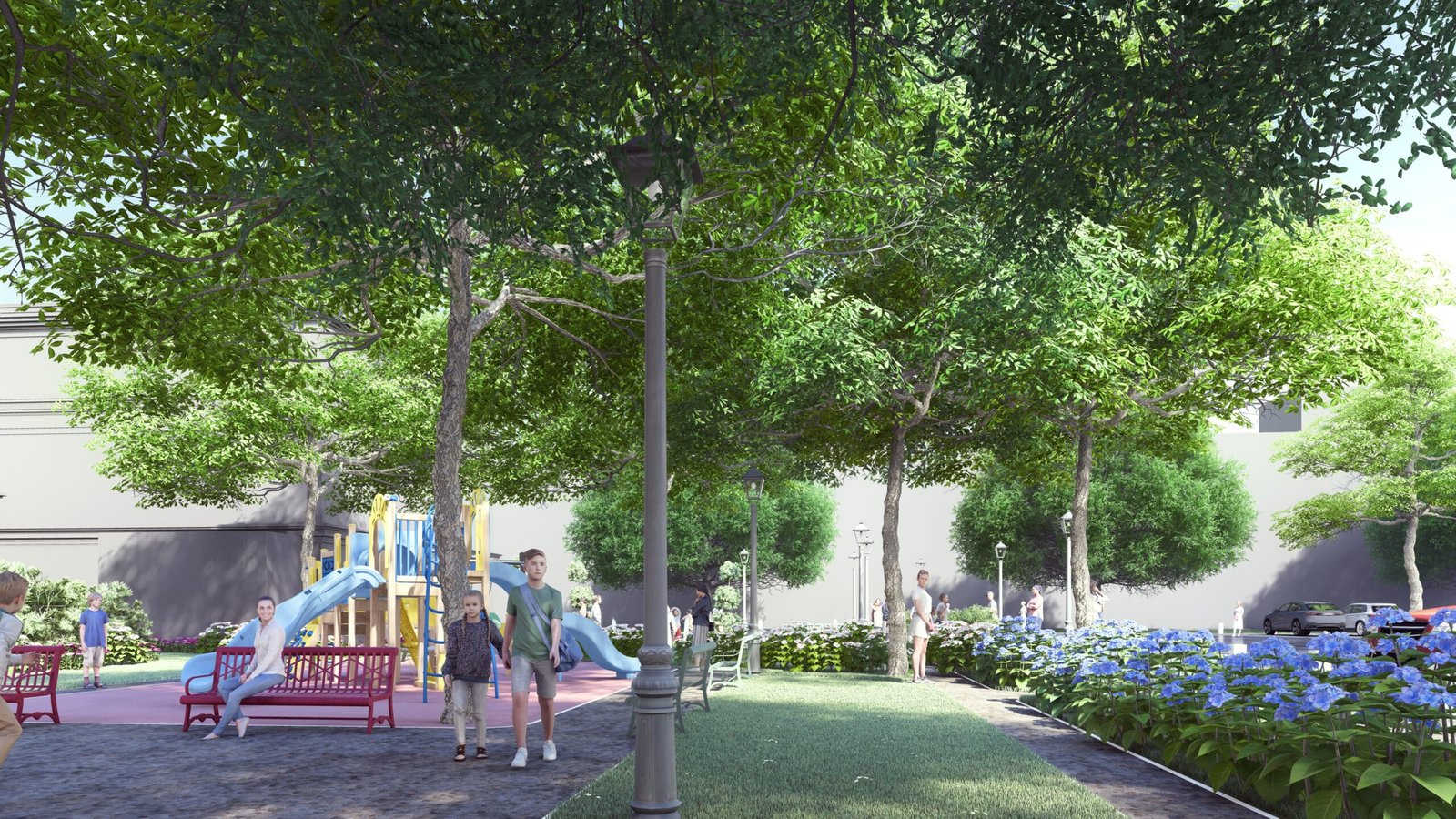
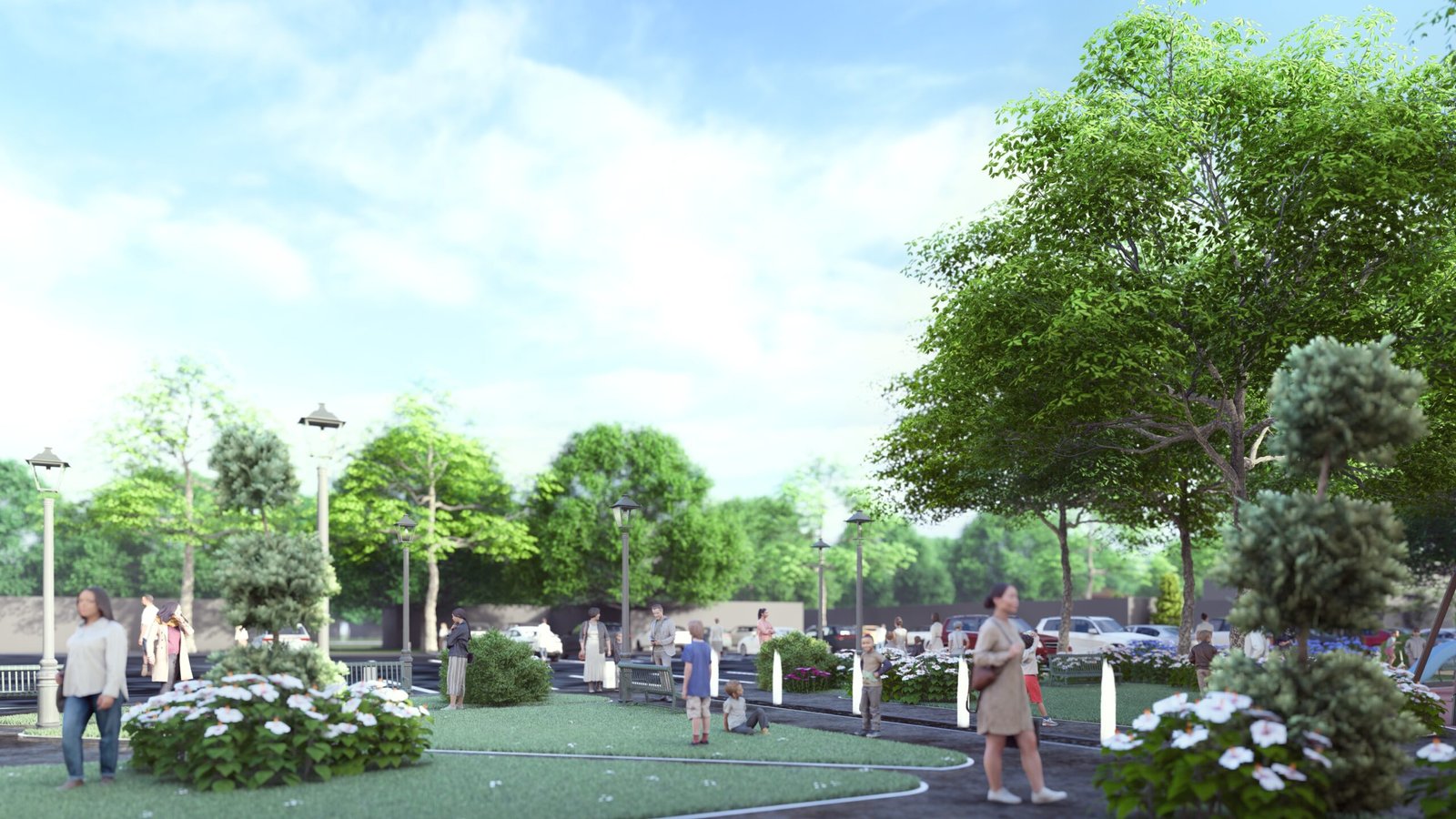
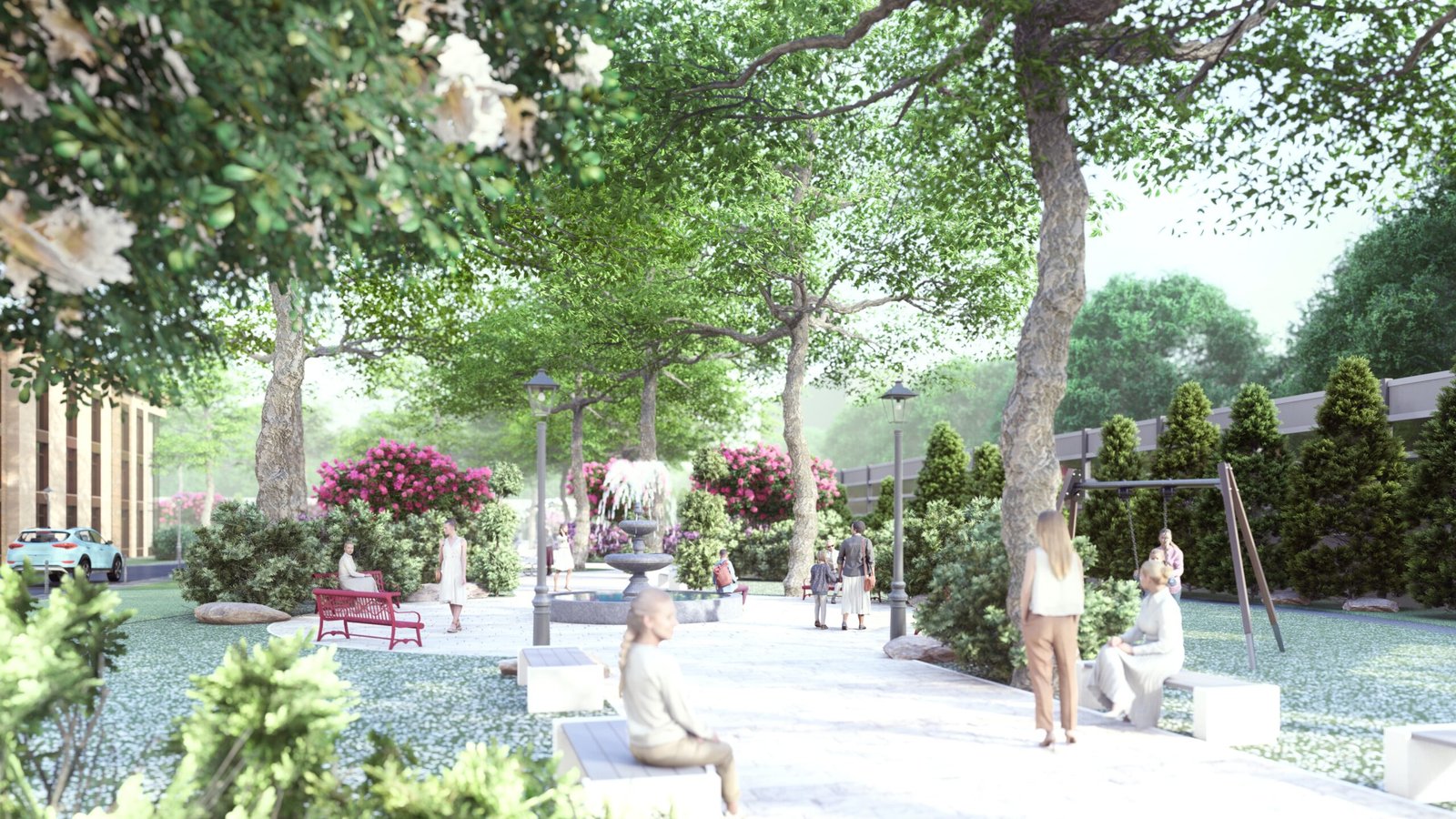
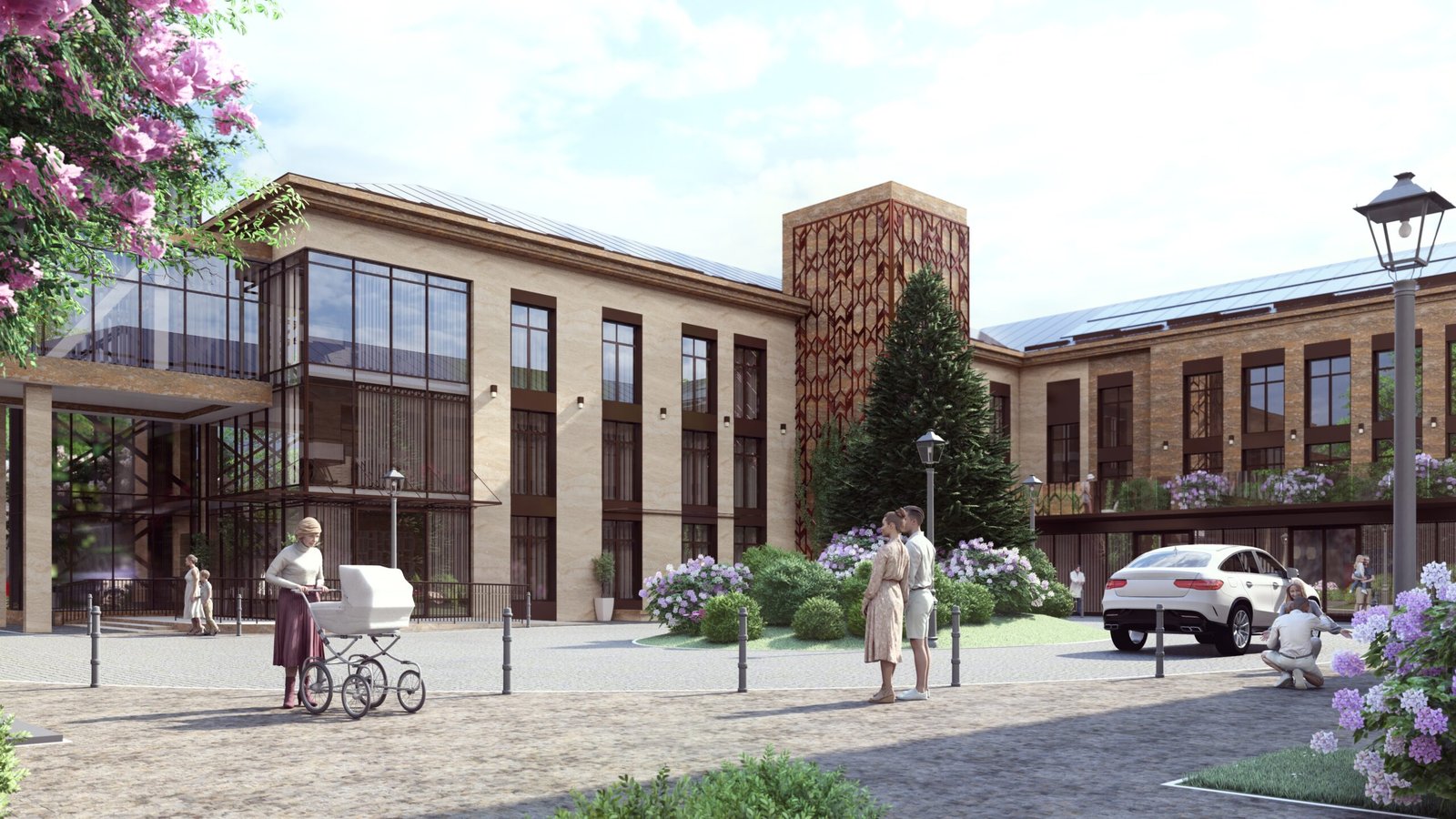
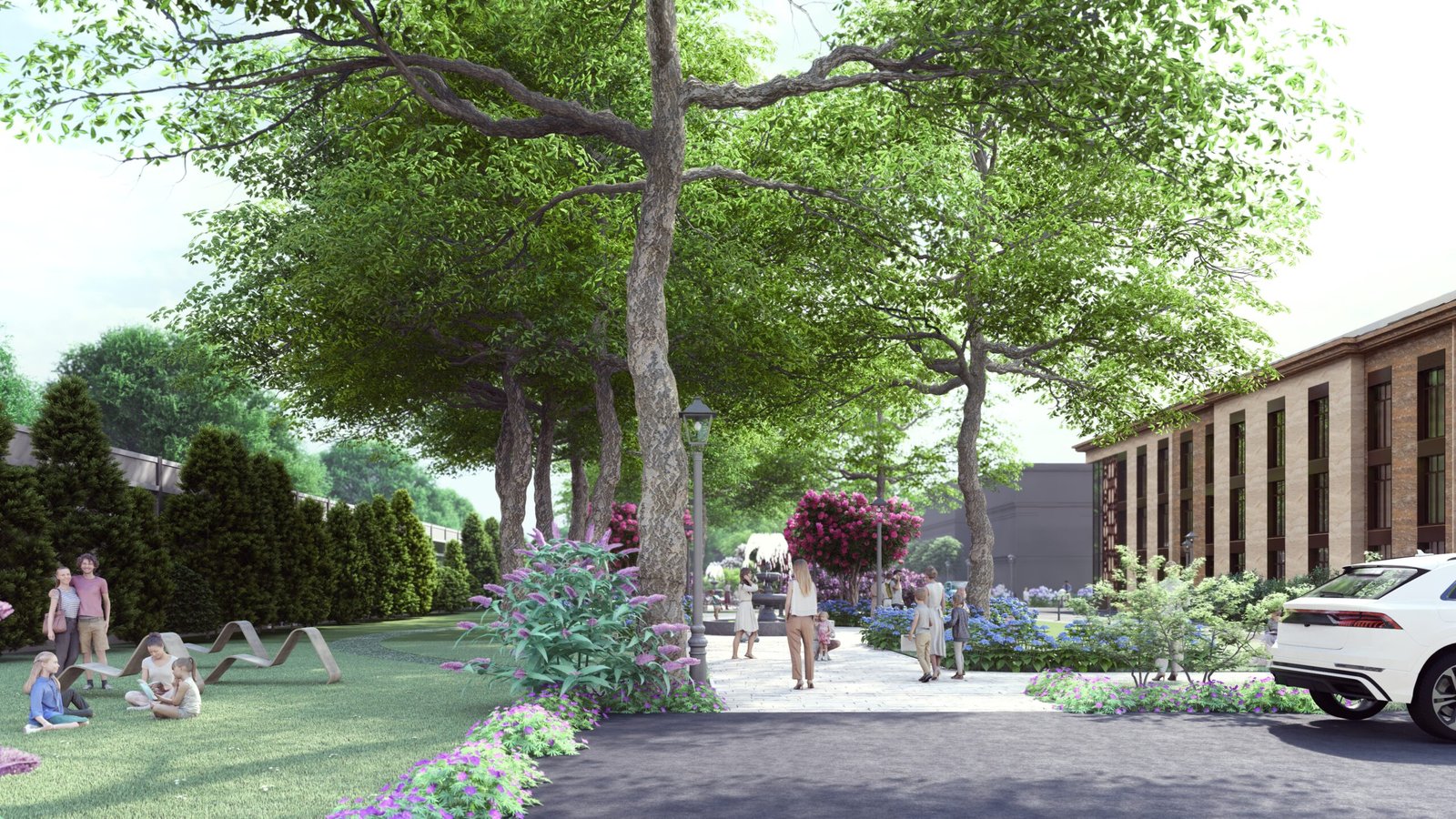
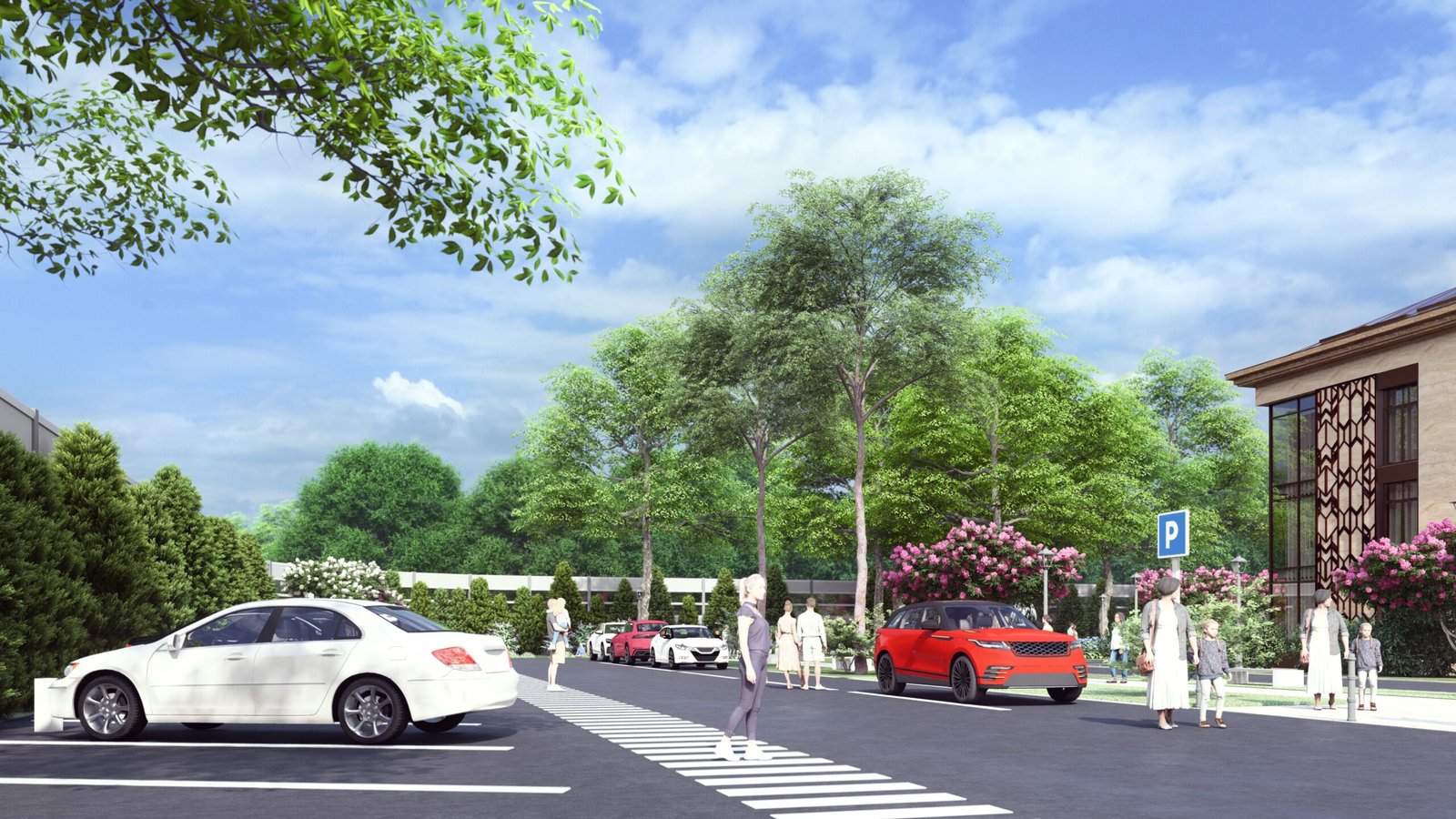
In recent months, intensified aggression by the Russian Federation has led to an increase in the number of mine-blast injuries, including among the region’s civilian population. In June 2026 alone, the highest patient load was recorded in the surgical departments, with 175 patients (49.2%), followed by intensive care and emergency medicine, with 31 patients (8.7%). Given the limited material and technical capacity of the burn unit, together with the ongoing military situation, up to 20% of severely injured patients, including service members, are evacuated to Kyiv City Clinical Hospital No. 2 or St. Panteleimon Hospital in Lviv (10 patients in 2023; 51 in 2024).
The establishment of a modern burn center in Sumy oblast would increase access to specialized care, doubling the number of patients treated and the corresponding number of surgical interventions (500 patients; 900 surgical interventions). It would also expand the range of surgical procedures available, including reconstructive operations, to up to 20% (180) of the total.
At present, the basic conditions remain unchanged: the first 48 hours are critical for establishing appropriate conditions of care, providing adequate pain management, and restoring the function of organs and systems affected by injury. The appropriateness of treatment at every stage directly affects patient survival, the quality of recovery, and subsequent reintegration into society.
Some places are more than walls. Sumy Regional Clinical Hospital is more than a building, offices, and wards. It represents thousands of lives saved; the hands of doctors who held a patient’s hand in the most difficult moments, at times even during shelling; tears of joy following recovery; and the history of entire generations of Sumy residents.
We were here when the city was growing, when new families were formed, when parents brought their children here and, later, those children brought their own parents. We are here now, at a time when our land is enduring pain and hardship. Yet even in the darkest times, light remains wherever there are people, and as long as there are doctors, nurses, and patients, as long as this hospital continues to beat, Sumy endures.
After the war, our hospital will become more than a medical institution. It will become a center of recovery for a new generation, a place where people return to life after severe injury, where modern technology meets humanity, and where medicine becomes a symbol of renewal.