Адреса:
7, Стецьківська вул., місто Суми, Сумська область, 40491, Україна
Адреса:
7, Стецьківська вул., місто Суми, Сумська область, 40491, Україна
Ideas shaping Ukraine’s future
Ideas shaping Ukraine’s future
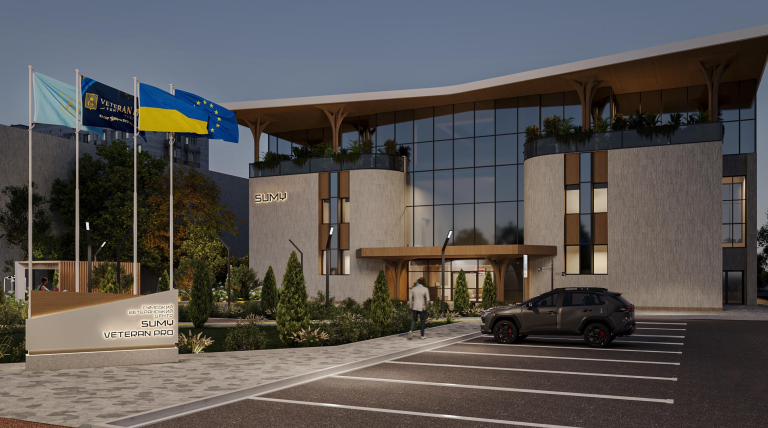
In 2024, the Sumy Regional Council established the regional veteran center “Veteran PRO,” envisioned as a place that provides comprehensive assistance to veterans and their families, offers informational and methodological support to specialists working with veterans, facilitates the development of veteran centers and spaces in communities, and designs, pilots, and implements various programs aimed at reintegration—based on assessed needs and challenges.
From the personal experience of the center’s leadership, who themselves are veterans (including veterans with disabilities), the most fundamental principle is building trust and a support system based on the “peer-to-peer” model.
In 2024–2025, the center received support and, in partnership with civil society organizations, began forming a system of comprehensive support for the veteran community. This included needs assessments, capacity building for service providers, and piloting integrated psychosocial and physical support programs, including adaptive sports. Despite positive outcomes, it became clear that small, local, situational initiatives are insufficient to establish a systemic approach.
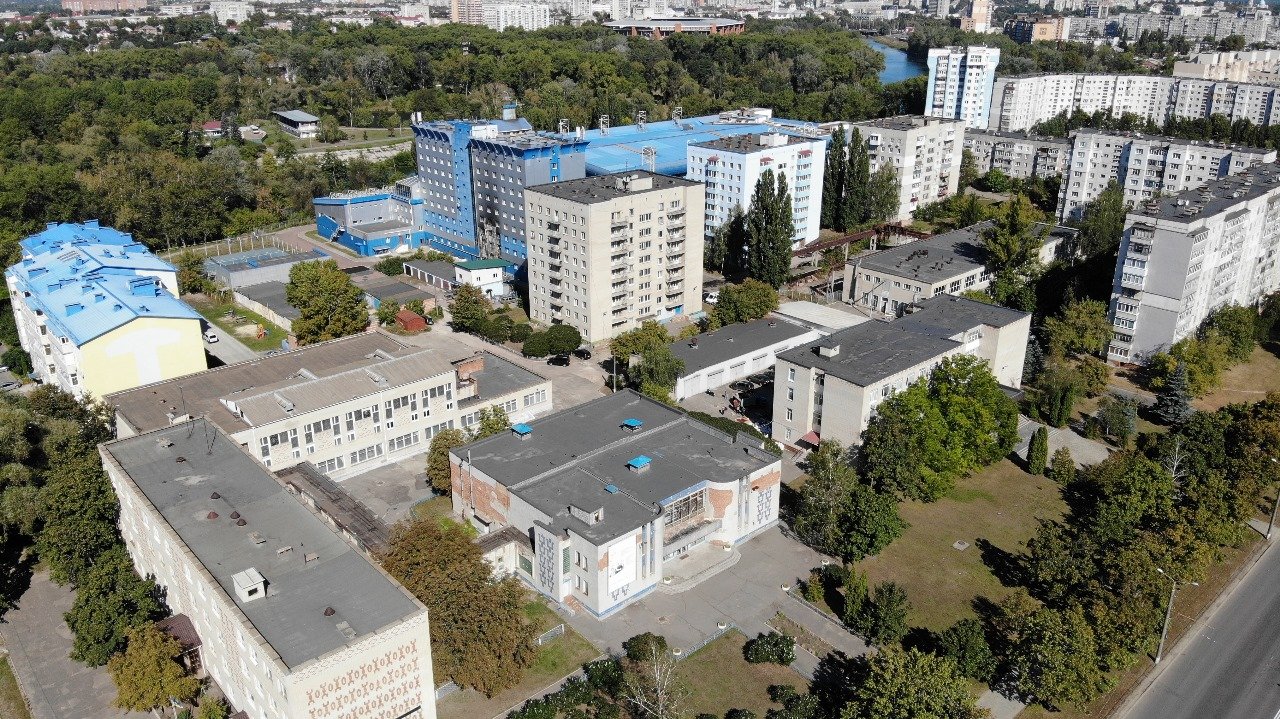
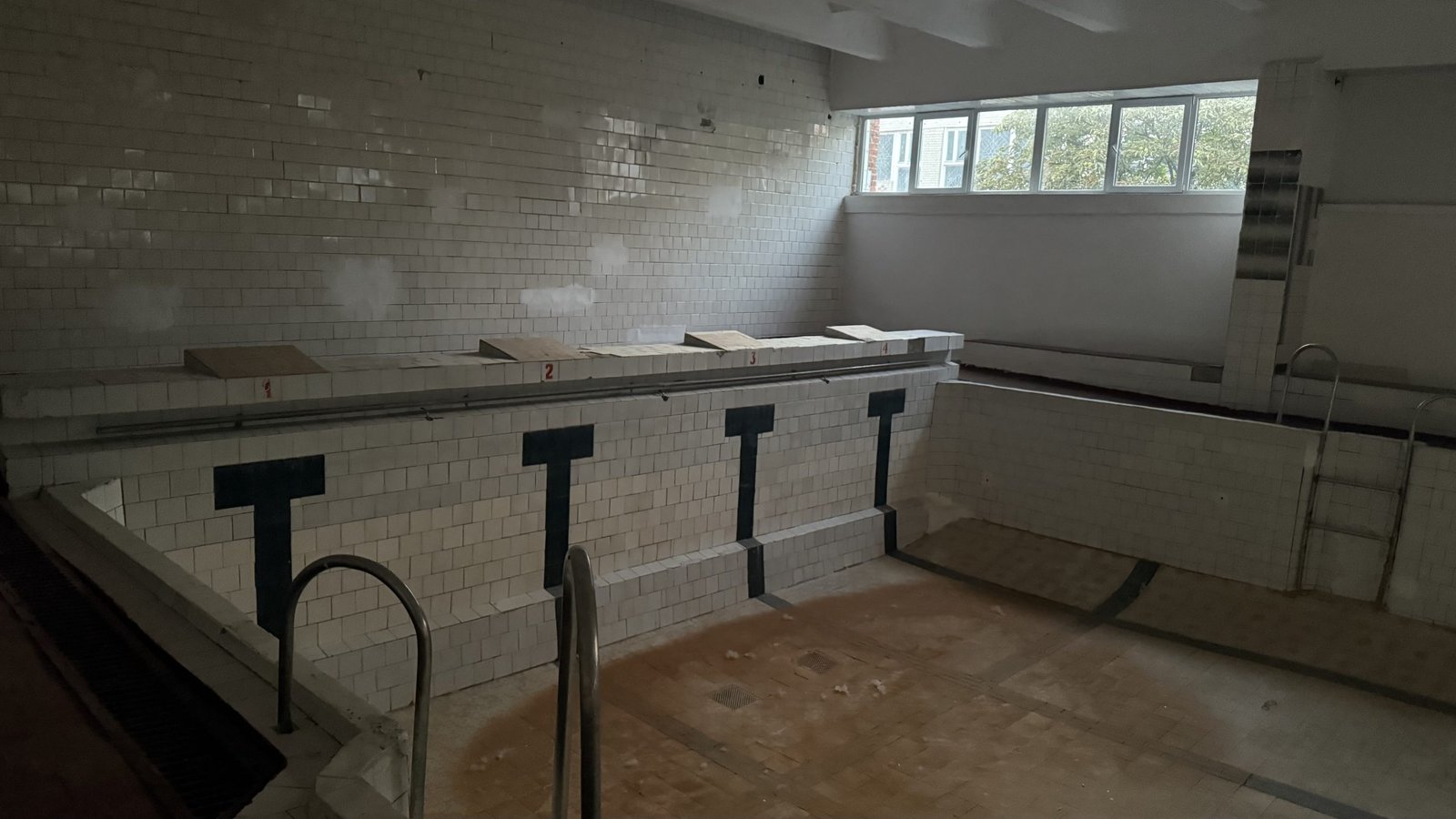
Sumy region, located in the northeast of Ukraine, is one of the areas that has been significantly affected by military actions in the context of the full-scale war. The war has left a deep mark on the lives of local residents, especially veterans, their families, and communities. During the hostilities, hundreds of servicemen went through extremely difficult combat situations, resulting not only in physical injuries but also in psychological trauma that requires long-term treatment and rehabilitation.
As the war remains in its active phase and continues to escalate, it is already clear that the category of “veterans and their family members” will encompass a substantial portion of Ukraine’s population.
The return of veterans to civilian life, their integration into communities, and the restoration of physical and mental health are among the most urgent tasks of today. The scale of losses in the region is tangible: hundreds of families have lost loved ones, and the number of individuals who have suffered significant, often irreversible physical injuries continues to grow. In fact, nearly all veterans and their family members are people facing mental health challenges. All of this creates additional pressures on communities and requires a systemic approach that includes support across various spheres of life.
At the same time, for reintegration of the veteran community to be truly effective and smooth, it is not enough to simply talk about the development and implementation of state policy at the local level. What is needed is the creation of a certain ecosystem, where each element is united by a shared vision and understanding. A capable, comprehensive veteran space can become the physical nucleus of such an ecosystem.
The limited capacity of existing institutions in the region (and in some cases, their complete absence), along with a lack of qualified personnel, significantly complicates the process of providing necessary assistance. Most facilities are not adapted to the needs of people with disabilities, which poses a serious barrier to their rehabilitation and social adaptation. The absence of modern rehabilitation approaches—such as the use of advanced technologies, innovative methods, and personalized programs—reduces the effectiveness of support and hinders veterans’ return to active life.
Social integration of veterans and their families is another critical aspect. They require dedicated spaces where they can receive support, undergo training, connect with like-minded individuals, and discover new opportunities for development. Such centers will foster the creation of communities that support veterans and help overcome the isolation often associated with their status.
Currently, the regional veteran center, as the main entry point for veterans, is able to serve approximately 40 veterans and their family members per month.
This primarily includes informational and consultative support, occasional psychological and legal assistance, and, in rare cases, support for adaptive sports competitions initiated by veterans themselves. However, the center lacks its own dedicated premises and adequate infrastructure.
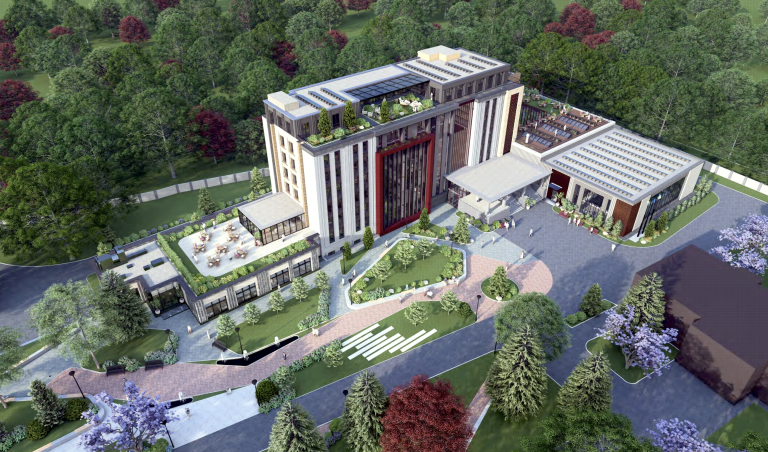
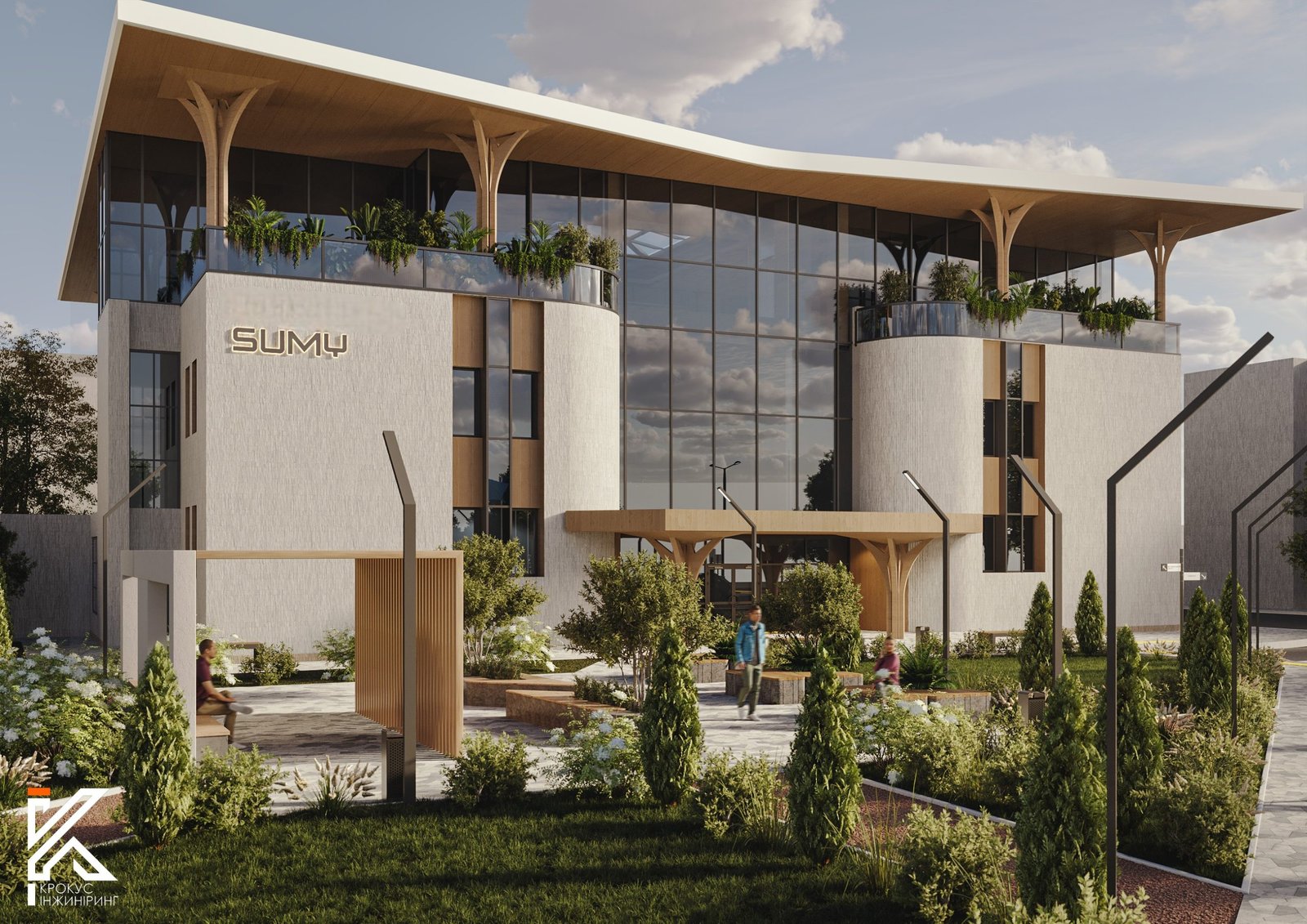
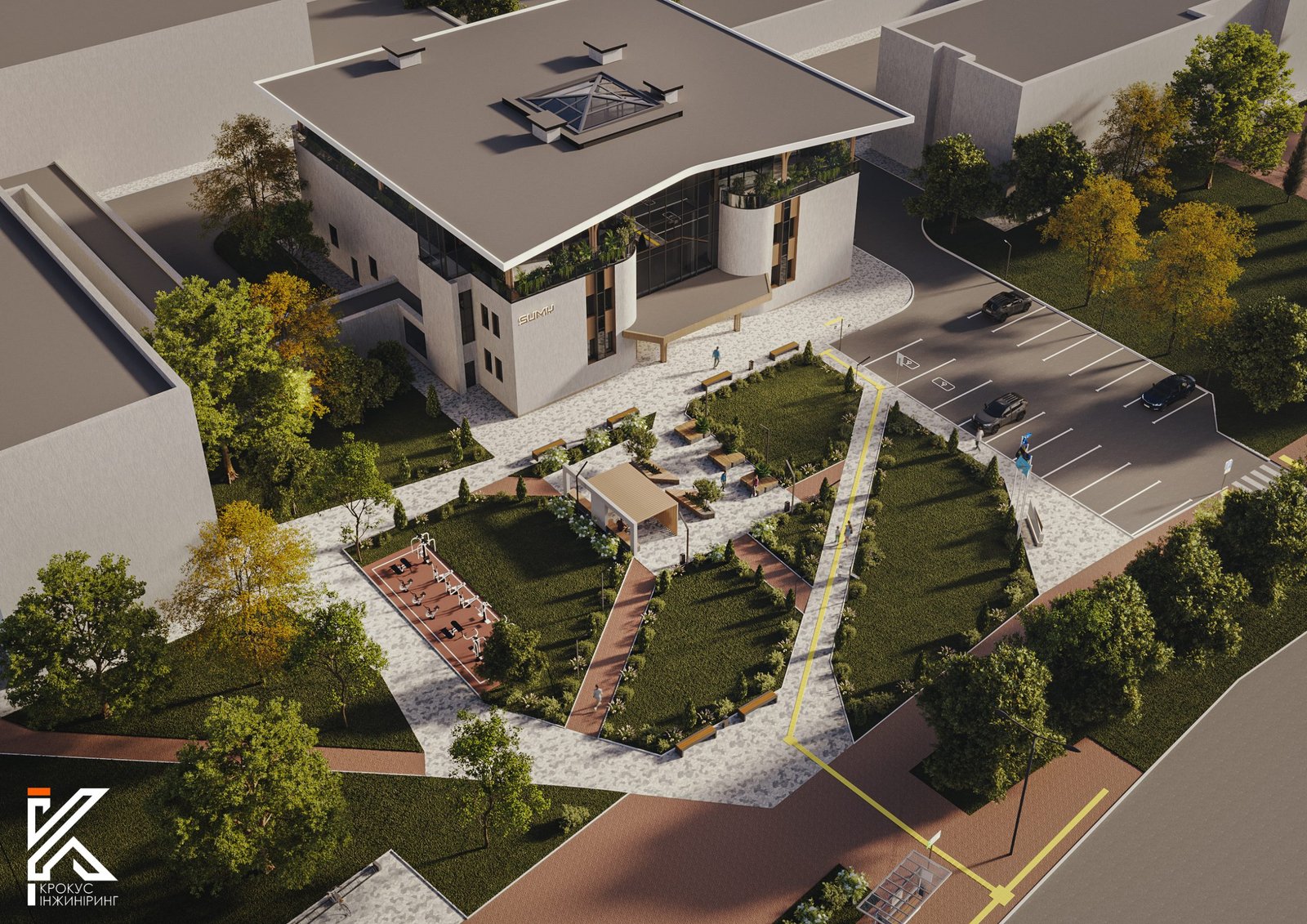
With the desire, understanding, experience, and potential already in place—and with trust and a proactive veteran community being cultivated—there is now a pressing need in Sumy city and the region as a whole to establish not just a veteran center as an administrative-service office, but a multifunctional comprehensive hub.
This hub should primarily be a space of trust and effective support. It should combine administrative, consultative, and methodological functions while also providing opportunities for physical, psychological, and social rehabilitation, supported by appropriate infrastructure and staffing.
Such a hub would significantly increase the number of veterans served, expand the range of services offered, and improve the overall quality of support provided.
Statistics
As of today, approximately the following numbers are registered in Sumy region:
At the same time, the professional capacity of specialists dedicated exclusively to veteran case management includes only 84 professionals. Most of them have limited experience and require specialized training as well as ongoing informational and methodological support.
The official staff of the regional veteran center consists of 34 positions, but in reality, only 6 employees are actively working.
Across the region (which includes 51 hromadas), there are 7 veteran spaces and centers, including the regional one. However, only 2 of them operate as independent institutions, and just 1 is capable of providing a relatively full range of services.
In the regional center (where today the majority of veterans in need of services reside—not only from the Sumy city but also internally displaced persons from more than 10 other communities), there are 27 sports halls, but only 3 of them are accessible and inclusive.
This situation clearly demonstrates the existing shortage of modern, accessible spaces for the recovery and development of veterans.
Space
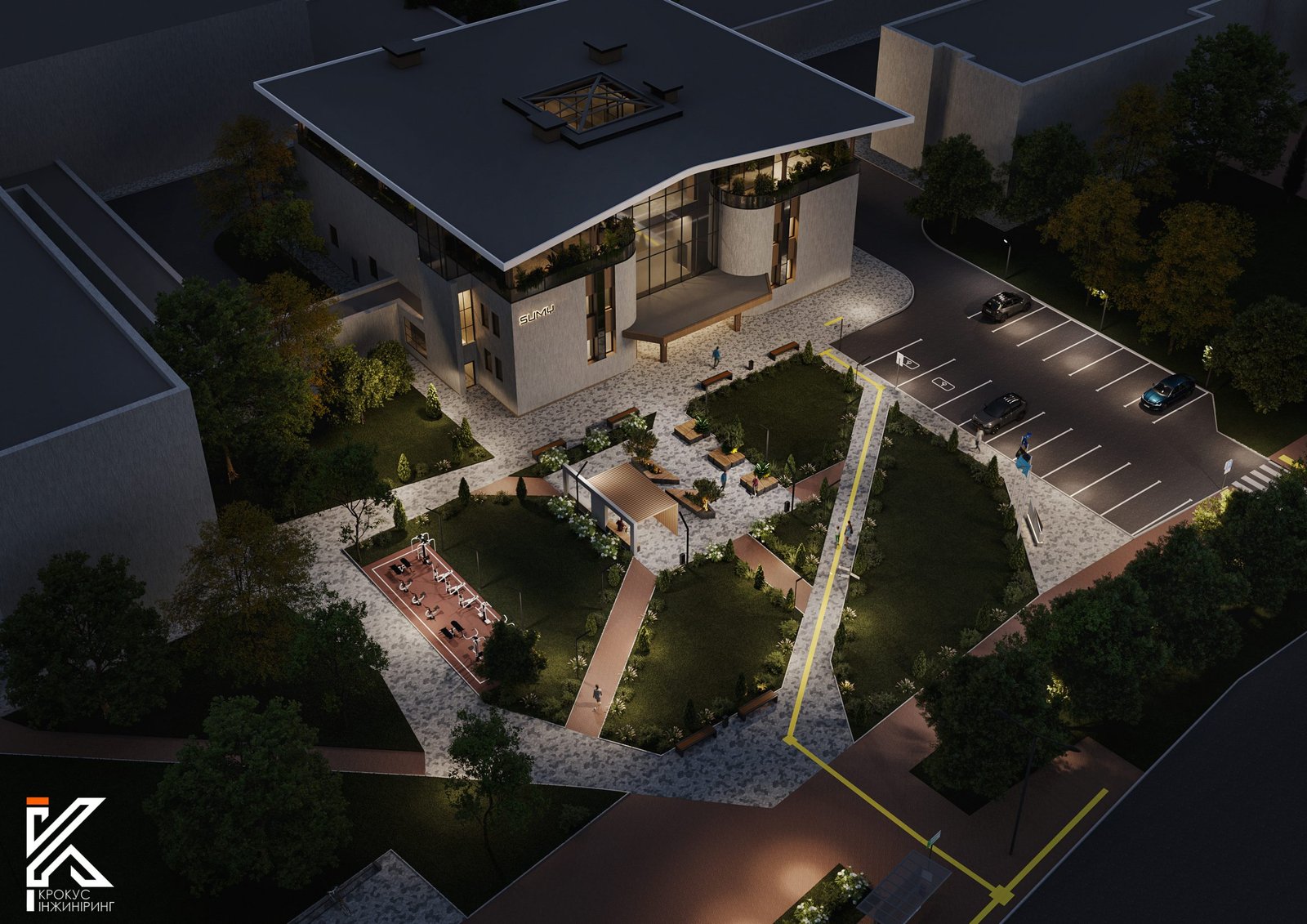
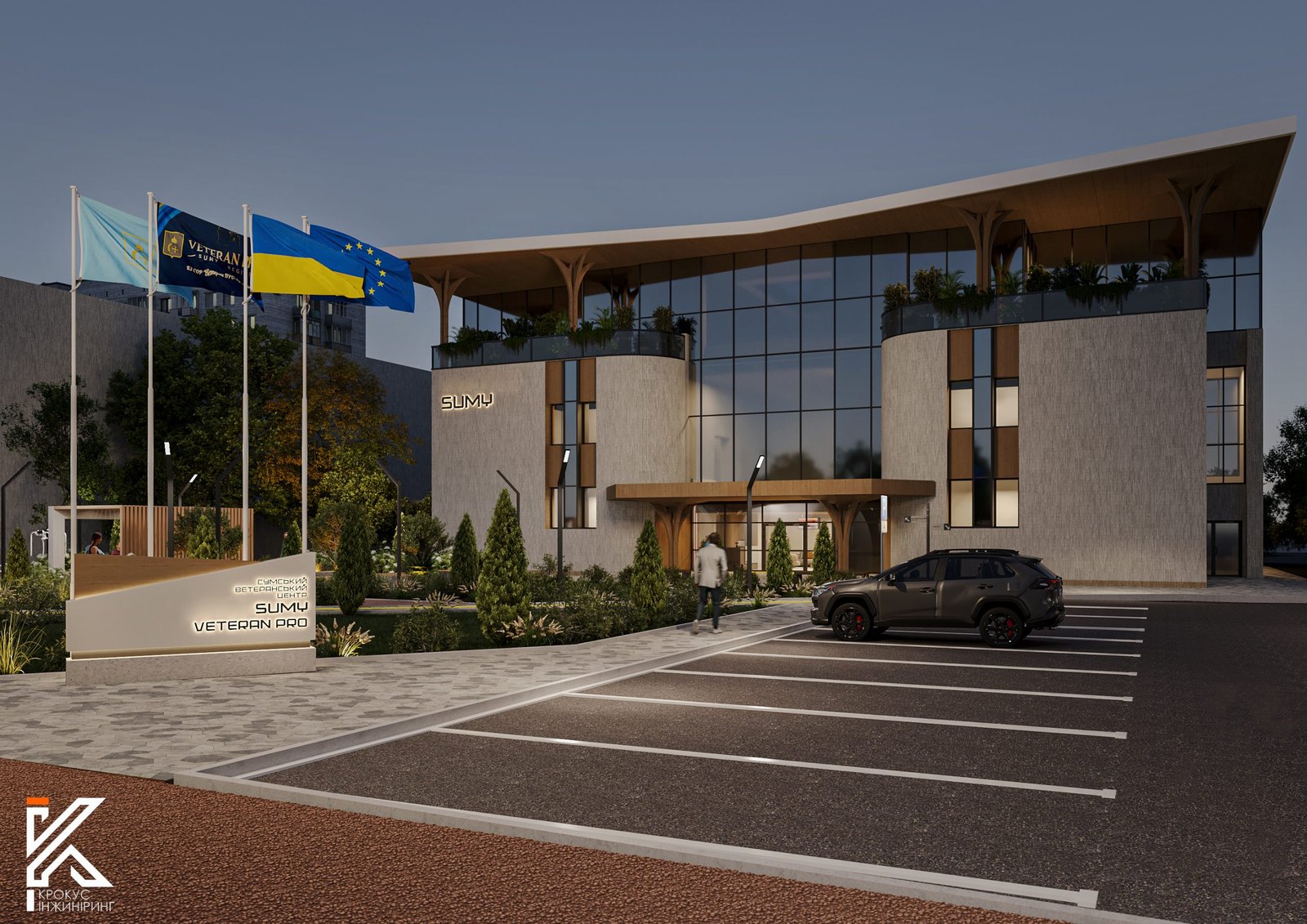
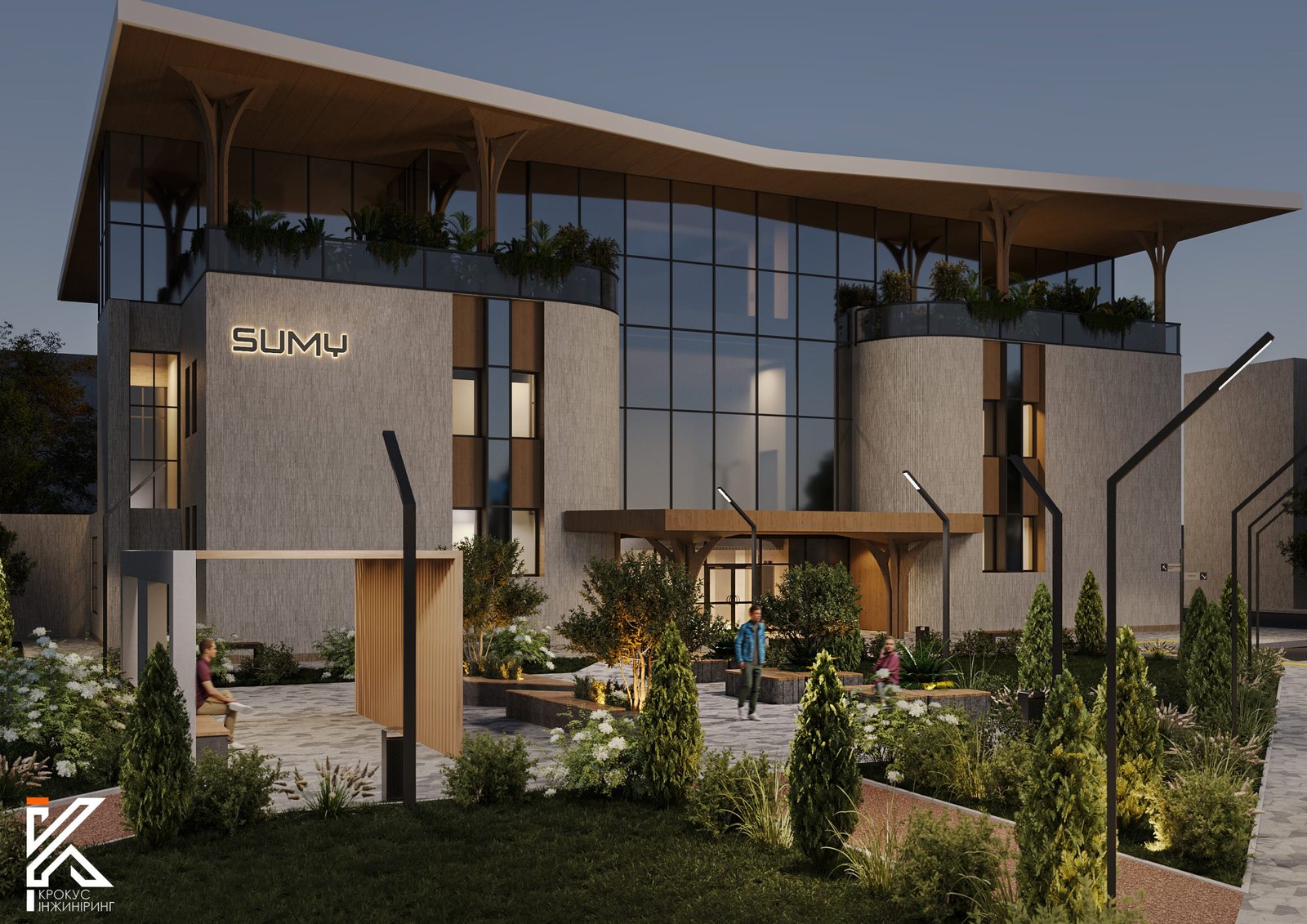
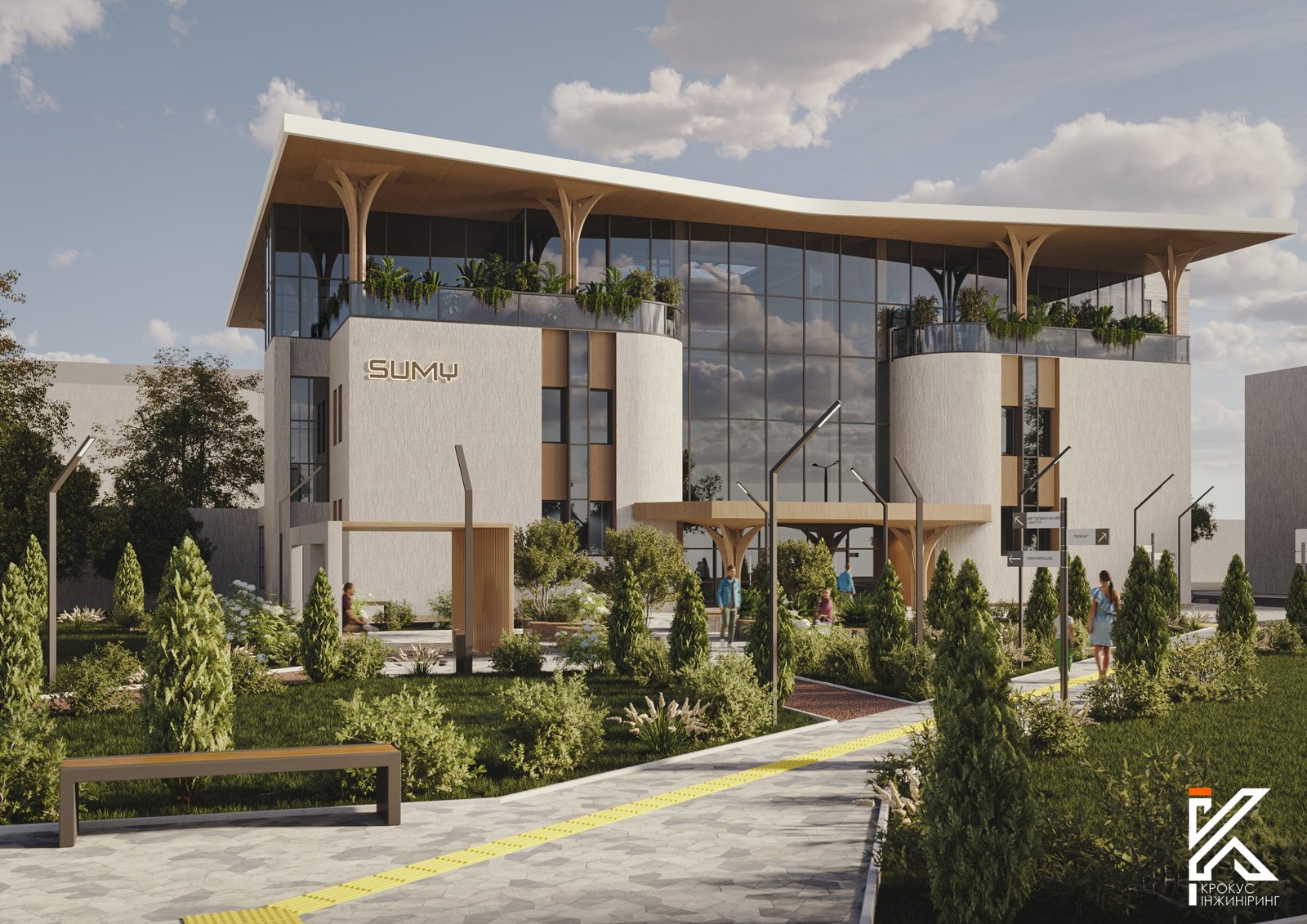
The primary goal of this initiative is to create a unique space that will serve as a pillar of support for veterans and their families. It is a place where everyone who has endured the trials of war can receive the necessary assistance, psychological support, and opportunities for rehabilitation and social integration. Such a space will contribute not only to physical recovery but also to psychological and emotional strengthening—an essential aspect of helping veterans return to active life.
Modern Infrastructure
A crucial component of the concept is the use of modern infrastructure and innovative approaches to the recovery process. This includes the implementation of technologies such as telemedicine, mobile applications for psychological support, and the integration of advanced rehabilitation methods. These innovations will enable the most effective adaptation of veterans to peaceful life. The approach also involves creating comfortable and functional environments equipped with modern tools to accelerate recovery and skill development.
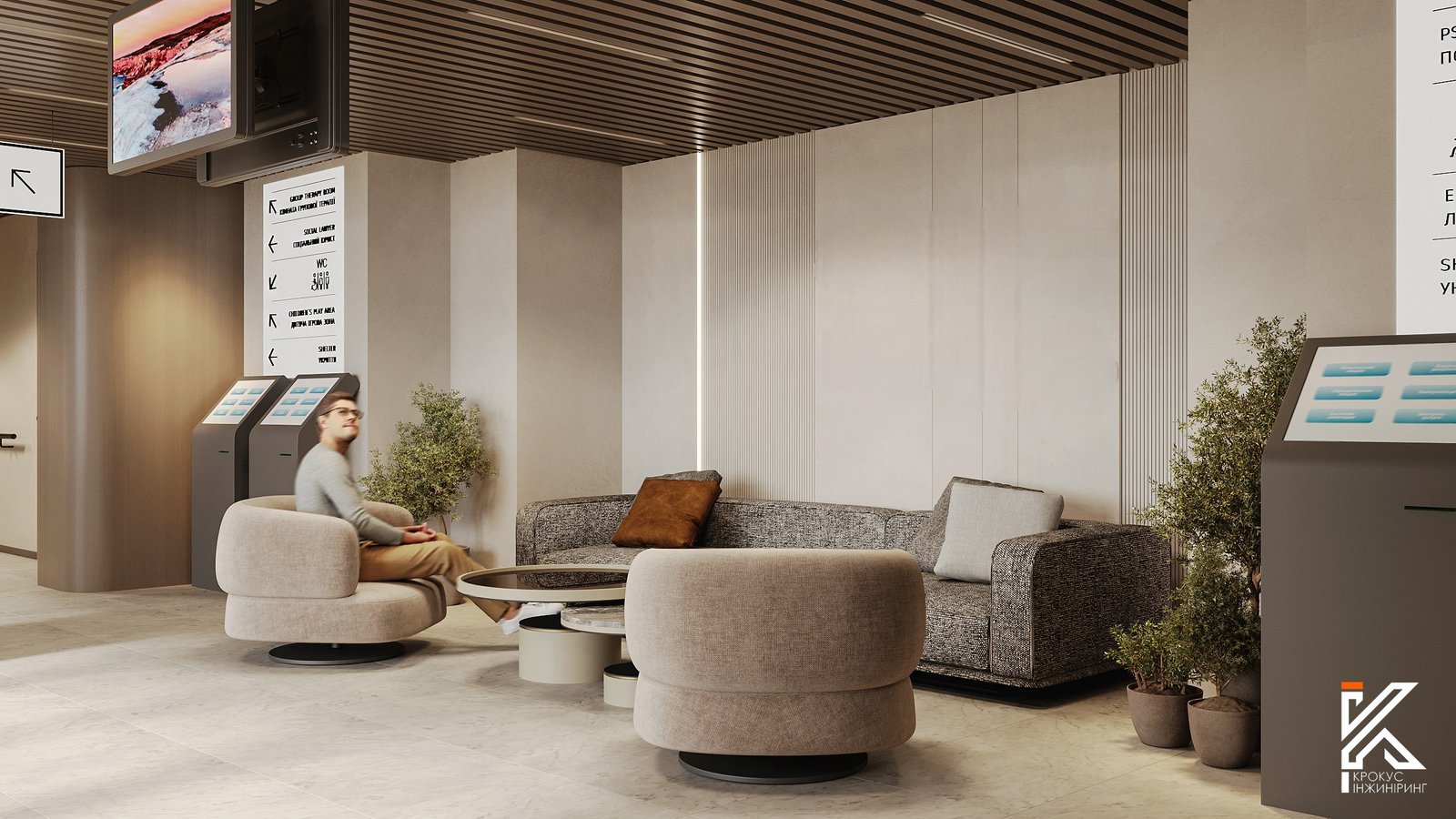
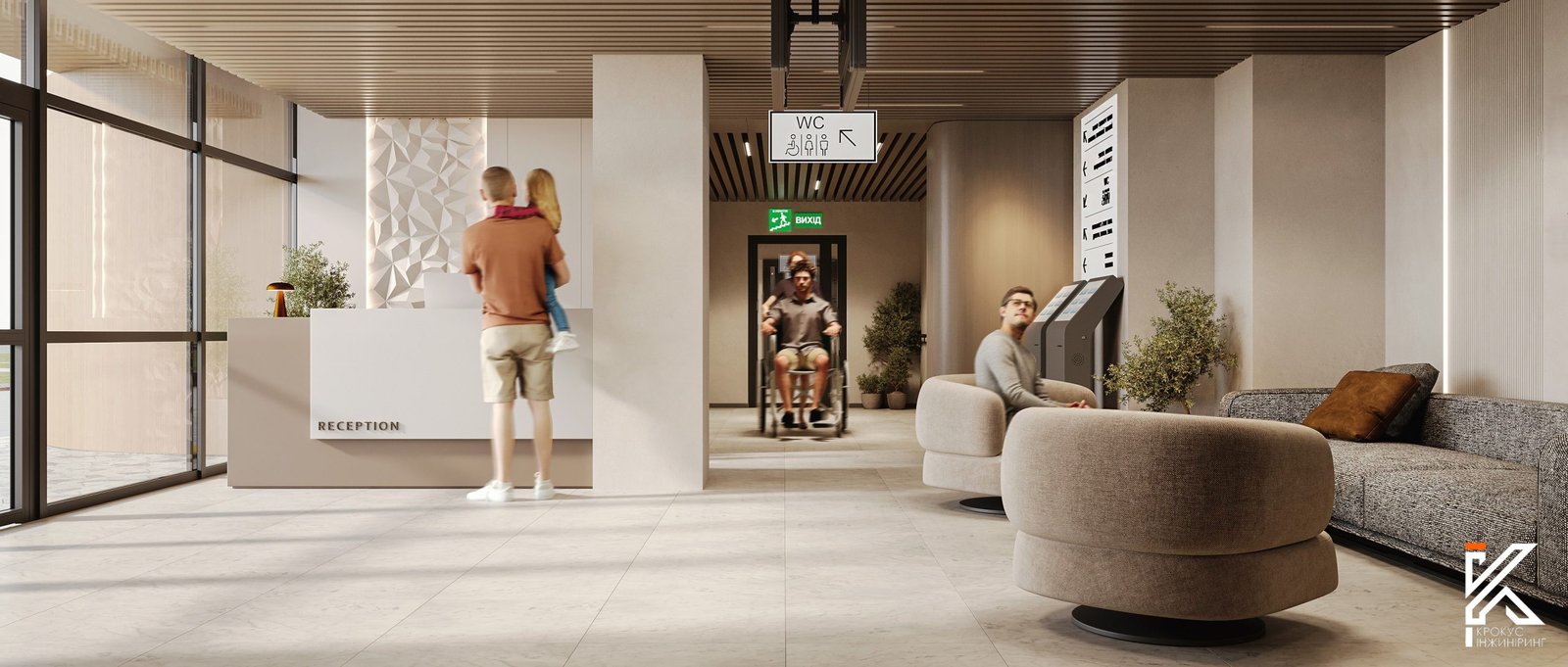
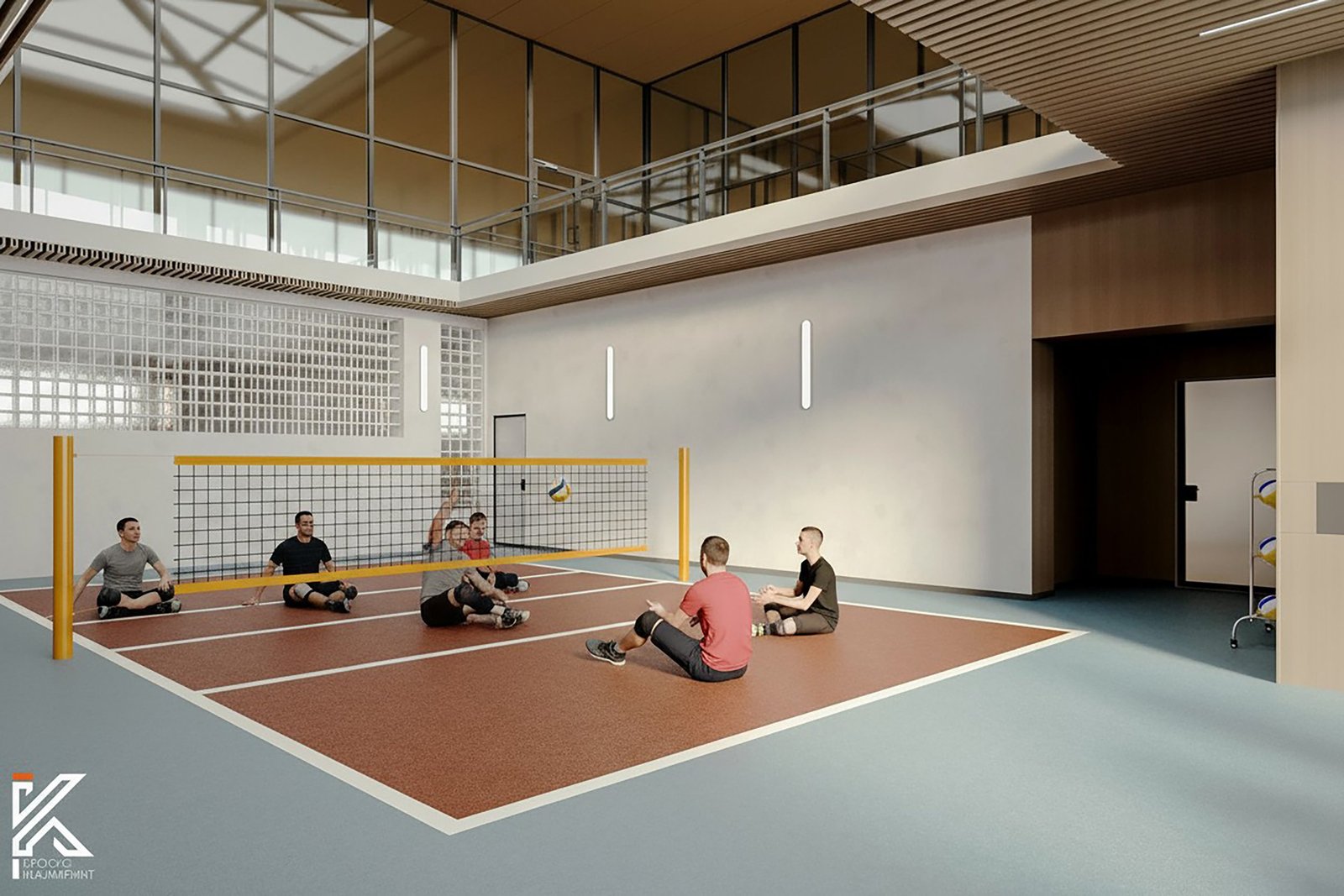
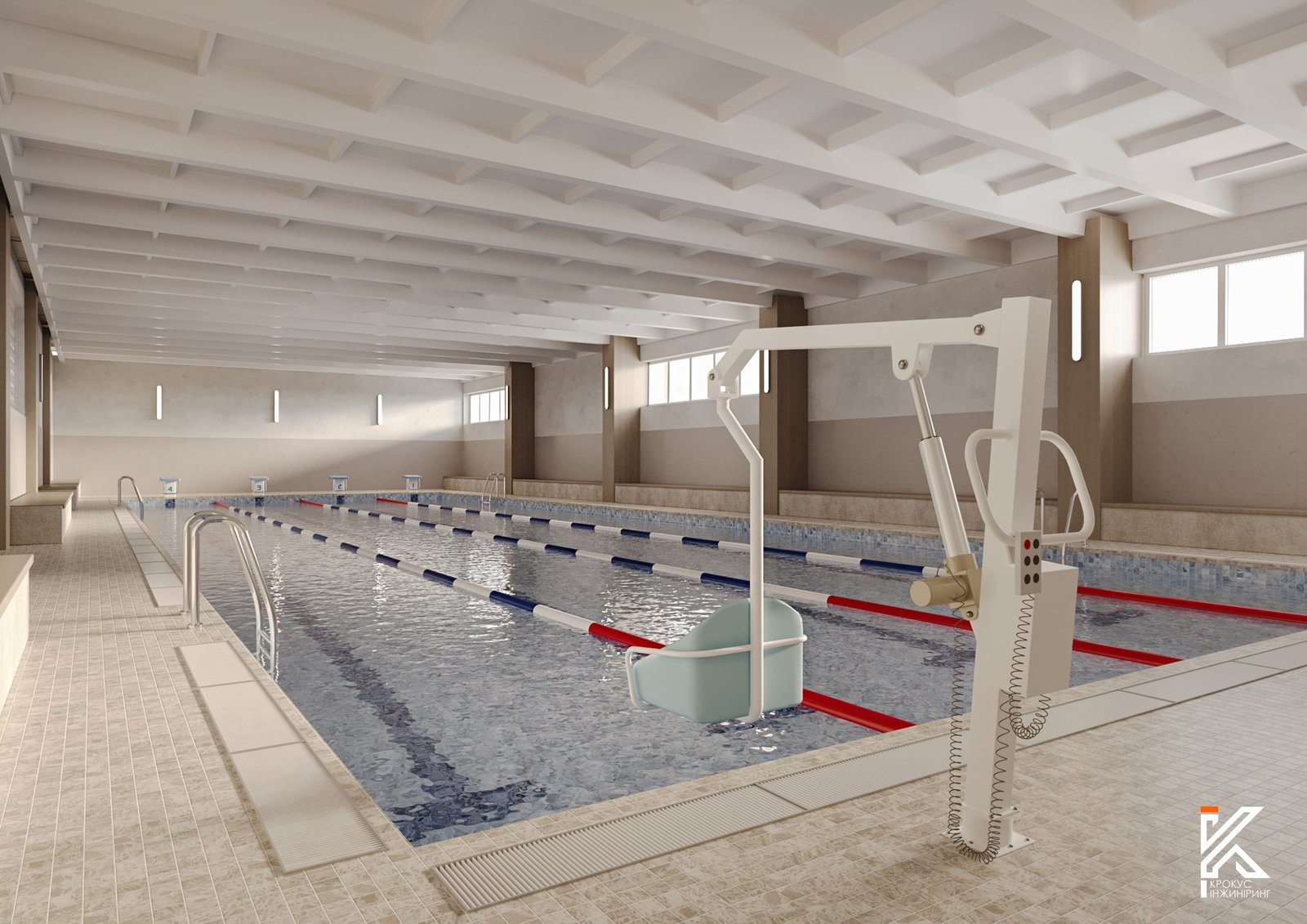
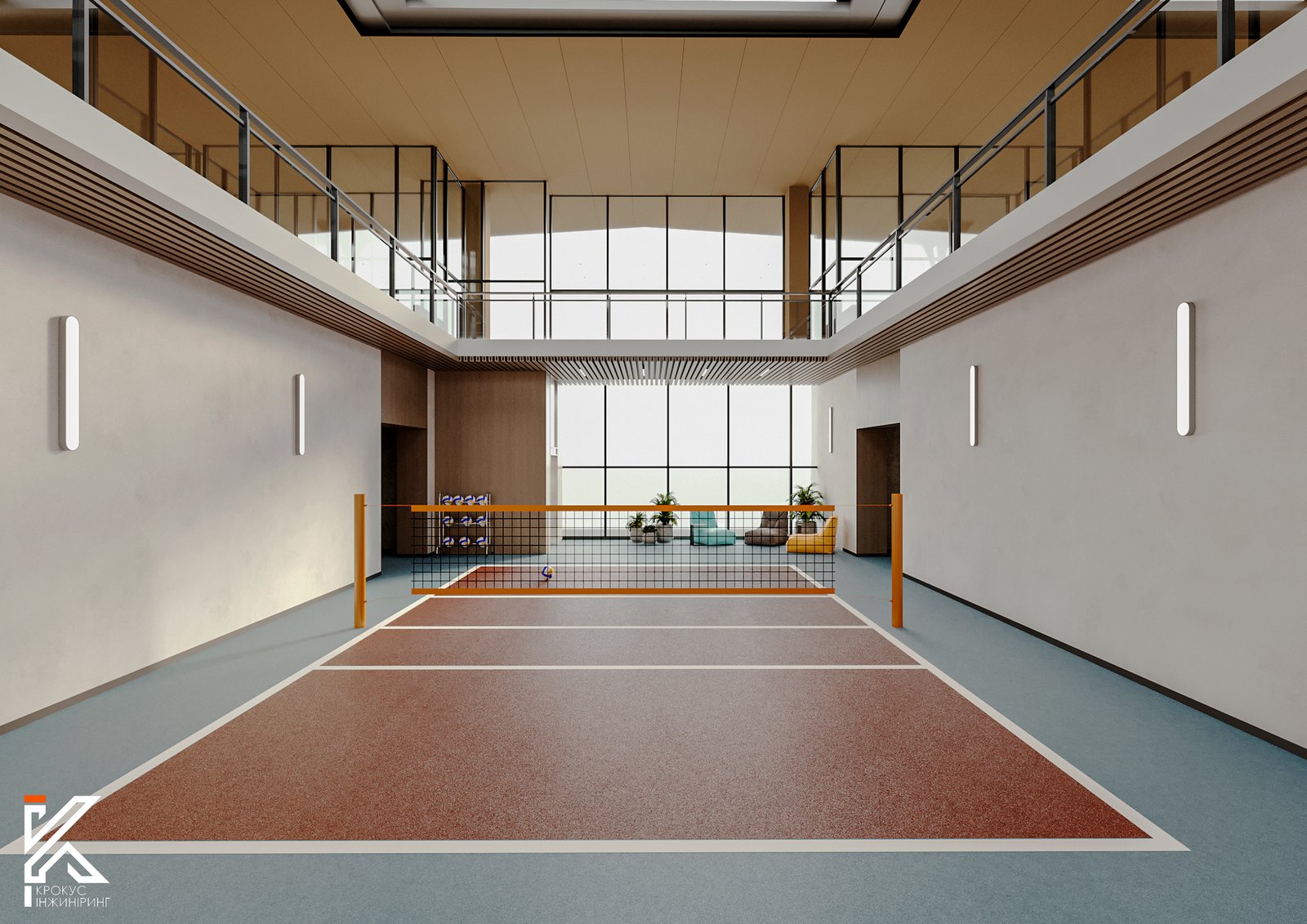
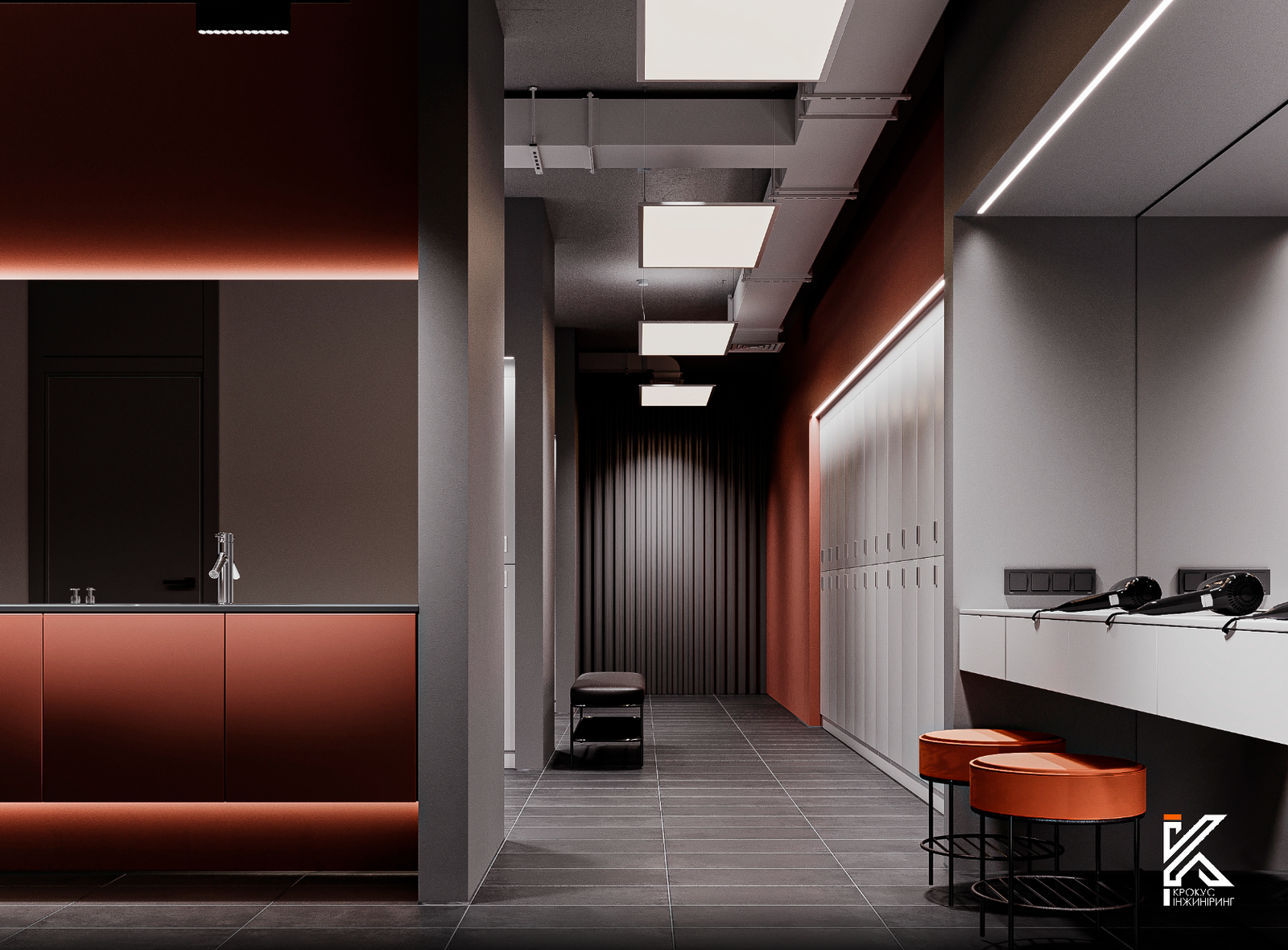
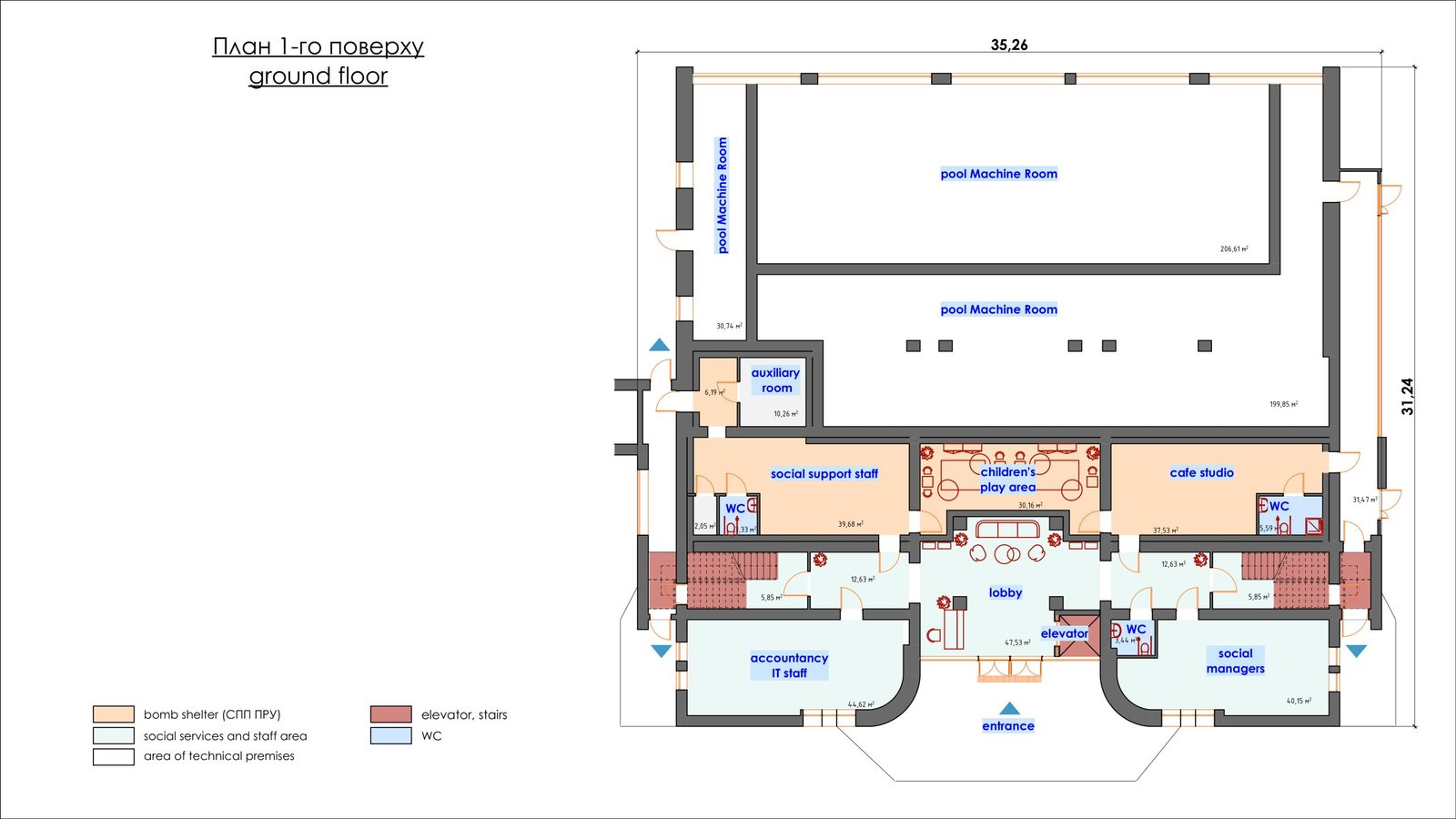
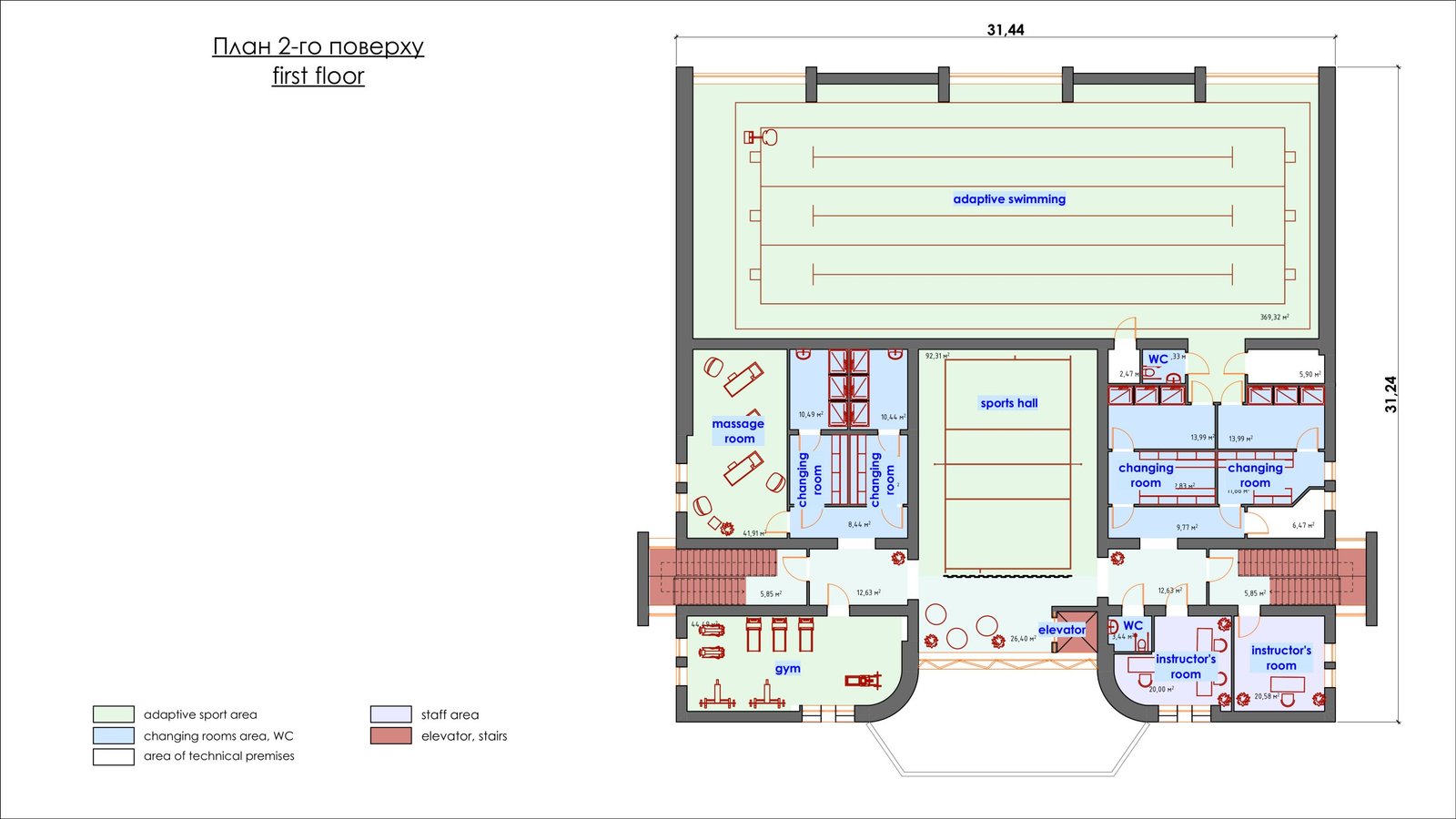
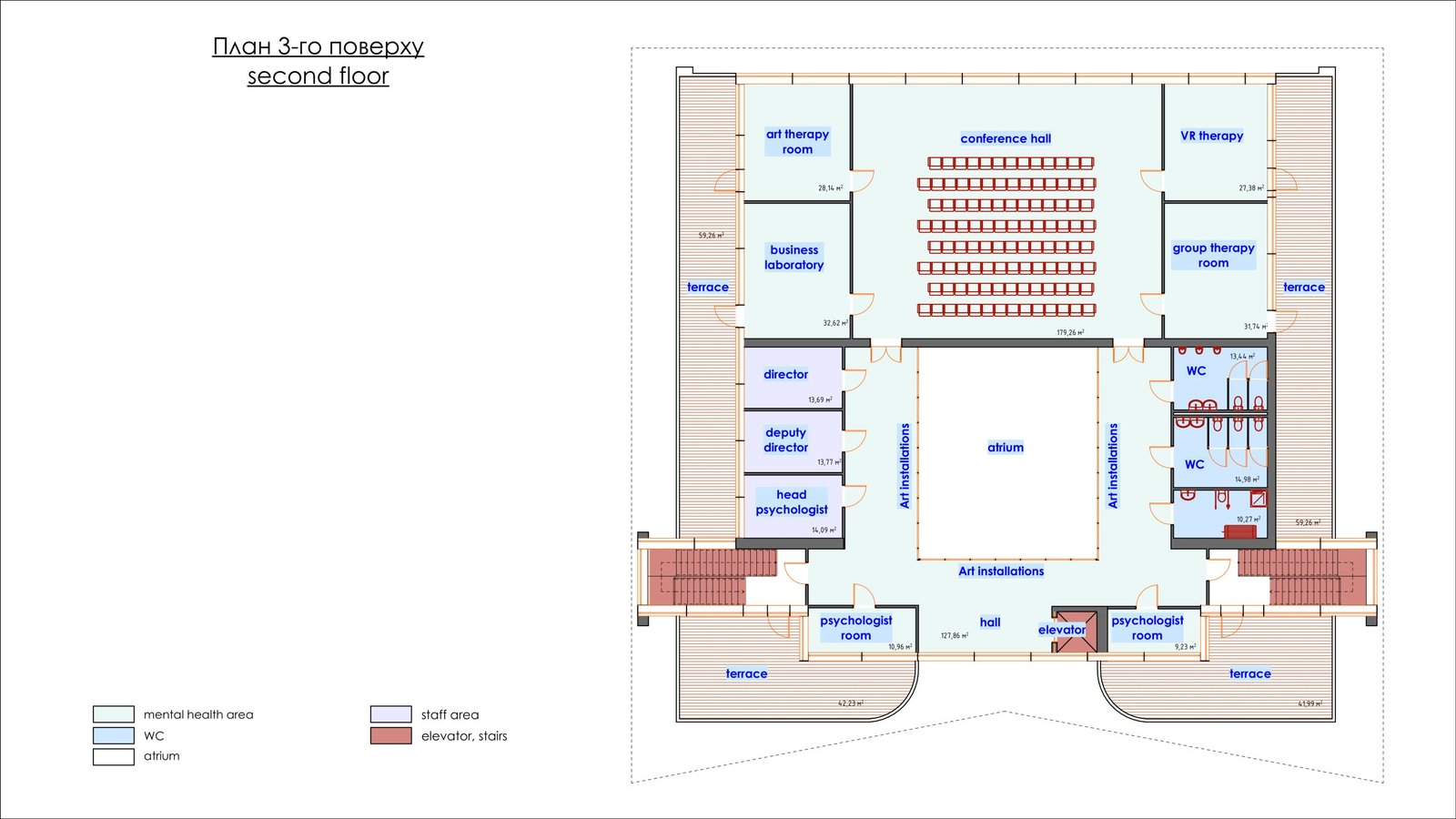
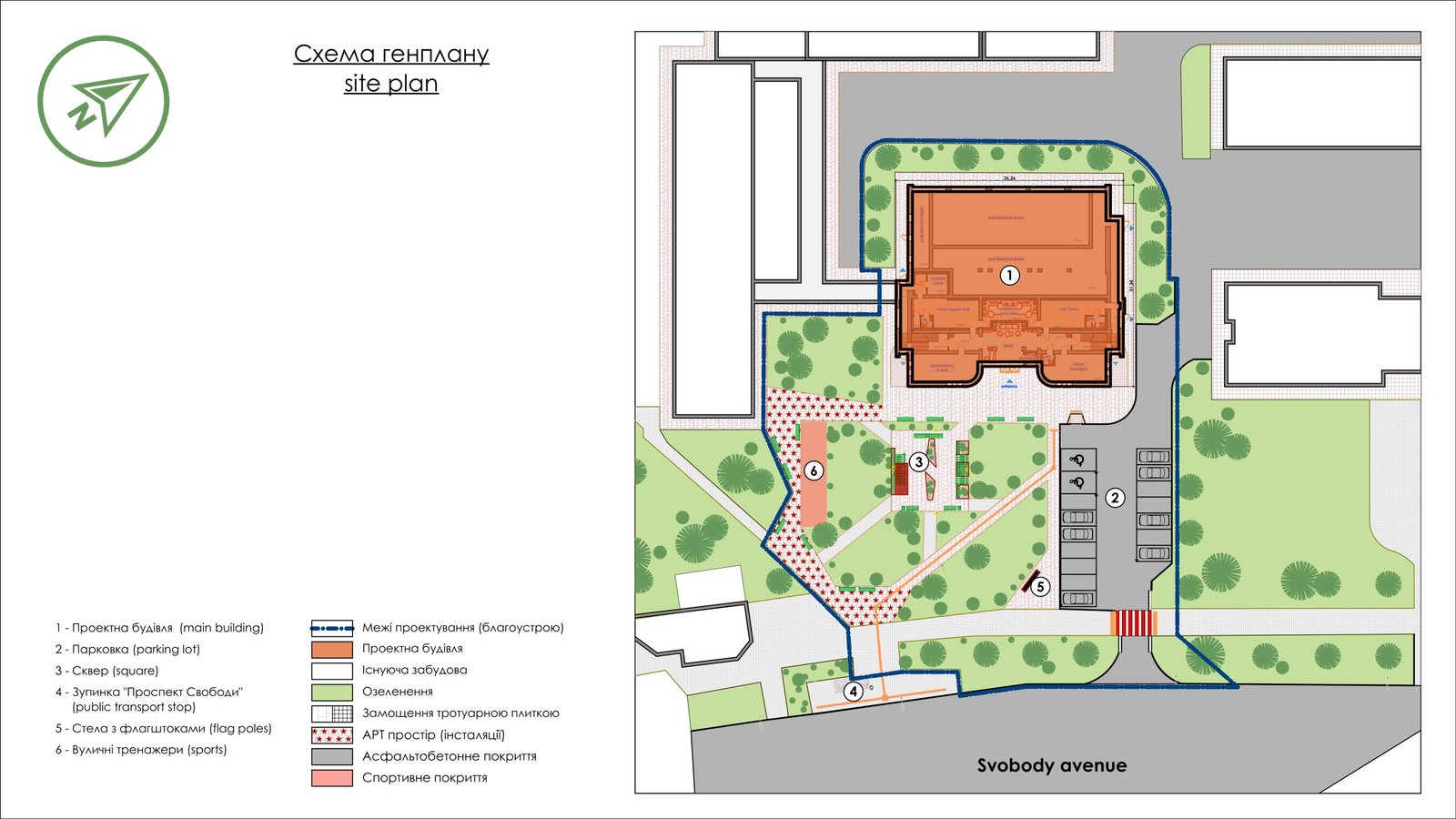
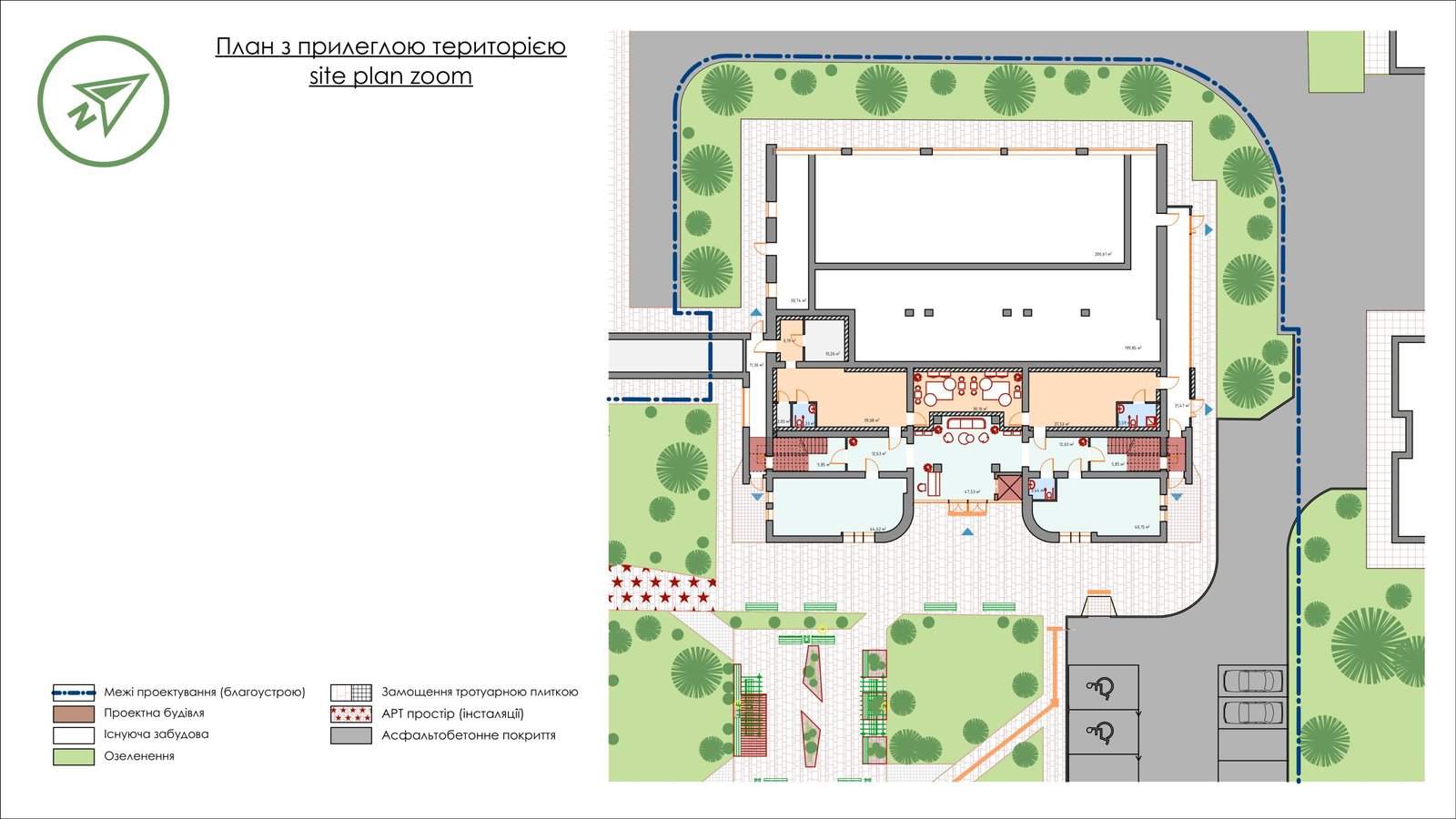
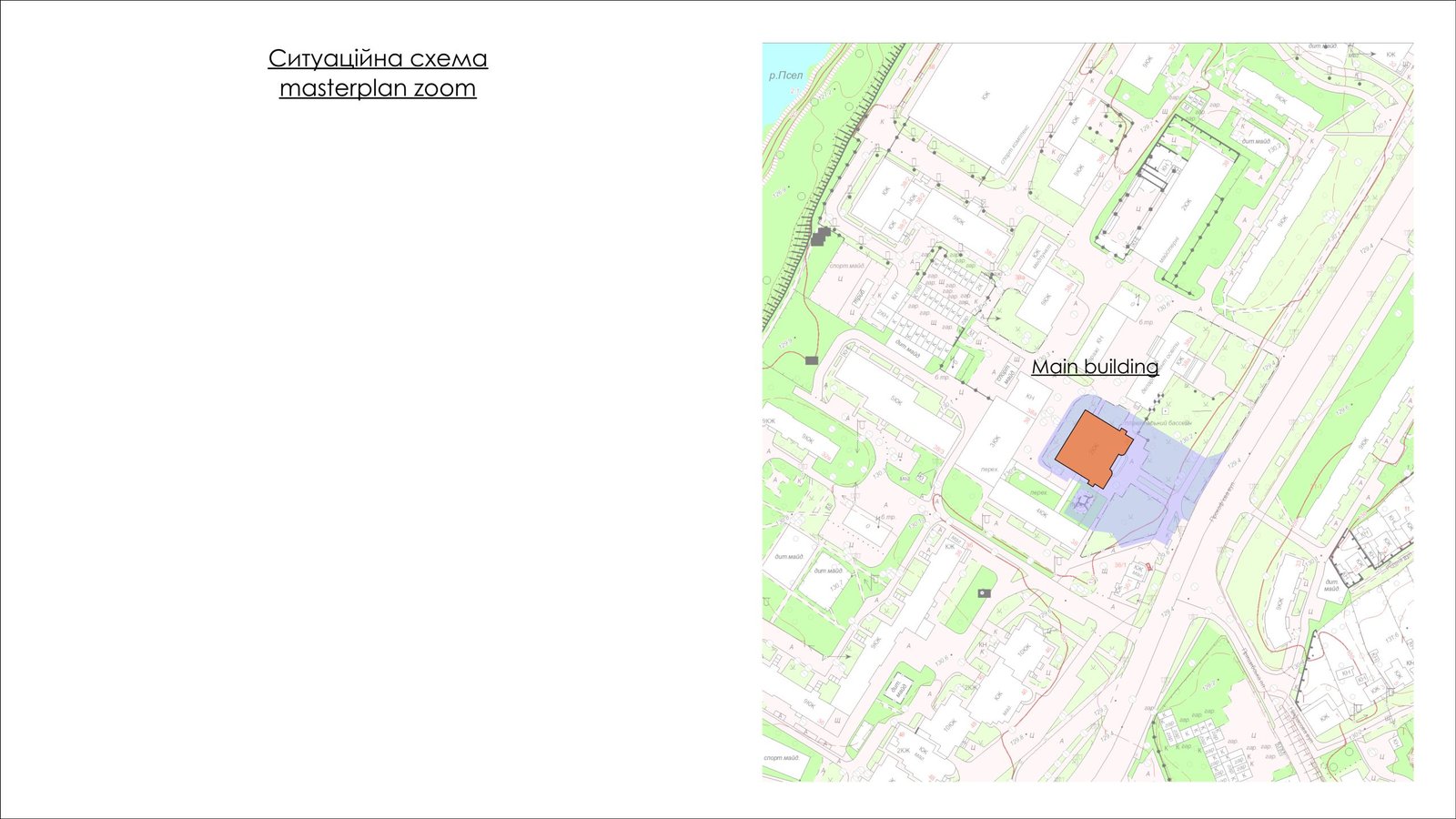
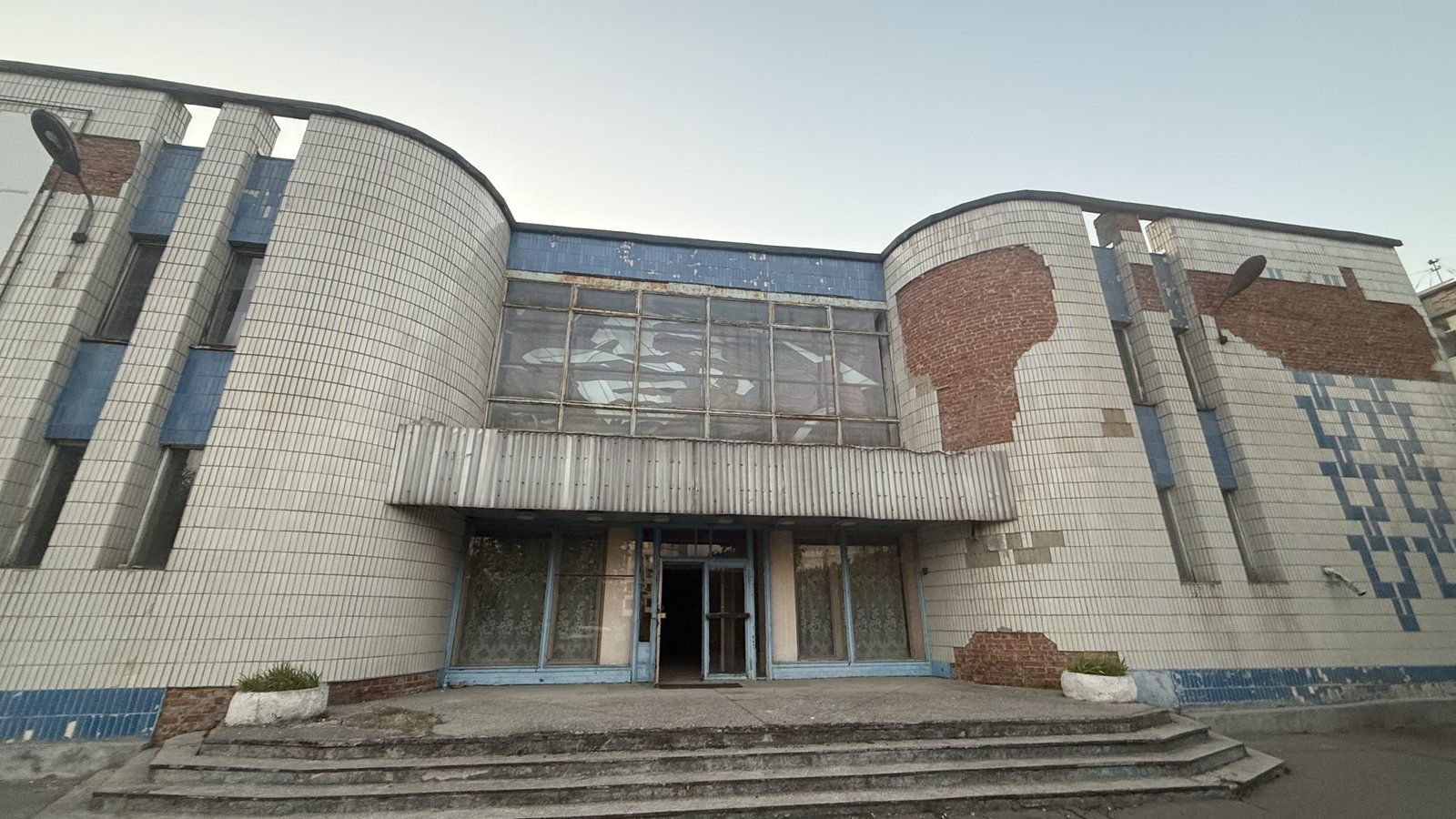
In the future, the potential premises allow for the expansion and development of additional locations, such as temporary accommodation rooms with overnight stay options, showers, a kitchen, an art café, a media studio, and more.
At the same time, we view the Veterans Center not merely as a physical location, but as a space of accessibility, inclusion, and unity. It is important to note that since its establishment in 2024, the Regional Veterans Center has been dynamically evolving — fulfilling not only administrative, methodological, informational, consultative, and statistical functions at the regional level, but also expanding its range of services and creating conditions for effective rehabilitation and reintegration of veterans.
With a strong team and personal experience, one of the core focuses of the future space is adaptive sports. For many veterans, especially those with amputations, the system of adaptive sports rehabilitation represents a comprehensive yet fundamental approach that includes social adaptation, psychological support, and fosters an environment where veterans can regain faith, motivation, and the drive to move forward.
At the same time, there is a growing need for mobility — both in terms of service delivery and access to opportunities for veterans, especially those with disabilities. In particular, when participating in events within our region and across other parts of Ukraine, veterans often rely on their own vehicles, which are not suitable for such purposes. These personal vehicles are not equipped to meet accessibility standards. For example, individuals with lower limb amputations are unable to independently enter the vehicle, which causes discomfort and may eventually lead to veterans refusing to participate in various activities — negatively impacting their physical and mental health, and hindering their reintegration into civilian life.
In light of the above, to enhance the effectiveness of the Center’s operations, support its development, and ensure access to necessary locations for veterans with disabilities — as well as to improve their mobility, quality of life, and establish a functional mobile service delivery system tailored to veterans’ needs — there is an urgent need for specialized inclusive transport.
Having such a vehicle would significantly increase the number of veterans reached by services and programs and contribute to the creation of a barrier-free, inclusive, veteran-oriented environment.