Адреса:
7, Стецьківська вул., місто Суми, Сумська область, 40491, Україна
Адреса:
7, Стецьківська вул., місто Суми, Сумська область, 40491, Україна
Ideas shaping Ukraine’s future
Ideas shaping Ukraine’s future
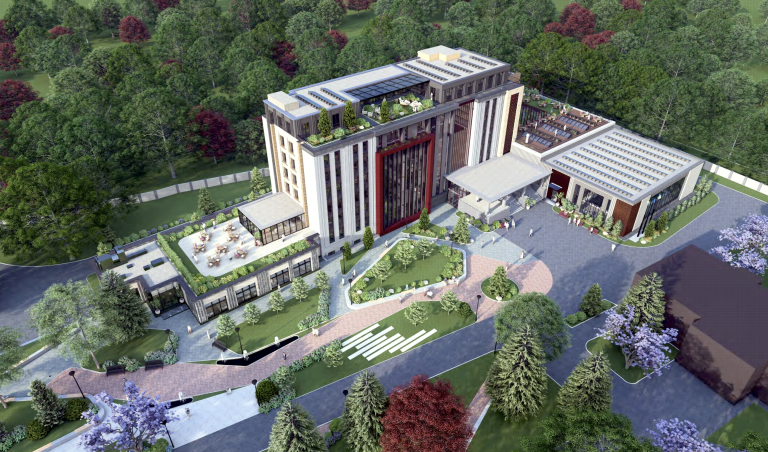
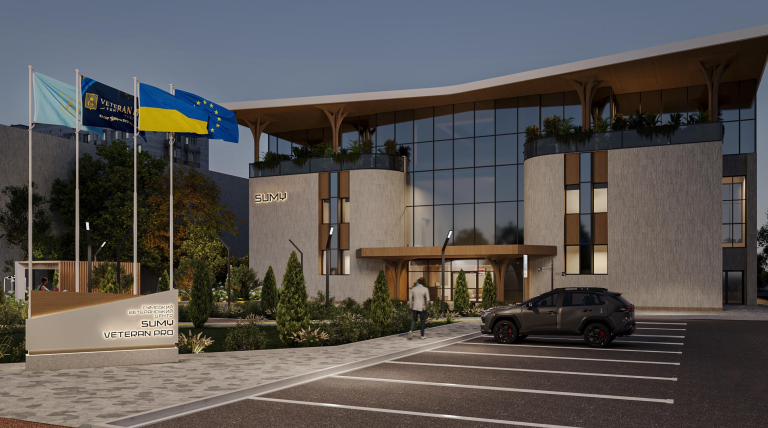
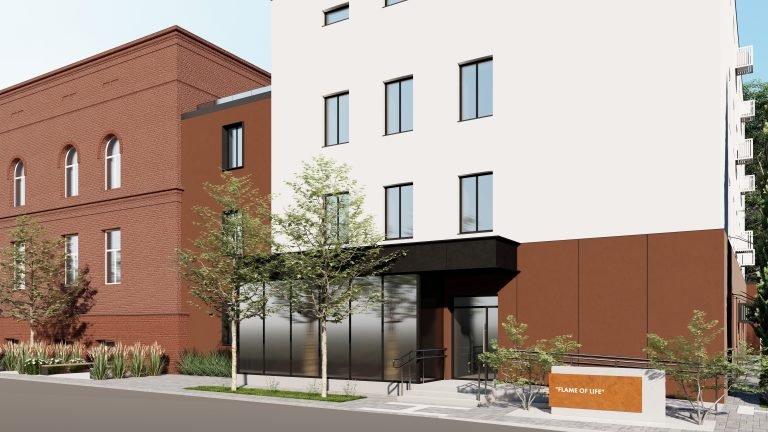
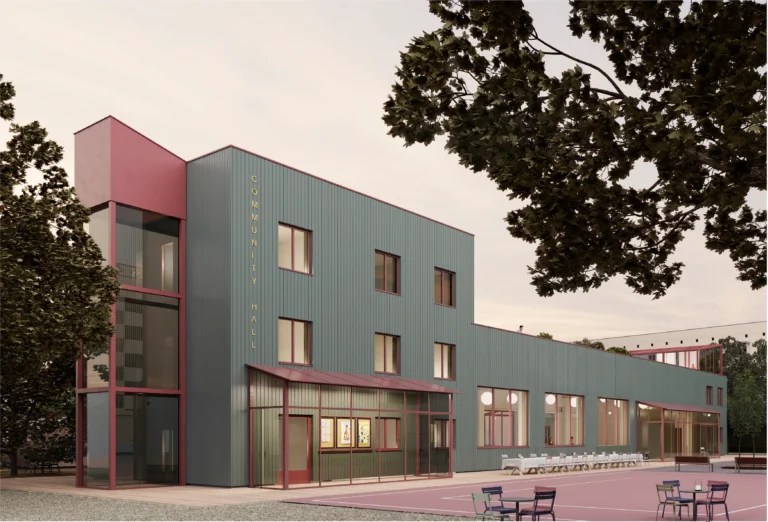
Сумська обласна військова адміністрація за підтримки Міністерство закордонних справ України / MFA of Ukraine під час проведення міжнародної конференції “Resilience and the European future of Sumy region” 30 жовтня 2025 року в Києві показала своє бачення створення Центру реабілітації “Sumy”, який вони запропонували підтримати урядами наших партнерів та програмам міжнародної технічної допомоги.
Звичайно, після заморозки війни. Звичайно, це дуже амбітно. І недешево. Але спроба переосмислити галузь охорони здоров’я у місті Суми та сектор медичної та немедичної ребалітації, – принаймні на ці виклики можна спробувати шукати відповіді вже зараз.
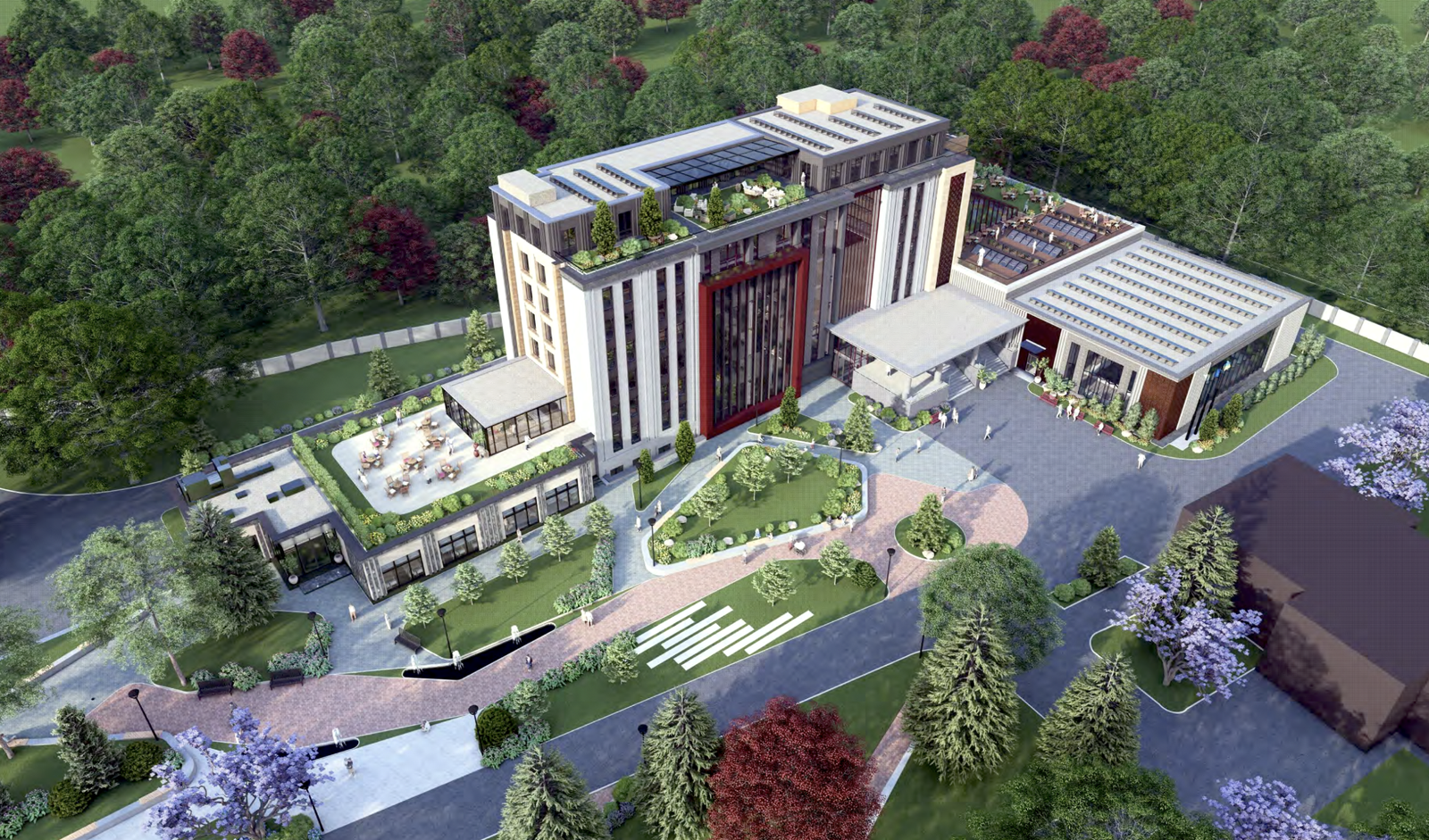
Проект розроблений київської компанією “Енвітек”, яка раніше із Сумами не працювала, і яка змогла в дуже стислі терміни зробити концептуальний дизайн. Директор компанії Віктор Михайловський під час конференції разом із делегацією Сумської області представив проект в Дипломатичній академії МЗС України для міжнародних партнерів.
До речі, мало хто може сьогодні адекватно оцінити потреби у послугах медичної та немедичної реабілітації після можливої заморозки війни. Ці цифри можуть перевищити навіть вашу уяву.
За даними Сумської ОВА, у 2024 році в області реабілітаційні послуги отримали 7 183 особи.
У 2025 році такі послуги прогнозовано отримають понад 9 000 осіб лише в лікарнях.
Потреба в реабілітаційному лікуванні порушень функціонування опорно-рухового апарату стрімко зростатиме і може становити 90% усіх учасників бойових дій, які повернуться з війни у 2026-2030 роках, що може становити до 50 000 осіб щорічно, або навіть більше.
Наразі лікарі країни стикаються з новою проблемою реабілітації військовослужбовців – критичними є порушення функціонування опорно-рухового апарату. Носіння “броні” та екстремальні навантаження викликають міжхребцеві грижі, люмбоішіалгію та хронічний біль у попереку та шиї, значне погіршення рухливості плечей та опорно-рухового контролю. Такі травми є майже у кожного, хто активно бере участь у бойових діях, а їх лікування вимагатиме багаторічної медичної реабілітації та постійної підтримки спеціалістів.
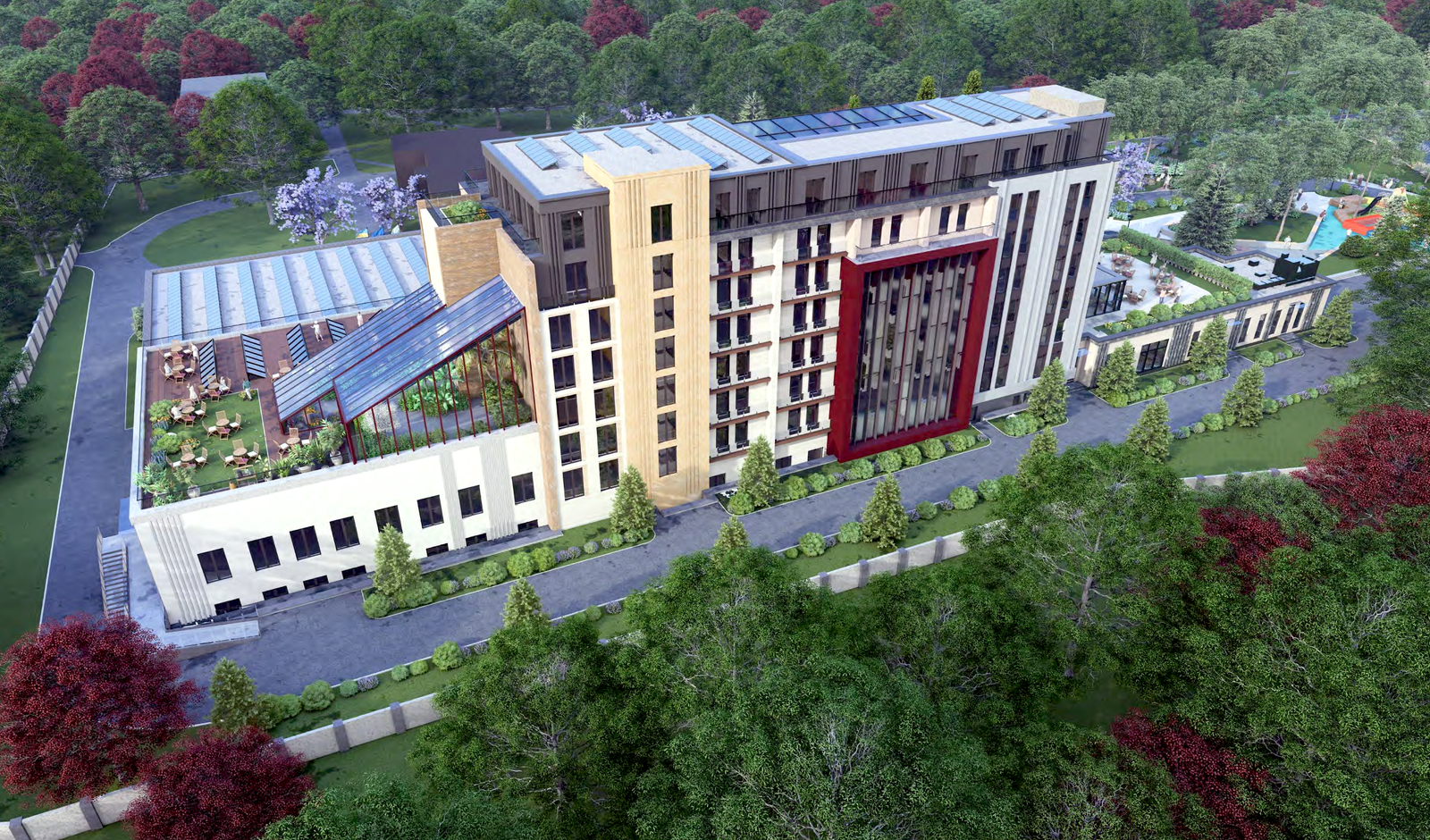
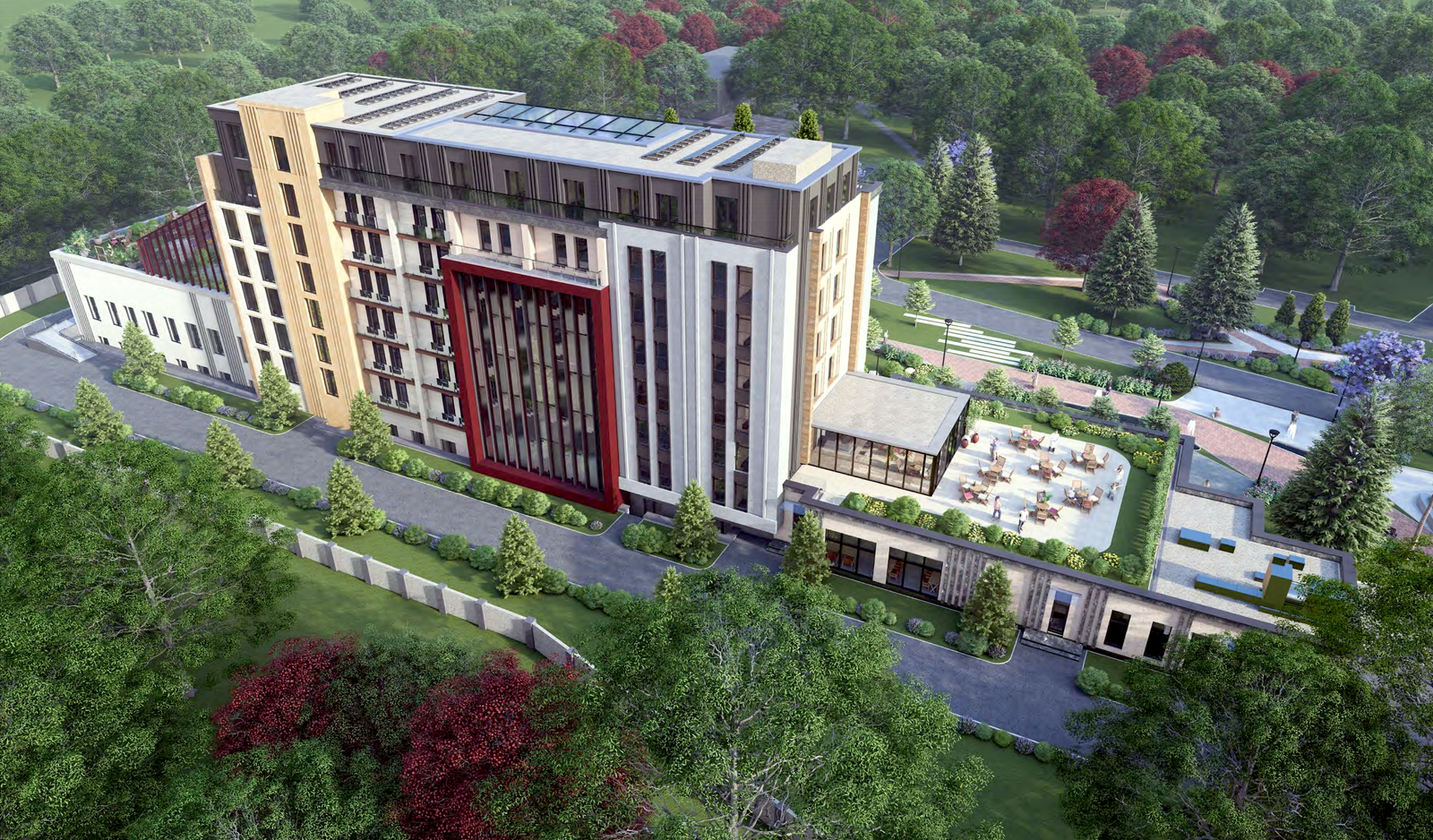
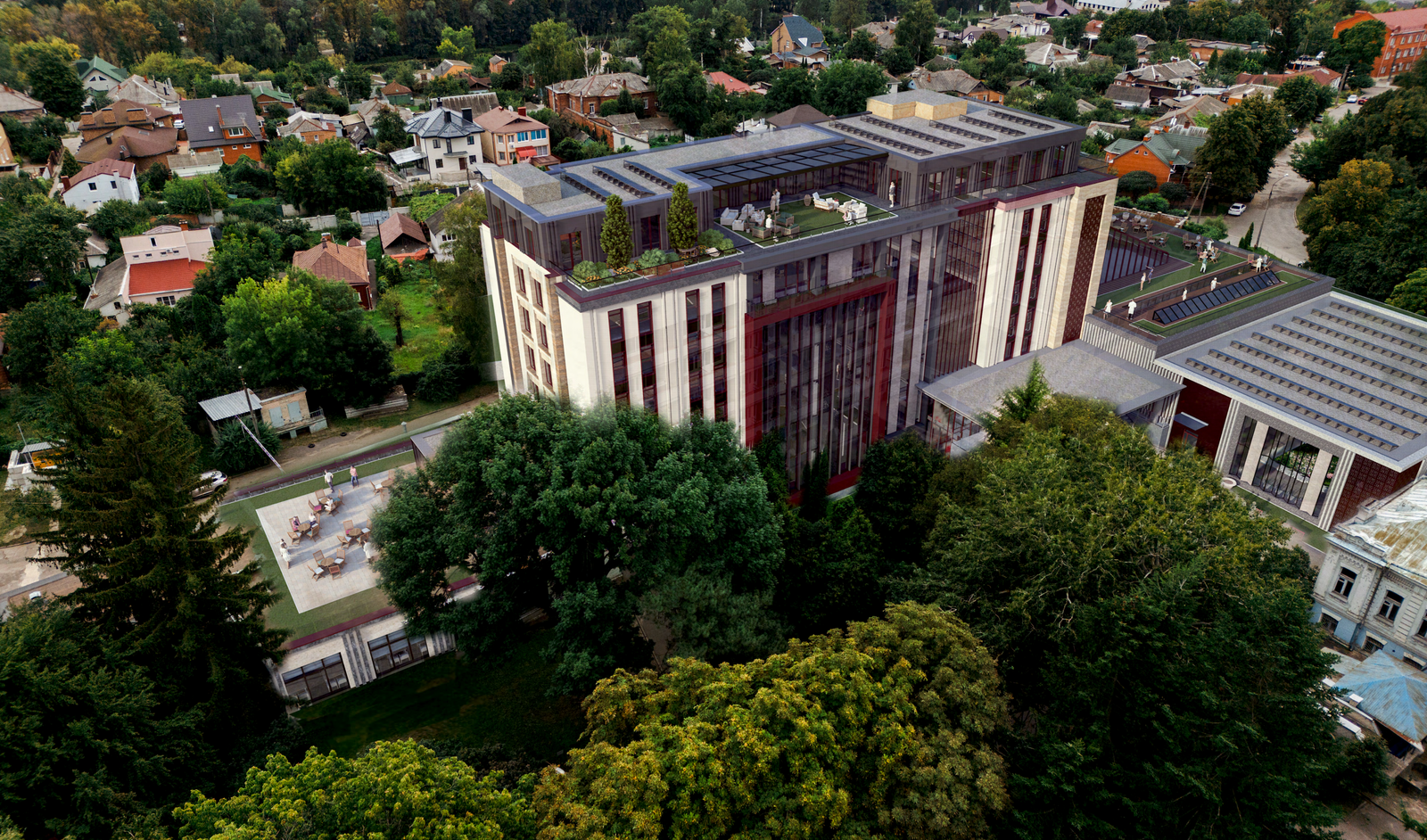
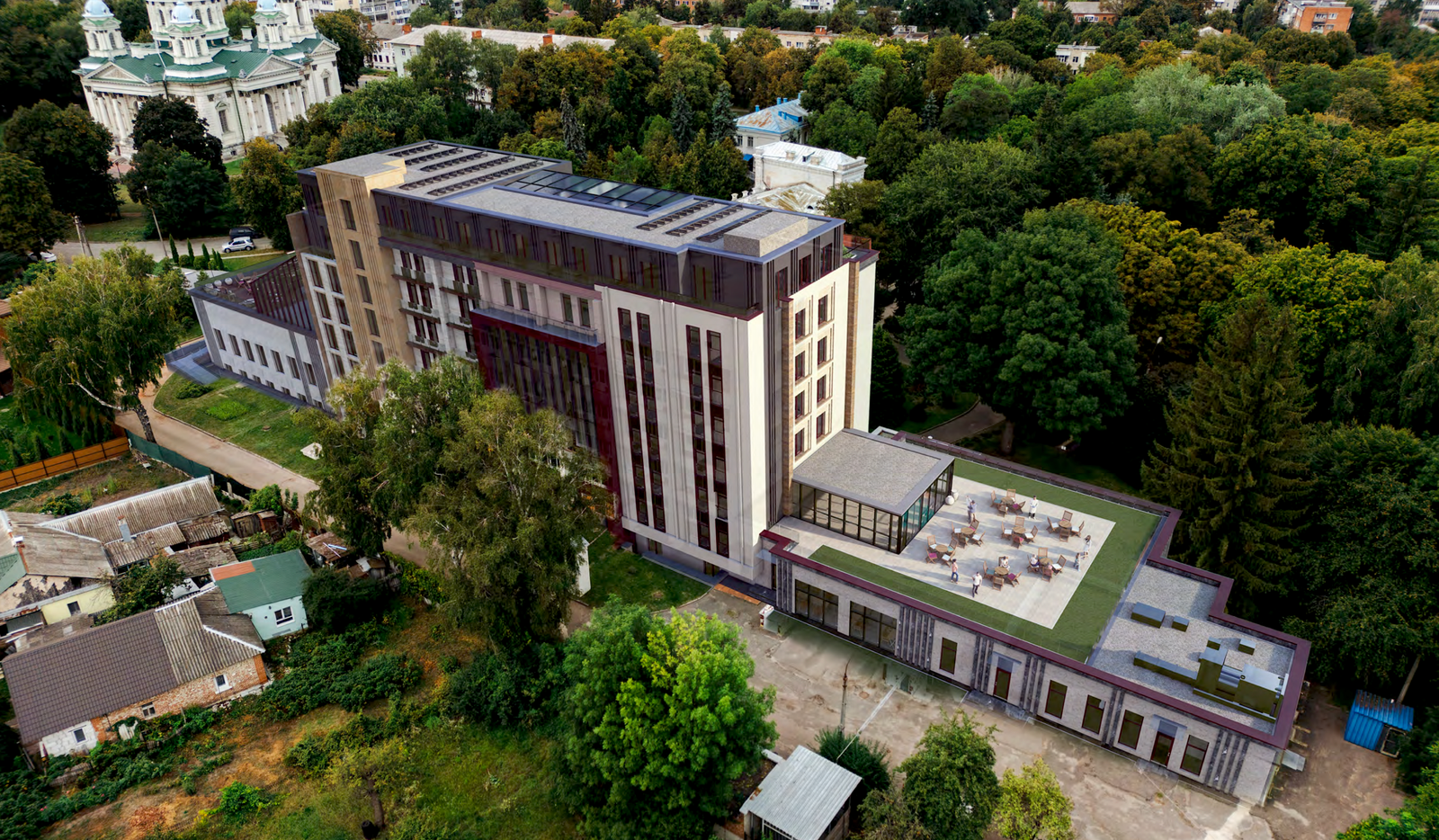
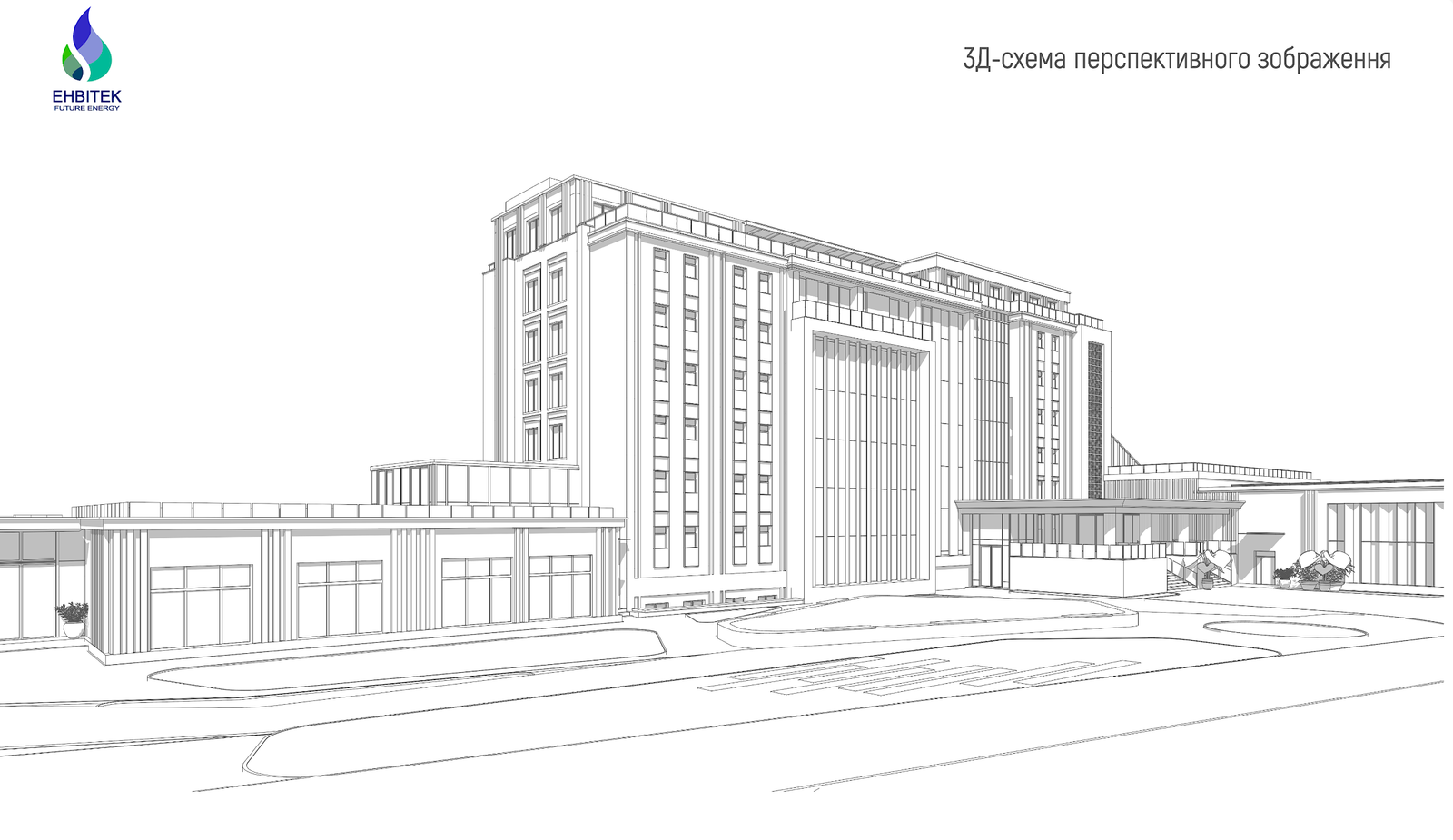
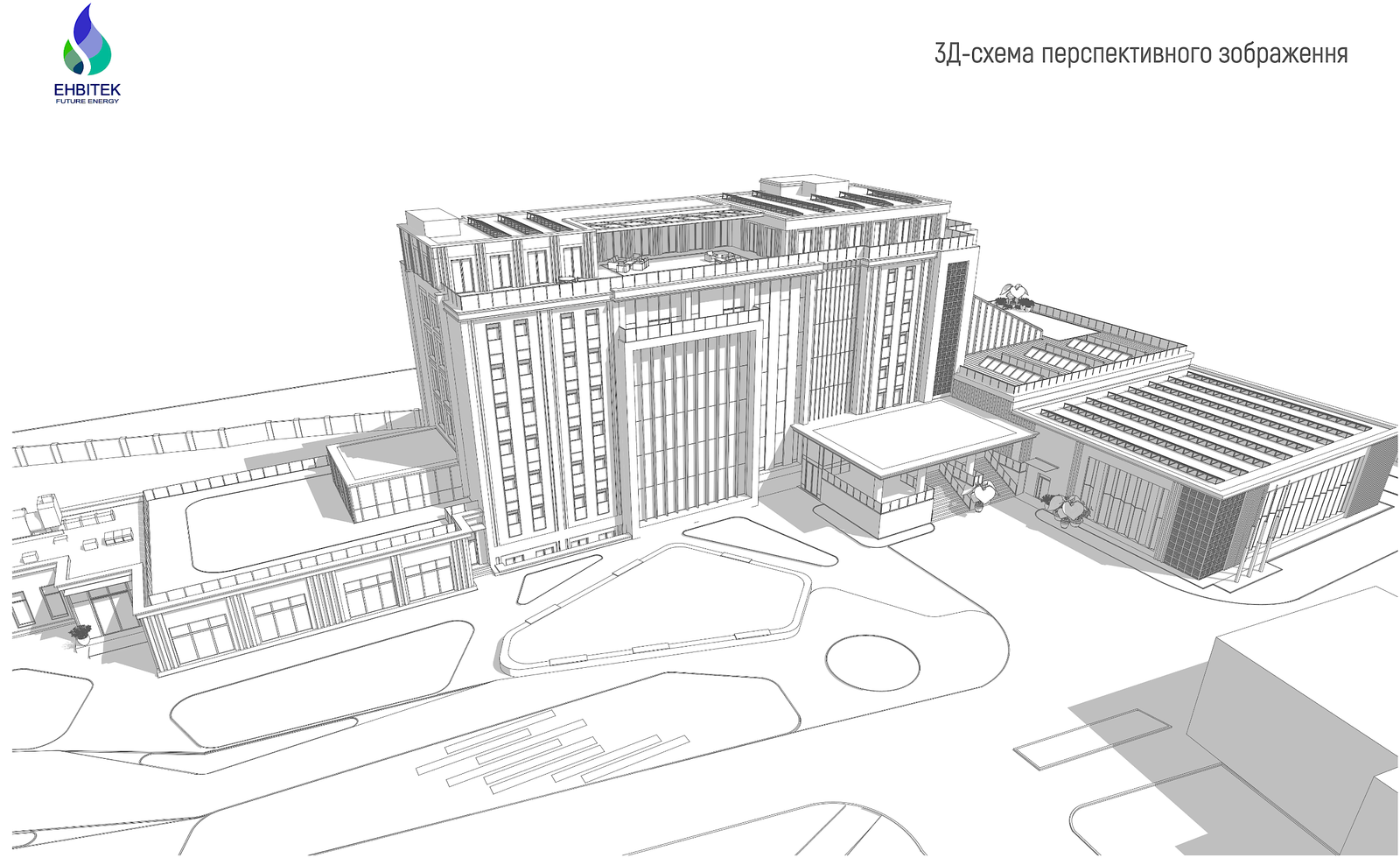
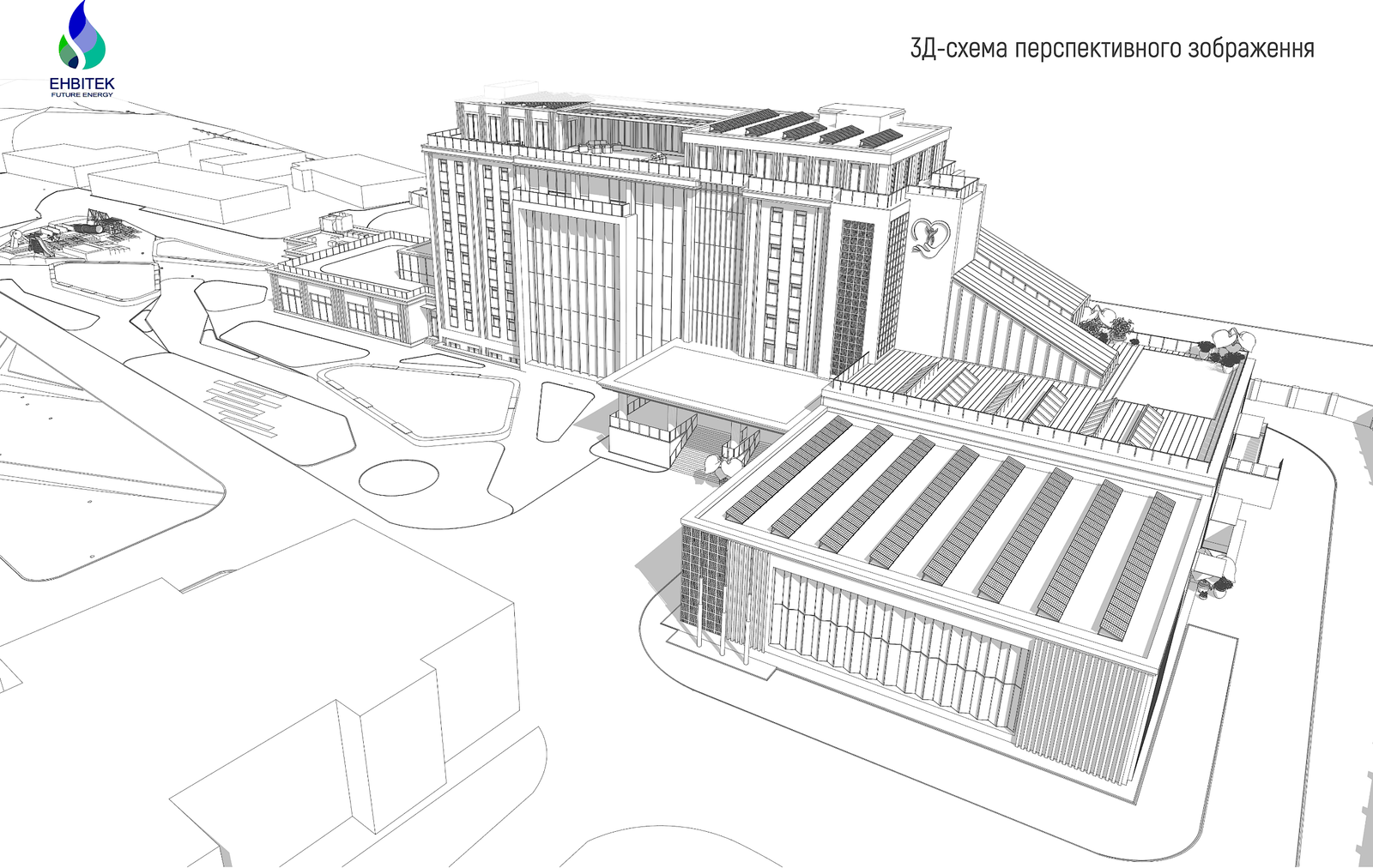
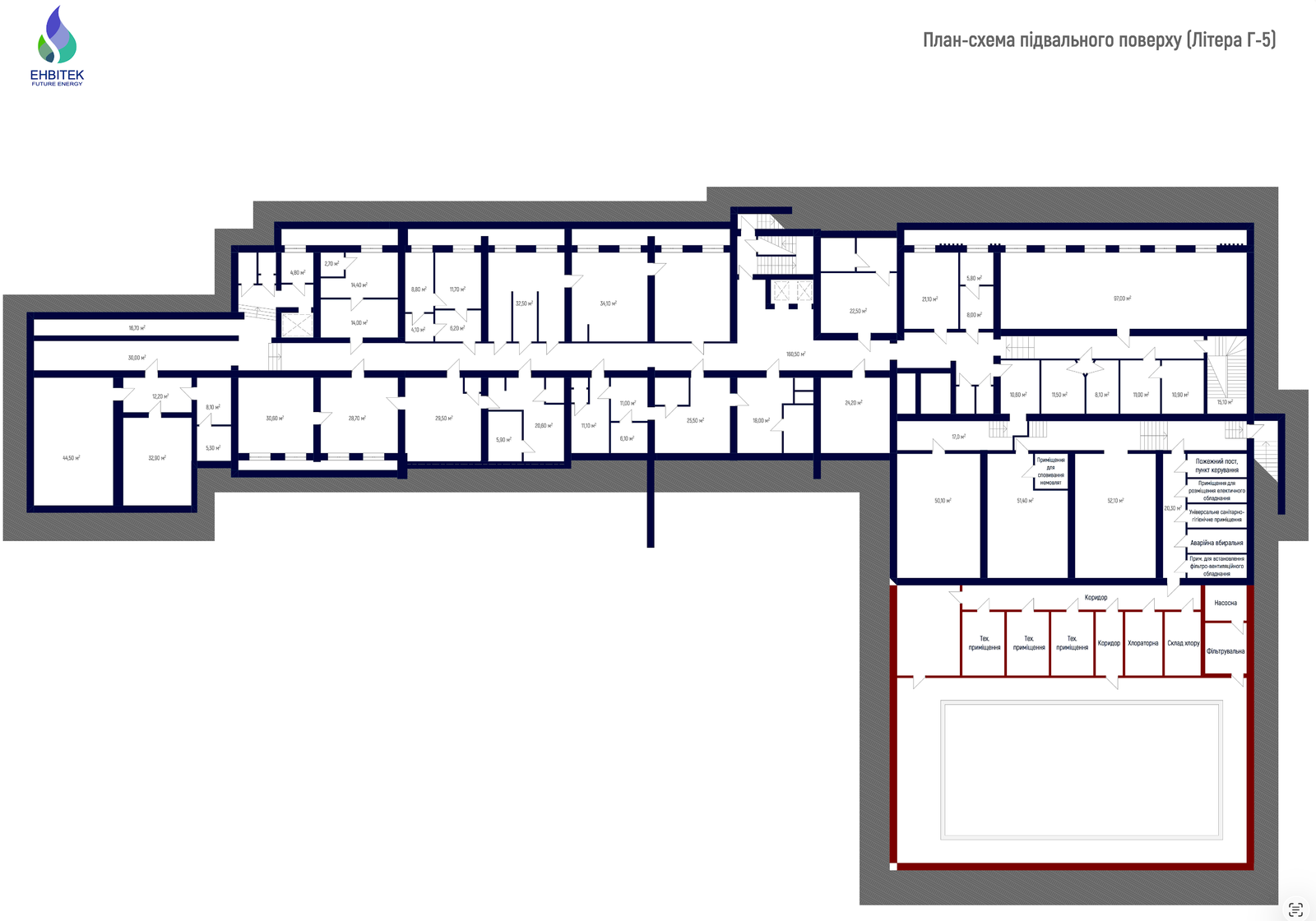
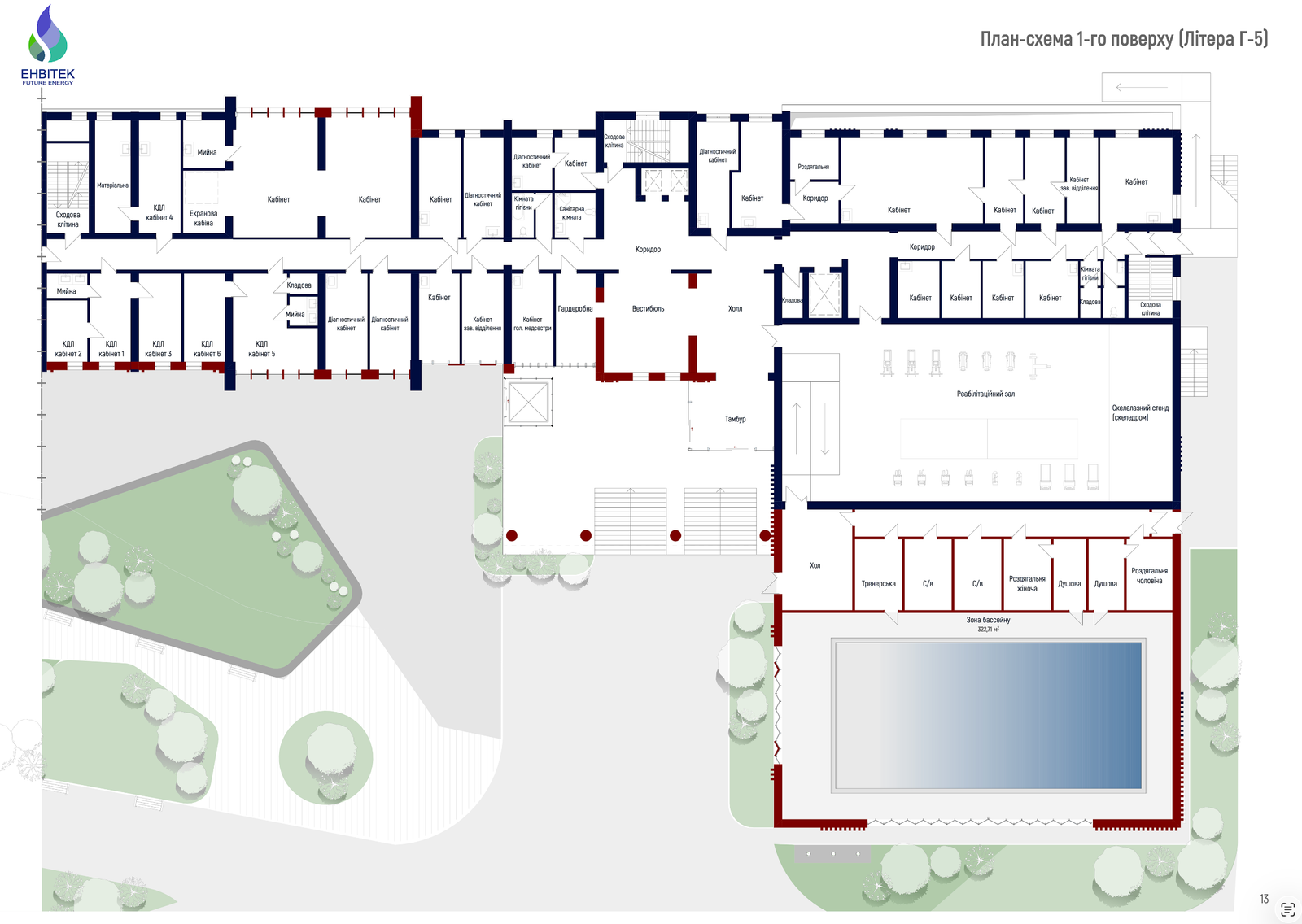
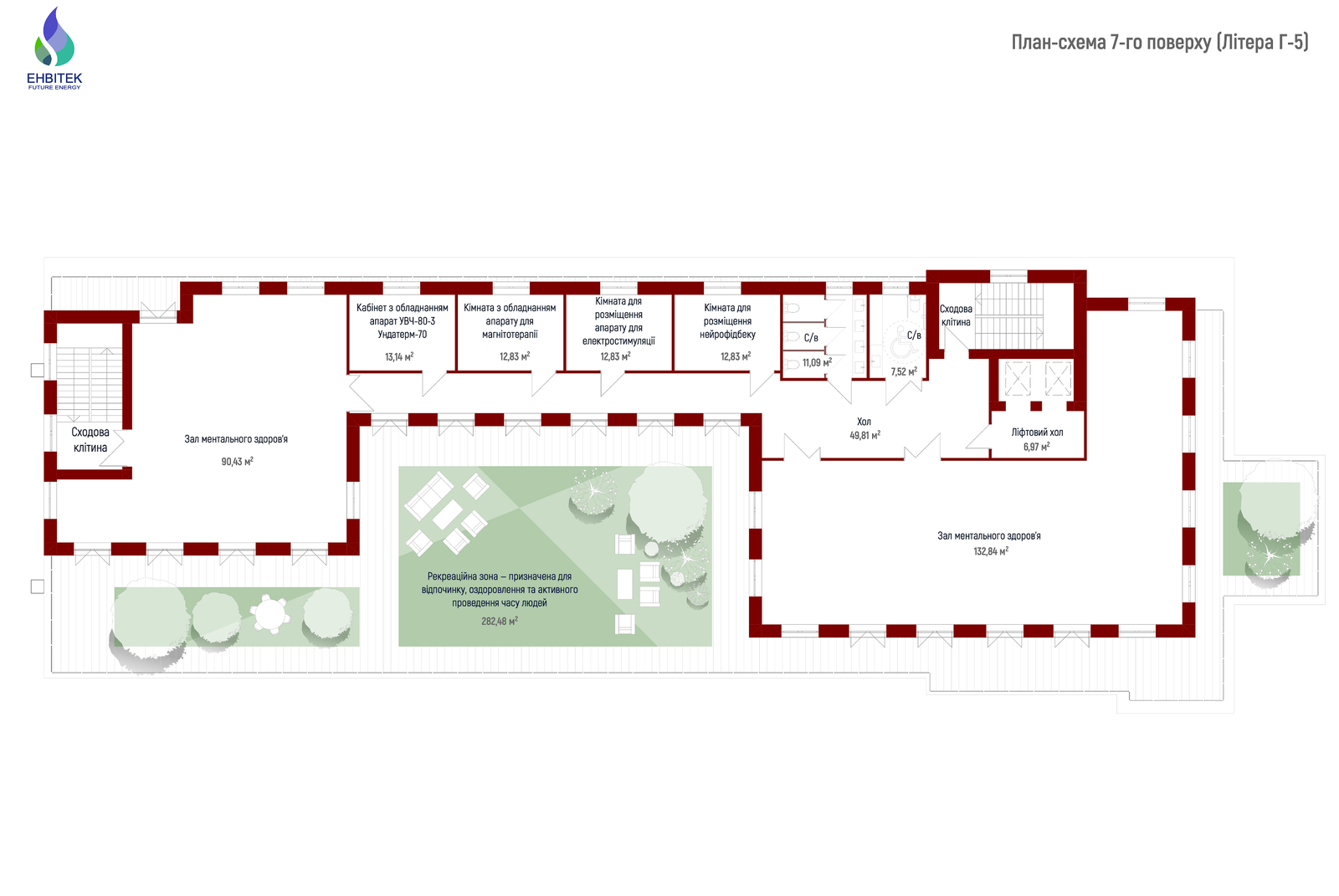
Проект Реабілітаційного центру “Sumy” передбачає не тільки реновацію існуючої будівлі, але й побудову блоку для водно-лікувальних процедур, потреба в яких буде зростати з кожним роком. І на область потрібно буде кілька таких реабілітаційних центрів.
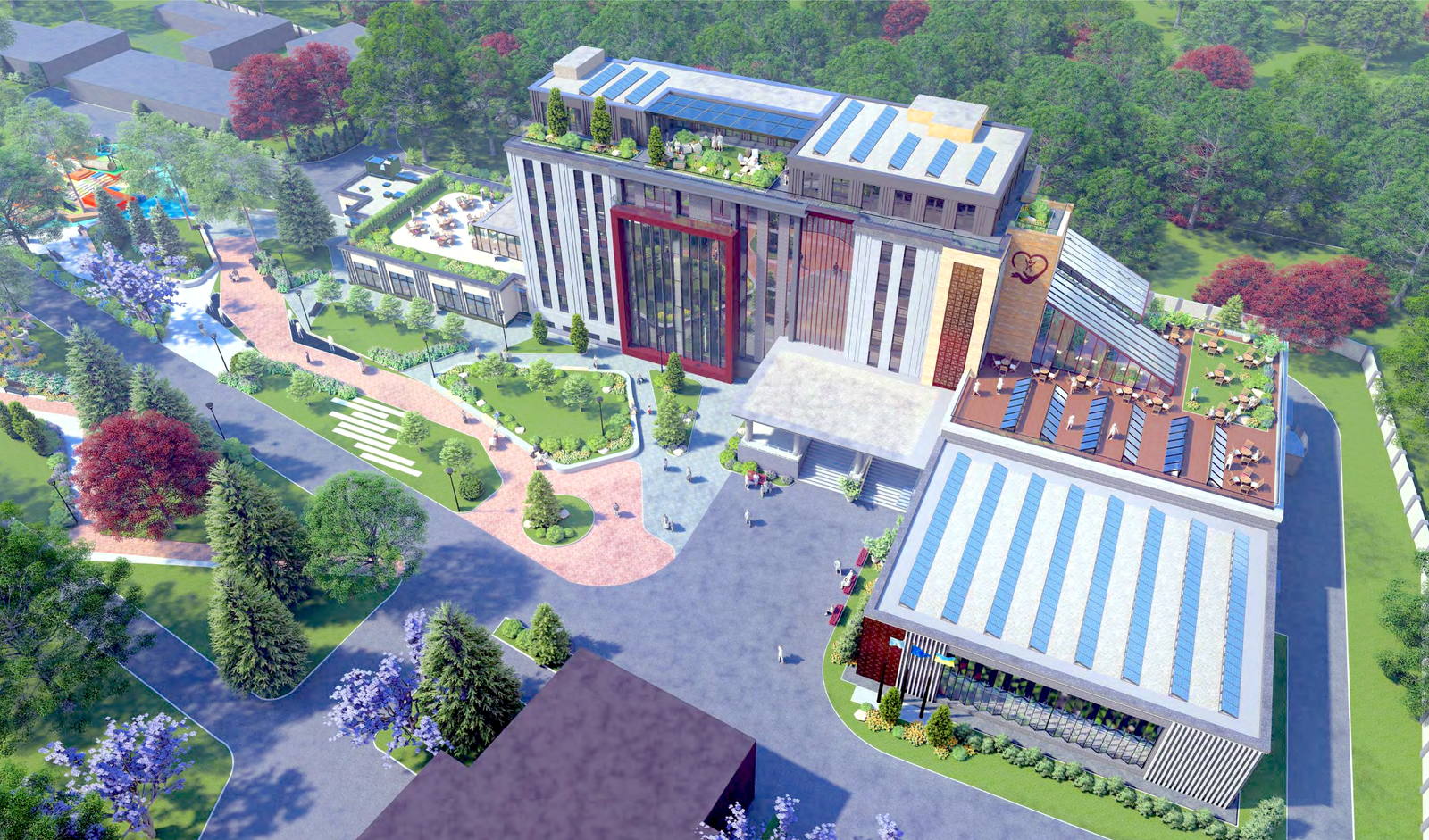
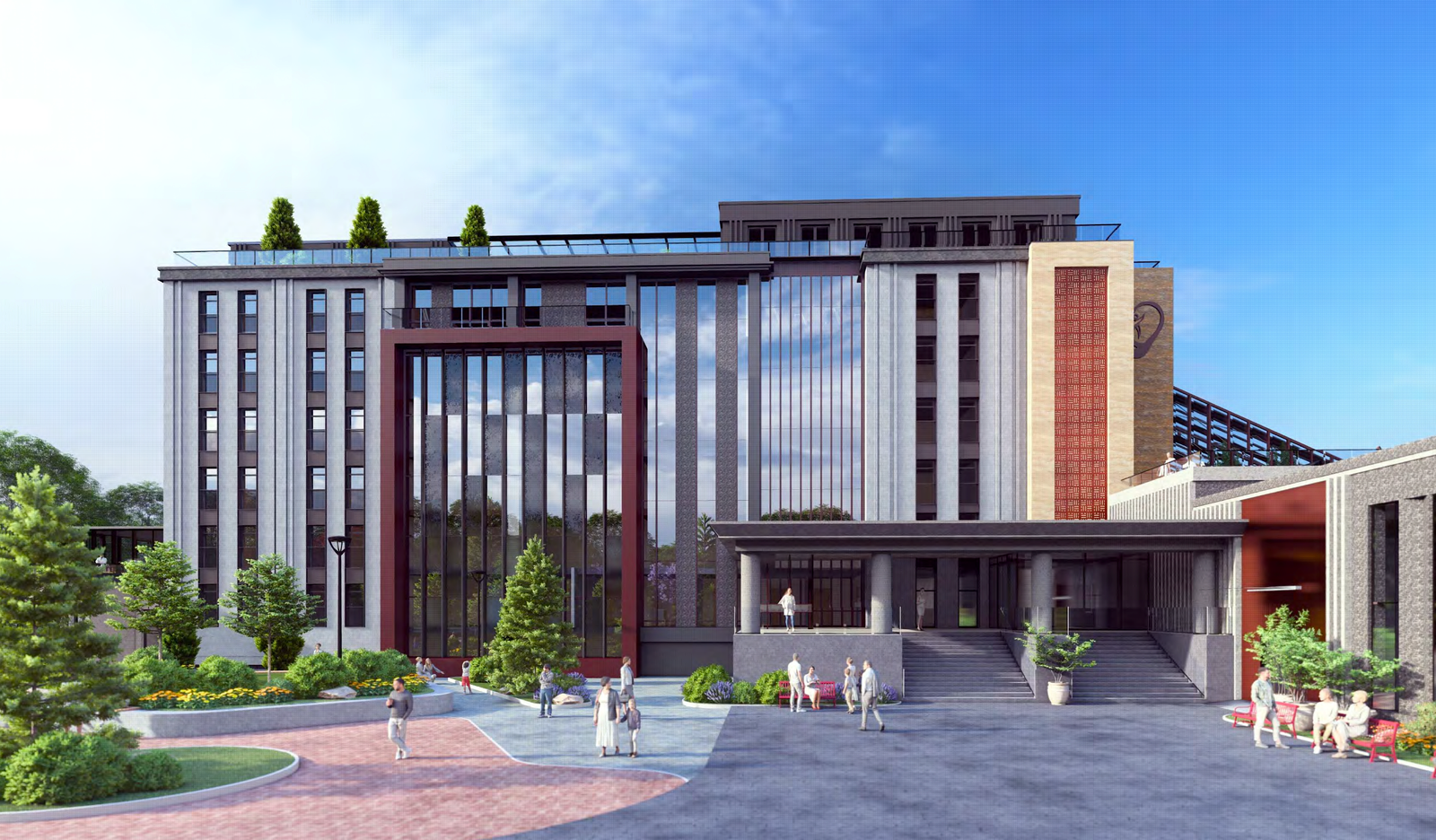
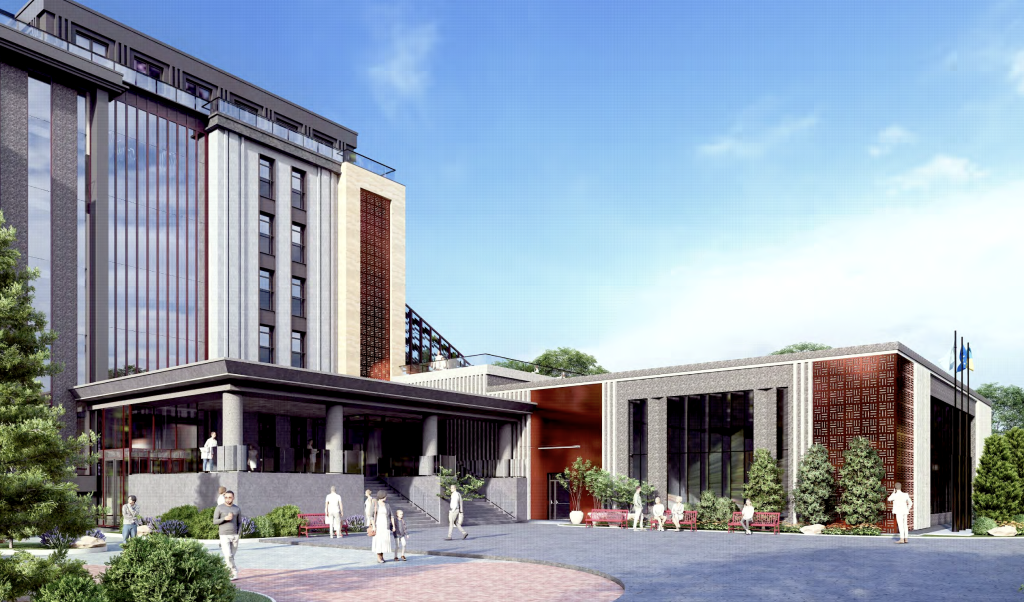
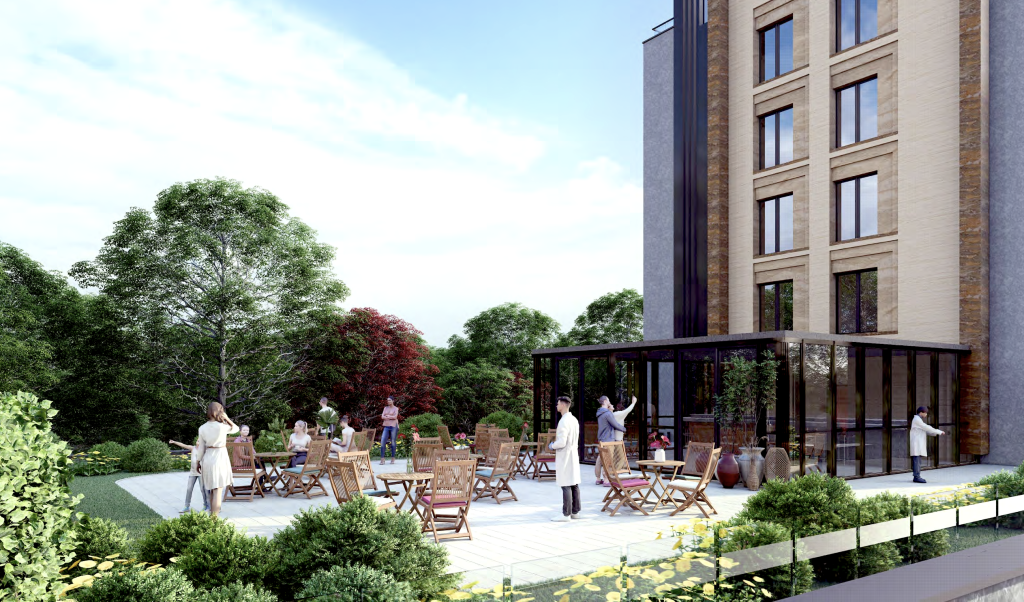
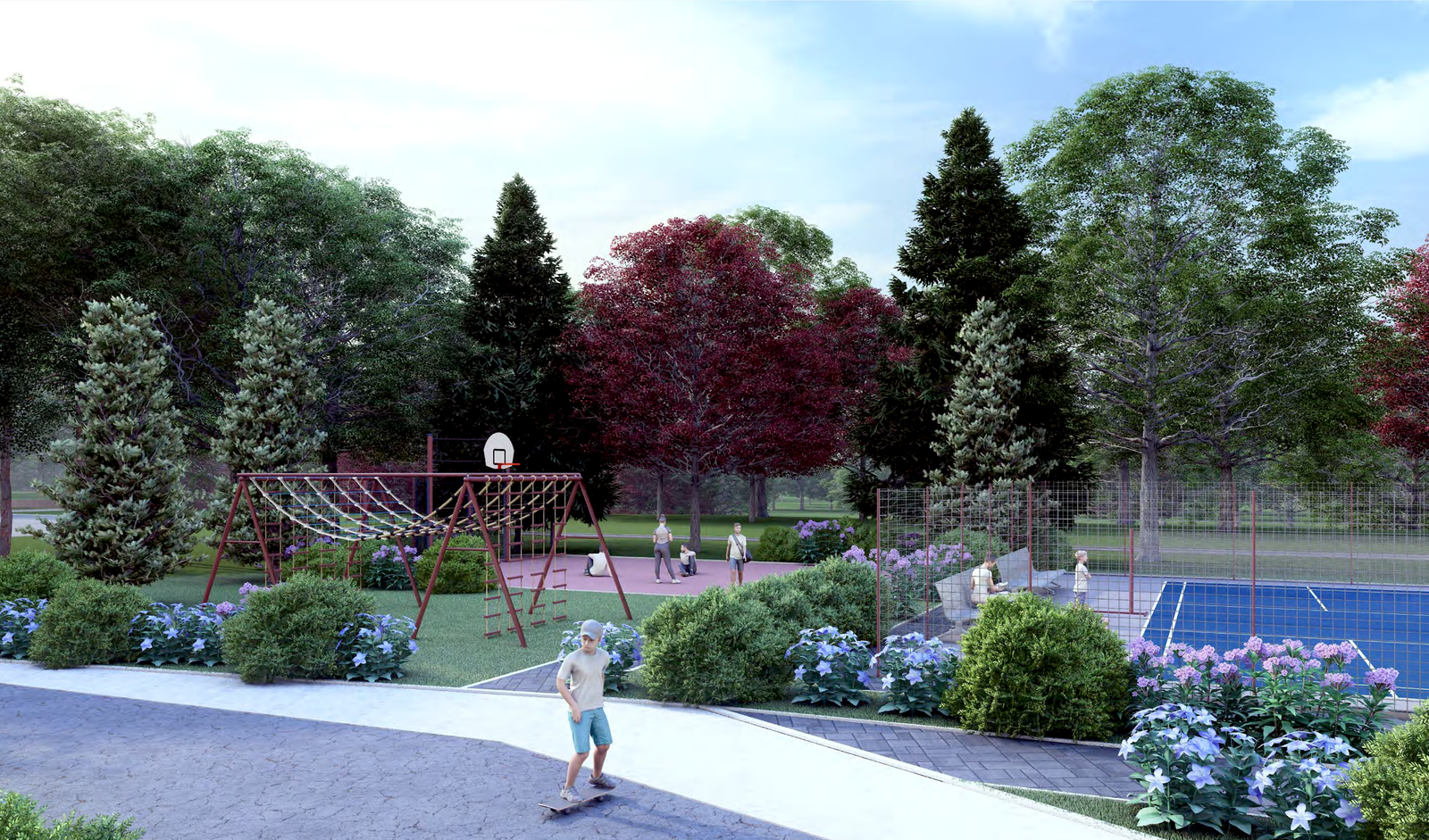
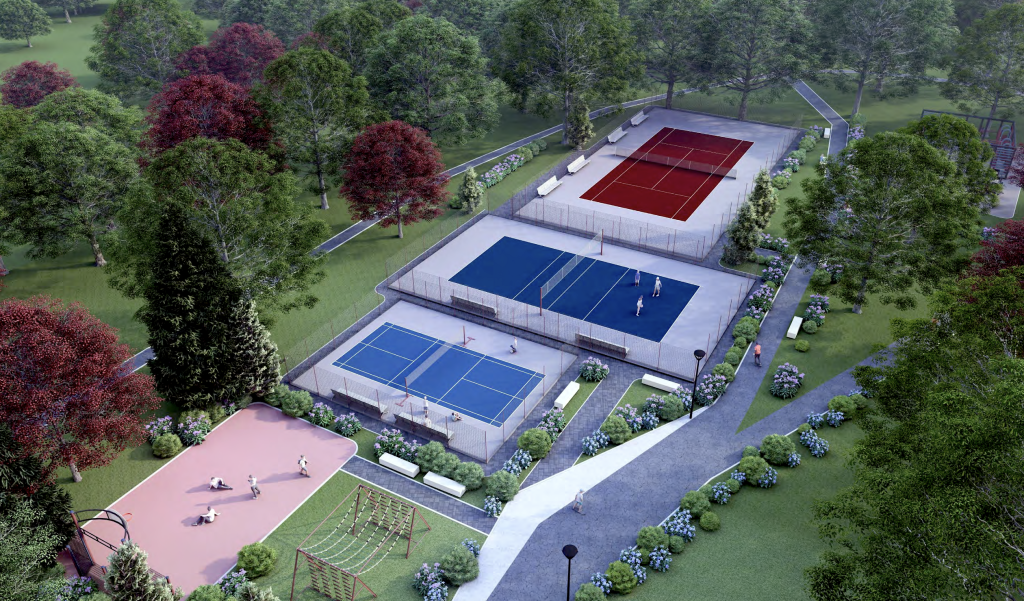
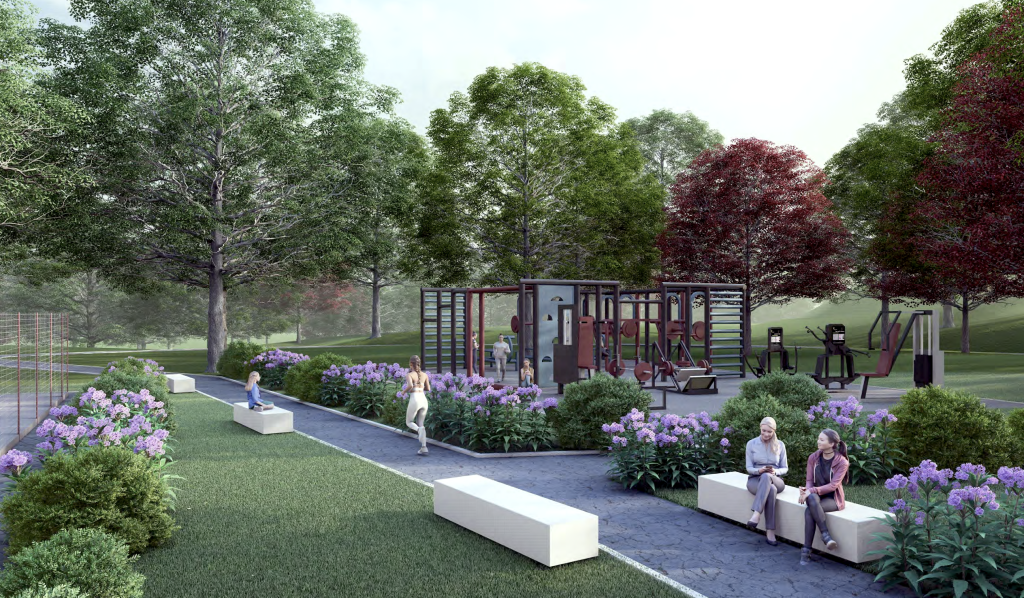
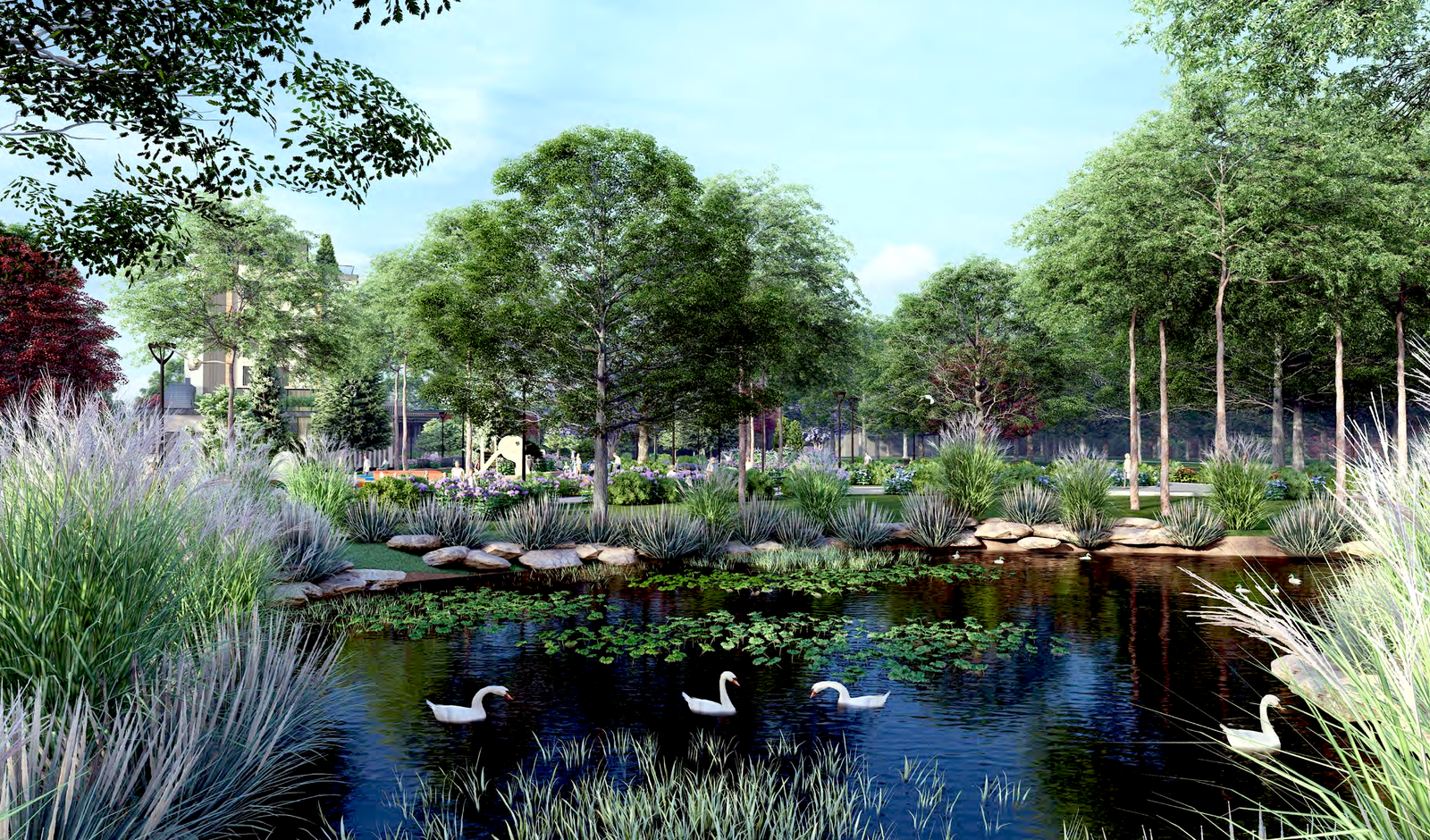
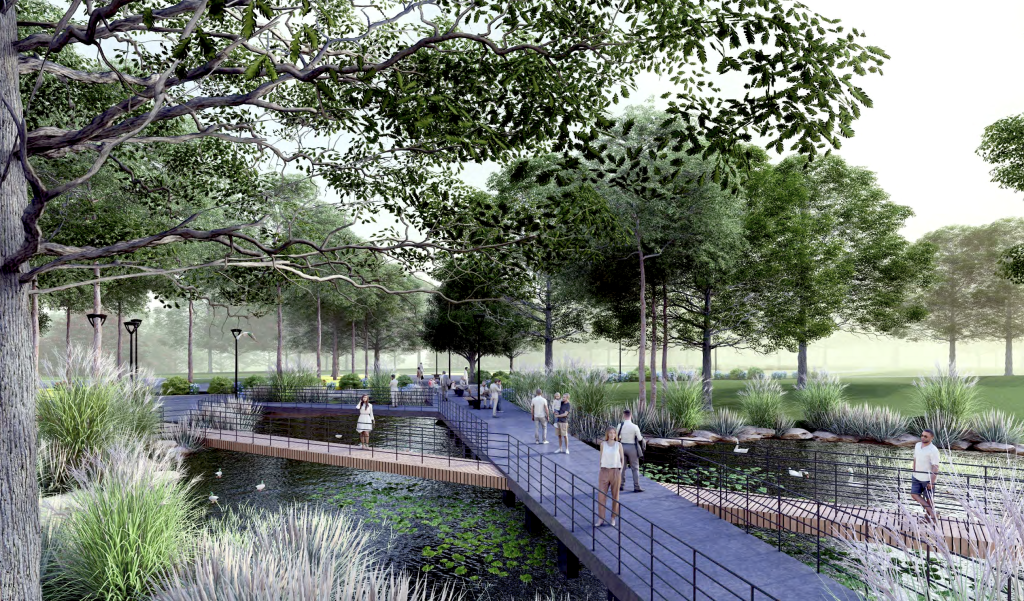
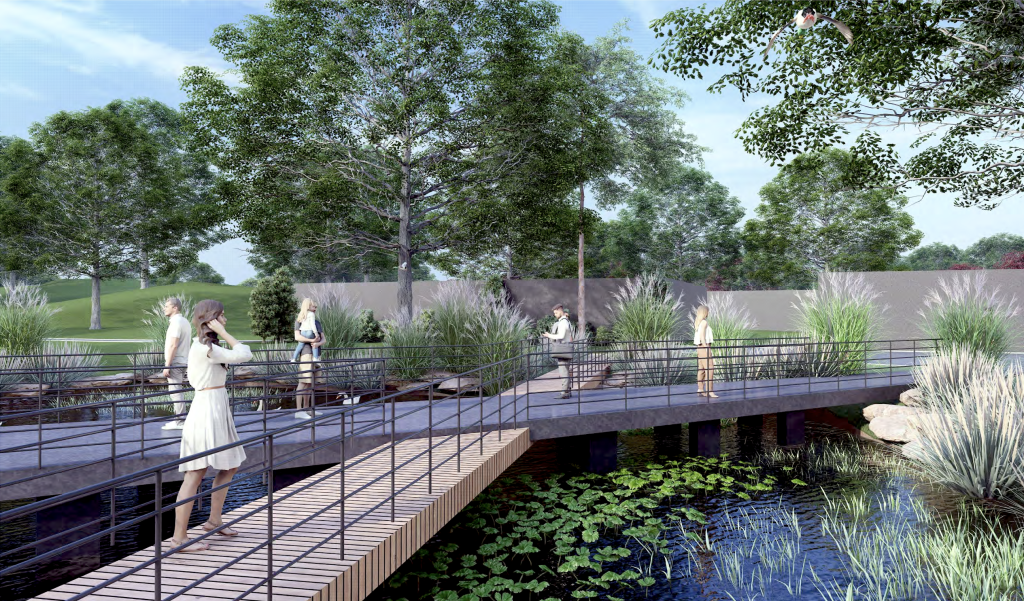
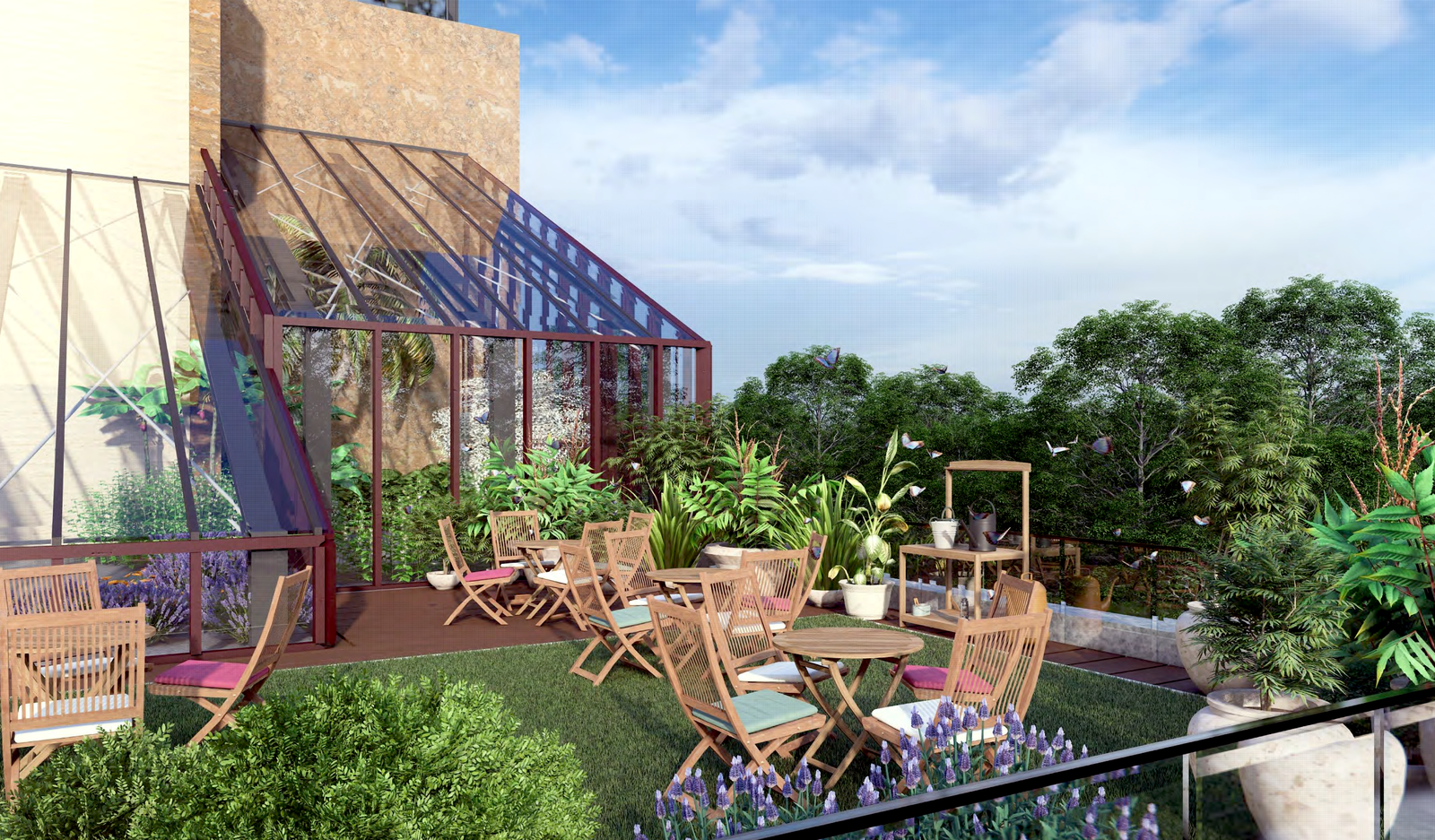
Дизайнери “Енвітек” також розробили реновацію парку і створення терапевтичного саду, що передбачає наявність різних функціональних зон для індивідуальних та групових занять. Тут облаштовано місця для терапевтичного садівництва, адаптивних спортивних активностей, тілесних практик, дитячий майданчик, “зелену кімнату” для неформального спілкування та місце для групових зустрічей.
Простір саду буде облаштовано з урахуванням принципів безбар’єрного доступу. Усі елементи інфраструктури будуть адаптовані для людей з різними потребами: передбачені тверді нековзкі покриття, в тому числі над поверхнею відновленого мікро-озера, підняті клумби, зручні лавки з підлокітниками, навігація зі шрифтом Брайля, контрастні таблички та мнемосхема території.
Currently, there is no full-fledged Rehabilitation Center in Sumy region with the ability to manufacture and select prostheses for patients who have lost limbs.
Potential target audience of the future Center: military personnel, veterans, civilians injured as a result of hostilities, and patients with injuries that led to the loss of limbs.
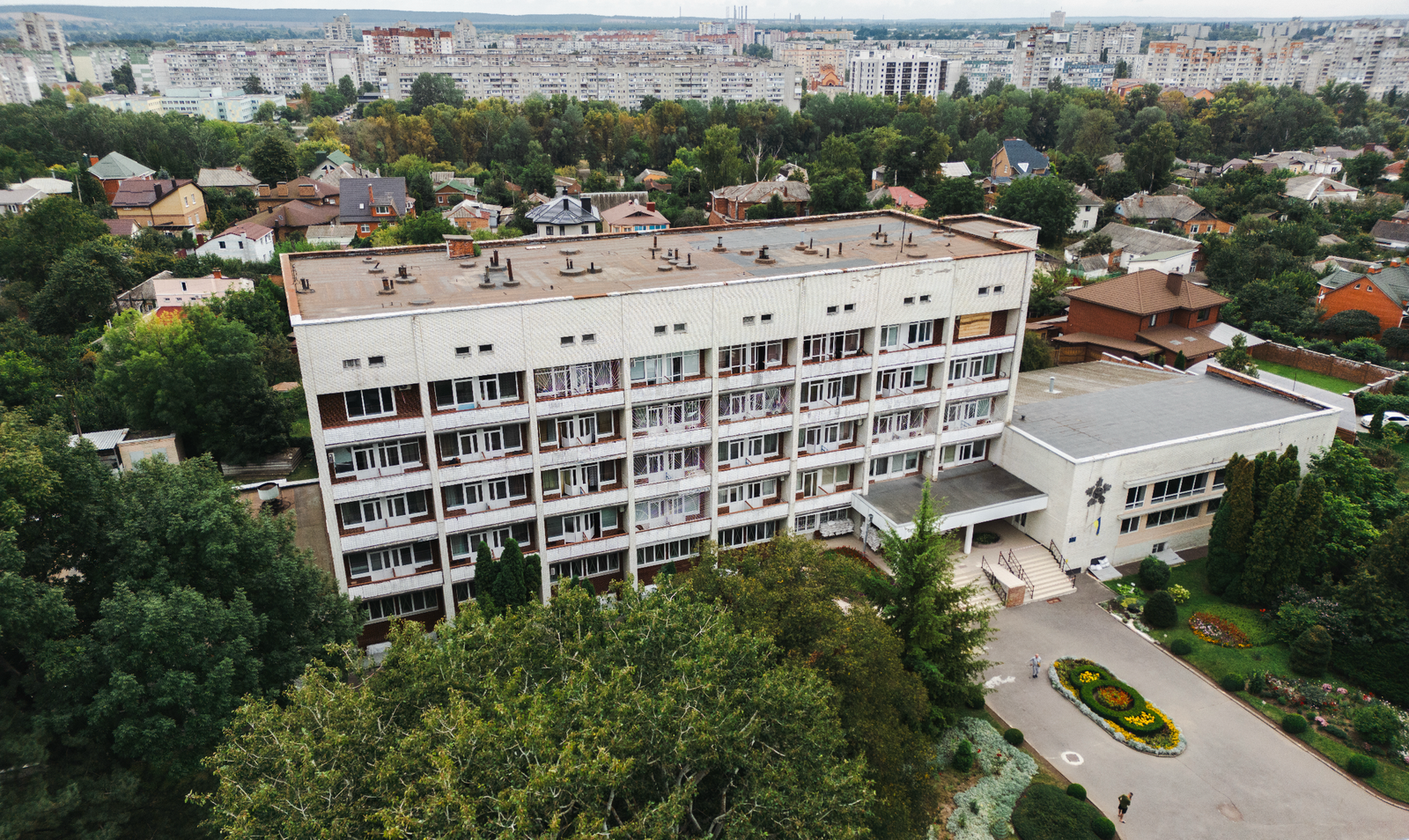
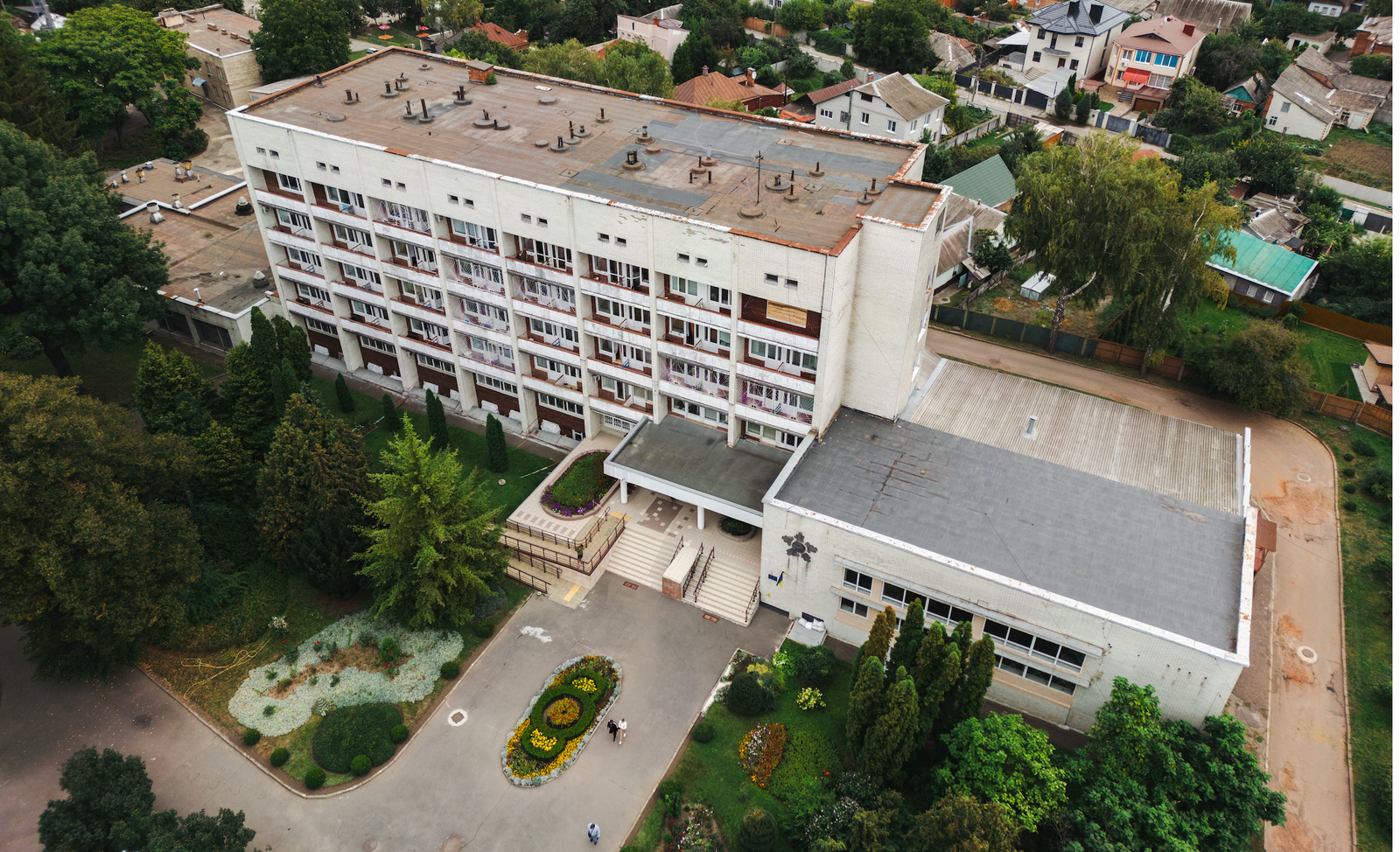
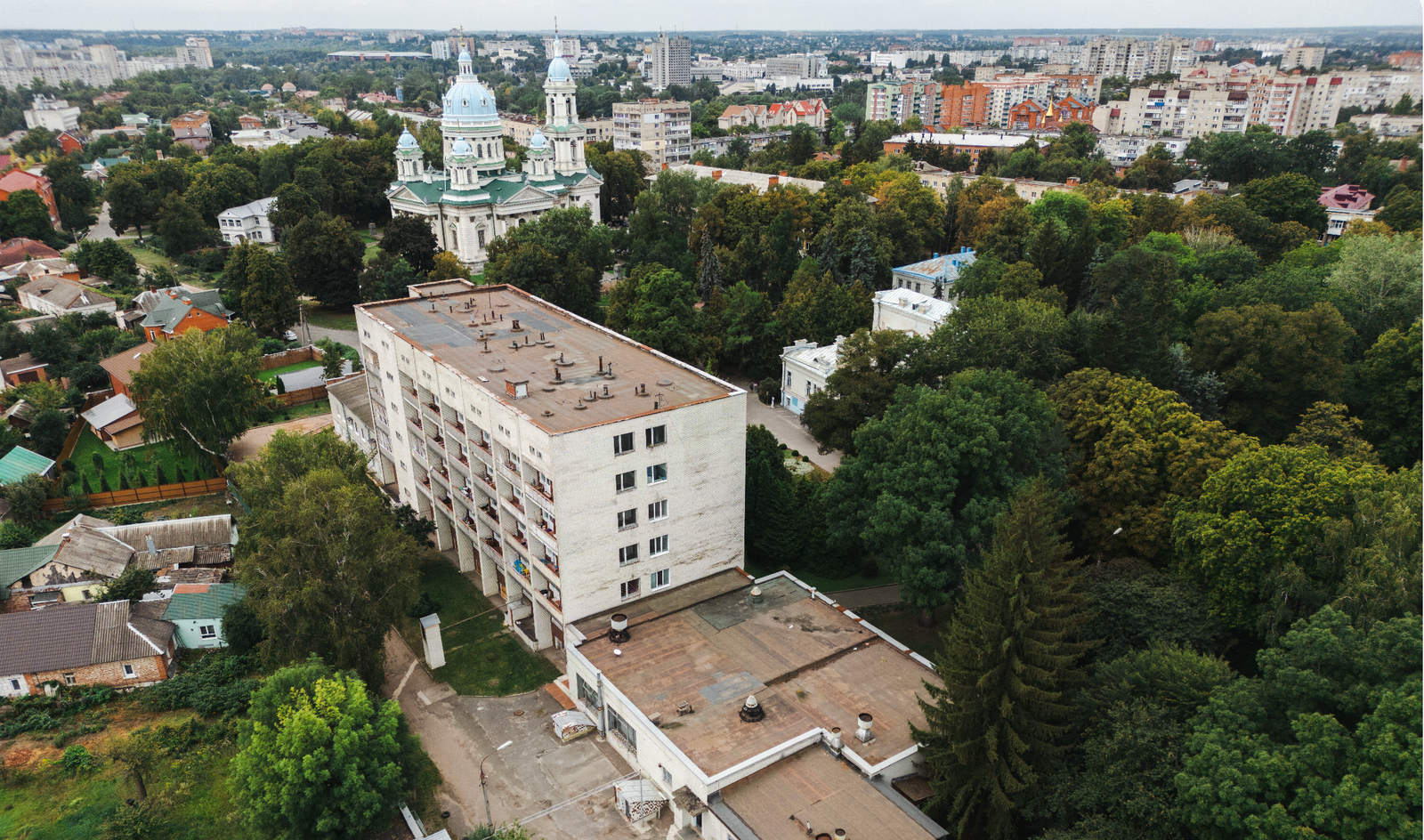
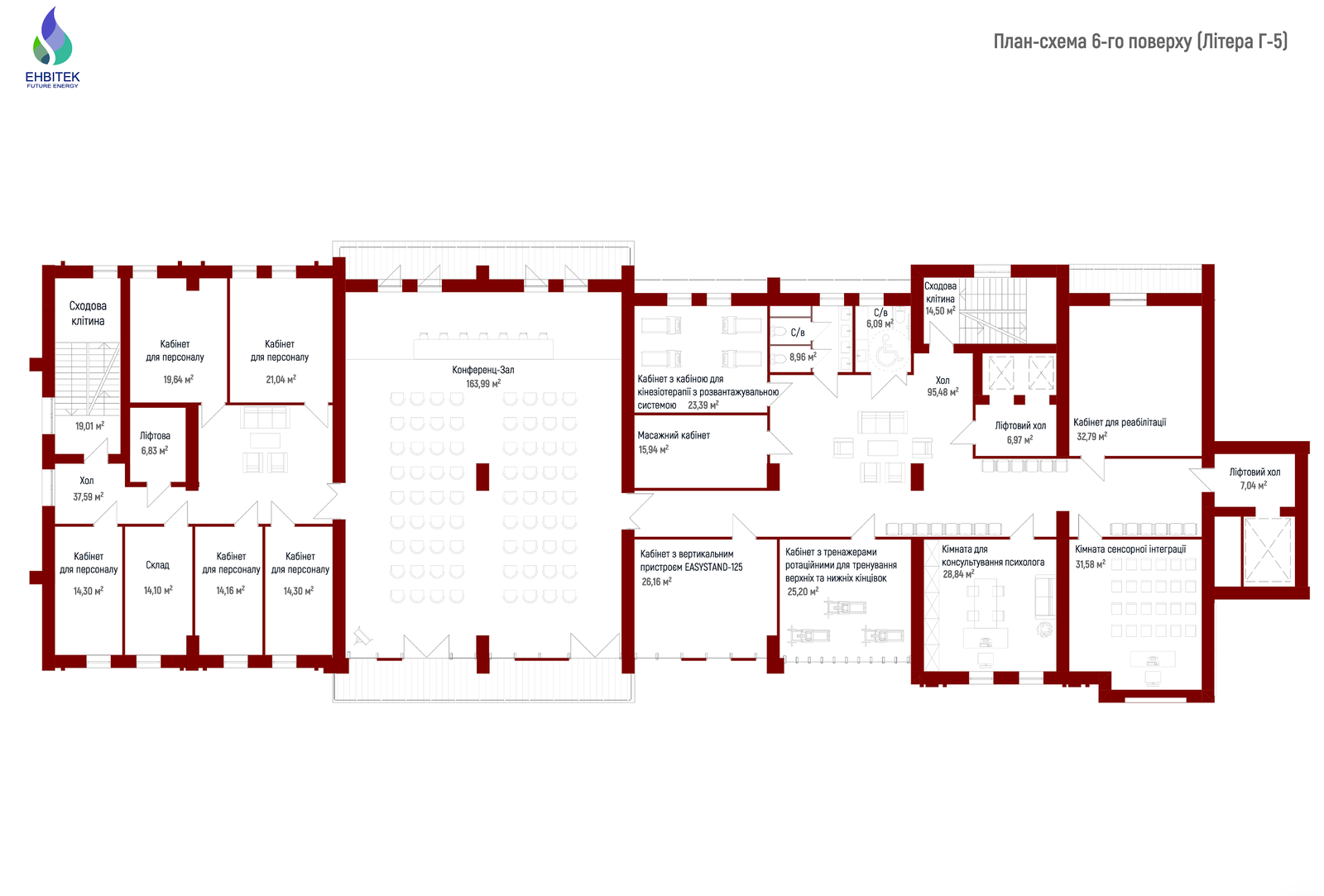
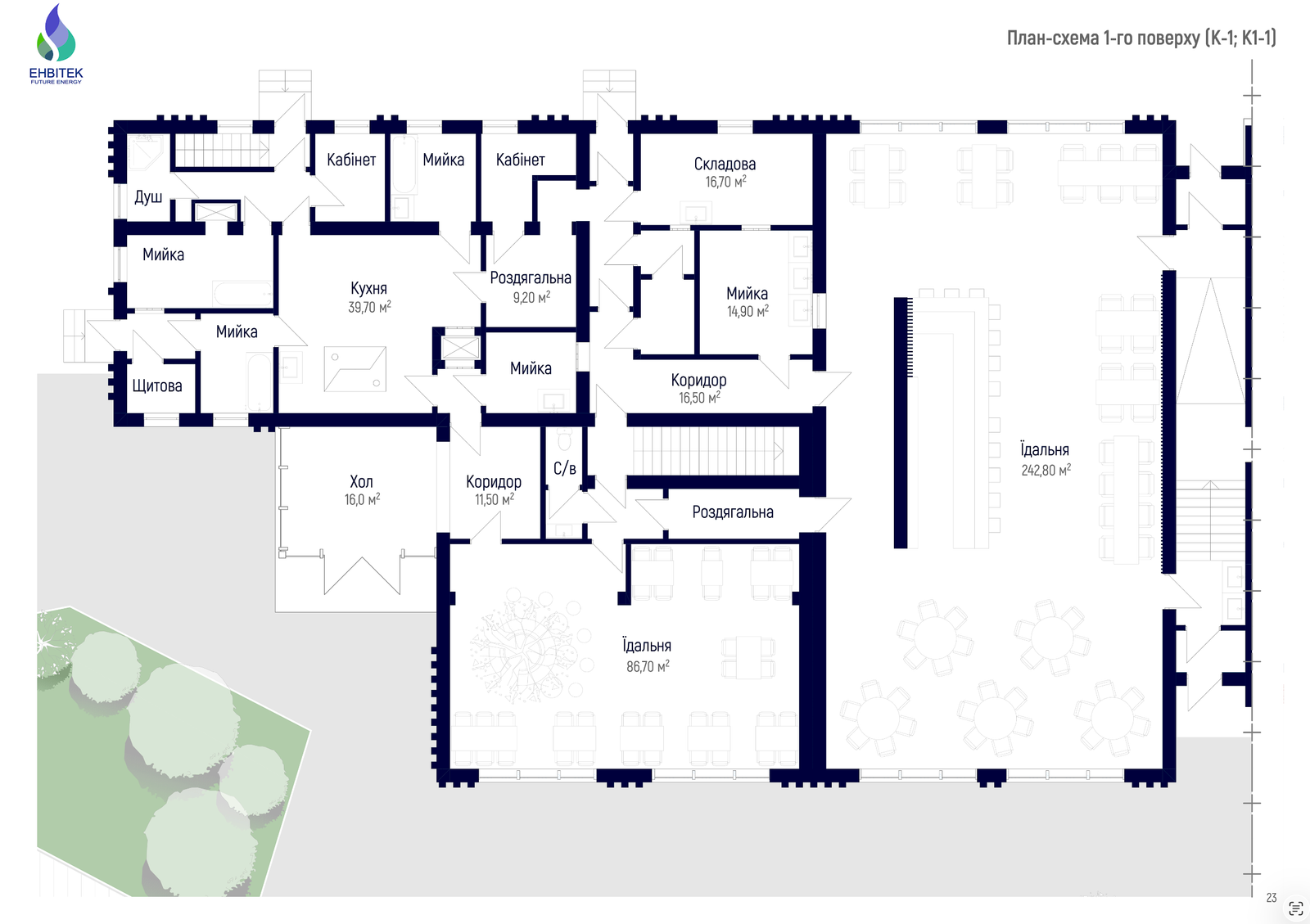
We plan to renovate a building of “Regional specialized dispensary for radiation protection of the population” with a total area of 3,500 sq. m, located in the immediate vicinity of the hospital complex, and transform it into a multifunctional Rehabilitation Centre. The inpatient ward will be expanded to 100 beds, which will allow us to treat up to 3,000 patients annually.
The purpose of creating a rehabilitation center is to provide conditions for high-quality recovery and/or maintenance of optimal physical and mental health of military personnel, veterans, survivors of captivity, torture, and occupation. As well as restoring the health of family members of the deceased, prisoners of war, missing persons, and other persons with injuries and recurrent disorders caused by the war.
Separate rooms will be designed for group and individual work with patients. This will allow for continuous professional development of doctors from the multidisciplinary rehabilitation team in Sumy, without the need to travel to other large cities of Ukraine or seek their professional realization abroad.
Today the non-profit enterprise of the Sumy Regional Council “Sumy Regional Specialized Dispensary for Radiation Protection of the Population” provides specialized inpatient, outpatient, rehabilitation, and psychological medical care to a wide range of patients.
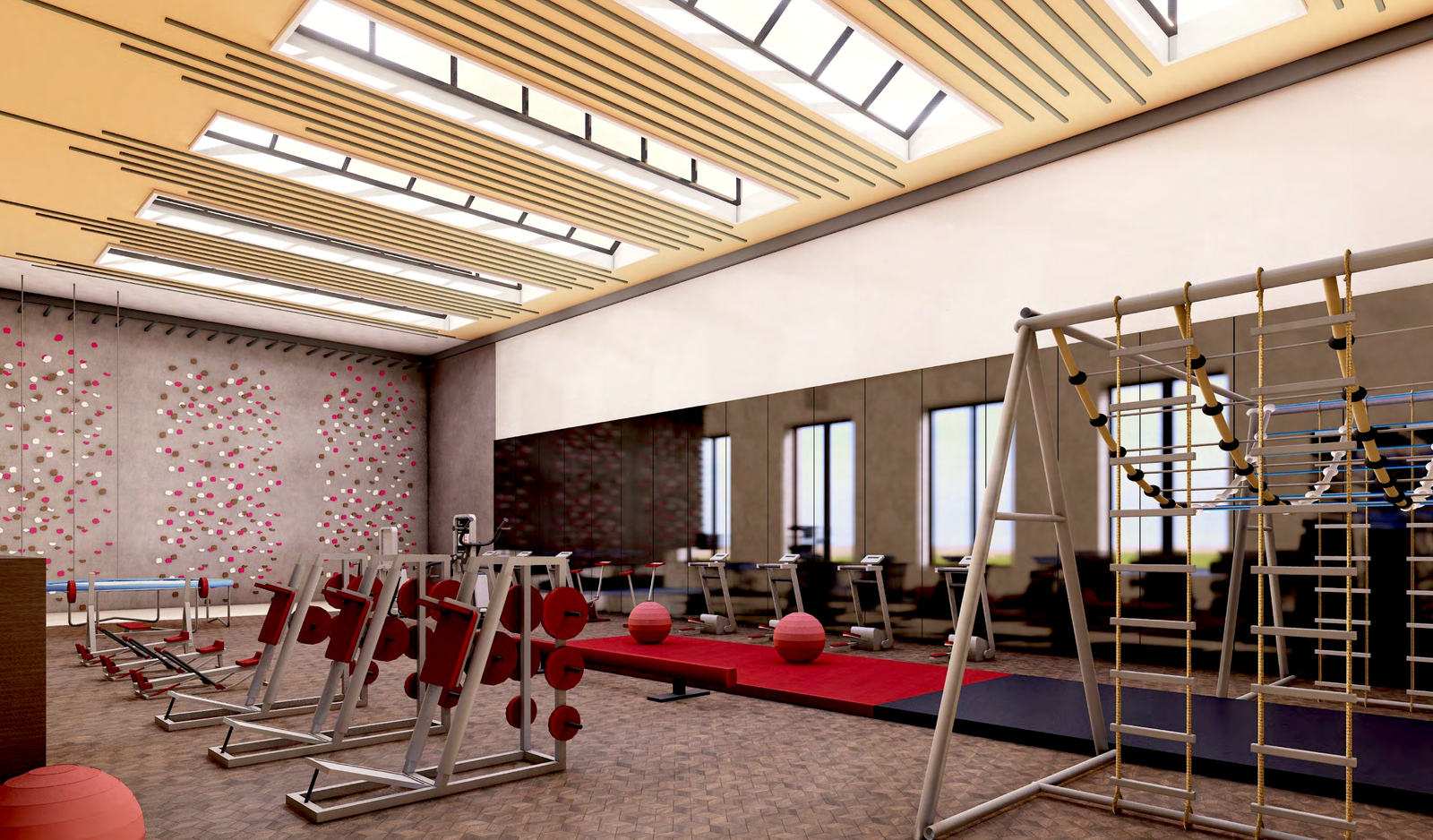
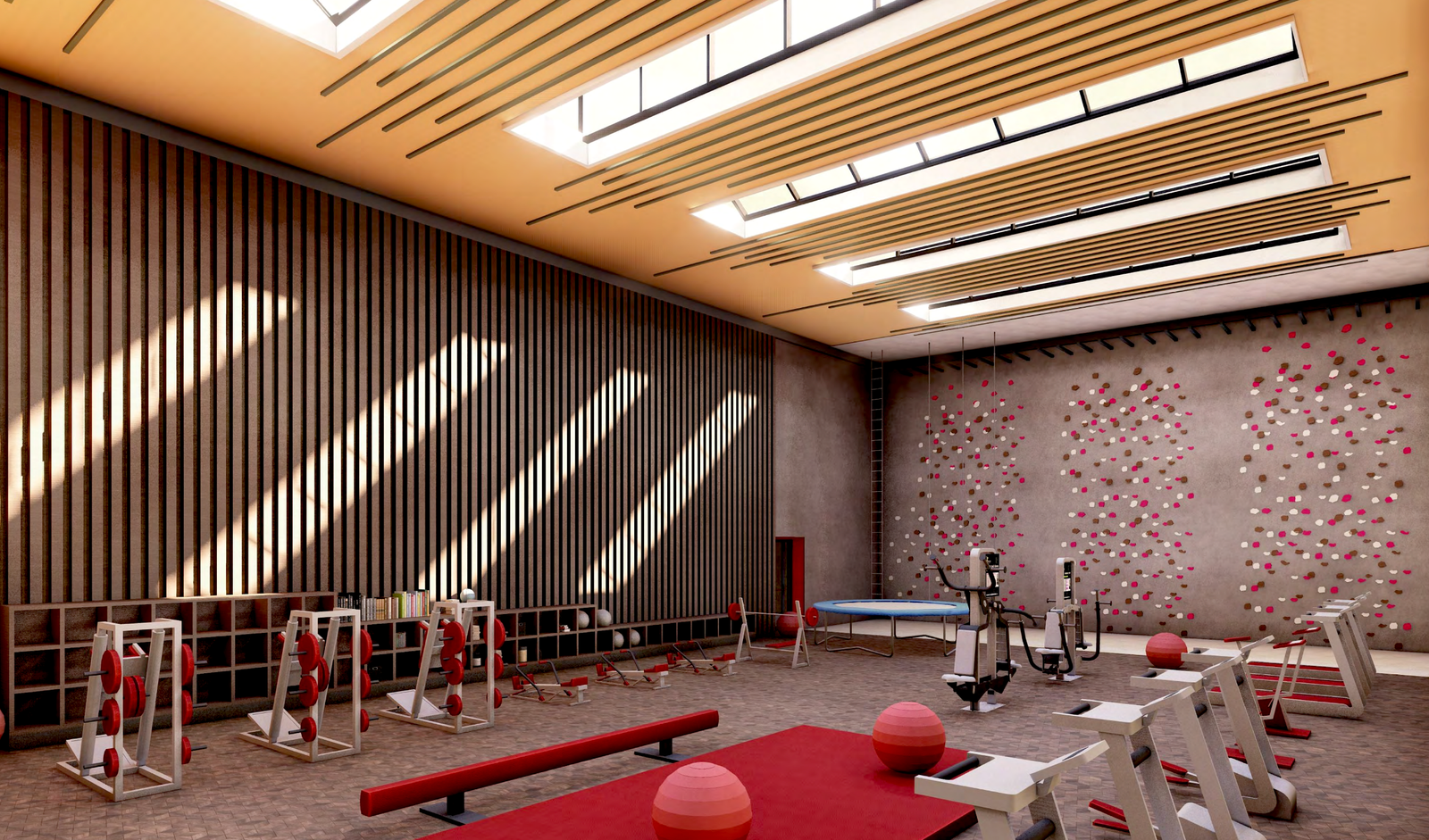
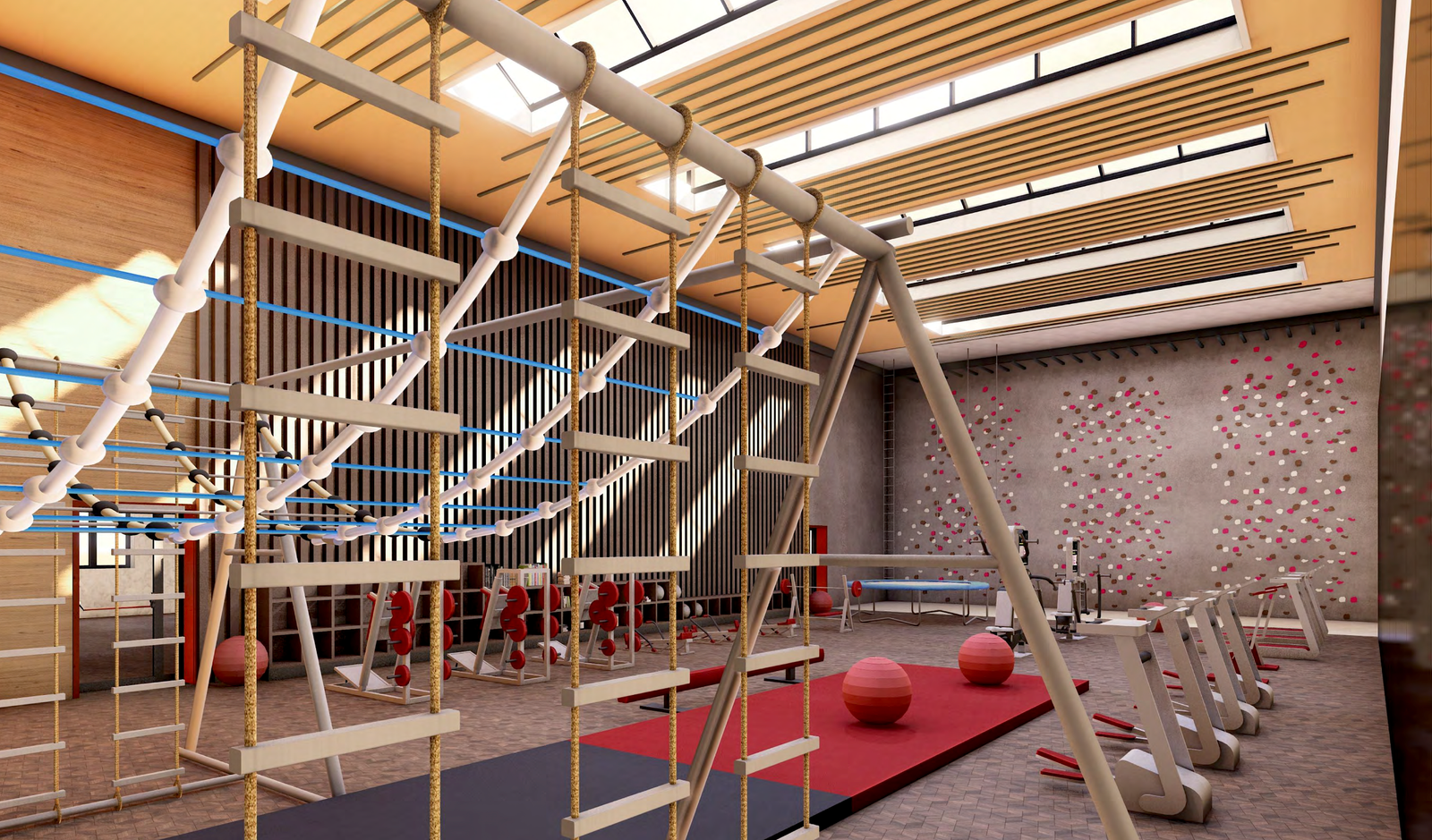
The structure of the dispensary includes:
Medical personnel with many years of experience in treating patients with multi-organ chronic pathology. Admission, consultations and medical support are provided by 21 doctors of the highest category.
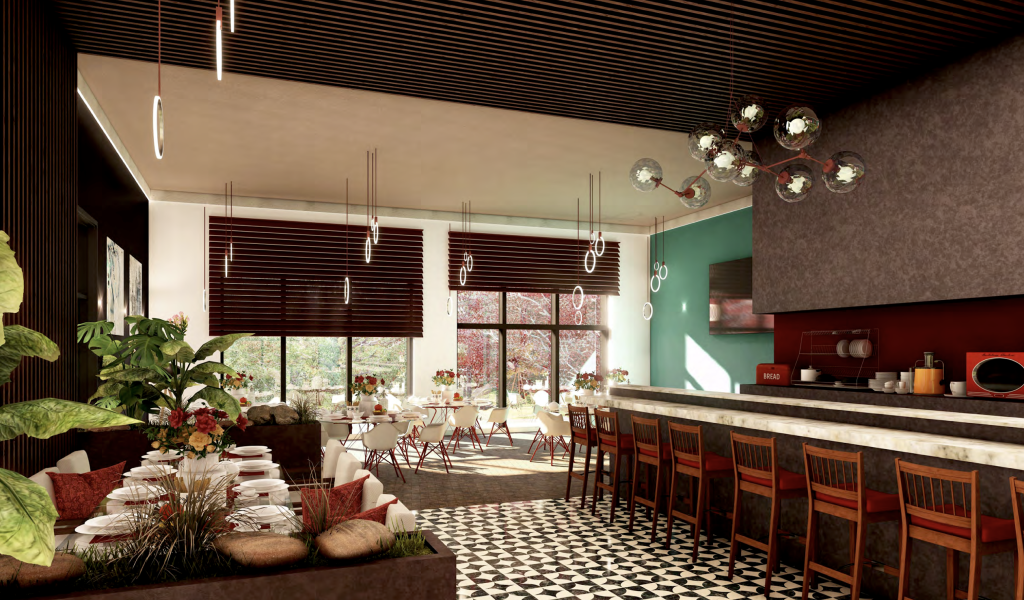
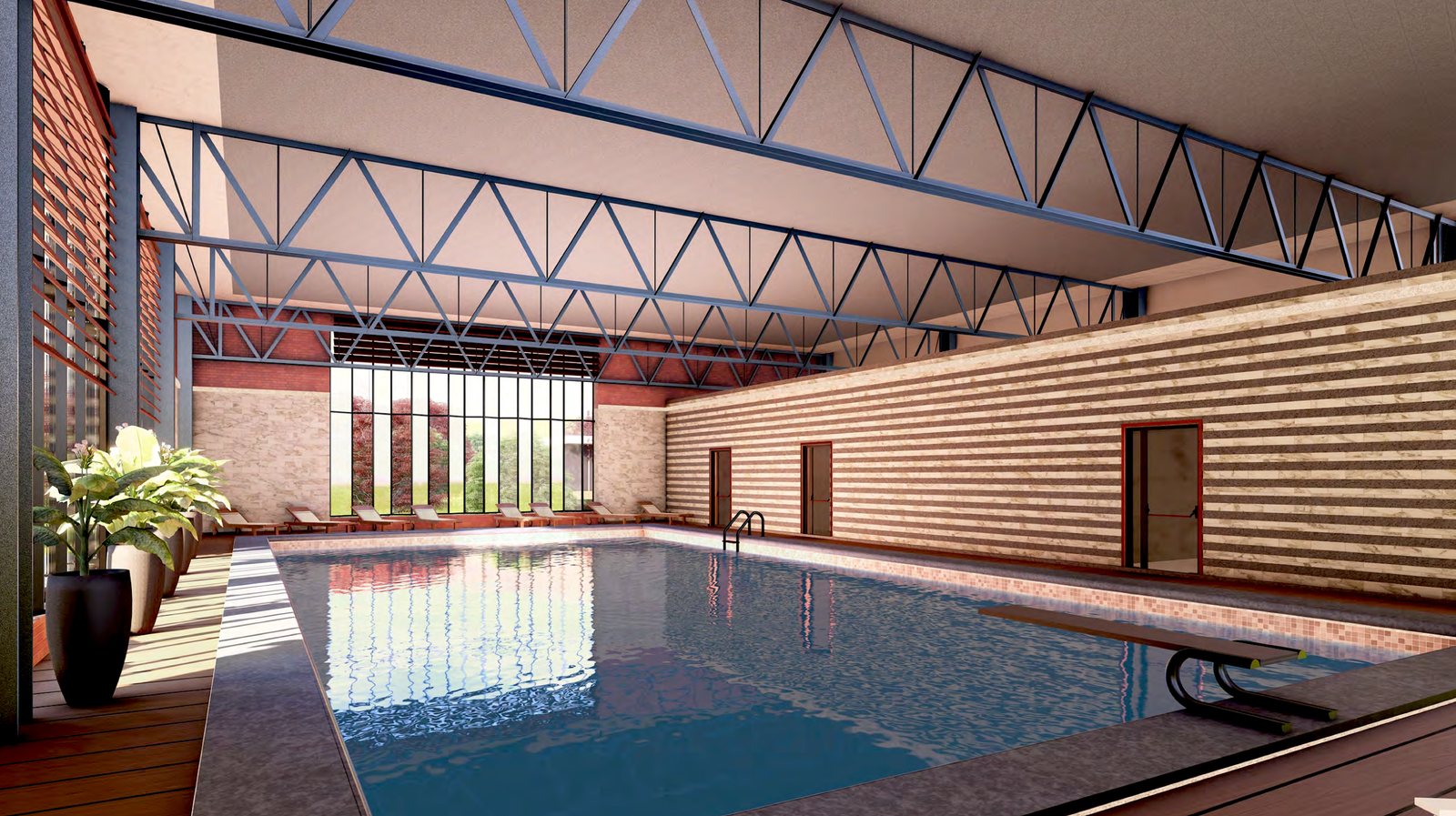
For the period 2023-2024, the enterprise employed graduates of higher educational institutions, including: endocrinologist (outpatient and polyclinic department), gastroenterologist (therapeutic department, outpatient and polyclinic department), obstetrician-gynecologist (outpatient and polyclinic department, surgical department), therapist (outpatient and polyclinic department), doctor of physical and rehabilitation medicine (rehabilitation department), doctor of physical and rehabilitation medicine (rehabilitation department).
The hospital generally has the conditions for high-quality rehabilitation and restorative treatment:
The medical building of the dispensary was built in the 80s of the last century according to the design of the sanatorium and has a block system of medical wards with separate toilet rooms, but today the complex needs major repairs.
The hospital is located in the historical part of the city of Sumy, on the territory of the Asmolov Park with an area of 5.3 hectares. This allows you to use the park for the design and location of a sports ground for practicing adaptive sports for veterans with disabilities, a path along the perimeter of the park for walking in wheelchairs, separate areas for organizing meetings with loved ones, etc.
For 2025, contracts have been concluded with the National Health Service of Ukraine for 9 packages:
Currently, the country’s doctors are faced with a new problem in the rehabilitation of military personnel – the treatment of the consequences of prolonged use of armored protection by military personnel, which critically affects their respiratory and musculoskeletal systems, causing impaired respiratory and cognitive functions.
Studies using plethysmography and spirometry demonstrate that even without load, a bulletproof vest reduces functional residual lung capacity by 17%. Disturbances in the functioning of the musculoskeletal system are also critical.
Heavy armor sets and other loads (up to 60 kg) cause intervertebral hernias, lumbosciatica and chronic lower back and neck pain. Test results have shown a significant deterioration in shoulder mobility and musculoskeletal control. Constant stay in ground shelters very quickly worsens a person’s physical balance, limits trunk movements, and contributes to chronic back pain. The body often experiences physiological stress due to general overheating, increased heartbeat, and increased energy expenditure even under low loads.
Such injuries are present in almost everyone who is actively involved in combat operations, and their treatment will require years of medical rehabilitation and constant support from specialists.
The scale of the needs assessment and deployment of such infrastructure should have been thought about yesterday.
The need for rehabilitation treatment of such disorders in the Sumy region alone will grow rapidly and may amount to 90% of all combatants returning from the war in 2026-2030, which could be up to 50,000 people or even more.
Hydrotherapy as a method of evidence-based rehabilitation
Hydrotherapy as a method of evidence-based rehabilitation will be used for the rehabilitation of patients with injuries of the human musculoskeletal system. This is the use of the physical properties of water (temperature, pressure, buoyancy, resistance) for therapeutic and rehabilitation purposes. It is carried out in the form of therapeutic swimming, aqua therapy (exercises in water), hydromassage, contrast baths, showers (Charcot, circular, etc.).
Water treatment methods that will be used at the Rehabilitation Center:
Aqua kinesiotherapy (aqua therapy/water exercises)
These are physical exercises performed in an aquatic environment for the purpose of treatment, rehabilitation and prevention. Usually the water temperature is 30–33°C. Training may include: walking in water, stretching exercises, strength, balance, special techniques (Halliwick, Ai Chi, Bad Ragaz).
Balneotherapy (baths)
This is bathing in natural or artificially enriched waters (30–38 °C).
Contrast baths / showers (Charcot, circular, Scottish shower)
Alternating application of hot (38–42°C) and cold (15–20°C) water or pressurized water jets. Duration — 5–15 min, alternating phases.
Hydromassage (jet bath, shower massage)
Mechanical effect of water jets (under pressure) on the skin and muscles. Used as part of complex physiotherapy or SPA programs.
Wound hydrotherapy (water cleansing)
The essence of the method: cleansing the wound surface with sterile or antimicrobial water (for example, a pulsating jet, or baths).
Hydrotherapy is a scientifically based, effective and safe method of physical rehabilitation for many nosologies, provided that the program is correctly selected and contraindications are taken into account. When conducting medical rehabilitation of diseases such as stroke, diseases of the musculoskeletal system, postoperative patients, the use of these methods has proven positive results.
Support for border regions, such as Sumy, is a guarantee that people will not lose faith, will not leave their homes, and the “gray zone” will not expand to neighboring Ukrainian territories.
Support for Sumy should be not only in the humanitarian sphere, but also in the strategic one. Resilience should have an infrastructural dimension – through the development of medical and non-medical rehabilitation, rapid housing restoration, construction of modern highways into rear regions, ensuring mobility and digital solutions in the field of social services, et cetera.