Адреса:
7, Стецьківська вул., місто Суми, Сумська область, 40491, Україна
Адреса:
7, Стецьківська вул., місто Суми, Сумська область, 40491, Україна
Ideas shaping Ukraine’s future
Ideas shaping Ukraine’s future
Sumy State University is a leading research university in Ukraine that systematically integrates digital technologies into the social and healthcare sphere. The project is implemented by an interdisciplinary scientific and technical team from two structural units of the university: the Virtual and Augmented Reality Laboratory Ulab (ulab.sumdu.edu.ua) (software development, 3D modeling of spaces and avatars, server-side synchronization) and the scientific-expert group of the Department of Psychology at Sumy State University (development of recommendations, expert supervision, certification training of psychologists, and analysis of intervention effectiveness).
As a border region, Sumy oblast is subject to constant psychotraumatic impact from artillery and missile strikes and the threat of combat operations. The region has more than 85,000 officially registered internally displaced persons (IDPs), and there is a rapid increase in the number of demobilized service members with post-traumatic stress disorder (PTSD), combat-related stress, and the after-effects of concussions. More than 40% of municipalities’ residents show clinical symptoms of chronic anxiety and depressive disorders.
Analysis of target groups (end beneficiaries for 2027):
The project addresses a key paradox of traditional psychotherapy in wartime: people with the deepest trauma (veterans, victims of violence, adolescents) most avoid direct “face-to-face” contact out of fear of judgment and shame, while border communities physically lack crisis specialists.
The immersive platform does not replace a psychotherapist but is used as an additional tool, remotely guided by a specialist, to facilitate initial contact, psychophysiological stabilization, and targeted work on specific psychological needs under wartime conditions.
The VR environment is applied primarily at the initial stages of intervention, which is critical for establishing initial trust, reducing defensive resistance, and overcoming the barrier of the first appeal for help.
Functional purpose of the platform:
The essence of the asymmetric tele-psychology model:
Potential framework of partnerships
Sumy State University has already created a functional prototype of the platform, avatar-generation modules, WebRTC channels, and a server core. The Department of Psychology has established methodological foundations for psychological correction.
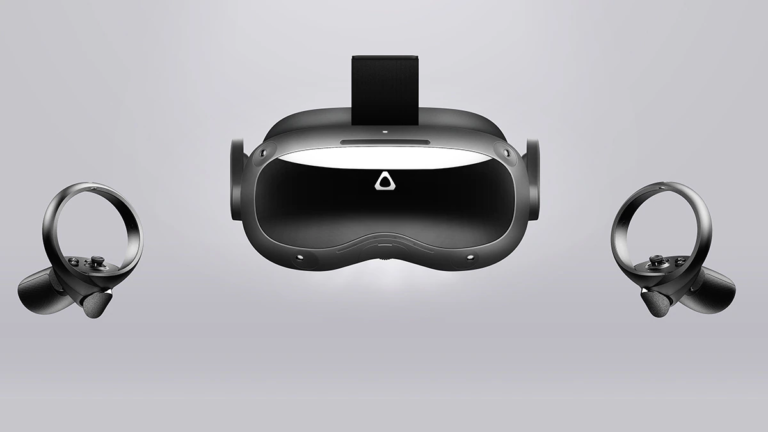
The donor’s role: funding the purchase of 10 headsets, a year of software R&D improvement, scientific supervision by the department, and motivational payments to 10 psychologists at the centers — turning the research and development effort into a sustainable regional service network.
The project envisions a 12-month schedule of work in 2027, in which technical preparation is integrated with clinical practice:
| Operational Indicator | Phase 1 (R&D) | Phase 2 (Pilot) | Total for 2027 |
| Number of operating VR kits | 2 Dev-kits | 5 hubs + 3 hot-swap | 10 headsets in the fleet |
| Certified psychologist-operators | 10 people (training) | 10 active specialists | 10 trained specialists |
| Number of immersive sessions conducted | 0 (development) | 1,000+ sessions | 1,000+ sessions |
| Unique patients (veterans, IDPs, children, adults) | 0 | 300 – 500 people | 300 – 500 people |