Адреса:
7, Стецьківська вул., місто Суми, Сумська область, 40491, Україна
Адреса:
7, Стецьківська вул., місто Суми, Сумська область, 40491, Україна
Ideas shaping Ukraine’s future
Ideas shaping Ukraine’s future
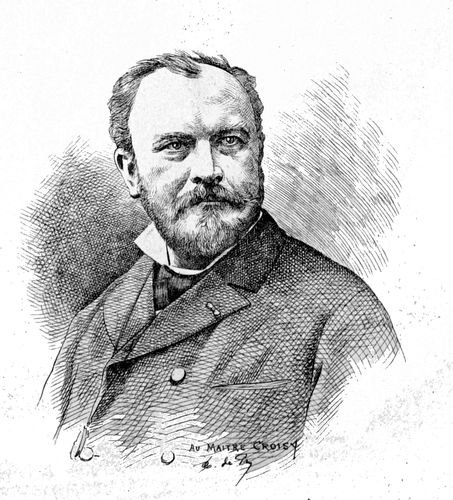
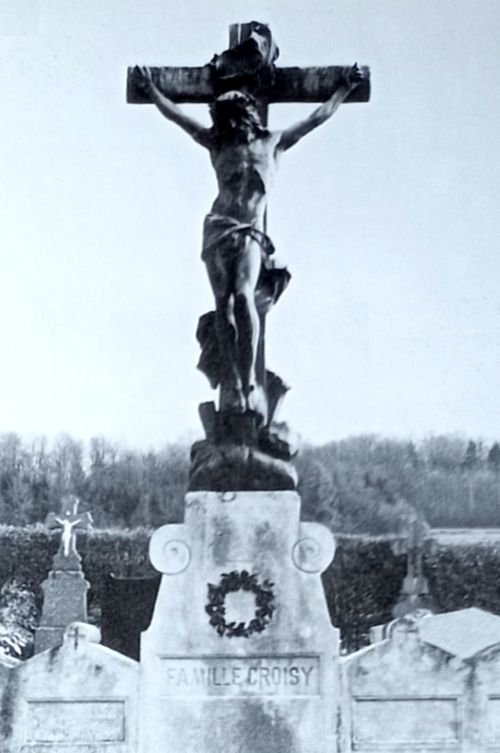
The Croisy (Aristide Croisy) statues in Sumy, Ukraine, are the late-19th-century white Italian marble funerary sculptures at the Kharytonenko family burial site in Petropavlivske (Central) Cemetery, near the Saints Peter and Paul Church.
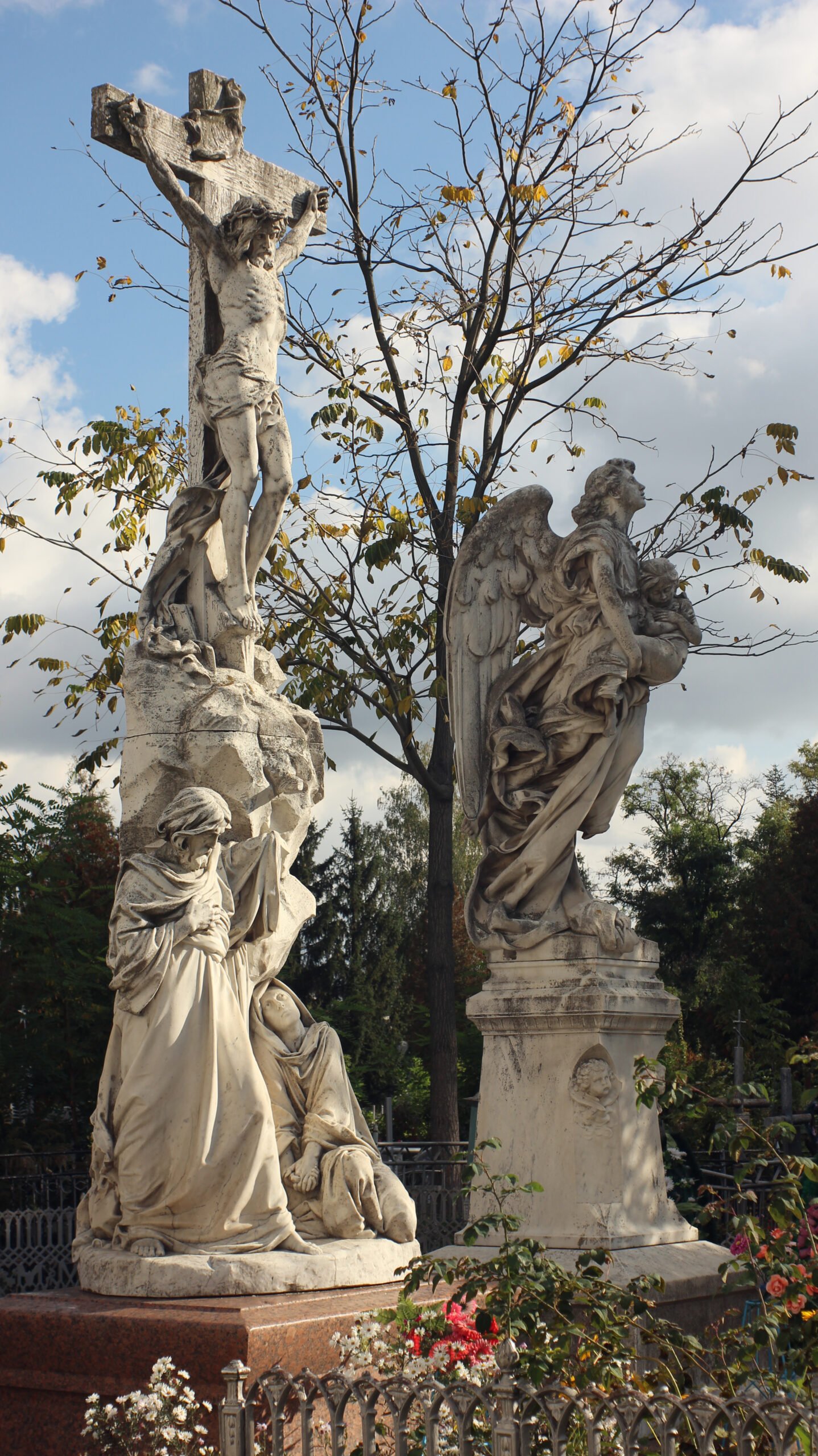
They consist primarily of:
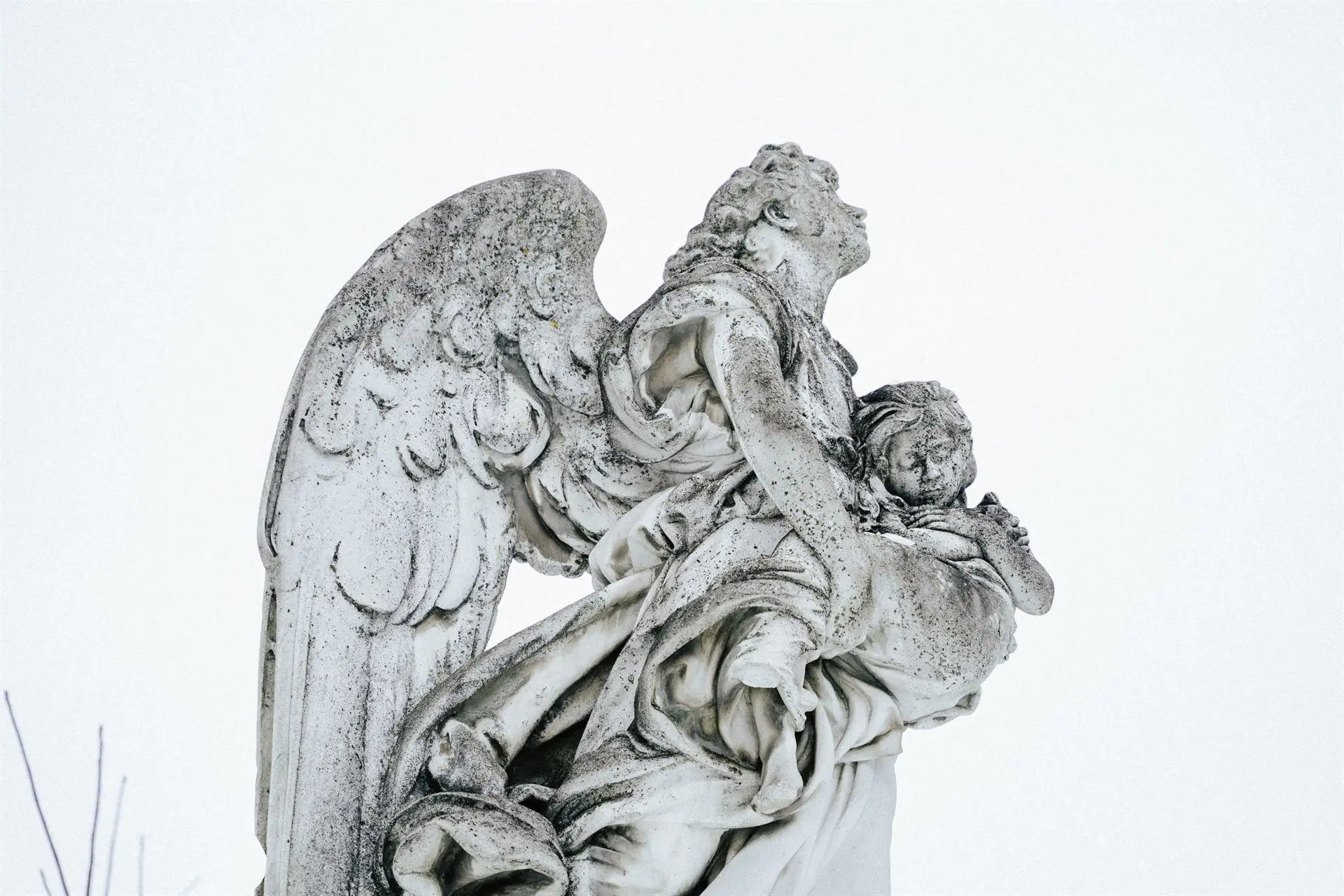
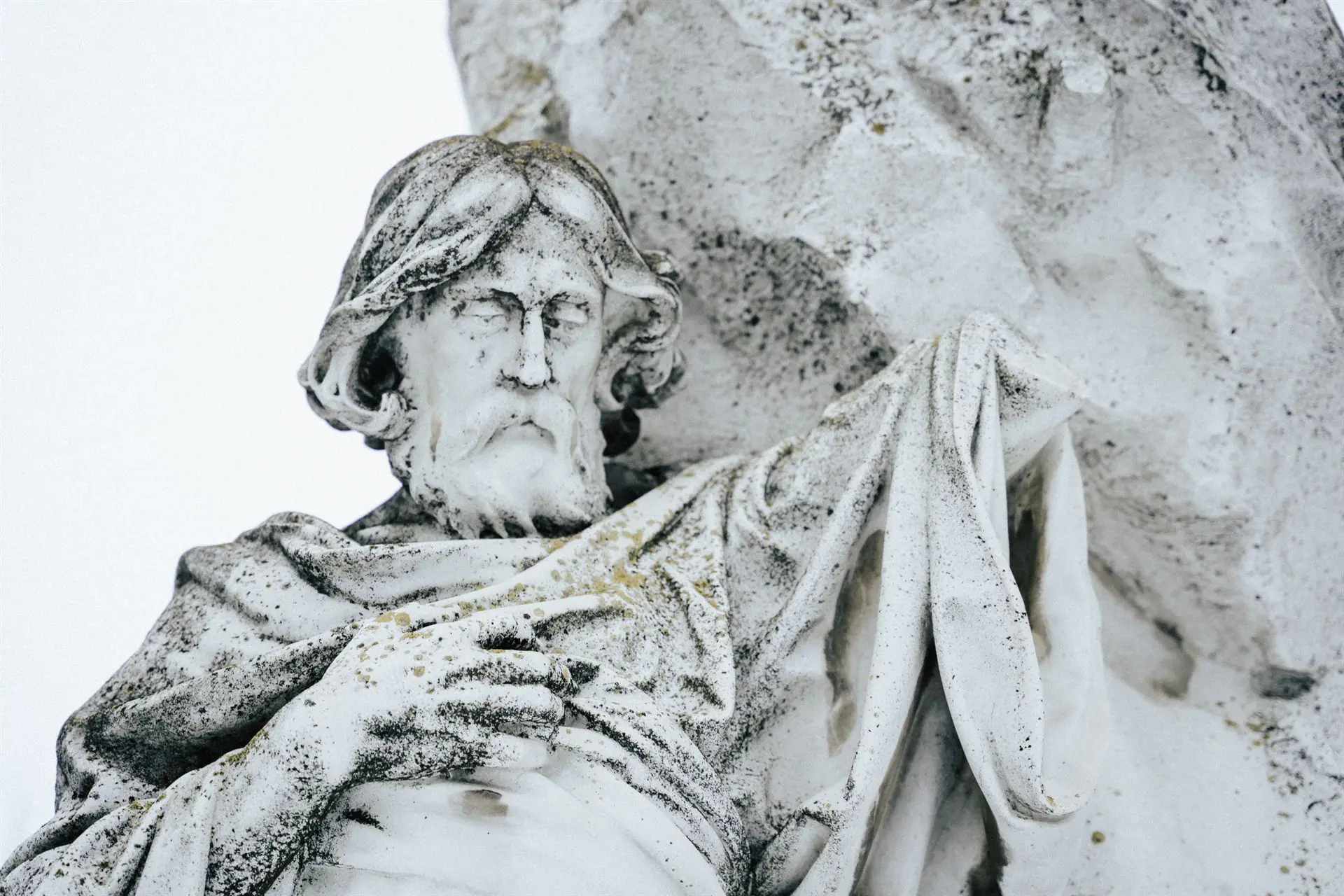
Both are national cultural heritage monuments of Ukraine (listed in the State Register). They are among the finest surviving works by the French sculptor Aristide Onésime Croisy (1840–1899) outside France.
Current condition
The statues have deteriorated from long outdoor exposure (sun, rain, vegetation growth, cracks). On “Golgotha,” the figure of the Apostle John has lost a marble arm. They remain at risk from the ongoing war (Sumy is near the Russian border and subject to shelling). Temporary protective measures have included wrapping in reinforced fabric/agro-fiber and surrounding with sandbags. Full physical restoration has been discussed and partially planned for years (including offers of materials and expertise from Italian specialists around 2020–2021 and municipal/Ministry of Culture obligations), but comprehensive work has not been completed.
These monuments are on the balance sheet of the Department of Infrastructure of the Sumy City Council, explains Yuriy Gladenko, head of the Department of Culture, Tourism and Religions of the Sumy City Administrative Organization. The condition of the sculptures is currently unsatisfactory, this was recorded in special acts in 2021 and 2023.
This sculpture depicts an angel taking a girl with her arms crossed to heaven. The sculpture is 2.5 meters high, and its pedestal is 2.3. It was installed in Sumy in 1891, during the lifetime of Zinaida’s grandfather, Ivan Kharytonenko.
In November 1891, Ivan Gerasymovich died, so the family began to think about the pedestal. His first sketch, which depicts a group composition of Ivan Gerasymovich Kharitonenko with children, is preserved in Le musée de l’Ardenne in France.
At first, they chose this idea to emphasize Ivan Kharitonenko’s philanthropic activities. After all, at one time he took good care of the establishment of educational institutions. But when his grandson Hlib died, and this was not earlier than 1897, the family abandoned the first sketch. Instead, they chose the current version of the sculpture “Golgotha.
It was installed on the family grave between 1897 and 1899. The height of the sculpture is 3.5 meters, and its pedestal is 2.5.
How reconstruction could be approached
Reconstruction (or more precisely, conservation + restoration, with the option of full reconstruction if severely damaged or destroyed) follows standard professional cultural-heritage practice for outdoor marble sculpture, adapted to wartime conditions in Ukraine.
Key steps, based on documented local efforts and general best practices for such monuments, are:
Physical work requires specialized marble conservators, funding, and secure conditions. Digital models already provide a robust backup and practical foundation for any reconstruction. Local initiatives continue to prioritize these sculptures as important cultural assets linked to Sumy’s history of philanthropy and European artistic connections.
Aristide Onésime Croisy (1840–1899) was a regular exhibitor at the Paris Salon (Salon des Artistes Français) from his debut in 1867 until near the end of his career in the late 1890s. He typically showed one or more works each year—plaster models, finished marble or bronze sculptures, busts, and groups—spanning mythological/allegorical subjects, intimate genre scenes (especially children), portraits, and patriotic or military themes linked to the Franco-Prussian War of 1870–71. Many Salon entries served as models or finished versions for public monuments, state acquisitions, or private commissions. He received official recognition through medals and the Legion of Honour (1885).