Адреса:
7, Стецьківська вул., місто Суми, Сумська область, 40491, Україна
Адреса:
7, Стецьківська вул., місто Суми, Сумська область, 40491, Україна
Ideas shaping Ukraine’s future
Ideas shaping Ukraine’s future
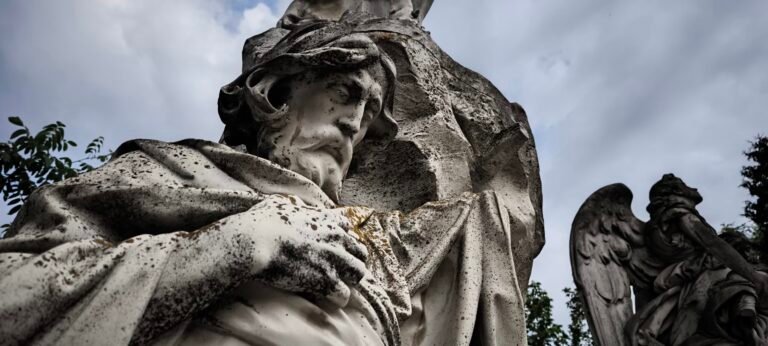
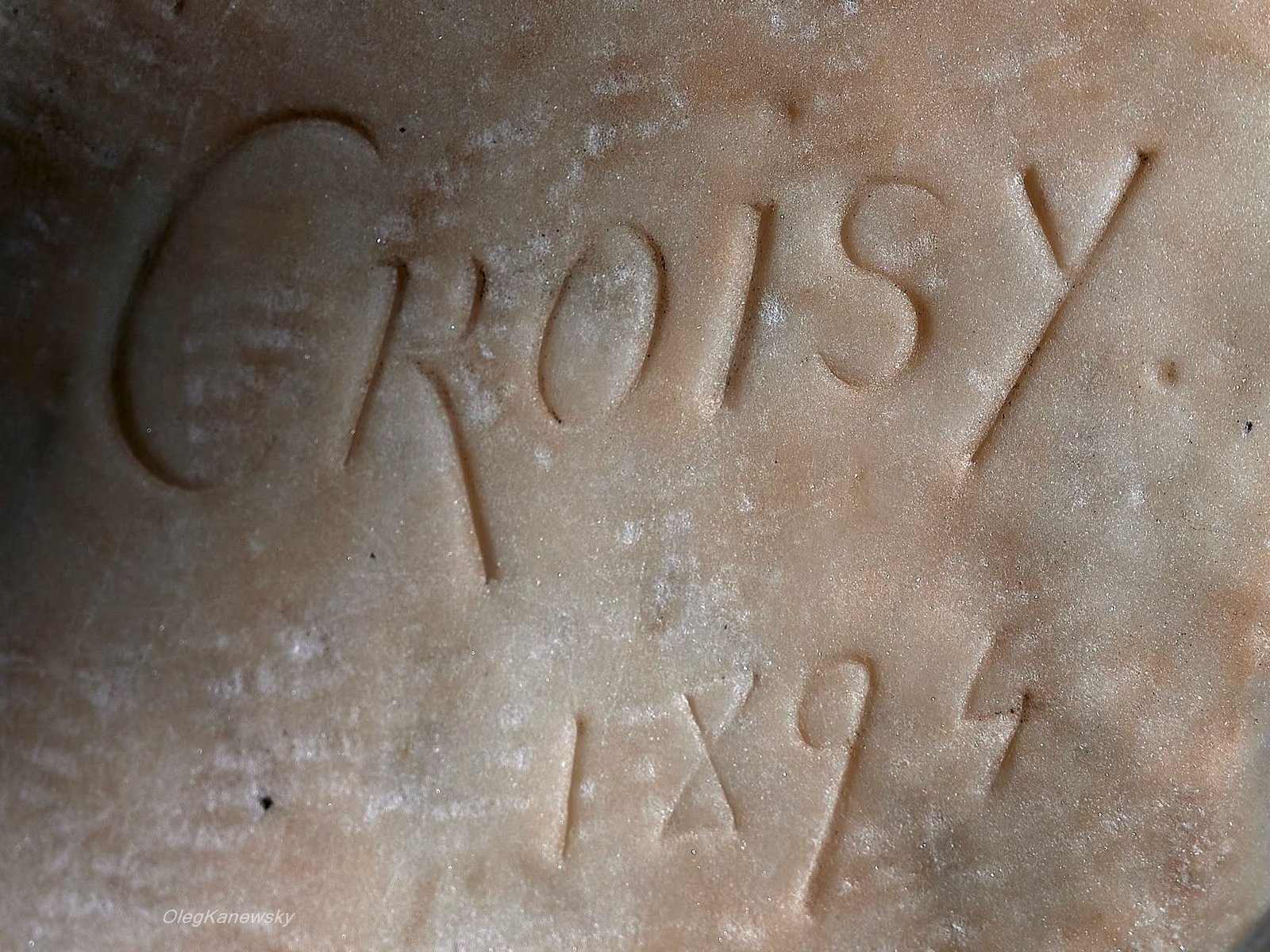
Aristide Onésime Croisy (1840–1899) grew up in a family skilled in working with stone: his father was a master mason, and his grandfather a stonemason. Yet the young Croisy was more fascinated by the possibility of giving stone a human likeness. As a teenager, he created a small statuette of his grandmother reading a prayer book, and at sixteen he left for Paris to study sculpture. His works would later adorn the Louvre and Paris City Hall, and he would be entrusted with restoring the sculptures of the Royal Chapel at Versailles.
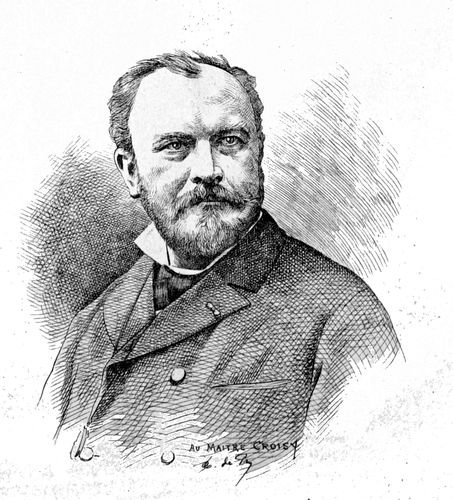
Two very different worlds coexisted in Croisy’s art: dramatic military monuments and tender scenes of childhood. He could capture both the tension of battle and the stillness of a sleeping child—his own daughters, Jeanne and Marguerite, posed for his celebrated composition The Nest. From 1867 onwards, he exhibited regularly at the Paris Salon, bringing his work before potential patrons and the wider public. His depictions of children became a particularly moving part of his artistic legacy and connected his name with the Ukrainian city of Sumy.
The Kharitonenko family’s collaboration with Croisy began after a personal tragedy: in May 1889, Pavel and Vera Kharitonenko, members of a wealthy family of sugar manufacturers and philanthropists from Sumy, lost their eight-year-old daughter, Zinaida, and commissioned the French sculptor to create a monument for her grave.
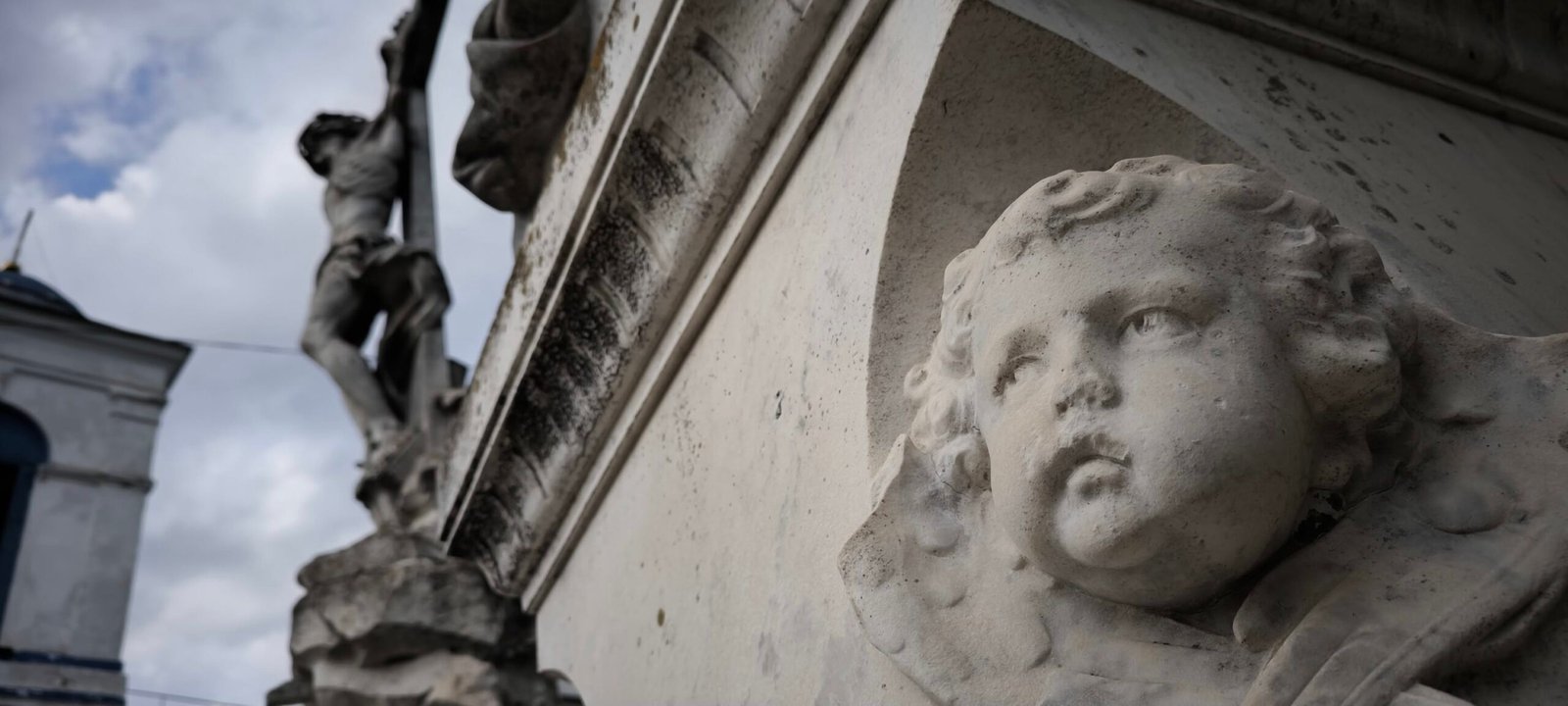
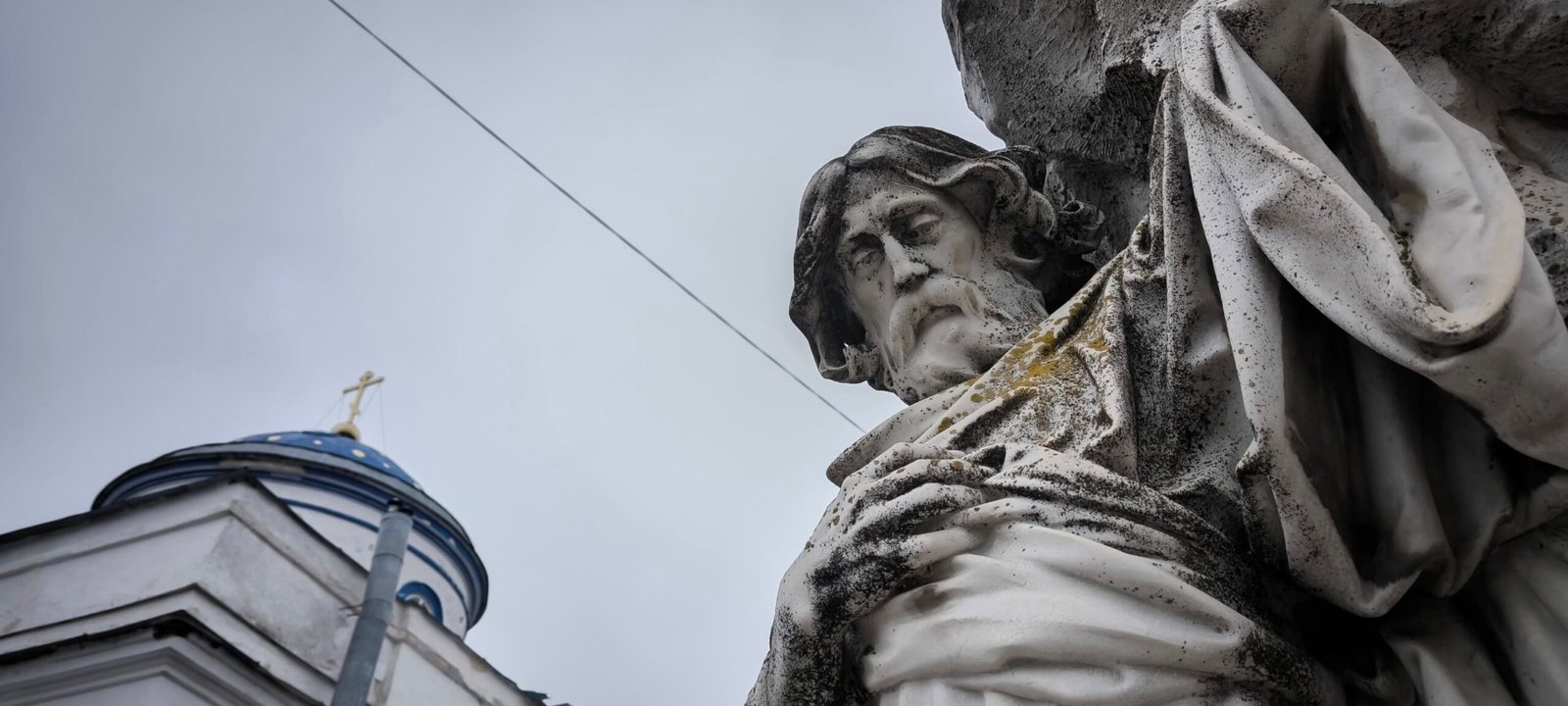
The result was Two Angels, a marble composition depicting an angel cradling a little girl who seems lost in peaceful sleep. According to the family’s descendants, Croisy modelled her face from a photograph they had sent him. A surviving plaster study, dated August 1889, provided researchers with strong evidence that the work was a personal commission. In 1891, the sculpture was exhibited at the Paris Salon before being installed on the girl’s grave in Sumy.
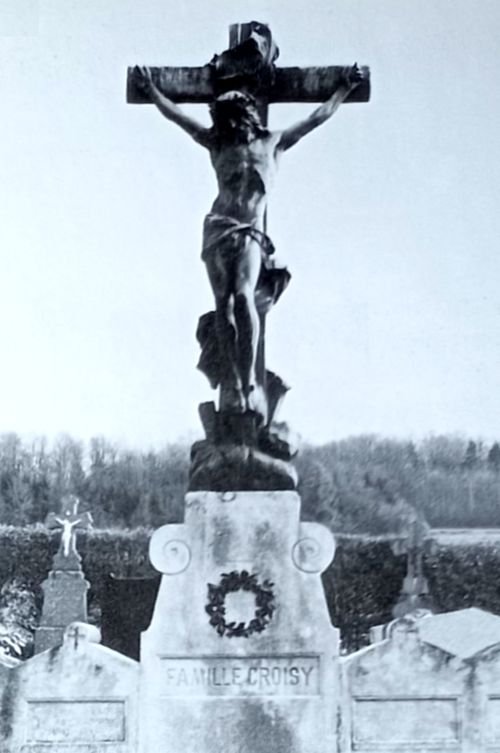
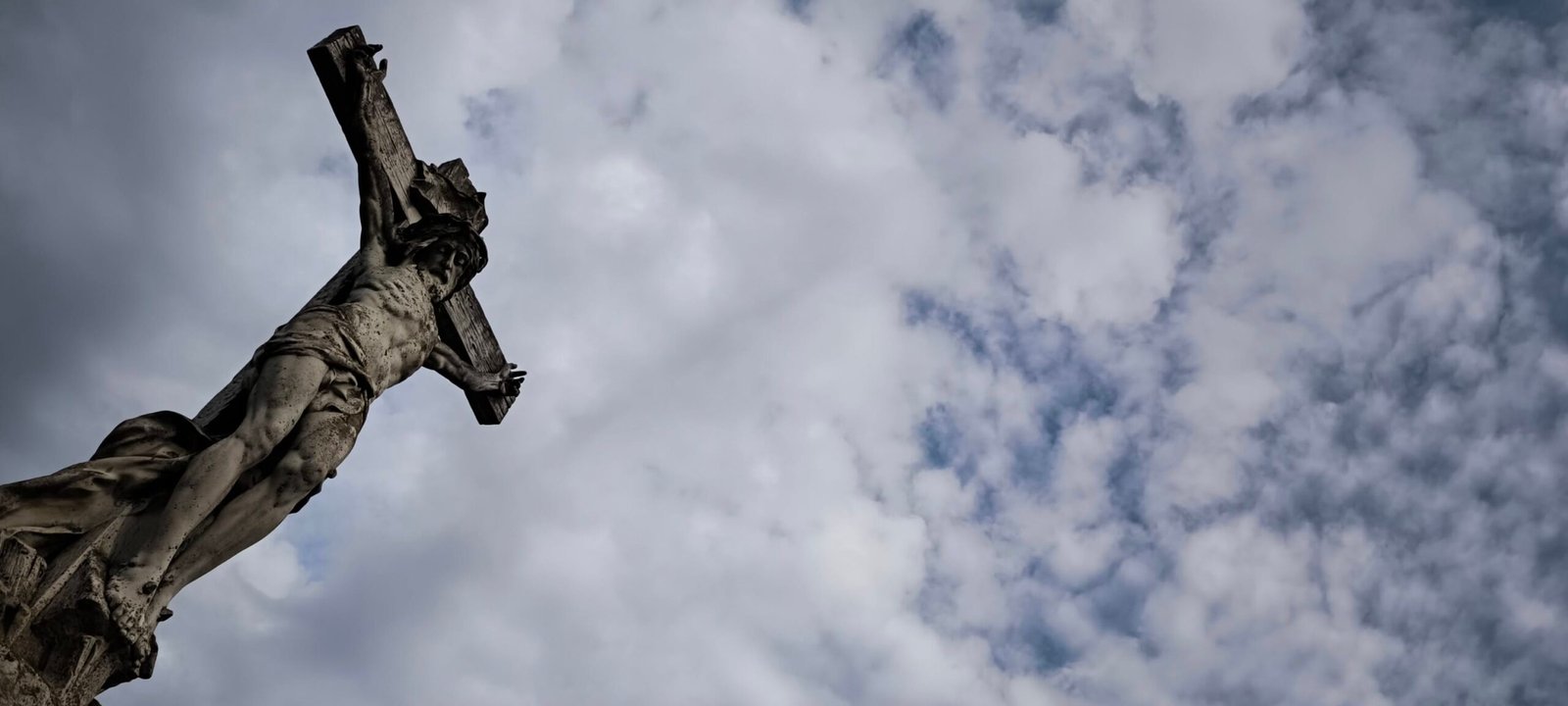
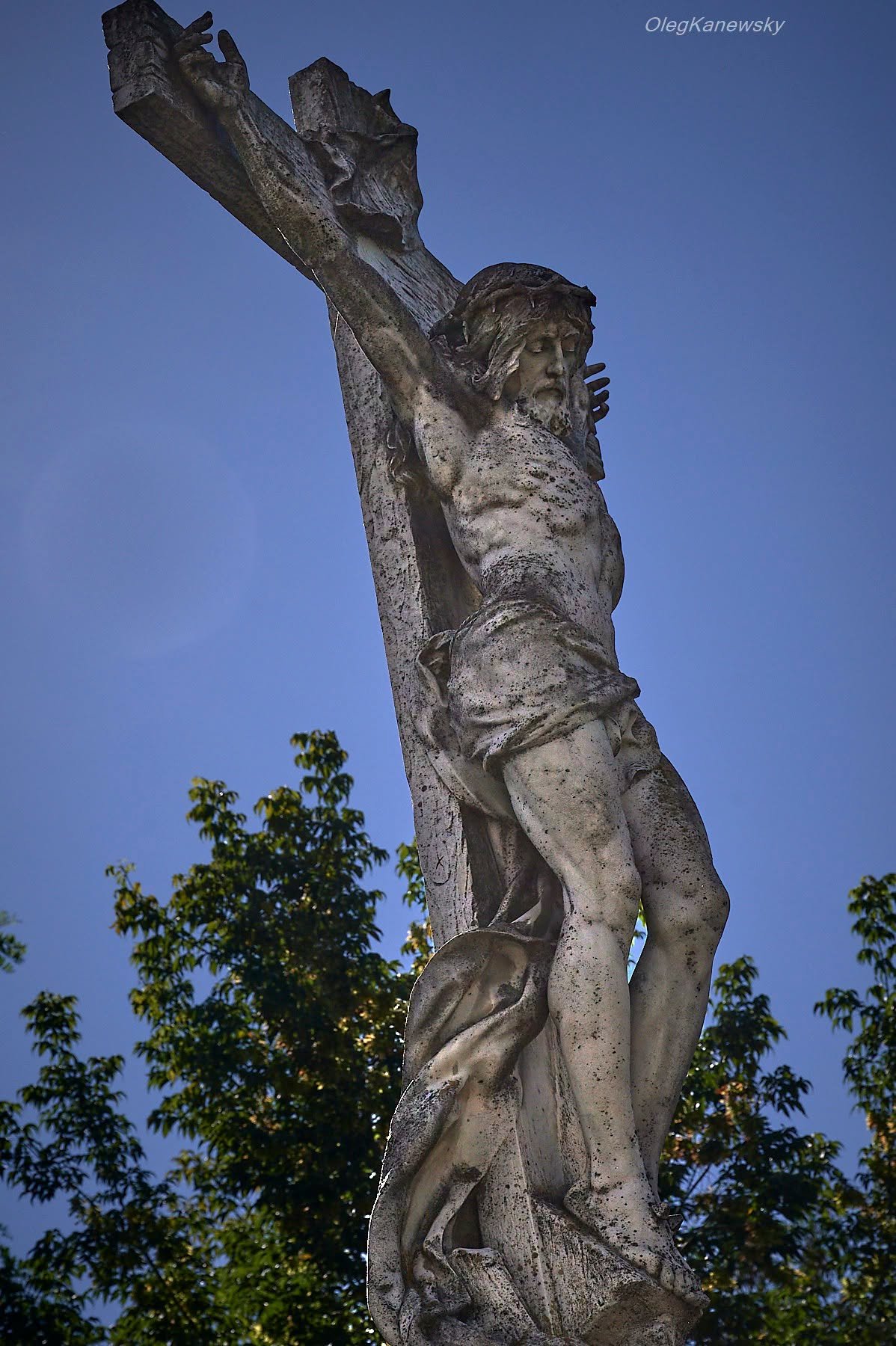
Pavel Kharitonenko later approached Croisy again, this time to commission a monument for the grave of his father, Ivan. The sculptor created Calvary, a monumental marble composition exhibited at the Paris Salon in 1894. Alongside the quiet tenderness of Two Angels, it conveyed the profound sorrow of the biblical scene. Both works found their place in the Kharitonenko family burial plot at the Peter and Paul Cemetery in Sumy, bringing French art into the intimate history of a Ukrainian family.
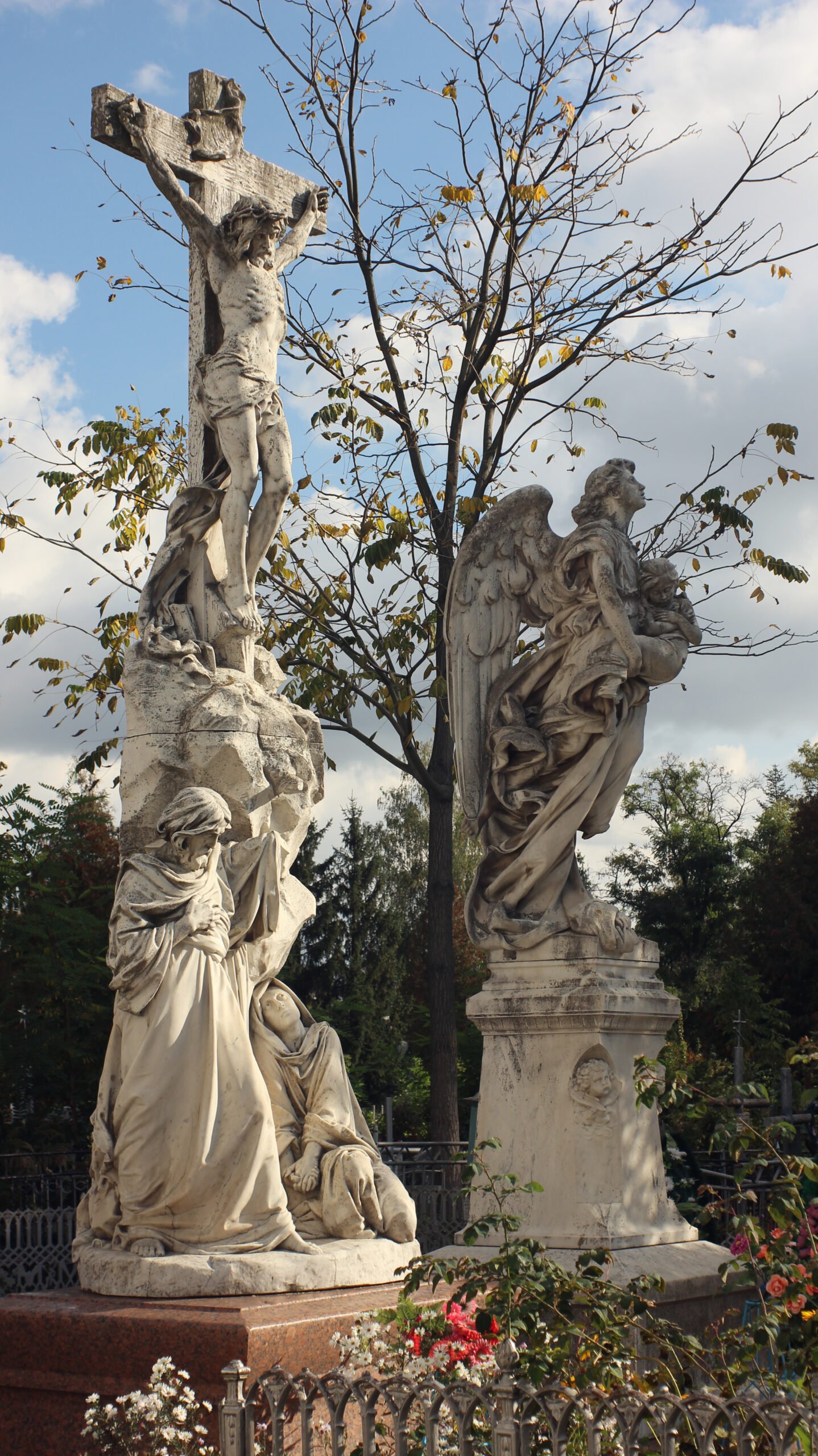
Current condition
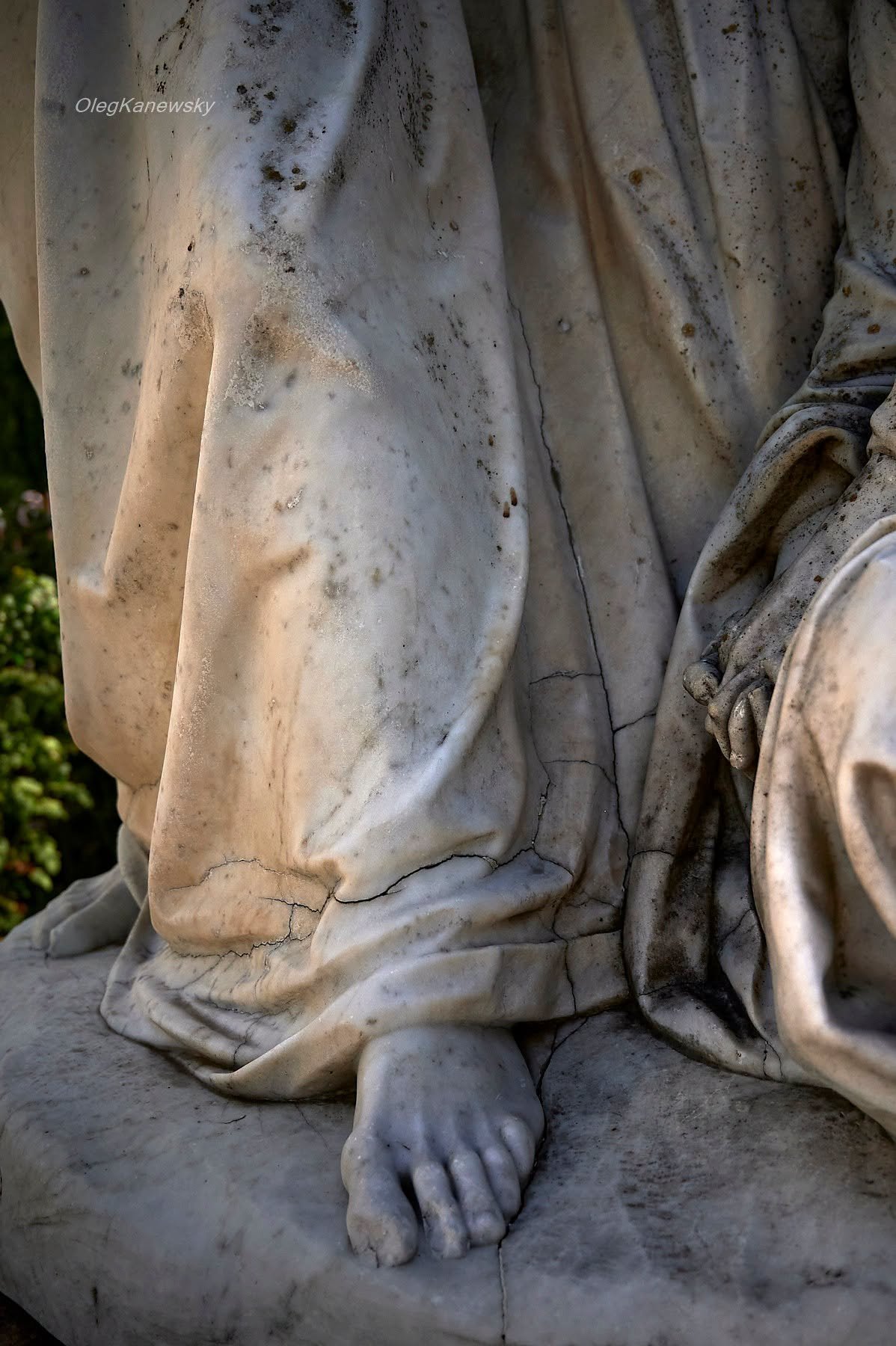
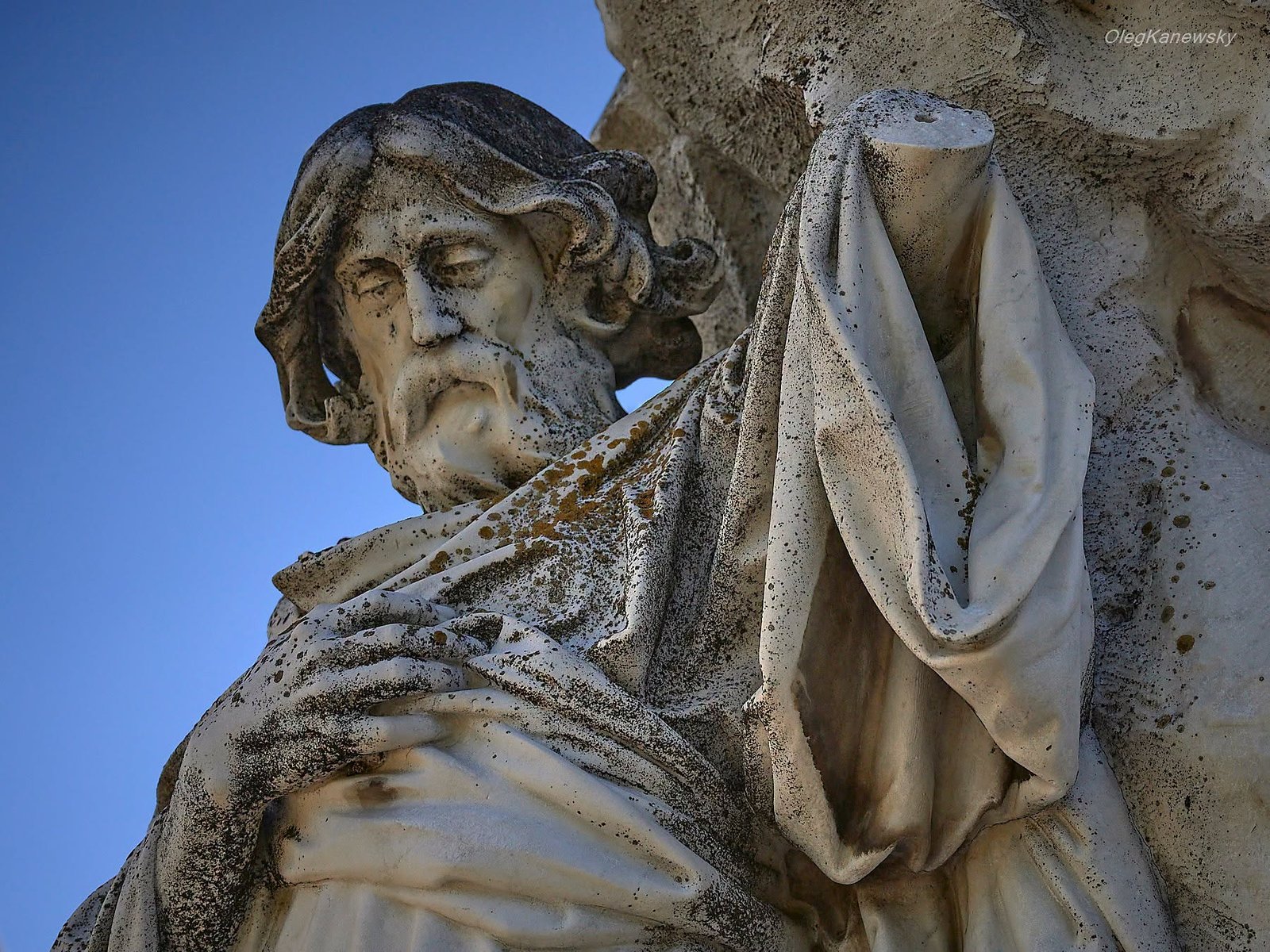
The statues have deteriorated from long outdoor exposure (sun, rain, vegetation growth, cracks). On “Golgotha,” the figure of the Apostle John has lost a marble arm. They remain at risk from the ongoing war (Sumy is near the Russian border and subject to shelling). Temporary protective measures have included wrapping in reinforced fabric/agro-fiber and surrounding with sandbags. Full physical restoration has been discussed and partially planned for years (including offers of materials and expertise from Italian specialists around 2020–2021 and municipal/Ministry of Culture obligations), but comprehensive work has not been completed.
How reconstruction/restoration is approached
Reconstruction (or more precisely, conservation + restoration, with the option of full reconstruction if severely damaged or destroyed) follows standard professional cultural-heritage practice for outdoor marble sculpture, adapted to wartime conditions in Ukraine.
Key steps, based on documented local efforts and general best practices for such monuments, are:
Physical work requires specialized marble conservators, funding, and secure conditions. Digital models already provide a robust backup and practical foundation for any reconstruction. Local initiatives continue to prioritize these sculptures as important cultural assets linked to Sumy’s history of philanthropy and European artistic connections.